Why Is My Brooklyn Shower Water Pressure Low?
Discover why your Brooklyn shower has low water pressure. Learn common causes, warning signs, professional fixes, and expert care tips today.
Why Does My Brooklyn Shower Have Low Water Pressure?
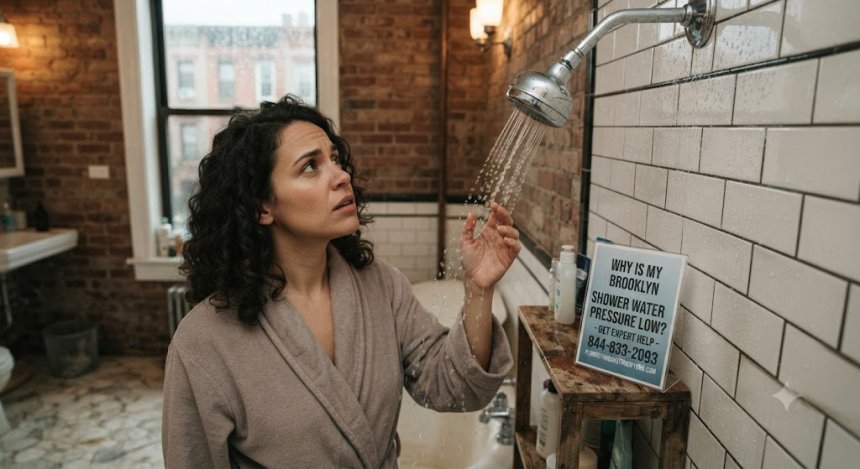
Stepping into the shower after a long day in the city only to be greeted by a weak, sputtering trickle of water is an intensely frustrating experience. For homeowners and business owners across Brooklyn, Kings County, and surrounding neighborhoods like Park Slope, Williamsburg, and Crown Heights, low shower water pressure is a frequent plumbing complaint. Whether you live in a historic brownstone with decades-old supply lines or a high-rise condominium, a weak shower disrupts your morning routine and usually points to an underlying plumbing restriction.
People search for this topic when simple fixes like cleaning the showerhead fail to solve the problem, leaving them wondering whether the issue stems from municipal supply changes or private plumbing degradation. Understanding why this happens helps you determine when you can fix it yourself and when it is time to call a professional.
What Is Low Shower Water Pressure?
Low shower water pressure refers to a noticeable decrease in the force and volume of water flowing from your showerhead compared to its normal performance.
Common Situations
-
Water emerging from the showerhead as a weak, lifeless stream that barely rinses shampoo from hair.
-
Pressure dropping sharply whenever someone flushes a toilet or runs a kitchen sink elsewhere in the house.
-
Cold water flowing at a normal force while hot water trickles out slowly, or vice versa.
-
A sudden, permanent drop in pressure following municipal street work or neighborhood main repairs.
Why Does This Plumbing Problem Happen?
Low shower pressure is rarely random; it is typically caused by physical blockages, mechanical failures, or systemic infrastructure issues.
-
Hard Water Mineral Build-up: New York water contains dissolved minerals that precipitate over time, clogging the tiny rubber nozzles and internal screens of your showerhead with white crusty scale.
-
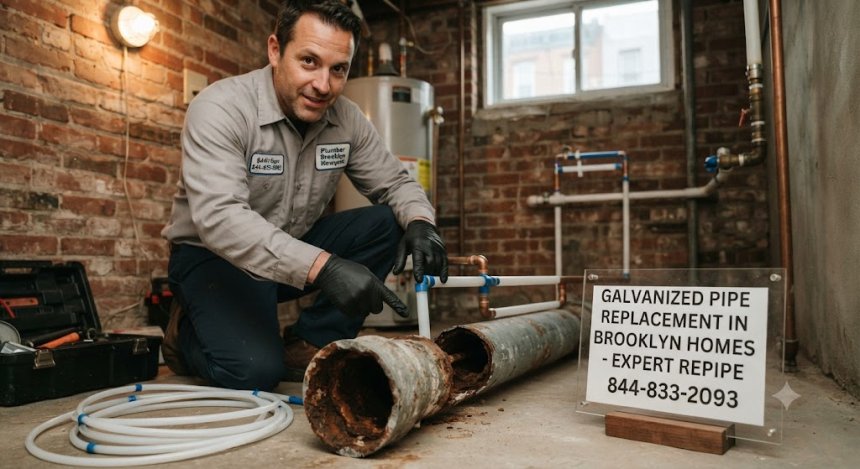
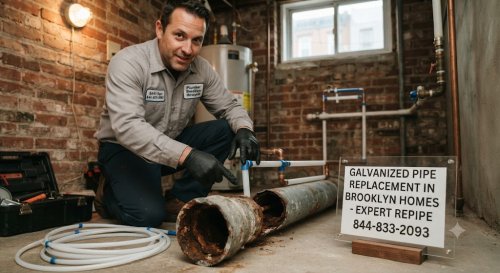
Aging Pipes and Internal Corrosion: Older Brooklyn properties featuring galvanized steel or iron pipes suffer from internal rust scaling that progressively chokes off the pipe's internal diameter, starving fixtures of water volume.
-
Malfunctioning Pressure-Balancing Valves: Modern shower mixing valves contain internal cartridges designed to prevent scalding; when these fail or become jammed with debris, they restrict water flow.
-
Partially Closed Shut-Off Valves: Main water supply valves or local fixture shut-off valves that are not fully opened restrict the volume of water traveling to the bathroom.
-
High Municipal Water Pressure or Pressure Regulators: A failing home pressure-reducing valve (PRV) can malfunction and accidentally choke off water flow into the house.
Signs You Should Never Ignore
A drop in shower pressure is often the canary in the coal mine for broader plumbing distress. Watch out for these warning signs:
-
Sputtering Faucets Across the House: If multiple sinks and showers experience low flow, the issue is systemic rather than isolated to one showerhead.
-
Sudden Banging or Whining Noises: Pipes that squeal or vibrate when you turn on the shower indicate pressure spikes or loose internal components.
-
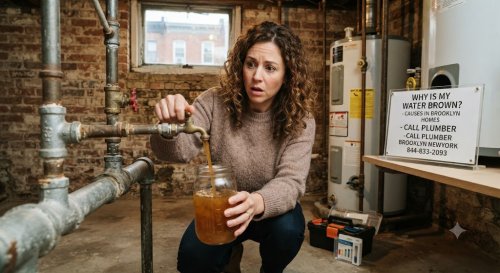
Discolored or Rusty Water: Weak pressure accompanied by brown or red tinting points to severe pipe corrosion.
-
Unexplained Spikes in Water Bills: Low pressure combined with high usage figures strongly suggests a hidden pipe leak.
-
Frequent Cartridge Failure: Repeatedly replacing dripping or stiff shower faucet handles.
Common Plumbing Problems Related to This Issue
Ignoring a low-pressure warning sign can allow related mechanical issues to compound:
-
Concealed Supply Leaks: Progressive corrosion weakening pipe walls until they rupture behind walls or under floors.
-
Water Heater Sediment Choke: Heavy sludge accumulation in the water heater tank restricting hot water distribution.
-
Damaged Mixing Valves: Total seizure of shower handles, preventing you from turning the water on or off.
-
Appliance Starvation: Washing machines and dishwashers failing to fill properly due to insufficient line pressure.
Step-by-Step Professional Repair Process
When you call Plumber Brooklyn Newyork to diagnose and fix chronic low water pressure, our licensed technicians follow a systematic, thorough approach:
-
Comprehensive Inspection: The plumber checks the main water entry, pressure-reducing valve, water heater, and local fixture valves.
-
Diagnostic Flow Testing: Technicians measure PSI (pounds per square inch) at various locations to isolate whether the restriction is whole-house or fixture-specific.
-
Transparent Estimate: You receive a clear, upfront breakdown of recommended corrective steps, parts, and labor costs before work begins.
-
Targeted Repair or Replacement: Professionals replace faulty mixing valves, clear scale blockages, adjust pressure regulators, or replace corroded pipe segments.
-
Rigorous System Testing: The shower is tested under full hot and cold loads to verify that pressure and temperature balance are fully restored.
-
Jobsite Cleanup: Work areas are thoroughly tidied and sanitized, leaving your bathroom pristine.
-
Maintenance Advice: The technician provides practical tips on how to prevent future mineral buildup and maintain optimal flow.
Can You Fix It Yourself?
While major valve replacements and repiping require licensed expertise, homeowners can safely handle several preliminary checks:
-
Safe DIY Solutions: Unscrewing the showerhead and soaking it overnight in a bowl of white vinegar to dissolve mineral scale, then scrubbing the nozzles clean with an old toothbrush.
-
Temporary Fixes: Checking under the sink or in utility access panels to ensure all local water supply shut-off valves are opened completely.
-
When DIY Becomes Dangerous: Attempting to torch-solder behind-the-wall pipes, forcing stubborn vintage brass mixing valves with heavy wrenches, or tampering with main municipal meter valves.
-
When Professional Plumbing is Necessary: Whenever low pressure affects multiple fixtures, involves hot water exclusively, or persists after cleaning the showerhead.
Tools Professionals Use
Professional plumbers utilize advanced diagnostic and testing equipment to resolve pressure issues accurately:
-
Water Pressure Gauges: Attach to hose bibs or utility taps to measure exact municipal and residential PSI ratings.
-
Thermal Imaging Cameras: Detect temperature variations in walls to spot blocked or restricted hot water supply lines.
-
Pipe Inspection Cameras: Scope out the interior of supply lines to check for severe rust scaling or structural pinching.
-
Valve Extraction and Pressing Tools: Specialized wrenches and pullers designed to swap out modern pressure-balancing cartridges without damaging surrounding tile.
How Long Does the Repair Usually Take?
Repair timelines for low water pressure depend entirely on the root cause:
-
Simple Fixes (e.g., cleaning a scaled showerhead or opening a restricted valve): 15 to 30 minutes.
-
Moderate Repairs (e.g., replacing a faulty shower mixing valve cartridge or pressure regulator): 1 to 3 hours.
-
Major Projects (e.g., replacing corroded branch supply lines or addressing whole-house scaling): 4 hours to a full day.
-
Factors Affecting Time: Pipe accessibility behind finished tile walls, age of plumbing fixtures, and availability of specialized replacement valve parts.
Cost Factors for Pressure Repairs
Plumbing service and repair costs depend on several distinct variables. Estimates are tailored to your specific property:
-
Root cause of the pressure drop (fixture-level scale vs. whole-house pipe corrosion).
-
Accessibility of the plumbing behind walls or utility chases.
-
Specialized replacement parts required (e.g., proprietary high-end shower valve cartridges).
-
Emergency service dispatch timing (after-hours, weekends, or holidays).
-
Property type (historic brownstone, modern apartment building, or single-family home).
-
Local labor rates across the New York area.
Hidden Truths Homeowners Should Know
-
A slow, steady drop in water pressure over several years is almost always a sign that your pipes are quietly choking on internal rust and mineral scale.
-
Store-bought liquid chemical descalers do not clear mineral buildup inside supply lines and can damage rubber seals in shower valves.
-
Standard homeowner insurance policies do not cover routine plumbing wear and tear or gradual pressure loss caused by aging infrastructure.
-
Ignoring low water pressure on hot lines only can signal that your water heater is failing or choked with heavy sediment sludge.
-
Annual plumbing maintenance and pressure checks save property owners thousands of dollars in emergency repair bills.
15 Common Mistakes Homeowners Make
-
Ignoring a gradual drop in shower pressure until the flow stops entirely.
-
Using harsh chemical cleaners on custom showerhead finishes, ruining the plating.
-
Hiring unlicensed handymen who lack experience with modern anti-scald pressure-balancing valves.
-
Skipping annual water heater flushing, allowing sediment to restrict hot water pressure.
-
Forcing vintage shower handles past their stopping points, stripping internal brass stems.
-
Failing to check whether main water supply valves are fully open after home repairs.
-
Assuming low pressure is just an unavoidable quirk of living in an older Brooklyn building.
-
Using mismatched replacement cartridges that fail to balance hot and cold water properly.
-
Over-tightening showerhead connections without plumber's tape, causing leaks behind the wall.
-
Neglecting to check if neighborhood municipal work is causing temporary low pressure.
-
Waiting until a holiday weekend to address a failing bathroom mixing valve.
-
Trying to increase pressure by tampering with main city pressure regulators independently.
-
Using abrasive metal tools on delicate shower fixtures.
-
Failing to replace worn rubber washers in older two-handle shower setups.
-
Neglecting to monitor water bills for hidden leaks that siphon off household pressure.
Maintenance Tips to Protect Your Property
-
Unscrew and soak your showerhead in white vinegar every six months to dissolve mineral scale and maintain strong flow.
-
Flush your water heater tank annually to prevent sediment from restricting hot water pressure throughout your home.
-
Test your home's water pressure periodically with a simple gauge; ensure it sits safely between 50 and 80 psi.
-
Inspect visible basement and utility water lines twice a year for signs of external corrosion or weeping joints.
-
Keep your main water shut-off valve clearly labeled and free of obstructions.
-
If your home features aging galvanized pipes, plan proactively with a licensed plumber to upgrade to modern PEX or copper.
-
Never force bathroom faucet or shower handles; replace worn cartridges at the first sign of stiffness or dripping.
-
Monitor water flow across multiple household fixtures to catch systemic pressure drops early.
-
Schedule an annual comprehensive plumbing inspection to evaluate valve health and water pressure.
-
Avoid using harsh chemical drain or pipe cleaners that degrade internal valve components.
-
Keep contact information for a trusted local emergency plumber saved in your mobile phone.
-
Ensure your home pressure-reducing valve is serviced or replaced every 10 to 12 years.
-
Check that all shut-off valves under sinks and behind access panels are fully opened.
-
Insulate supply lines against extreme winter temperature drops to prevent pressure-reducing valve freezing.
-
Consult a licensed professional before remodeling bathrooms to ensure your existing supply lines can handle modern multi-head shower systems.
When Should You Call an Emergency Plumber?
While low water pressure is typically a maintenance concern, certain scenarios require immediate professional intervention:
-
Total Loss of Water Pressure: Your shower and all other household taps go completely dry without warning.
-
Burst Supply Lines: A pipe ruptures behind the shower wall, spraying water uncontrollably.
-
Severe Scalding Hazards: The pressure-balancing valve fails entirely, locking water into dangerously scalding temperatures.
-
Major Leaks Around Fixtures: Water begins gushing from the wall plate whenever the shower is turned on.
Frequently Asked Questions
Why is my shower water pressure low only when using hot water?
When low pressure affects only the hot side, it typically indicates that your water heater is choked with sediment sludge or that the hot water shut-off valve is partially closed.
How much does professional leak detection and pressure testing cost?
Diagnostic fees vary depending on the complexity of your plumbing layout and the testing equipment required. Contact us directly for transparent pricing details.
Can a clogged showerhead cause low water pressure?
Yes. Mineral scale and hard water deposits frequently plug the tiny nozzles of a showerhead, drastically restricting water flow even if home pressure is normal.