Why Does My Brooklyn Home Smell Like Sewage? Causes & Fixes
Discover common reasons behind sewer odors in Brooklyn homes and apartments, from dry P-traps to damaged vent stacks, and learn how professional plumbers locate the source.
Understanding Sewer Odors in Brooklyn Properties
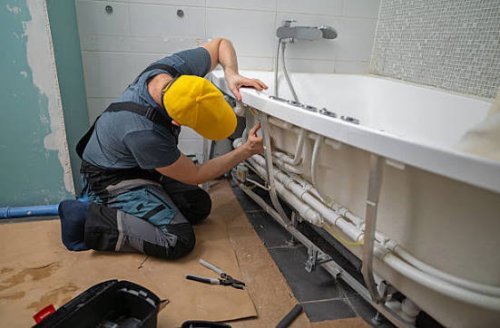
Dealing with a persistent sewage smell in your home or apartment is both unpleasant and concerning. Over my 20 years in the plumbing field, I have walked into countless Brooklyn brownstones, co-ops, and detached houses where homeowners are frustrated by a mysterious, foul odor coming from a bathroom, basement, or kitchen. In most cases, that unpleasant smell is more than just a nuisance—it is an indicator that sewer gases are escaping your plumbing system.
Understanding why these odors occur can help you identify when a simple fix will solve the problem or when you need to bring in a professional plumber to investigate further.
How Your Plumbing Keeps Sewer Gases Out
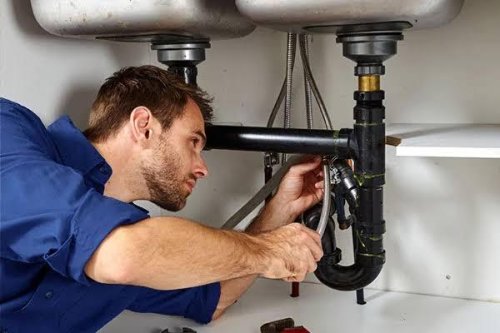
Before looking at what goes wrong, it helps to understand how a healthy plumbing system is designed to keep your living space fresh. Every plumbing fixture connected to your drainage system—whether it is a sink, toilet, tub, or floor drain—relies on a simple yet brilliant engineering feature called a P-trap.
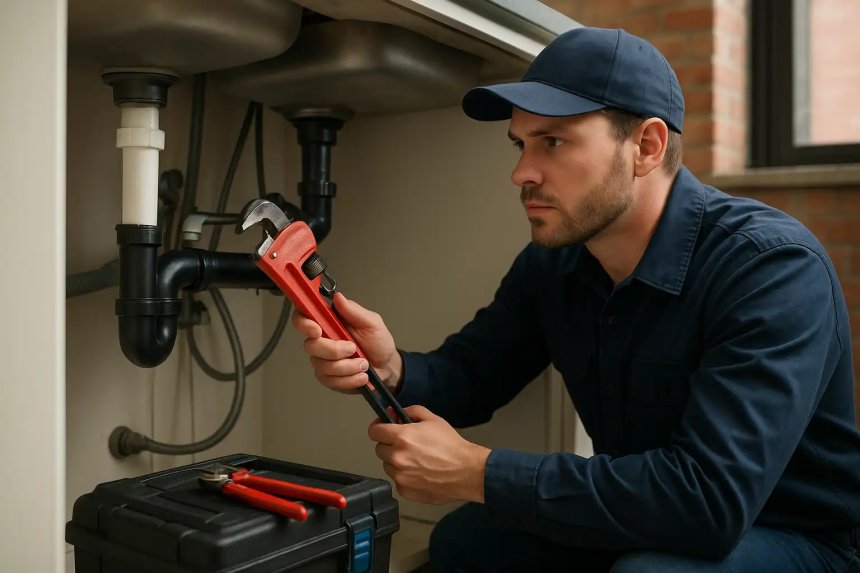
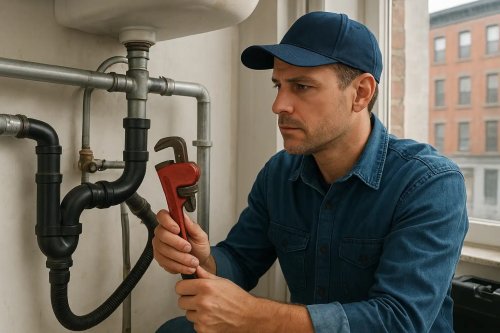
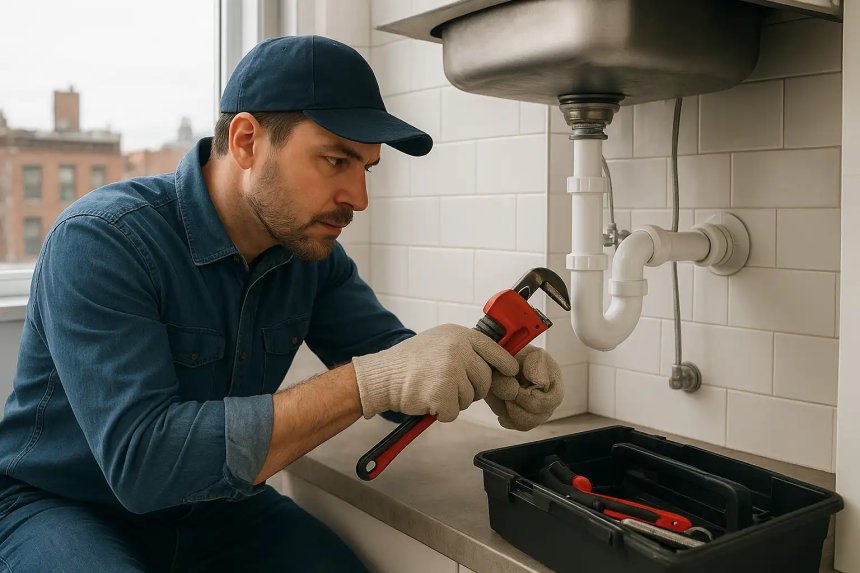
The curved section of pipe beneath your sink holds a small amount of water at all times. This standing water creates an airtight liquid seal that blocks sewer gases from traveling up through the drain pipe and into your rooms. Additionally, your building features a vent stack that extends through the roof, allowing sewer gases to safely vent outdoors instead of building up pressure inside your pipes.
Common Reasons You Smell Sewage in a Brooklyn Home
When sewer odors make their way indoors, it usually means that a plumbing trap has lost its seal or there is a breach somewhere in the ventilation or drainage network. Here are the most frequent culprits:
1. Dry P-Traps in Rarely Used Fixtures
This is perhaps the most common cause of sewer odors, especially in guest bathrooms, basement floor drains, or utility sinks that do not get used regularly. If water in a P-trap evaporates due to lack of use, the barrier is gone, allowing sewer gas to flow freely into the room. Running water down the drain for a minute or two is usually all it takes to replenish the trap and eliminate the smell.
2. Clogged or Damaged Plumbing Vents
The vent stack on your roof plays a vital role in balancing air pressure and routing sewer odors away from your property. In older Brooklyn neighborhoods featuring mature trees, leaves, twigs, or even bird nests can obstruct the vent opening on the roof. When the vent is blocked, negative pressure can pull water right out of your P-traps every time a toilet is flushed or a tub drains, breaking the water seal and letting odors inside.
3. Wax Ring Failures Under Toilets
If you notice a sewer-like or damp, earthy odor near the base of your toilet, the wax ring seal between the bottom of the porcelain bowl and the floor flange may have deteriorated or failed. When this seal breaks down, sewer gases escape into the bathroom around the base of the fixture. You might also notice a slight wobble or moisture around the toilet.
4. Cracked or Corroded Pipes
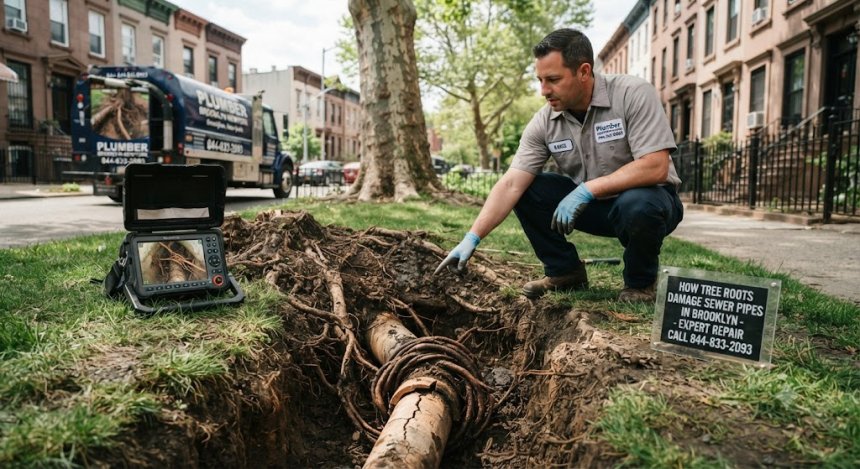
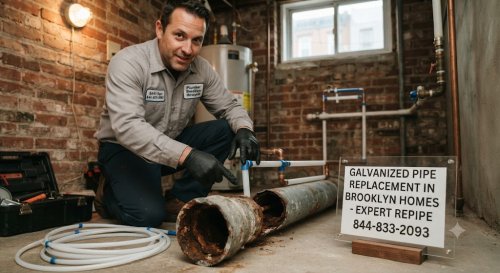
Many residential buildings and multi-family homes in areas like Park Slope, Brooklyn Heights, and Williamsburg feature older plumbing infrastructure. Cast iron and galvanized steel pipes corrode over time, developing small cracks, pinhole leaks, or hairline fractures. Even if water is not visibly leaking, these tiny fissures can allow sewer gases to seep into wall cavities, floor joists, or basements.
Practical Steps and Professional Diagnostics
If you are experiencing sewer odors in your home, here are a few practical steps you can take before calling for service:
- Check all drains: Pour a cup of water down every floor drain, utility sink, and seldom-used guest bathroom drain to ensure the P-traps are full.
- Inspect fixtures for leaks: Check around the base of toilets and underneath bathroom and kitchen sinks for signs of moisture or loose fittings.
- Monitor weather patterns: Sometimes, intense barometric pressure changes or heavy winds can push odors down through vent stacks temporarily, though persistent smells require physical inspection.
If running water in your drains and checking visible connections does not resolve the issue, a professional plumber can perform advanced diagnostics. Techniques like smoke testing—where safe, non-toxic smoke is blown through the plumbing system to reveal hidden cracks or disconnected vent pipes—can quickly locate the exact source of the odor without unnecessary tearing into walls.
Frequently Asked Questions About Sewer Odors
Can a slow drain cause a sewer smell?
Yes. When hair, soap scum, grease, and debris build up inside a drain pipe, organic matter can decay and produce unpleasant odors that waft back up into the room, even if the P-trap is still holding water.
Why does the sewer smell get worse on rainy days?
Changes in barometric pressure and high humidity during storms can sometimes push sewer gases upward through municipal lines and residential traps, especially if roof vents are partially obstructed.
Are sewer gases dangerous?
Sewer gas is a complex mixture of toxic and non-toxic gases, including hydrogen sulfide and methane. While occasional mild exposure from a dry drain is unpleasant, heavy or continuous exposure to sewer gas in an enclosed space can cause headaches, nausea, and dizziness. If a strong, continuous gas or sewage odor is present, it is always wise to ventilate the area and contact a qualified plumbing professional to inspect your system.