Top Signs You Need Professional Drain Cleaning in New York City, NY
Is your drain slow or making strange noises? Learn the top signs you need professional drain cleaning in NYC. Expert Brooklyn plumbers available 24/7. Call 844 833 2093.
Why New York City Drains Are Different
Before we dive into the warning signs, it's important to understand why drain problems are so prevalent in New York City. The city's plumbing infrastructure presents unique challenges that homeowners in other regions rarely encounter.
NYC's Aging Infrastructure
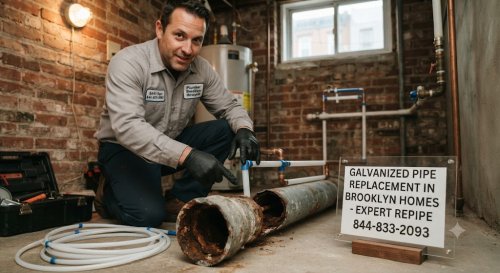
New York City has some of the oldest water infrastructure in the United States, with some pipes dating back to the 19th century . Many pre-war buildings and row houses throughout the five boroughs were built with cast iron drain pipes—a material that corrodes from the inside over time, creating rough surfaces that catch grease and debris much faster than modern PVC pipes . This means even minor clogs can quickly escalate into major blockages.
The NYC Soil Factor
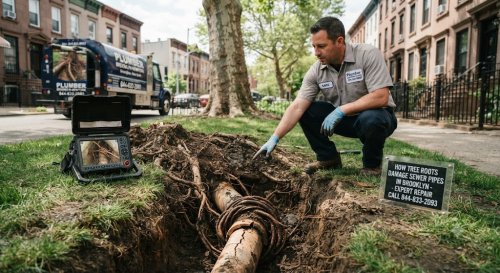
The city's clay-heavy and urban fill soil can shift over time, putting stress on underground sewer lines and connections . When pipes shift or settle, they can develop cracks, misalignments, or separations that allow tree roots to enter. And as any seasoned NYC plumber will tell you, tree roots are one of the most destructive forces facing the city's drainage systems .
Hard Water and Mineral Buildup
NYC's water, while relatively soft, still contains minerals that can accumulate inside pipes over time. This mineral scale narrows pipe diameters, restricts water flow, and creates rough surfaces that catch debris. In older buildings with cast iron or galvanized pipes, this buildup is particularly problematic .
Top Warning Signs Your Drains Need Professional Cleaning
Your plumbing system is constantly communicating with you. Here are the most common warning signs that your drains are struggling and need professional attention.
1. Slow Draining Water
This is often the first sign that something is wrong. If you notice water taking longer to drain from your sink, shower, or tub, it's a clear indicator that a partial blockage is forming in your pipes .
What it means: As debris accumulates—hair, soap scum, grease, food particles—it gradually narrows the pipe's diameter. Water can still pass, just more slowly. The problem is progressive; what starts as a minor inconvenience will eventually become a complete blockage if left untreated .
NYC-specific concern: In older buildings with cast iron pipes, the rough interior surfaces naturally catch more debris. A slow drain in an NYC apartment is rarely an isolated issue; it often indicates systemic problems affecting multiple units .
2. Gurgling or Bubbling Sounds
Strange noises coming from your drains or toilet are a significant red flag. If you hear gurgling, bubbling, or rumbling sounds when you run water or flush the toilet, trapped air is trying to escape through a clogged system .
What it means: These sounds indicate that air is trapped behind a blockage in your plumbing system. As water tries to flow past the obstruction, air bubbles are forced backward through the drain, creating the gurgling noise you hear. In severe cases, this back-pressure can cause water to backup into your tub or shower when you flush the toilet.
NYC-specific concern: Gurgling drains in multi-unit buildings may indicate a main line clog affecting multiple apartments. The problem is often deeper—and more expensive to fix—than a simple single-drain clog.
3. Foul Odors
Drains that emit unpleasant, musty, or sewage-like odors are signaling a serious problem. The buildup of organic matter—hair, soap scum, food particles, grease—decomposes and produces foul-smelling gases .
What it means: When debris accumulates in your pipes, bacteria thrive on the organic matter, creating hydrogen sulfide and other malodorous gases. These gases rise through the drain and into your home. Foul odors often worsen the longer you delay cleaning your drains .
NYC-specific concern: In buildings with cast iron pipes, odors can penetrate porous pipe surfaces, making them persistent and difficult to eliminate without professional cleaning.
4. Recurring Clogs
Are you constantly reaching for a plunger or calling for drain clearing? If a clog returns within weeks of clearing it, you have a recurring problem that requires professional attention .
What it means: Snaking a drain may temporarily clear a blockage, but it often just pokes a hole through the clog without removing the accumulated debris from the pipe walls . Hydro jetting—a high-pressure water cleaning technique—is often needed to thoroughly clean the entire pipe interior and prevent the clog from returning .
NYC-specific concern: Recurring clogs in NYC homes are commonly caused by tree roots infiltrating aging sewer lines or mineral buildup in cast iron pipes . A video camera inspection can identify the root cause so you're not just treating symptoms repeatedly .
5. Multiple Drains Affected Simultaneously
If several drains in your home are slow or backed up at the same time, you likely have a main line clog—a blockage in the primary pipe that carries waste from your home to the city sewer .
What it means: The main sewer line is the central artery of your plumbing system. A blockage here affects every drain in your home, including your toilets, sinks, showers, and tubs. Main line clogs are usually caused by tree root intrusion, significant grease buildup, or collapsed pipes.
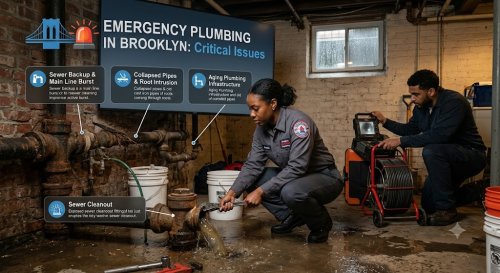
NYC-specific concern: NYC's combined sewer system and aging clay and cast iron pipes make main line clogs particularly common—and particularly dangerous. If a main line clog causes sewage to back up into your home, the damage can cost thousands to repair .
6. Water Backing Up
When water backs up into your tub, shower, or sink while you're using another fixture, it's a serious emergency. For example, if water rises in your shower drain when you flush the toilet, your main line is likely blocked .
What it means: A blockage in the main sewer line prevents waste water from leaving your property. Instead, the water seeks the path of least resistance, which is often up through the lowest drain in your home. This is a plumbing emergency that requires immediate professional attention.
NYC-specific concern: Heavy rain in NYC can overwhelm the city's sewer system, putting additional pressure on already compromised lines. Properties with cracked or root-damaged pipes are especially vulnerable to backups during wet weather .
7. Unusual Noises from Water Heater
If your water heater is rumbling, popping, or making unusual sounds, it might actually indicate sediment buildup in your water heater tank—a different but related plumbing issue that we covered in our previous guide. Sediment acts as an insulator, preventing efficient heating and forcing your water heater to work harder.
8. Pest Infestations
Dirty drains and clogged pipes can become breeding grounds for pests. Drain flies, cockroaches, and other insects are attracted to the moisture and organic matter accumulating in your pipes. Persistent pest problems near drains may signal a deeper issue requiring professional drain cleaning.
Common Causes of Drain Clogs in NYC Properties
Understanding what causes drain clogs helps you recognize problems early and take preventive action. Here are the most common culprits specific to NYC homes.
Tree Root Infiltration
Tree roots are one of the costliest drain problems in NYC. Mature street trees—particularly in Brooklyn and Manhattan—send roots seeking moisture and nutrients, making your sewer lines an irresistible target .
How it happens: Tiny "hair roots" slip through minor cracks or loose joints in clay or cast-iron pipes. Once inside, they find a constant supply of water and organic matter, allowing them to grow rapidly. Over time, roots can form dense root balls that cause serious blockages and eventually crush or crack the pipe .
Warning signs: Recurring clogs that clear temporarily but return quickly, gurgling sounds, and sewage odors that persist even after cleaning. By the time you notice these symptoms, roots have usually established themselves throughout significant portions of your sewer line .
The cost: Professional root removal typically requires specialized equipment like hydro-jetting or mechanical cutting tools. However, without addressing the underlying pipe damage, roots will return within months. Many NYC properties ultimately need partial or complete sewer line replacement, with costs ranging from $10,000 to $15,000 .
Grease, Oil, and Fat Buildup
Kitchen drains face constant assault from cooking grease, oil, and fat—substances that behave differently in pipes than they do in your kitchen. Liquid cooking oil and fat solidify quickly in cool pipes, creating sticky surfaces that trap everything else going down the drain .
How it happens: Over time, this buildup narrows pipe diameter and restricts water flow. Even small amounts of grease can create significant blockages when combined with other debris . In buildings with older plumbing, grease clogs can extend deep into the system, affecting multiple units.
Never pour grease down the drain—even liquid grease solidifies in pipes. Instead, collect cooking grease in a container and dispose of it in the trash .
Hair and Soap Scum
Bathroom drains are the primary victims of hair and soap scum. Hair combines with soap residue, body oils, and personal care products to form tough, rope-like clogs that resist simple removal attempts .
How it happens: As hair and soap accumulate, they create a mesh that traps additional debris. In buildings with older plumbing, these clogs can extend deep into the system, creating stubborn blockages that require professional equipment to clear.
Prevention: Install hair catchers in all showers and tubs . They're inexpensive and can prevent the most common cause of bathroom drain clogs.
"Flushable" Wipes and Non-Flushable Items
Despite manufacturer claims, "flushable" wipes don't break down quickly enough in pipe systems. The NYC Department of Environmental Protection identifies improper disposal of wipes as one of the leading causes of sewer backups .
What to do: Only flush toilet paper and human waste. Never flush wipes, paper towels, feminine hygiene products, dental floss, or diapers.
Chemical Drain Cleaners
While not a cause of clogs, chemical drain cleaners deserve a special mention. Products like Drano and Liquid-Plumr may seem like a quick solution, but they can cause significant harm to NYC's aging pipes .
Why they're harmful:
-
Pipe damage: Chemical drain cleaners can damage aging cast iron and galvanized pipes significantly
-
Incomplete removal: They may dissolve some organic matter but often leave behind mineral deposits that create rough surfaces, making future clogs more likely
-
Safety hazards: These products create hazardous fumes and can cause chemical burns if they splash on skin or eyes
For recurring or severe clogs, professional snaking or hydro jetting is safer and more effective .
Professional Drain Cleaning Methods
When you call a professional plumber for drain cleaning, you have several options. Understanding the difference can help you make an informed decision.
Drain Snaking (Drain Auger)
A drain snake, also called an auger, is a flexible metal cable with a cutting head that is fed into the drain to break up clogs .
Best for: Minor clogs caused by hair, soap, and debris
Cost in NYC: $275–$500 for a single drain
Duration: 30–60 minutes
Limitations: Snaking often just pokes a hole through the clog, leaving residue on pipe walls . The clog can reform quickly.
Hydro Jetting
Hydro jetting uses highly pressurized water—up to 4,000 PSI—to scour the entire interior of pipes, removing debris, grease, and mineral scale .
Best for: Recurring clogs, grease buildup, mineral scale, and complete line cleaning
Cost in NYC: $675–$1,475 for a single line; $1,475–$1,950 for whole-home cleaning
Advantages: More thorough cleaning, longer-lasting results, and prepares pipe interiors for video inspection
When to choose hydro jetting: If your clog keeps returning within weeks, multiple drains are slow simultaneously, you're seeing drain backups elsewhere in the house, or your home is being prepared for sale .
Video Camera Inspection
A small camera is fed through your plumbing system to visually inspect the interior of pipes and identify the cause of recurring clogs .
Cost in NYC: $225–$550
Benefits: Identifies the precise location and cause of blockages, allowing targeted repairs rather than guesswork. Essential for diagnosing tree root intrusion, collapsed pipes, and structural damage .
How Much Does Professional Drain Cleaning Cost in NYC?
Understanding the costs involved can help you budget for professional drain cleaning. Here are typical 2026 prices for the New York City area :
| Service | Cost Range | Best For |
|---|---|---|
| Basic drain snake (single drain) | $275–$500 | Minor clogs: hair, soap, debris |
| Main line snake | $425–$700 | Main sewer line clogs |
| Hydro jetting (single line) | $675–$1,475 | Grease, scale, recurring clogs |
| Hydro jetting (whole home) | $1,475–$1,950 | Full-line cleaning before sale |
| Video camera inspection | $225–$550 | Diagnose recurring clogs |
| Emergency drain cleaning (after-hours) | $700–$1,550 | After-hours, severe backups |
NYC-specific note: New York City has the highest labor rates in the US for plumbing services . Emergency and after-hours services come at a premium, but many reputable companies—like ours—offer 24/7 availability without hidden fees.
Your NYC Drain Maintenance Action Plan
Prevention is always less expensive than emergency repair. Here's how to protect your drains and avoid costly emergencies.
Daily Habits
-
Run hot water for 30 seconds after each use of the garbage disposal
-
Never pour grease down the drain—even liquid grease solidifies in pipes
-
Use enzyme-based cleaners instead of harsh chemicals—they break down organic matter without damaging pipes
Monthly Maintenance
-
Clean drain stoppers and strainers regularly
-
Check for any signs of slow drainage and address them promptly
Annual Maintenance
-
Schedule an annual professional cleaning if your home is over 20 years old
-
Schedule a video camera inspection for older properties—catch problems while they're still manageable
-
Have your drains professionally cleaned before winter—NYC's cold weather can accelerate plumbing issues
Frequently Asked Questions
Q1: How much does professional drain cleaning cost in NYC?
Standard drain snaking in New York City costs $275–$700 for a single drain . Hydro jetting for tough clogs or full-line cleaning runs $675–$1,950 . Camera inspections to diagnose recurring clogs add $225–$550 . Emergency after-hours services typically cost more.
Q2: When should I hydro jet vs snake a drain?
Snaking works for typical hair, grease, and soap clogs in a single drain. Choose hydro jetting when: the clog keeps coming back within weeks, multiple drains are slow simultaneously, you're seeing drain backups elsewhere in the house, or the home is being prepared for sale . Hydro jetting cleans the entire pipe interior, not just punches a hole through the clog .
Q3: Why do NYC homes have recurring drain problems?
New York City's older housing stock means many drain pipes are cast iron—a material that corrodes from the inside, creating rough surfaces that catch grease and debris much faster than smooth PVC . The city also has the oldest water infrastructure in the US, with some pipes dating to the 19th century . Tree roots, mineral buildup, and structural shifts in older buildings all contribute to recurring problems .
Q4: Should I use store-bought drain cleaners like Drano?
Chemical drain cleaners (Drano, Liquid-Plumr) can clear minor clogs but they: damage aging cast-iron and galvanized pipes significantly, don't remove root intrusion or mineral scale, and create hazardous fumes . For recurring or severe clogs in New York City, professional snaking or hydro jetting is safer and more effective .
Q5: How can I prevent drain clogs in my NYC home?
Install hair catchers in all showers and tubs. Never pour grease down the kitchen drain—even liquid grease solidifies in pipes. Run hot water for 30 seconds after each use of the garbage disposal. Schedule an annual professional cleaning if your home is over 20 years old . Use enzyme-based cleaners instead of harsh chemicals .
Q6: Why do my drains gurgle when I flush the toilet?
Gurgling sounds indicate trapped air behind a blockage in your plumbing system . As water tries to flow past the obstruction, air bubbles are forced backward through the drain. This often signals a main line clog, especially if multiple drains are affected. It's a sign you need professional attention.
Q7: Can tree roots really damage my sewer line in Brooklyn?
Yes—tree roots are one of the most destructive forces facing NYC's sewer lines . Mature street trees can send roots 20 feet or more underground, seeking moisture and nutrients in your pipes. Roots enter through cracks or loose joints, then grow rapidly inside the pipe, causing blockages and eventually crushing or cracking the pipe. Sewer line replacement can cost $10,000 to $15,000 in NYC .
Q8: What should I do in a drain emergency?
If you experience sewage backup, water pooling, or a complete blockage, call an emergency plumber immediately. Don't use any water fixtures, don't attempt DIY fixes, and don't use chemical drain cleaners. A professional will arrive with the right equipment to clear the blockage and prevent further damage.
Q9: How do I know if I need a main line clean or a single drain clean?
If only one drain is affected (e.g., just your kitchen sink), the problem is likely isolated to that drain. If multiple drains are slow or backed up simultaneously (e.g., your sink, shower, and toilet), you likely have a main line clog affecting your entire home's plumbing system .
Q10: Are drain cleaning services available 24/7 in NYC?
Yes, many reputable plumbing companies offer 24/7 emergency drain cleaning services. The city's aging infrastructure means plumbing emergencies can happen at any time. At Plumber in Brooklyn New York City, we're available around the clock to handle your drain emergencies.
When to Call a Professional
While minor clogs can sometimes be resolved with a plunger or enzyme cleaner, certain situations demand professional intervention:
-
Recurring clogs that return within weeks
-
Multiple drains affected simultaneously
-
Sewage backup or water pooling
-
Gurgling sounds from drains or toilets
-
Foul odors that won't dissipate
-
Older property (pre-1960) with original plumbing
-
Tree roots suspected in the sewer line
Red flags requiring immediate emergency service:
-
Sewage backing up into your home
-
Complete blockage with no drainage at all
-
Water damage or flooding from drain backups
-
Gas odors or signs of a broken pipe
Get Professional Drain Cleaning in Brooklyn, NYC
Don't let a slow drain become a plumbing disaster. At Plumber in Brooklyn New York City, we specialize in professional drain cleaning for homes and businesses across the five boroughs. Our licensed plumbers use the latest equipment—including hydro jetting and video camera inspection—to diagnose and solve your drain problems quickly and effectively.
Why Choose Us?
-
24/7 Emergency Service—We're available around the clock
-
Licensed & Insured—Fully compliant with NYC regulations
-
Upfront Pricing—No hidden fees or surprise charges
-
Experienced Team—Years of experience with NYC's unique plumbing challenges
-
Latest Technology—Hydro jetting, video inspection, and more