Why Is There a Sewer Odor in Your Brooklyn Home? Causes & Fixes
Discover common causes of sewer odors in Brooklyn homes and apartments. Learn practical troubleshooting and when to call a professional plumber.
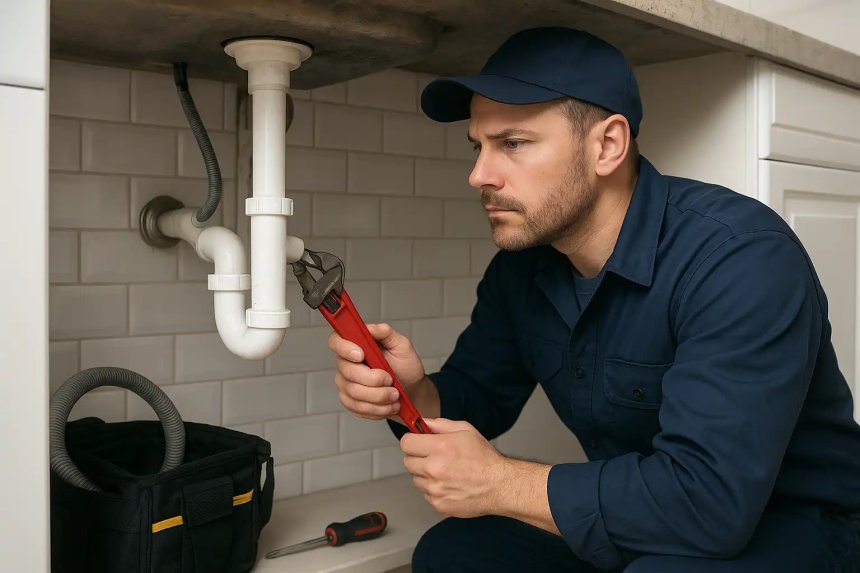
Dealing with a persistent, unpleasant smell in your home is frustrating, especially when it resembles sulfur or raw sewage. In densely populated areas like Brooklyn, where properties range from historic brownstones in Park Slope to modern high-rises in Downtown Brooklyn, sewer odors can pop up for several reasons. As an experienced plumber with two decades in the field, I have tracked down countless mysterious plumbing smells. Understanding why these odors happen can help you determine whether it is a quick fix or time to call an emergency plumber in Brooklyn.
Understanding Where Sewer Gas Comes From
Your home plumbing system is engineered with a series of traps, vents, and seals designed to keep sewer gases safely outside. When you smell sewage indoors, it usually means that one of these protective barriers has failed. Sewer gas is a mixture of various gases, primarily hydrogen sulfide, which gives off that distinct rotten egg odor. Beyond being deeply unpleasant, these smells indicate a breakdown in your plumbing integrity that needs attention.
1. Dried-Out Drain Traps
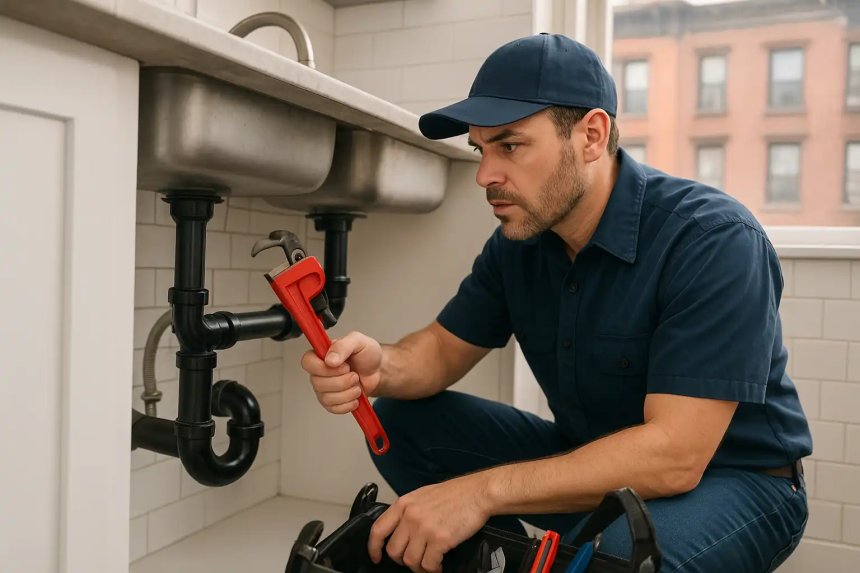
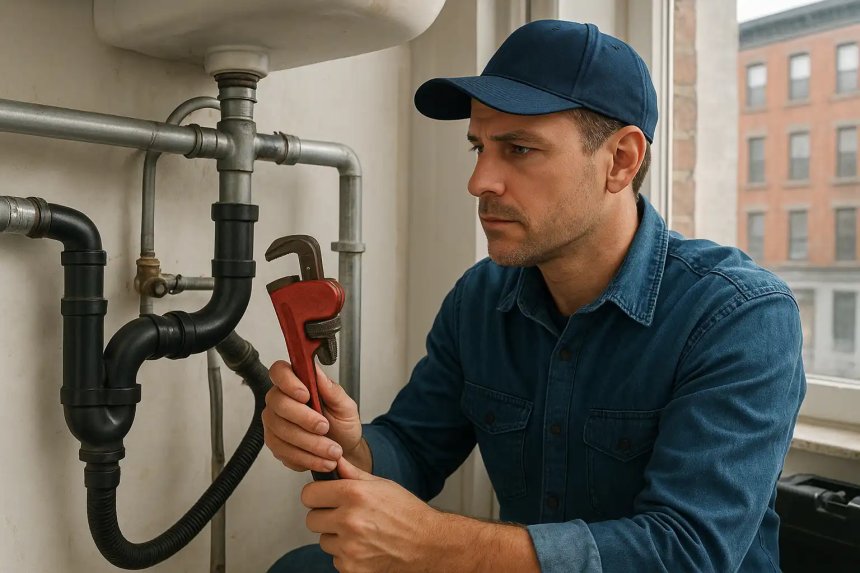
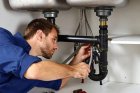
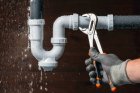
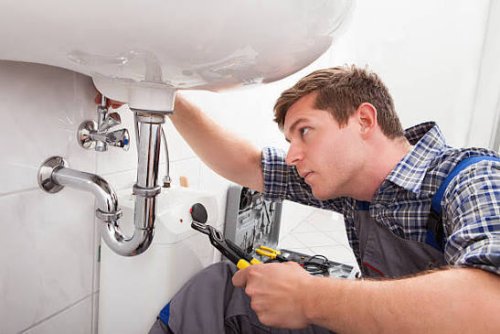
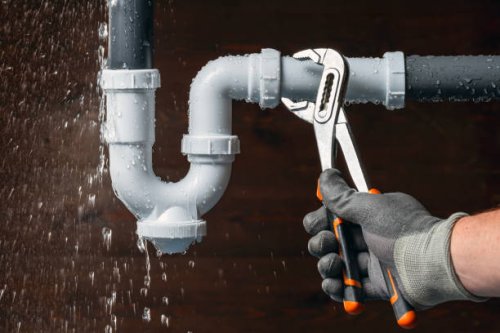
The most common and easiest-to-fix source of a sewer smell is a dried-out P-trap. Every plumbing fixture—sinks, showers, floor drains, and even rarely used basement drains—has a curved section of pipe underneath called a trap. This curve holds a small amount of water that creates a physical barrier stopping sewer gases from rising up through the drain opening.
If a bathroom or floor drain is not used for a few weeks, the water in that trap evaporates. Once the water is gone, the open path allows sewer gas to fill the room. This frequently happens in guest bathrooms or basement utility areas in homes across neighborhoods like Flatbush and Bay Ridge. Running water down the drain for a minute usually replenishes the trap and solves the problem instantly.
2. Damaged or Clogged Plumbing Vents
Every residential and commercial plumbing system relies on vent stacks, usually running up through the roof. These pipes allow sewer gases to escape safely into the outdoor air and equalize air pressure so water can flow smoothly through your drainage system.
If a vent pipe becomes blocked by leaves, bird nests, or construction debris, sewer gases have nowhere to go outside. Instead, the pressure can force water out of your P-traps when someone flushes a toilet or runs a heavy load of laundry, letting the gas vent directly into your living space. In older multi-family Brooklyn buildings, corroded or cracked vent pipes hidden inside walls can also leak odors into specific apartments.
3. Wax Ring Failures Under Toilets
If you notice a sewer-like odor specifically around the base of a toilet, the culprit is often a failing wax ring. The toilet sits on a floor flange, and a thick wax ring creates a watertight and airtight seal between the bottom of the porcelain bowl and the waste pipe in the floor.
Over time, if a toilet rocks slightly due to loose floor bolts or settling floorboards, the wax seal can compress and break. Once that seal is compromised, sewer gases escape into the bathroom every time the toilet is flushed. Replacing a wax ring requires lifting the toilet, cleaning the flange, and setting a fresh seal.
4. Cracked or Corroded Cast Iron Pipes
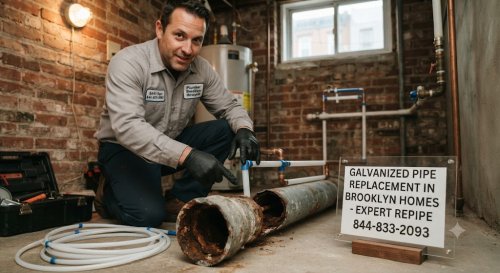
Many classic buildings throughout Brooklyn rely on aging cast iron drainage stacks. Over decades of service, cast iron can corrode, develop hairline cracks, or suffer from internal scaling where debris builds up and eats away at the metal.
A small crack in a waste or vent pipe hidden behind a drywall finish or beneath a floor can slowly release sewer odors into your home without necessarily causing an immediate major leak. If you notice a damp, earthy, or sewage-like smell that lingers near a specific wall or ceiling, an internal pipe inspection may be necessary.
Preventing Sewer Odors in Your Property
Routine maintenance goes a long way toward keeping your indoor air fresh and your plumbing system healthy. Here are a few practical habits to keep in mind:
- Run infrequently used fixtures: Pour a cup of water down basement floor drains, utility sinks, and guest bathrooms every few weeks to keep the P-traps full.
- Check for toilet stability: If your toilet wobbles when you sit on it, tighten the floor bolts promptly to prevent the wax ring from shearing.
- Keep roof vents clear: Periodically check that your roof vent pipes are free from heavy debris or blockages.
- Schedule regular inspections: If you manage a commercial property or older multi-family building in areas like Williamsburg or Crown Heights, periodic plumbing inspections help catch pipe corrosion early.
Frequently Asked Questions
Why does my bathroom smell like sewer gas only when I turn on the shower?
If the odor appears exclusively when running the shower, the shower drain trap may be partially clogged with hair and soap scum, or the shower vent might be improperly graded. The rush of water can displace air in the drain line and pull gases through a compromised trap seal.
Can I use chemical drain cleaners to get rid of sewer smells?
Chemical drain cleaners are generally not recommended for resolving sewer odors. If the smell is caused by a dry trap, water is all you need. If it is caused by a broken wax ring, cracked pipe, or blocked vent, harsh chemicals will not fix the underlying mechanical issue and can damage older plumbing materials.
When should I call a professional plumber for a sewer odor?
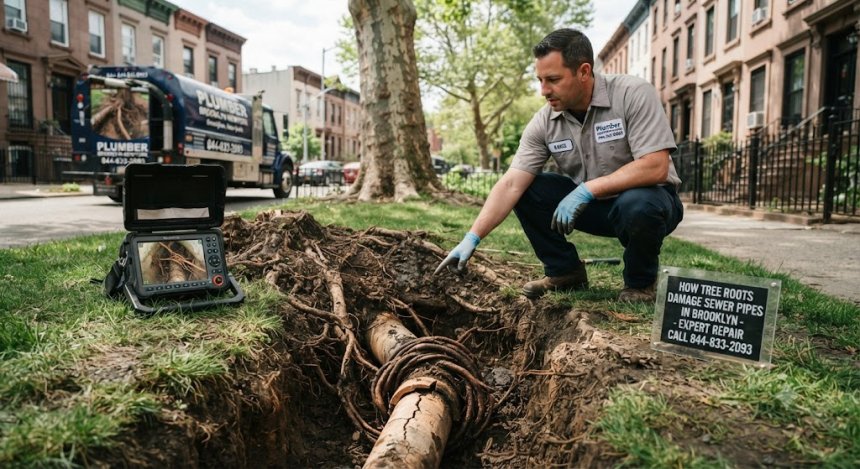
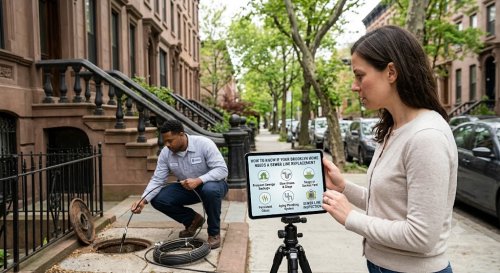
If running water down your drains and tightening your toilet bolts does not eliminate the smell, or if you suspect a cracked pipe or blocked vent stack, it is time to contact a qualified local plumber. Professional diagnostic tools, such as smoke testing or camera inspections, can pinpoint hidden leaks or venting failures quickly and accurately.