Who Is Responsible for Plumbing Repairs in a Brooklyn Rental Apartment
Learn who handles plumbing repairs in Brooklyn rentals under NYC Housing Maintenance Code. Discover landlord vs tenant duties, emergency rights, and costs.
Who Is Responsible for Plumbing Repairs in a Brooklyn Rental Apartment?
Living in a rented brownstone in Park Slope, a pre-war apartment in Brooklyn Heights, or a converted loft in Williamsburg comes with classic architectural charm. However, it also comes with decades-old plumbing systems that eventually leak, clog, or burst.
When a ceiling starts dripping in the middle of the night or a bathroom sink fills up with dirty water, every tenant and property owner faces the exact same urgent question: Who Is Responsible for Plumbing Repairs in a Brooklyn Rental Apartment?
Understanding where landlord legal responsibility ends and tenant liability begins is essential for every Brooklyn resident. NYC housing laws are strict regarding essential services, habitability, and structural maintenance. Yet, tenant actions can also determine who ultimately foots the bill for repairs.
In this comprehensive guide, we break down NYC landlord-tenant plumbing laws, explain who is legally responsible for common plumbing issues, detail the step-by-step repair process, and share critical advice on handling plumbing emergencies without risking your lease or security deposit.
What Is Who Is Responsible for Plumbing Repairs in a Brooklyn Rental Apartment?
To answer Who Is Responsible for Plumbing Repairs in a Brooklyn Rental Apartment?, we must look directly at New York State Real Property Law (Section 235-b) and the New York City Housing Maintenance Code (Subchapter 2, Article 3).
Under NYC law, landlords are legally required to maintain a Warranty of Habitability. This means the property owner is strictly obligated to keep all apartments, common areas, and structural systems safe, sanitary, and fit for human habitation at all times.
                  NYC RENTAL PLUMBING RESPONSIBILITY BREAKDOWN
  ┌─────────────────────────────────────────────────────────────────────────┐
  │                                                                         │
  │  LANDLORD RESPONSIBILITY               TENANT RESPONSIBILITY           │
  │  (NYC Housing Maintenance Code)        (Tenant Negligence & Misuse)    │
  │  ──────────────────────────────        ───────────────────────────     │
  │  • Aging/corroded pipe leaks           • Wipes or grease flushed down  │
  │  • No hot water or heat                • Foreign objects stuck in drain│
  │  • Main line sewer backups             • Unreported slow leaks (rot)   │
  │  • Worn fixture gaskets                • Unapproved DIY modifications  │
  │  • Structural pipe bursts              • Negligent freeze-ups          │
  │                                                                         │
  └─────────────────────────────────────────────────────────────────────────┘
The General Rule of Thumb
-
The Landlord Is Responsible for normal wear and tear, structural pipe failures, building-wide main line blockages, aging water heaters, leaking supply lines inside walls, and maintaining hot/cold water supply.
-
The Tenant Is Responsible (financially or operationally) for damages caused by their own misuse, negligence, deliberate actions, or failure to report visible leaks in a timely manner.
Common Real-World Scenarios in Brooklyn
Scenario A: A Cast Iron Waste Stack Crack (Landlord's Responsibility)
An apartment on the second floor of a Crown Heights brownstone develops a wet patch on the bathroom wall. The plumber inspects the wall and finds a vertical crack in an 80-year-old cast iron waste stack caused by natural age and building settling. The landlord must pay 100% of the inspection, plumbing repair, and plaster restoration costs.
Scenario B: Flushable Wipes Blocking a Toilet (Tenant's Responsibility)
A tenant in a Bushwick apartment uses wet wipes marked "flushable." Over three months, the wipes snag on a rough pipe joint inside the branch line, causing an overflowing toilet that ruins the floorboards. When the plumber snakes the line and pulls out a bundle of synthetic wipes, the tenant is liable for the plumbing bill and structural floor repairs due to negligence.
Scenario C: No Hot Water in Mid-Winter (Landlord's Class C Violation)
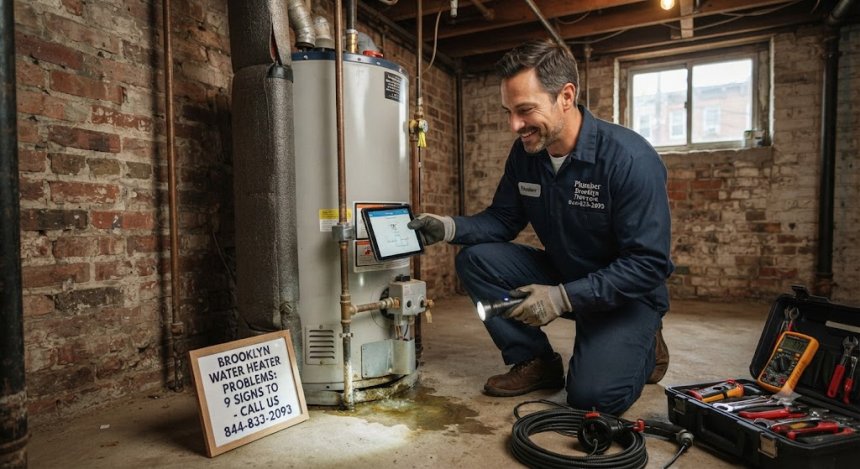
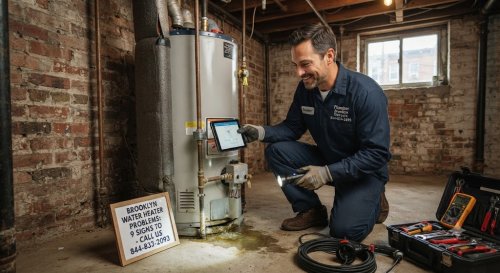
If a tenant wakes up in January with no running hot water or hot water below 120°F, this constitutes an immediate violation of the NYC Housing Maintenance Code. The landlord is legally mandated to repair or replace the water heater or boiler immediately.
Why Do Plumbing Problems Happen in Brooklyn Rental Properties?
Brooklyn’s rental market features some of the oldest active residential structures in the country. From row houses in Bedford-Stuyvesant to multi-family pre-war complexes in Bay Ridge, several underlying mechanical factors contribute to frequent plumbing breakdowns.
       FACTORS DRIVING PLUMBING ISSUES IN BROOKLYN RENTALS
  ┌──────────────────────────────────────────────────────────┐
  │                                                          │
  │  1. Decades of Heavy Multi-Tenant Usage                  │
  │  2. Historic Pipe Corrosion (Galvanized Steel & Iron)    │
  │  3. Improper Tenant Disposal (Grease, Wipes, Hair)       │
  │  4. Severe NYC Freeze-Thaw Winter Seasons                │
  │  5. Unlicensed Unapproved Past DIY "Fixes"               │
  │  6. Delayed Landlord Maintenance & Patch Jobs            │
  │                                                          │
  └──────────────────────────────────────────────────────────┘
1. High Multi-Tenant Usage
Rental units endure far higher turnover and fixture cycling than single-family owner-occupied homes. Continuous use of showers, toilets, and sinks accelerates wear on rubber washers, valve cartridges, and drain traps.
2. Aging Infrastructure and Metal Corrosion
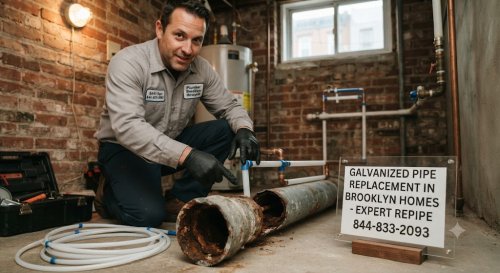
Many Brooklyn rental buildings still contain galvanized steel water pipes installed prior to 1960 or original cast iron waste stacks. These metals oxidize over time, developing rough internal crusts that trap debris and cause pinhole water leaks inside shared wall cavities.
3. Tenant Improper Waste Disposal
A primary cause of emergency plumbing calls in rental units is improper waste disposal. Flushing paper towels, sanitary products, hair, or "flushable" wipes—or pouring cooking grease down kitchen drains—creates dense grease-and-rag blockages (fatbergs) in private drain lines.
4. Cold NYC Winter Drafts and Freeze-Thaw Cycles
Uninsulated water pipes running along unheated exterior brick walls or through basement crawlspaces are highly susceptible to freezing when Brooklyn temperatures drop below 20°F (-6°C). When ice expands inside metal or plastic pipes, it splits the pipe body open.
5. Deferred Maintenance and Patch Repairs
Property management companies or landlords attempting to save money sometimes rely on quick surface patches—such as applying rubber sleeves or chemical drain cleaners—rather than replacing failing sections of pipe. These quick fixes inevitably fail, resulting in larger floods later.
Warning Signs Tenants and Landlords Should Never Ignore
Plumbing systems rarely fail without warning. Catching these early red flags helps tenants protect their living spaces and saves landlords from expensive structural insurance claims.
1. Discolored Water or Metallic Odors
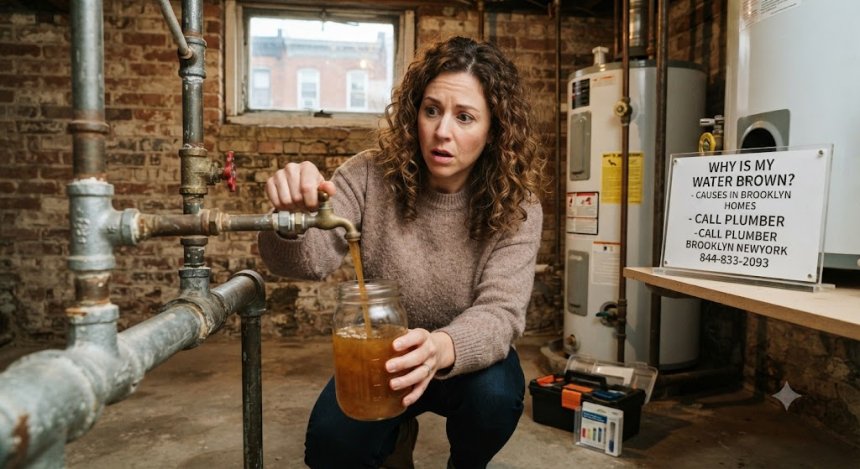
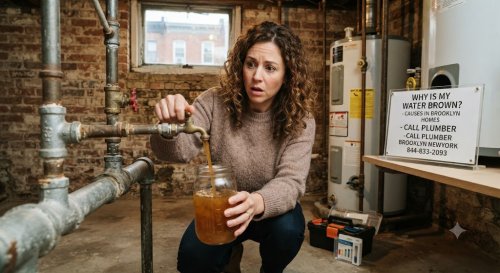
If water coming out of the kitchen or bathroom tap looks yellow, brown, or rust-colored, internal pipe corrosion is actively taking place. This should be reported to property management immediately to prevent pipe collapse.
2. Slow Draining Sinks, Tubs, or Showers
If water pools around your feet in the shower or takes minutes to drain from the bathroom sink, a deep clog is forming. Ignoring a slow drain often leads to a complete backup and an overflowing fixture.
3. Low Water Pressure
A sudden or gradual drop in water pressure across multiple faucets indicates mineral scaling inside old supply lines, a developing hidden pipe leak, or a failing main pressure regulator valve.
4. Damp Plaster, Peeling Paint, or Water Stains
A yellowing ring on a ceiling plaster molding or bubbling paint on a bathroom wall indicates an active leak in the unit directly above.
5. Foul Drain Odors (Sewer Gas Smell)
If a room smells like rotten eggs or sewage, a dried-out P-trap, cracked vent stack, or broken sewer line is letting hazardous sewer gas enter the apartment.
6. Strange Gurgling Noises from Toilets or Drains
When a toilet gurgles while the shower is running, or a kitchen sink bubbles when the washing machine drains, air is trapped in the main waste line due to a downstream blockage or blocked roof vent stack.
Common Plumbing Problems in Brooklyn Rental Apartments
Understanding specific plumbing issues helps clarify who is responsible and what action needs to be taken:
-
Leaking Faucets and Dripping Valves: Worn-out rubber washers or ceramic cartridges are normal wear and tear. Responsibility: Landlord.
-
Running or Clogged Toilets: If caused by worn flappers or mechanical failure, the landlord handles it. If caused by flushed toys, wipes, or excessive paper, the tenant pays. Responsibility: Shared/Depends on Cause.
-
Burst Pipes in Exterior Walls: Freezing weather splitting old pipes inside building walls is a structural issue. Responsibility: Landlord (unless the tenant left windows wide open during freezing weather while away).
-
Radiator Leaks and Steam Angle Valve Drips: In steam-heated Brooklyn buildings, radiator valves, air vents, and pipe connections belong entirely to the building heating system. Responsibility: Landlord.
-
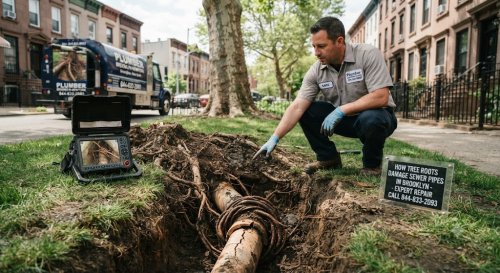
Main Sewer Line Backups: Tree roots, crushed underground clay pipes, or main line collapses affect the entire building. Responsibility: Landlord.
Step-by-Step Professional Repair Process for Rental Properties
When a licensed plumbing company handles a rental property repair in Brooklyn, they follow a methodical process that ensures structural safety, code compliance, and clear documentation for both landlord and tenant:
                          RENTAL PLUMBING REPAIR PROCESS
 ┌──────────────┐     ┌──────────────┐     ┌──────────────┐     ┌──────────────┐
 │  Step 1:     │ ──> │  Step 2:     │ ──> │  Step 3:     │ ──> │  Step 4:     │
 │  Dispatch &  │     │  HD Camera   │     │  Causation   │     │  Surgical    │
 │  Entry       │     │  Diagnosis   │     │  Determination│    │  Repair      │
 └──────────────┘     └──────────────┘     └──────────────┘     └──────────────┘
                                                                       │
 ┌──────────────┐     ┌──────────────┐     ┌──────────────┐            │
 │  Step 7:     │ <── │  Step 6:     │ <── │  Step 5:     │ <──────────┘
 │  Preventative│     │  Post-Repair │     │  System      │
 │  Guidance    │     │  Sanitization│     │  Testing     │
 └──────────────┘     └──────────────┘     └──────────────┘
Step 1: Dispatch and Tenant Access Coordination
The plumbing company coordinates access with the tenant and property manager, ensuring work complies with NYC notice-of-entry guidelines except in active flooding emergencies.
Step 2: Diagnostic Video Camera Inspection
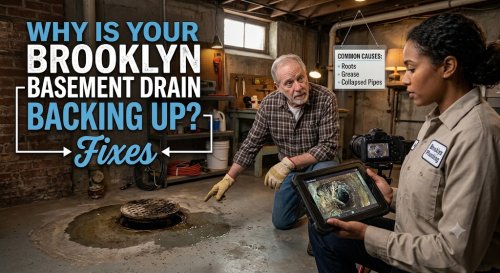
For drain or sewer issues, plumbers insert a flexible high-definition camera into the line. The video feed accurately identifies whether the blockage is caused by root intrusion, collapsed pipe walls, or foreign objects like wipes.
Step 3: Determining Causation
A licensed master plumber provides an objective, unbiased diagnosis detailing why the failure occurred. This formal report gives landlords and tenants an accurate basis for insurance claims or billing responsibility.
Step 4: Surgical Repair Execution
Plumbers perform targeted repairs—such as replacing sectioned copper pipe, rebuilding valve assemblies, or clearing main lines—while minimizing impact on historic plaster, trim, and living spaces.
Step 5: Pressure and Flow Testing
After completing the repair, the plumbing team tests the line under full operational pressure to ensure all leaks are permanently resolved.
Step 6: Post-Repair Cleanup and Sanitization
In cases involving wastewater or sewer backups, plumbers clean and sanitize the immediate work area to protect occupant health.
Step 7: Clear Documentation and Preventive Guidance
The plumber delivers detailed invoices and maintenance advice to both parties, outlining proper fixture care to prevent future failures.
Can You Fix It Yourself? (DIY Rules for Tenants)
In a rental property, tenants should exercise extreme caution before attempting any DIY plumbing repairs.
                     TENANT DIY PERMISSION MATRIX
 ┌──────────────────────────────────┬──────────────────────────────────┐
 │ SAFE TENANT ACTIONS              │ STRICTLY FORBIDDEN FOR TENANTS   │
 ├──────────────────────────────────┼──────────────────────────────────┤
 │ • Using a rubber plunger         │ • Opening walls or ceilings      │
 │ • Cleaning surface hair strainers│ • Using chemical drain openers   │
 │ • Installing a handheld showerhead│ • Disassembling P-traps under sink│
 │   (keeping original part)        │ • Tampering with radiator valves │
 │ • Shutting off local angle valves│ • Modifying main supply lines    │
 └──────────────────────────────────┴──────────────────────────────────┘
Safe Actions Tenants Can Take
-
Plunging standard toilet and sink clogs: Using a flange or cup plunger to clear soft, surface-level blockages.
-
Cleaning drain hair catchers: Removing hair build-up from tub stoppers or shower grates.
-
Closing local shut-off valves: Turning off the oval valve behind a leaking toilet or under a dripping sink to prevent water damage while waiting for a plumber.
Dangerous DIY Actions to Avoid
-
Pouring Harsh Chemical Cleaners: Caustic chemical drain products can dissolve old brass or cast iron drain lines, leading to pipe failure and personal injury. Tenants can be held financially liable for chemical damage to building pipes.
-
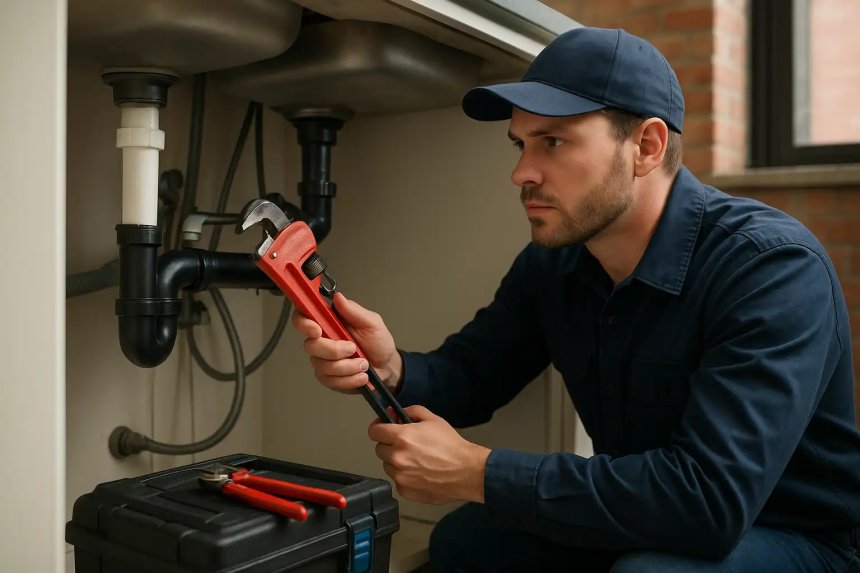
Disassembling Plumbing Pipes: Taking apart P-traps or unthreading shower arms without proper tools can strip brass threads or break rusted connections inside the wall.
-
Modifying Main Fixtures Without Approval: Installing unapproved bidets, portable dishwashers, or washing machine branch lines can cause major leaks and violates most NYC lease agreements.
Advanced Tools Professionals Use for Rental Diagnostics
Licensed plumbing contractors use specialized technology to locate and resolve complex rental property leaks efficiently:
-
Drain and Sewer Inspection Cameras: Self-leveling optical cameras pinpoint the exact distance and depth of pipe breaks or blockages.
-
Ultrasonic Leak Detectors: Sensitive acoustic equipment "hears" water escaping from pressurized supply lines behind thick brownstone plaster walls.
-
Hydro-Jetting Systems: High-pressure water nozzles blast grease, scale, and heavy blockages out of main stack lines without using damaging chemicals.
-
Thermal Imaging Cameras: Infrared cameras detect hidden moisture patterns and temperature shifts behind walls and under floorboards without invasive cutting.
-
Electronic Pipe Locators: Electromagnetic tracing wands trace underground pipe paths beneath basement concrete slabs or bluestone pavers.
How Long Do Plumbing Repairs Usually Take?
Repair timelines vary based on accessibility, severity, and required city permits:
-
Simple Fixture Repairs (1 – 2 Hours): Replacing a toilet flapper, swapping a faucet cartridge, or unclogging a bathroom sink.
-
Moderate Drain or Pipe Repairs (3 – 6 Hours): Replacing an under-sink P-trap assembly, hydro-jetting a branch drain line, or repairing an exposed copper supply pipe leak.
-
Major In-Wall or Stack Repairs (1 – 3 Days): Opening plaster walls to cut out damaged cast iron waste stacks, replacing main water lines, or repairing multi-floor riser leaks.
-
Emergency Water Main or Sewer Line Replacement (2 – 4 Days): Deep street excavation, pipe replacement, and completing NYC DEP permit inspections.
Cost Factors in Rental Property Plumbing
Plumbing repair costs vary depending on the severity of the problem, pipe accessibility, materials required, emergency service needs, property type, and local labor rates.
Key factors influencing overall costs include:
-
Accessibility: Reaching pipes hidden behind thick lath-and-plaster walls or beneath old basement slabs requires additional labor and restoration work.
-
Diagnostic Needs: Advanced camera inspections and acoustic leak detection ensure accurate repairs but add upfront equipment costs.
-
Emergency Service Timing: Calls made after standard business hours, on weekends, or during holidays involve premium emergency dispatch rates.
-
Material Requirements: Heavy-gauge copper, commercial cast iron, and specialized shut-off valves carry higher material costs than standard residential plastic fittings.
-
NYC Permitting and Inspections: Structural alterations or main line replacements require official NYC Department of Buildings (DOB) or DEP filings and permit fees.
Hidden Truths Tenants and Landlords Should Know
Navigating rental plumbing issues in Brooklyn requires understanding these practical realities:
-
Small Leaks Create Massive Repair Bills: A slow 1-drop-per-second drip inside a wall can rot floor joists and breed mold long before ceiling plaster collapses.
-
"Flushable" Wipes Are Never Flushable: Despite manufacturer claims, synthetic wipes do not break down in municipal sewers and cause severe drain backups.
-
Landlord Neglect Can Justify Rent Withholding (With Caution): Under NYC law, if a landlord refuses to fix essential plumbing after formal written notice, tenants may file an HP Proceeding in Housing Court or deposit rent into an escrow account. Always consult a legal professional before withholding rent.
-
Tenant-Installed Bidets Are a Major Leak Source: Cheap plastic bidet attachments installed without pressure-reducing valves frequently crack, causing multi-floor flooding while tenants are away.
-
Renter's Insurance Is Essential: Landlord building insurance covers the building structure—it does not cover tenant furniture, electronics, or clothing destroyed by a plumbing flood. Renter's insurance is vital.
-
Chemical Drain Cleaners Void Pipe Warranties: Many plumbers will refuse to honor pipe warranties if caustic drain chemicals were poured into the system.
-
Annual Building Inspections Save Thousands: Landlords who schedule annual plumbing inspections catch valve corrosion and slow stack leaks before they cause major building damage.
-
Sub-Zero Temperatures Require Active Preventive Heating: Leaving apartment heat on during winter vacations prevents frozen, burst supply lines inside exterior walls.
15 Common Plumbing Mistakes Homeowners and Tenants Make
                      15 PLUMBING MISTAKES TO AVOID
 ┌───────────────────────────────────────────────────────────────────┐
 │                                                                   │
 │  1. Ignoring Slow Drains          9. Using Toilet Tank Tablets    │
 │  2. Flushing Foreign Wipes       10. Leaving Hoses Hooked Up      │
 │  3. Pouring FOG Down Sinks       11. Over-Tightening Valves       │
 │  4. Using Caustic Chemicals      12. Hanging Items on Supply Pipes│
 │  5. Ignoring Low Pressure        13. Skipping Main Valve Checks   │
 │  6. Hiring Unlicensed Plumbers   14. Concealing Active Leaks      │
 │  7. Delaying Written Notice      15. Installing Unapproved Units  │
 │  8. Unapproved Bidet Add-ons                                      │
 │                                                                   │
 └───────────────────────────────────────────────────────────────────┘
-
Ignoring Slow Drains: Waiting until a sink or tub stops draining completely before reporting the problem.
-
Flushing "Flushable" Wipes: Disposing of synthetic wipes down toilets, causing severe blockages in main lines.
-
Pouring Fats, Oils, and Grease (FOG) Down Drains: Dumping hot pan grease into kitchen sinks, where it hardens along pipe walls.
-
Using Caustic Drain Cleaners: Pouring harsh acid chemicals down drains, damaging old brass and cast iron pipes.
-
Ignoring Low Water Pressure: Assuming low water flow is normal rather than investigating internal pipe corrosion or leaks.
-
Hiring Unlicensed Handymen: Allowing uncertified contractors to work on building plumbing without required NYC master licenses or insurance.
-
Failing to Provide Written Notice: Reporting urgent leaks verbally without sending a documented email or written notice to property management.
-
Installing Unapproved Bidet Attachments: Adding cheap, non-code-compliant bidets that crack under high NYC water pressure.
-
Dropping Bleach Tablets in Toilet Tanks: Using drop-in chemical tablets that degrade rubber flappers and fill-valve seals.
-
Leaving Hose Lines Connected in Winter: Leaving garden hoses attached to outdoor hose bibs during freezing weather.
-
Over-Tightening Faucet or Shut-off Handles: Forcing valve handles past their stopping point, stripping internal threads.
-
Hanging Heavy Items on Exposed Pipes: Using basement overhead copper or iron lines as drying racks or hanging rods.
-
Not Knowing Main Shut-Off Valve Locations: Failing to locate the local unit or main building shut-off valve before an emergency occurs.
-
Covering Up Active Water Stains: Painting over damp plaster without fixing the underlying pipe leak first.
-
Installing Unapproved Portable Dishwashers/Washers: Hooking up unauthorized appliances to sink faucets, causing backpressure leaks.
15 Maintenance Tips for Brooklyn Rental Properties
Keep your rental apartment's plumbing running smoothly with these practical habits:
-
Use Mesh Strainers in All Drains: Place stainless steel mesh strainers over sink and shower drains to catch hair, soap debris, and food particles.
-
Scrape Dishes Into the Trash: Remove grease and food scraps from plates before washing them in the sink.
-
Run Hot Water After Washing Dishes: Flush hot water down the kitchen drain for 15 seconds after washing dishes to push grease residue through the pipes.
-
Know Your Emergency Shut-off Valves: Locate the oval shut-off valves under your sinks and behind your toilets so you can turn them off quickly if a leak occurs.
-
Test Toilet Flappers Yearly: Drop a few drops of food coloring into the toilet tank; if color bleeds into the bowl without flushing, replace the worn flapper.
-
Keep Apartment Heat Above 55°F in Winter: Keep heating radiators active during freeze warnings, even if you leave for the weekend.
-
Report Minor Drips Immediately: Notify your landlord at the first sign of a faucet drip or cabinet moisture.
-
Clean Aerators Regularly: Unscrew faucet aerator screens twice a year to clear out trapped mineral grit and sediment.
-
Never Flush Feminine Products or Paper Towels: Dispose of all non-toilet-paper items in the bathroom trash can.
-
Check Under-Sink Cabinets Monthly: Look inside kitchen and bathroom vanity cabinets for dampness, rust spots, or warped wood.
-
Open Cabinet Doors During Deep Freezes: Allow warm indoor air to circulate around under-sink plumbing near exterior walls during cold snaps.
-
Avoid Heavy Chemical Drain Cleaners: Use a mechanical drain snake or plunger to clear blockages safely without damaging pipes.
-
Keep Radiator Valve Areas Clear: Avoid placing furniture or curtains directly against steam radiator angle valves.
-
Maintain Renter's Insurance: Ensure your personal belongings are covered against sudden water damage.
-
Document Everything in Writing: Keep email records and photos of all maintenance requests submitted to property management.
When Should You Call an Emergency Plumber?
Certain urgent situations require immediate professional intervention to stop water damage and preserve habitability:
                      EMERGENCY PLUMBING CHECKLIST
 ┌───────────────────────────────────────────────────────────────────┐
 │                                                                   │
 │  • Active, Uncontrollable Pipe Bursts or Heavy Supply Leaks       │
 │  • Sewage Backing Up Into Bathtubs, Showers, or Sinks            │
 │  • Total Lack of Hot or Cold Water Service Building-Wide          │
 │  • Water Dripping Near Electrical Outlets, Panels, or Light Fixtures│
 │  • Rapidly Sagging or Collapsing Plaster Ceilings                 │
 │  • Overflowing Toilets That Shut-Off Valves Cannot Stop           │
 │                                                                   │
 └───────────────────────────────────────────────────────────────────┘
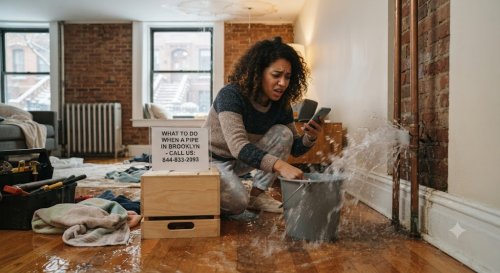
When an active pipe burst occurs, immediately turn off the localized water valve under the fixture or the main building shut-off valve and call a licensed plumber right away.
Frequently Asked Questions
Can a landlord charge a tenant for a plumber in Brooklyn?
A landlord can only charge a tenant for plumbing repairs if the damage was directly caused by tenant negligence, misuse, or deliberate damage (such as flushing wipes, foreign objects, or unapproved appliance installations). For normal wear and tear and aging pipes, the landlord must pay.
How long does a landlord have to fix a plumbing leak in NYC?
Under the NYC Housing Maintenance Code, severe leaks or a lack of hot water are classified as Class C (Immediately Hazardous) violations. Landlords are legally required to address Class C violations within 24 hours of formal notification.
What should I do if my Brooklyn landlord refuses to fix a plumbing leak?
If a landlord ignores written repair requests, tenants can call 311 to report an housing violation to NYC Housing Preservation and Development (HPD). HPD will send an inspector and may issue official violation notices or initiate an HP Proceeding in NYC Housing Court.
Can I hire my own plumber and deduct the cost from my rent in NYC?
"Repair and deduct" is legally complex in New York. Tenants should proceed with caution and consult a legal representative or tenant advocacy group before hiring their own plumber and withholding rent, as improper procedures can result in eviction proceedings.
Is a clogged toilet considered an emergency in a Brooklyn rental?
If the apartment has only one bathroom and the toilet is completely unusable or overflowing, it is considered an emergency repair under habitability standards.
Who is responsible for a leaking radiator in a rented apartment?
The landlord is 100% responsible for steam radiators, radiator valves, air vents, and heating supply lines, as these are integrated components of the building-wide heating system.
Does renter's insurance cover plumbing leaks?
Renter's insurance covers personal belongings (furniture, electronics, clothing) damaged by sudden plumbing leaks or bursts. It does not pay for the physical plumbing repair itself, which is the building owner's responsibility.
What happens if a tenant's bidet attachment causes a flood?
Because most leases restrict tenant plumbing modifications, flooding caused by an unapproved bidet attachment is considered tenant negligence. The tenant is usually liable for repair costs and water damage across affected apartments.
Can I call 311 for no hot water in Brooklyn?
Yes. NYC law mandates that landlords provide hot water at a minimum temperature of 120°F 365 days a year. If your landlord fails to restore hot water, file a complaint with 311.
How do I prove a plumbing problem was caused by age and not misuse?
A diagnostic report from a licensed master plumber provides objective evidence. Plumbers can document pipe corrosion, structural cracks, root intrusion, or age-related metal failure in their official invoice.