Brooklyn Water Heater Problems: 9 Signs to Know
Discover 9 warning signs of Brooklyn water heater problems. Learn causes, professional repair steps, replacement factors, and expert maintenance tips.
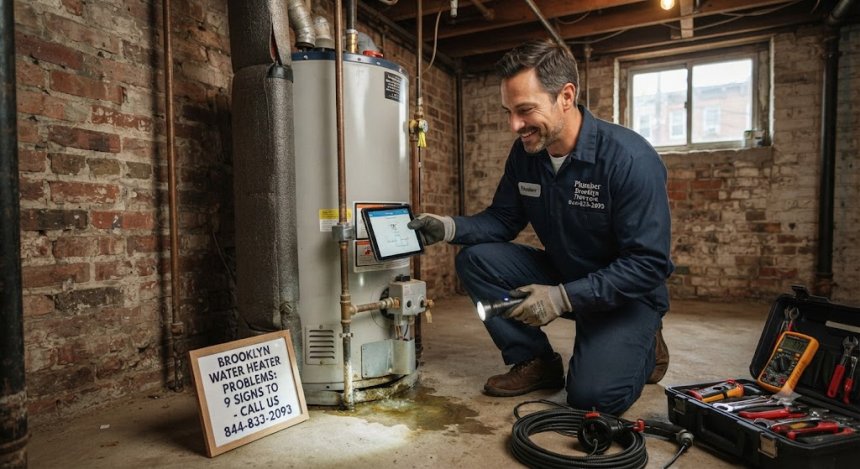
Brooklyn Water Heater Problems: 9 Signs You Need Professional Repair
Stepping into a shower on a chilly morning only to be hit by ice-cold water is an unwelcome wake-up call. For homeowners and business owners across Brooklyn, Kings County, and surrounding neighborhoods like Park Slope, Williamsburg, and Bay Ridge, a reliable water heater is essential for daily comfort and sanitation. Whether you rely on a traditional tank water heater tucked into a basement utility closet or a modern tankless unit in a brownstone, water heaters work hard under challenging local water conditions.
People search for this topic when their hot water supply suddenly vanishes or behaves erratically, raising concerns about whether the unit can be repaired or needs complete replacement. Knowing the warning signs of water heater failure helps you address small issues before they result in a flooded basement or a costly emergency replacement.
What Is a Water Heater Problem?
A water heater problem refers to any mechanical, electrical, or structural malfunction within a residential water heating system that disrupts its ability to deliver safe, hot water reliably.
Common Situations
-
Water turning lukewarm or freezing cold minutes into a shower.
-
Puddles of water pooling around the base of the storage tank.
-
Rumblings, popping, or banging noises echoing from the utility room when the burner fires.
-
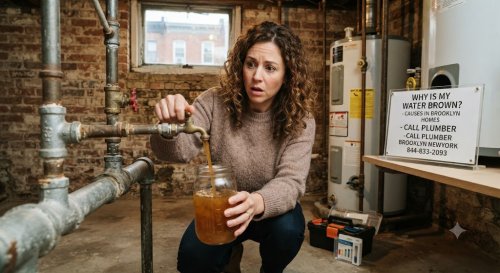
Discolored brown or rust-tinged water emerging exclusively from hot water taps.
Why Does This Plumbing Problem Happen?
Water heater failures are driven by a combination of chemical reactions, material wear, and lack of routine maintenance.
-
Hard Water Mineral Buildup (Scale): Brooklyn water contains minerals that precipitate under heat, forming thick layers of sediment sludge at the bottom of storage tanks.
-
Anode Rod Depletion: A sacrificial anode rod is designed to attract corrosive elements in the water instead of the steel tank walls; once depleted, rust rapidly eats through the tank interior.
-
Aging Components: Thermostats, heating elements, gas control valves, and pressure-relief safety valves wear out over years of continuous mechanical stress.
-
High Water Pressure: Excessive municipal water pressure puts continuous strain on the tank walls and internal fittings, leading to premature leaks.
-
Improper Installation or Venting: Poorly connected gas lines, electrical circuits, or venting flues reduce efficiency and can cause dangerous operational shutdowns.
Signs You Should Never Ignore: 9 Critical Warnings
Your water heater will almost always display clear symptoms before experiencing total breakdown. Watch out for these nine critical warning signs:
-
Total Lack of Hot Water: The most obvious sign of burner failure, electrical trip, or complete unit breakdown.
-
Inconsistent Water Temperatures: Water cycling wildly between hot and cold points toward failing thermostats or heavy sediment interference.
-
Strange Rumbling or Banging Noises: Thick sediment layers boiling at the bottom of the tank create loud popping sounds, indicating the unit is overheating.
-
Discolored or Rusty Hot Water: Brown or red water from hot taps reveals internal tank corrosion or a disintegrating anode rod.
-
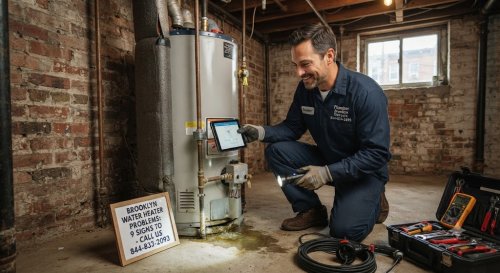
Pooling Water Around the Base: Dampness or puddles indicate a cracked tank, leaking fittings, or a tripped temperature-pressure relief valve.
-
Foul Odors (Sulfur or Rotten Egg Smell): Bacteria reacting with mineral sediment inside the tank can create unpleasant odors requiring professional flushing or anode replacement.
-
Low Hot Water Pressure: Sediment clogging outlet pipes or dip tubes restricts the volume of hot water reaching your faucets.
-
Frequent Pilot Light Outages (Gas Units): A thermocouple failure or faulty gas control valve preventing the burner from staying lit.
-
Advanced Age of the Unit: If your water heater is over 10 to 12 years old, it is operating on borrowed time and prone to sudden failure.
Common Plumbing Problems Related to This Issue
Water heater malfunctions frequently trigger or connect with broader plumbing system complications:
-
Supply Pipe Leaks: Thermal expansion stressing old solder joints and threaded pipe connections.
-
Pressure-Relief Valve Discharges: Faulty valves releasing boiling water and steam onto utility room floors.
-
Drainage Backup: Rusted drain pans failing to catch overflows, leading to structural rot.
-
Appliance Damage: Sediment debris traveling through lines and clogging faucet aerators and washing machine valves.
Step-by-Step Professional Repair Process
When you call Plumber Brooklyn Newyork to diagnose and repair water heater issues, our licensed technicians follow a structured, thorough protocol:
-
Comprehensive Safety and Unit Inspection: The plumber inspects the exterior tank, gas supply, electrical connections, and venting flues.
-
Diagnostic Testing: Technicians test heating elements, thermostats, pressure-relief valves, and thermocouple functions to pinpoint the exact failure.
-
Transparent Estimate: You receive a clear, upfront breakdown of recommended repair options versus replacement costs before any work begins.
-
Targeted Repair or Flushing: Professionals flush sediment, replace broken parts, swap out anode rods, or install a new unit.
-
Rigorous System Testing: The water heater is fully refilled, pressurized, and tested to guarantee stable hot water delivery and zero leaks.
-
Jobsite Cleanup: Work areas are thoroughly wiped down, leaving your utility space neat and organized.
-
Maintenance Advice: The technician provides practical guidance on how to flush the tank annually to extend its lifespan.
Can You Fix It Yourself?
While major water heater repairs require licensed expertise due to gas, electrical, and scalding hazards, homeowners can manage basic safety checks:
-
Safe DIY Solutions: Checking the circuit breaker to ensure a water heater breaker hasn't tripped, or verifying that the gas pilot light is lit according to manufacturer instructions.
-
Temporary Fixes: Placing a shallow catch pan under minor drip points and wrapping a towel around leaking fittings while waiting for professional help.
-
When DIY Becomes Dangerous: Attempting to repair gas lines, rewiring electric heating elements without shutting off main power, or trying to weld a leaking water heater tank wall.
-
When Professional Plumbing is Necessary: Whenever you spot active water leaks coming from the tank body, experience complete hot water loss, or smell gas.
Tools Professionals Use
Specialized equipment allows modern plumbers to service and diagnose water heater problems accurately:
-
Multimeters: Test electrical resistance and voltage across heating elements and thermostats.
-
Pressure and Temperature Test Gauges: Verify that safety relief valves operate within safe regulatory limits.
-
Thermal Imaging Cameras: Detect internal tank hotspots and evaluate insulation efficiency.
-
Tank Flushing Rigs: High-flow pump systems that scour stubborn mineral sludge from storage basins efficiently.
How Long Does the Repair Usually Take?
Timelines for water heater services vary based on the complexity of the job:
-
Simple Repairs (e.g., replacing a thermostat, heating element, or thermocouple): 1 to 2 hours.
-
Moderate Maintenance (e.g., flushing heavy sediment and replacing an anode rod): 1.5 to 3 hours.
-
Major Replacement (e.g., swapping out an entire tank or upgrading to a tankless system): 3 to 6 hours.
-
Factors Affecting Time: Unit accessibility in tight utility closets, gas line modifications, and venting updates required by modern codes.
Cost Factors for Water Heater Services
Plumbing repair and replacement costs depend on several distinct variables. Estimates are tailored to your property:
-
Nature and severity of the mechanical failure.
-
Accessibility of the unit in the building layout.
-
Type and capacity of the water heater (tank vs. tankless, gas vs. electric).
-
Emergency service dispatch timing (after-hours, weekends, or holidays).
-
Property type (historic brownstone, multi-family apartment, or single-family home).
-
Local labor rates and municipal permit fees if code upgrades are required.
Hidden Truths Homeowners Should Know
-
A leaking water heater tank almost always indicates structural metal failure; tank walls cannot be safely patched and require full unit replacement.
-
Standard homeowner insurance policies may deny water damage claims if flooding stems from an unmaintained, severely rusted water heater past its manufacturer lifespan.
-
Flushing your water heater tank once a year removes heavy mineral sludge and can double the operational lifespan of the unit.
-
Setting your water heater thermostat above 120 degrees Fahrenheit accelerates mineral scale accumulation and increases scalding risks.
-
Ignoring strange rumbling noises from your water heater guarantees premature tank burnout and emergency failure.
15 Common Mistakes Homeowners Make
-
Ignoring minor rumbling or popping noises until the tank fails completely.
-
Failing to flush the water heater tank annually to remove sediment.
-
Setting water heater thermostats dangerously high.
-
Hiring unlicensed handymen to install gas water heaters, violating building codes.
-
Skipping annual inspection of the sacrificial anode rod.
-
Waiting until freezing winter weather to service an aging water heater.
-
Ignoring slow, minor drips from tank fittings or relief valves.
-
Attempting dangerous DIY gas line or high-voltage electrical repairs.
-
Failing to install a proper thermal expansion tank where required by local code.
-
Overlooking discolored hot water as a normal temporary occurrence.
-
Not knowing the exact age or warranty status of their water heater.
-
Blocking access to the utility room with stored household items.
-
Assuming tankless water heaters require zero maintenance.
-
Turning on an electric water heater before the tank is fully filled with water, burning out elements instantly.
-
Neglecting to register new water heater installations for manufacturer warranties.
Maintenance Tips to Protect Your Property
-
Flush your water heater tank once a year to remove corrosive mineral sediment and maintain heating efficiency.
-
Inspect your sacrificial anode rod every two to three years and replace it before it completely deteriorates.
-
Test your temperature-pressure relief (TPR) valve annually by lifting the lever briefly to ensure it releases and snaps closed properly.
-
Keep the area around your water heater clean and free of flammable materials like paints, chemicals, and paper.
-
Set your water heater thermostat to a safe, efficient 120 degrees Fahrenheit.
-
Insulate older storage tanks with an approved fiberglass blanket jacket to reduce standby heat loss.
-
Insulate hot water pipes leading away from the unit to maintain water temperature and save energy.
-
Check for signs of external moisture or rust around tank seams twice a year.
-
Know the location of your water heater cold water shut-off valve so you can stop leaks instantly.
-
Schedule an annual professional plumbing checkup for your entire home water system.
-
Monitor your hot water recovery time for signs of failing heating elements or burners.
-
Consider installing a drain pan and a smart water leak detector beneath the unit.
-
Ensure proper combustion air and venting clearance around gas-fired units.
-
Keep contact information for a trusted local emergency plumber saved in your phone.
-
Plan for proactive replacement when your water heater reaches 10 to 12 years of age.
When Should You Call an Emergency Plumber?
Certain water heater scenarios demand immediate professional intervention, day or night:
-
Catastrophic Tank Rupture: The tank wall splits or bursts, flooding your basement or utility room with hundreds of gallons of water.
-
Gas Leaks or Pilot Failure Odors: You smell natural gas or sulfur around the unit (evacuate immediately and call emergency services).
-
Severe Scalding Water: Water temperature spikes out of control due to a stuck thermostat, creating dangerous burn hazards.
-
Electrical Sparks or Smoke: Electrical components arc or smoke, creating an immediate fire hazard.
Frequently Asked Questions
Why is my water heater making a loud popping noise?
Loud popping or rumbling noises are caused by water trapped beneath thick layers of hard water mineral sediment boiling at the bottom of the tank.
How much does professional water heater repair cost?
Repair costs vary widely depending on whether you need a simple part replacement (like a thermostat or element) or a complete tank replacement. Contact us directly for transparent pricing.