Galvanized Pipe Replacement in Brooklyn Homes
Learn when galvanized pipe replacement is necessary in your Brooklyn home. Discover corrosion signs, causes, expert repiping, and tips.
Galvanized Pipe Replacement in Brooklyn: When Is It Necessary?
Owning a property in Brooklyn means appreciating architectural history, from classic brownstones in Park Slope and Brooklyn Heights to charming homes in Flatbush and Bay Ridge. However, living in historic New York real estate also means inheriting vintage infrastructure. Many older properties throughout Kings County still rely on galvanized steel plumbing installed decades ago. Over time, these aging metal lines undergo chemical degradation, resulting in severely restricted water flow and unexpected leaks.
People search for this topic when their water pressure drops to a trickle or rusty water stains their laundry, raising critical questions about whether simple repairs will suffice or if a complete repiping project is required. Understanding why galvanized pipes fail and knowing when replacement becomes mandatory protects your home from severe water damage.
What Is Galvanized Pipe Corrosion?
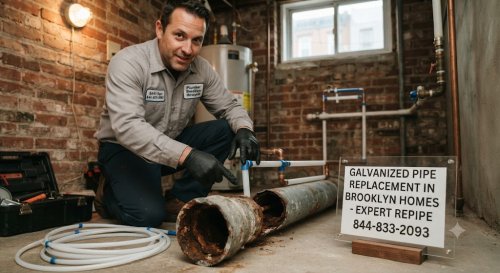
Galvanized pipes are steel pipes that have been dipped in a protective zinc coating to prevent rusting. However, after 40 to 60 years of continuous exposure to water and minerals, that protective zinc layer completely erodes away, exposing the bare steel underneath to progressive internal oxidation and scaling.
Common Situations
-
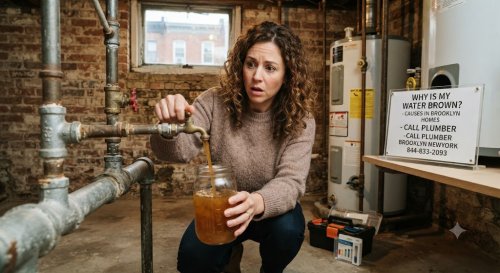
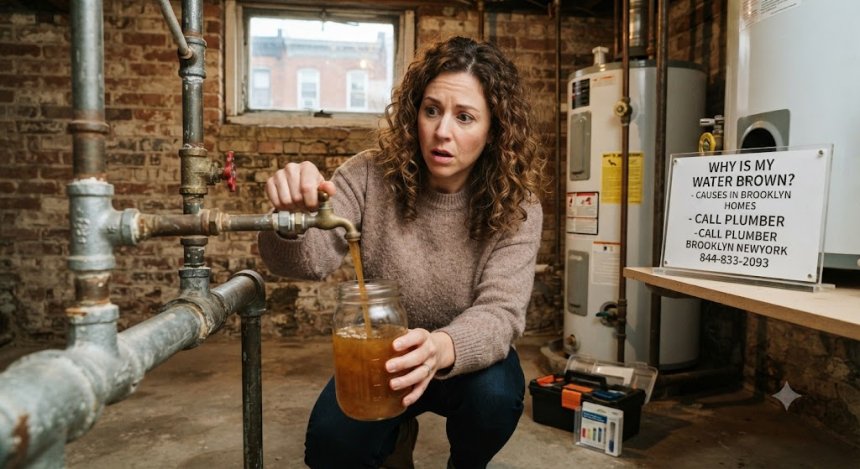
Water turning dark brown or rust-colored for several seconds every time a faucet is opened after sitting unused overnight.
-
Kitchen or bathroom sinks experiencing a sudden, dramatic drop in water pressure while other homes in the neighborhood flow normally.
-
Pinholes developing unexpectedly along exposed pipe runs in the basement utility room.
-
Banging or vibrating noises occurring inside walls whenever water is turned on or off rapidly.
Why Does This Plumbing Problem Happen?
Galvanized pipe failure is an inevitable chemical reality driven by the aging of metal infrastructure.
-
Decades of Internal Oxidation: Continuous contact with oxygen and dissolved minerals in municipal water causes iron to oxidize, creating thick layers of internal rust scale.
-
Hard Water Mineral Build-up: Hard water precipitates mineral deposits that cling to rough rust surfaces, shrinking the internal diameter of the pipe until water flow is choked off entirely.
-
Galvanic Corrosion: Mixing dissimilar metals—such as attaching modern copper pipes directly to older galvanized steel without a dielectric union—accelerates electrochemical corrosion.
-
High Municipal Water Pressure: Excessive city water pressure places continuous mechanical stress on thinning, corroded pipe walls, leading to stress cracks and leaks.
-
Poor Maintenance and Age: Reaching the end of the material's structural lifespan, making minor patches ineffective.
Signs You Should Never Ignore
Ignoring the early distress signals of failing galvanized pipes almost always leads to major plumbing emergencies. Watch out for these red flags:
-
Discolored or Rusty Tap Water: A persistent yellow, red, or brown tint in your water indicates heavy iron scaling inside your supply lines.
-
Critically Low Water Pressure: When multiple fixtures experience weak flow, internal pipe narrowing has reached an advanced stage.
-
Flaking or Bubbly Exterior Corrosion: Visible rust bubbles, flaking metal crusts, or damp weeping patches on basement pipes.
-
Unexplained Spikes in Water Bills: A climbing utility bill strongly suggests hidden pinhole leaks are wasting water inside wall cavities.
-
Frequent Minor Leaks: Patching one leak on an old galvanized line often triggers another leak nearby due to overall metal fatigue.
Common Plumbing Problems Related to This Issue
Allowing corroded galvanized piping to remain in service triggers a cascade of secondary property complications:
-
In-Wall Pinhole Leaks: Rotted pipe walls giving way behind finished plaster or drywall, causing extensive structural rot.
-
Appliance Malfunctions: Rust flakes and mineral debris traveling through lines and clogging washing machine inlet valves, dishwashers, and shower cartridges.
-
Water Heater Starvation: Restricted water volume entering and exiting storage tanks, reducing heating efficiency and damaging elements.
-
Complete System Failure: Sudden major pipe ruptures flooding multi-level homes or apartment buildings.
Step-by-Step Professional Repair Process
When you call Plumber Brooklyn Newyork to evaluate or replace aging galvanized plumbing, our licensed technicians follow a thorough, methodical workflow:
-
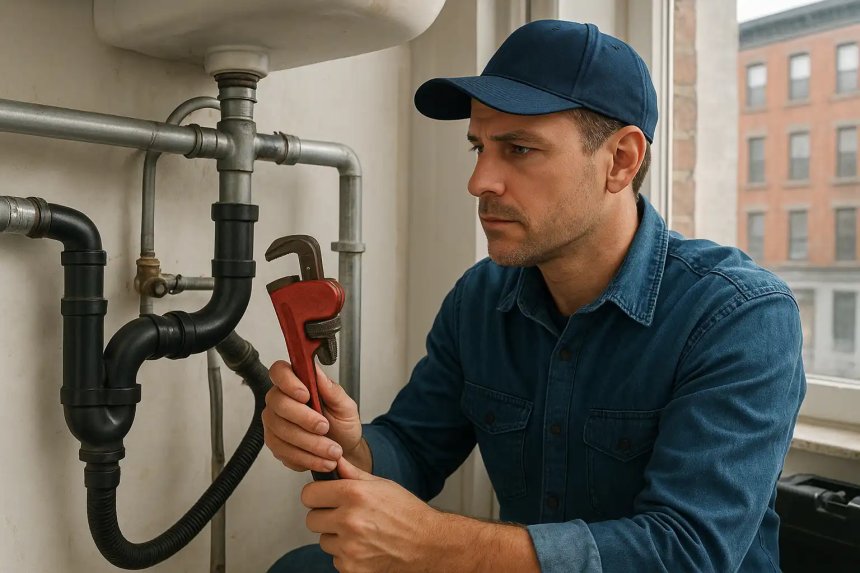
Comprehensive System Inspection: The plumber inspects all visible supply lines, shut-off valves, water pressure levels, and fixture flow rates.
-
Diagnostic Evaluation: Technicians determine the extent of internal corrosion and assess whether targeted repairs or whole-house repiping is necessary.
-
Transparent Estimate: You receive a clear, upfront breakdown of recommended repiping scopes, modern PEX or copper materials, and labor costs.
-
Precision Repiping: Professionals systematically replace old galvanized lines with modern, corrosion-resistant PEX or copper piping, minimizing wall disruption.
-
Rigorous System Testing: The new plumbing network is fully pressurized and tested to verify robust water pressure and zero leaks.
-
Jobsite Cleanup: Work areas are meticulously tidied and sanitized, leaving your home clean and orderly.
-
Maintenance Advice: The technician provides practical tips on protecting your new plumbing system and maintaining water quality.
Can You Fix It Yourself?
While minor maintenance tasks can be handled by homeowners, galvanized pipe replacement is strictly a job for licensed professionals.
-
Safe DIY Solutions: Cleaning out surface rust on exterior pipe sections with a wire brush or checking visible shut-off valves for smooth operation.
-
Temporary Fixes: Applying a temporary rubber repair clamp to a minor pinhole leak while waiting for professional help to arrive.
-
When DIY Becomes Dangerous: Trying to cut, thread, or weld old, brittle galvanized steel pipes with heavy machinery without professional training, or attempting major home repiping.
-
When Professional Plumbing is Necessary: Whenever your home suffers from chronic low pressure, discolored water, or recurring leaks in aging steel lines.
Tools Professionals Use
Specialized equipment allows modern plumbers to execute precise diagnostic evaluations and clean pipe replacements:
-
Pressure Testing Gauges: Measure exact water pressure levels across the home to ensure safe operational limits.
-
Pipe Threading and Cutting Machinery: Heavy-duty tools required to size and thread steel or transition fittings accurately.
-
PEX Expansion and Copper Press Tools: Advanced joining technology that creates secure, flame-free connections rapidly.
-
Pipe Inspection Cameras: Scopes used to check branch lines and verify internal cleanliness during upgrades.
How Long Does the Repair Usually Take?
Timelines for galvanized pipe replacement vary depending on the scope of the project:
-
Targeted Pipe Replacement (e.g., swapping a corroded section under a sink or in the basement): 2 to 4 hours.
-
Partial Repiping (e.g., upgrading a single bathroom or kitchen supply riser): 1 to 2 days.
-
Whole-House Repiping (e.g., replacing all galvanized supply lines in a multi-story home): 3 to 5 days.
-
Factors Affecting Time: Accessibility of pipes inside historic walls, building layout, and permit requirements.
Cost Factors for Repiping Services
Plumbing replacement and repiping costs depend on several distinct variables. Estimates are tailored to your property:
-
Scope of the replacement (targeted repair vs. partial repiping vs. whole-house repiping).
-
Accessibility of pipes behind historic plaster, tile, or finished cabinetry.
-
Materials chosen for replacement (modern flexible PEX tubing vs. rigid copper piping).
-
Emergency service dispatch timing (after-hours, weekends, or holidays).
-
Property type (historic brownstone, multi-family apartment building, or single-family home).
-
Local labor rates and municipal permit fees across the New York area.
Hidden Truths Homeowners Should Know
-
Applying a temporary clamp or patch to a corroded galvanized pipe is only a short-term band-aid; the surrounding metal is equally thin and will soon spring new leaks.
-
Standard homeowner insurance policies typically do not cover water damage caused by long-term, neglected plumbing corrosion and wear.
-
Trying to clear internal rust scale in galvanized pipes using chemical drain or pipe cleaners is ineffective and can damage remaining metal walls.
-
Whole-house repiping dramatically increases your property value and eliminates the constant stress of unexpected midnight pipe leaks.
-
Annual plumbing inspections allow you to catch pipe thinning before it causes catastrophic structural flooding.
15 Common Mistakes Homeowners Make
-
Ignoring discolored or rusty water as a normal quirk of an older home.
-
Waiting until multiple pipes burst before planning a whole-house repipe.
-
Hiring unlicensed handymen to patch high-pressure supply lines.
-
Mixing copper and galvanized steel pipes directly without using dielectric unions, accelerating corrosion.
-
Relying on cheap, temporary rubber clamps for long-term pipe repair.
-
Failing to test home water pressure, leaving aging pipes vulnerable to high-pressure stress.
-
Assuming low water pressure can be fixed simply by changing the showerhead.
-
Over-tightening old, brittle threaded fittings, causing sudden joint snaps.
-
Not knowing the location of the main water shut-off valve to stop leaks instantly.
-
Skipping annual plumbing checkups and visual pipe assessments.
-
Using incorrect pipe diameters during partial DIY repairs, restricting flow further.
-
Neglecting to check whether insurance policies cover corroded pipe water damage.
-
Painting over rusted basement pipes instead of addressing the underlying decay.
-
Trying to solder or thread vintage steel lines without proper professional tools.
-
Delaying scheduled repiping projects until an emergency forces an expensive rush job.
Maintenance Tips to Protect Your Property
-
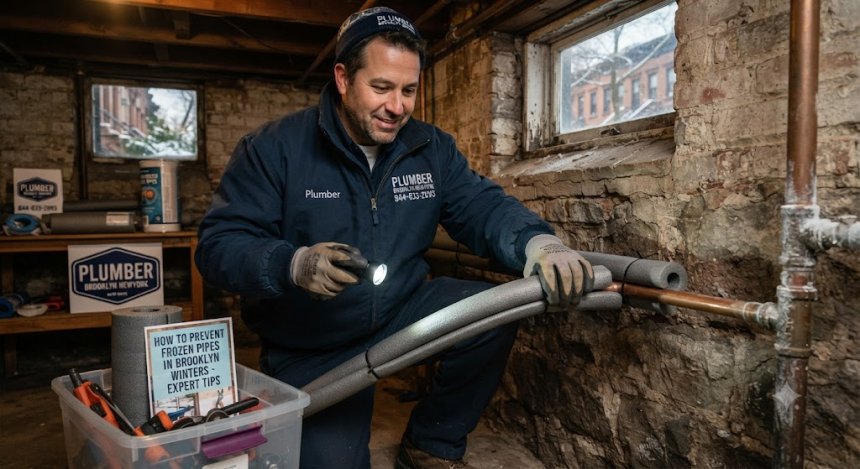
Inspect all visible basement and utility water lines twice a year for signs of rust bubbles, dampness, or flaking metal.
-
Test your home's water pressure regularly; install a pressure-reducing valve if readings exceed 80 psi to protect aging pipes.
-
Know the exact location of your main water shut-off valve and ensure every adult in the household can operate it.
-
Monitor your water bills monthly for unexpected, unexplained increases that indicate hidden pinhole leaks.
-
If your home contains aging galvanized pipes, consult with a licensed plumber to plan a proactive repiping strategy.
-
Never attach copper pipes directly to galvanized steel without a dielectric union to prevent accelerated galvanic corrosion.
-
Flush your water heater annually to reduce sediment stress on your incoming supply lines.
-
Keep contact information for a trusted local emergency plumber saved in your mobile phone.
-
Watch for sudden drops in water pressure across multiple faucets as a warning sign of internal scaling.
-
Avoid using harsh chemical cleaners on aging supply lines.
-
Ensure that any partial plumbing repairs use compatible, modern materials.
-
Keep utility areas well-ventilated to reduce moisture accumulation and external pipe rusting.
-
Schedule an annual comprehensive plumbing inspection with a licensed professional.
-
Address minor drips or weeping joints immediately before they escalate into major pipe failures.
-
Invest in whole-house repiping before selling or majorly renovating your historic home.
When Should You Call an Emergency Plumber?
While scheduling a repiping consultation can typically wait for normal business hours, certain scenarios demand immediate professional intervention:
-
Burst Supply Line: A corroded galvanized pipe splits open, spraying water uncontrollably into your living space or utility room.
-
Total Loss of Water Pressure: Your home loses water flow completely due to a major internal pipe collapse or main blockage.
-
Severe Ceiling or Wall Leaks: Water is actively pouring through drywall or framing from a hidden corroded pipe failure.
-
Uncontrollable Flooding: Major leaks threaten electrical panels, flooring, or structural supports.
Frequently Asked Questions
How long do galvanized water pipes typically last?
Galvanized steel pipes generally last between 40 to 60 years before internal corrosion, rust scaling, and mineral buildup compromise their structural integrity.
How much does galvanized pipe replacement cost?
Costs vary widely depending on whether you need a targeted repair, a partial repipe, or a whole-house repiping project. Contact us directly for transparent pricing.