How Tree Roots Damage Sewer Pipes in Brooklyn
Learn how tree roots damage sewer pipes in your Brooklyn home. Discover warning signs, causes, professional repair, and expert prevention tips.
How Tree Roots Can Damage Sewer Pipes in Brooklyn
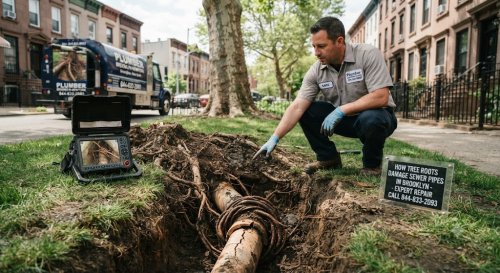
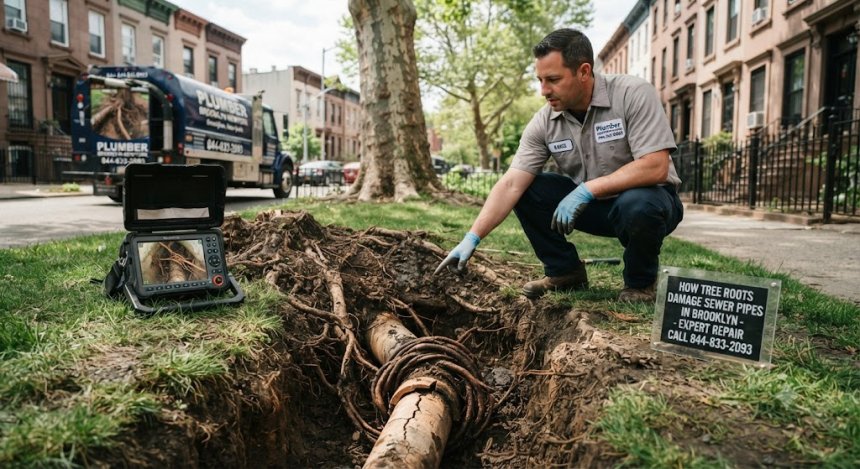
Brooklyn is famous for its gorgeous, mature street trees, leafy residential blocks, and historic brownstone neighborhoods like Park Slope, Flatbush, and Brooklyn Heights. While these canopy trees enhance property aesthetics and property values, their sprawling root systems often wage a silent war underground. Beneath your manicured lawn or sidewalk lies your home's private sewer lateral—the underground pipe carrying all household wastewater out to the municipal main. Tree roots are naturally attracted to the warmth, moisture, and nutrient-rich vapor escaping from underground sewer pipes, leading to severe root intrusion.
People search for this topic when their home plumbing begins to back up repeatedly, or when they notice foul odors and soggy patches in their yards. Understanding how tree roots infiltrate sewer lines and knowing how to address the issue can save you from catastrophic property damage.
What Is Sewer Root Intrusion?
Sewer root intrusion occurs when underground tree roots make contact with a sewer pipe, detect moisture leaking from microscopic cracks or loose pipe joints, and aggressively force their way inside to feed.
Common Situations
-
Roots entering through tiny hairline fractures in aging clay or cast-iron sewer lateral pipes.
-
Hair-like root masses expanding inside a main drain line until they form a dense net that catches toilet paper, grease, and waste.
-
A sewer line completely collapsing under the crushing weight of massive root growth combined with shifting soil.
-
Wastewater backing up into basement floor drains every time multiple plumbing fixtures are used upstairs.
Why Does This Plumbing Problem Happen?
Root damage is driven by biological urges combined with aging infrastructure and soil mechanics.
-
Natural Plant Biology: Tree roots constantly search for water and nutrients; sewer pipes release water vapor and condensation that act as a beacon for thirsty roots.
-
Aging and Fragile Pipe Materials: Many older Brooklyn properties feature vintage clay, Orangeburg, or unsealed cast-iron sewer pipes whose joints easily separate or crack over decades.
-
Minor Pipe Seepages: Even a microscopic pinhole leak or slight shifting at a pipe coupling provides enough moisture to trigger aggressive root attraction.
-
Soil Settling and Pressure: Shifting urban soil around mature street trees puts physical stress on underground lateral lines, opening gaps for roots to exploit.
-
Poor Maintenance: Failing to perform periodic camera inspections allows early root strikes to multiply into massive blockages unchecked.
Signs You Should Never Ignore
Tree roots rarely damage a sewer pipe overnight; they give subtle warning signs long before a total collapse occurs. Watch out for these red flags:
-
Multiple Slow Draining Fixtures: If your kitchen sink, bathtub, and toilet all drain sluggishly at the same time, the restriction is likely deep in your main sewer lateral.
-
Gurgling Toilet Drains: Air trapped behind a root-choked sewer line escapes upward through toilet traps, causing a distinct gurgling sound.
-
Frequent Wastewater Backups: Water or raw sewage backing up into basement floor drains or ground-floor tubs after heavy water usage.
-
Foul Odors in the Yard: Unpleasant sewage smells lingering around your lawn or patio, indicating a cracked or broken underground sewer lateral.
-
Soggy Patches on the Lawn: An area of your yard that remains unusually wet, lush, or sunken during dry summer weather points to a leaking sewer pipe underneath.
Common Plumbing Problems Related to This Issue
Allowing tree root damage to persist unchecked triggers a series of severe residential complications:
-
Total Sewer Line Collapses: Dense root masses expanding inside pipes exert outward pressure that cracks and crushes pipe walls completely.
-
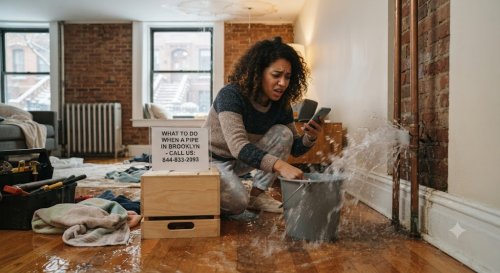
Raw Sewage Flooding: Unsanitary wastewater overflowing into basements, creating biological health hazards and destroying property.
-
Foundation Sub-Base Erosion: Leaking sewer water washing away supporting soil beneath foundation footings and concrete slabs.
-
Branch Drain Backups: Multi-story plumbing systems failing to discharge wastewater because the main exit path is blocked.
Step-by-Step Professional Repair Process
When you call Plumber Brooklyn Newyork to diagnose and repair tree root damage, our licensed technicians follow a thorough, precise methodology:
-
High-Definition Camera Inspection: The plumber threads a fiber-optic camera into your sewer lateral to pinpoint the exact location and density of the root intrusion.
-
Diagnostic Evaluation: Technicians determine whether the pipe can be salvaged via cleaning and lining or if structural replacement is required.
-
Transparent Estimate: You receive a clear, upfront breakdown of recommended repair options, materials, and labor costs before work begins.
-
Root Clearing or Trenchless Repair: Professionals clear the roots using high-pressure hydro jetting or perform trenchless pipe lining to seal out roots permanently.
-
Rigorous Post-Repair Testing: The sewer line is re-scoped with a camera and flow-tested to ensure smooth wastewater discharge and zero obstructions.
-
Jobsite Cleanup: Work areas are thoroughly tidied and sanitized, leaving your property in pristine condition.
-
Prevention Advice: The technician provides expert guidance on root barriers and maintenance schedules.
Can You Fix It Yourself?
While major root intrusion requires professional equipment, homeowners can take safe introductory steps:
-
Safe DIY Solutions: Using mechanical augers for minor, temporary branch clogs, or applying root-killing foaming treatments designed for residential toilets (following product directions carefully).
-
Temporary Fixes: Limiting heavy water usage during active backups to prevent basement overflow while waiting for professional dispatch.
-
When DIY Becomes Dangerous: Renting heavy industrial root-cutting machines without experience (which can twist and break inside pipes, destroying the line), or digging blindly in yards without utility markouts.
-
When Professional Plumbing is Necessary: Whenever you experience recurring main sewer backups, foul yard odors, or camera footage showing structural pipe cracks.
Tools Professionals Use
Professional plumbers utilize advanced diagnostic and clearing technology to resolve root damage accurately:
-
Fiber-Optic Sewer Cameras: High-resolution scopes that travel hundreds of feet down lateral lines to display exact root blockages and pipe cracks.
-
Hydro Jetting Equipment: High-pressure water streams equipped with specialized rotating root-cutting nozzles that scour pipe interiors completely clean.
-
Motorized Cable Rooters: Heavy-duty mechanical augers equipped with cutting blades to slice through thick, woody root masses.
-
Trenchless Pipe Lining Equipment: Epoxy resin liners that coat the inside of damaged pipes, creating a seamless, root-proof new pipe without digging up lawns.
How Long Does the Repair Usually Take?
Timelines for addressing root-damaged sewer lines depend on the chosen repair method:
-
Diagnostic Camera Scoping: 30 to 60 minutes.
-
Standard Root Clearing and Hydro Jetting: 1 to 2 hours.
-
Trenchless Pipe Lining Repair: 1 to 2 days.
-
Major Traditional Excavation and Replacement: 2 to 4 days depending on depth and sidewalk permits.
-
Factors Affecting Time: Depth of the sewer lateral, municipal street access, and severity of structural pipe collapse.
Cost Factors for Sewer Line Repairs
Plumbing repair and sewer remediation costs depend on several distinct variables. Estimates are tailored to your property:
-
Severity and structural scope of the root damage.
-
Accessibility of the underground sewer lateral (e.g., beneath concrete, landscaping, or public pavement).
-
Repair method required (hydro jetting vs. trenchless lining vs. traditional excavation).
-
Emergency service dispatch timing (after-hours, weekends, or holidays).
-
Property type (historic brownstone, multi-family unit, or detached home).
-
Local labor rates and municipal permit fees for street or sidewalk openings.
Hidden Truths Homeowners Should Know
-
Chemical root killers sold in retail stores only kill roots currently touching the chemical; they do not remove the blockage or seal the pipe cracks letting roots back in.
-
Tree roots will continuously return to the exact same sewer pipe joint year after year until the damaged pipe section is structurally repaired or lined.
-
Standard homeowner insurance policies typically do not cover underground sewer line damage caused by tree roots unless you carry a specific utility line coverage rider.
-
Ignoring slow main drains allows root masses to expand until they crack and crush your sewer pipe completely, leading to costly emergency excavations.
-
Annual preventive hydro jetting and camera inspections save property owners thousands of dollars in emergency sewer backup damage.
15 Common Mistakes Homeowners Make
-
Ignoring slow-draining basement fixtures until a total sewage backup occurs.
-
Relying solely on retail chemical root killers to solve major structural root intrusion.
-
Planting large trees with aggressive root systems too close to underground sewer lateral paths.
-
Hiring unlicensed handymen who lack professional camera and hydro jetting equipment.
-
Skipping annual sewer camera inspections, especially on older properties with mature street trees.
-
Flushing wipes and hygiene products down toilets that catch on minor root intrusions, causing instant clogs.
-
Waiting until raw sewage overflows into living spaces before calling a professional.
-
Attempting to clear heavy root masses with a basic consumer hand snake.
-
Failing to check if utility lines are marked before digging in the yard.
-
Using incorrect replacement pipe materials during DIY yard plumbing patches.
-
Assuming a healthy, beautiful lawn means your underground sewer lines are safe from roots.
-
Over-tightening pipe fittings or misaligning couplings during amateur repairs.
-
Neglecting to check whether municipal sewer connections are shared with neighbors.
-
Forgetting to verify if their insurance policy includes underground utility coverage.
-
Delaying permanent pipe repairs after temporary root clearing, leading to repeated backups.
Maintenance Tips to Protect Your Property
-
Schedule an annual professional sewer camera inspection to catch root intrusion in its earliest, most treatable stages.
-
Plant large trees and shrubs at least 15 to 20 feet away from your home's underground sewer lateral path.
-
Choose slow-growing trees with non-invasive root systems if landscaping near utility lines.
-
Never flush wet wipes, paper towels, or feminine hygiene products down your toilets, as they snag easily on tree roots.
-
Avoid pouring cooking grease or oils down kitchen drains, which combine with root masses to form dense blockages.
-
Consider having your sewer lines hydro-jetted proactively every few years if you live near mature street trees.
-
Ask a licensed plumber about installing root barriers in your yard between large trees and sewer lines.
-
Monitor your drainage speeds across all ground-floor and basement fixtures for subtle performance drops.
-
Know the exact route of your sewer lateral from your house to the street connection.
-
Keep emergency contact numbers for a trusted local plumber saved in your mobile phone.
-
Inspect your basement floor drains regularly for signs of bubbling or dampness.
-
Review your homeowner insurance policy to add an underground utility line protection rider.
-
Consult a licensed professional before planting new trees near your front yard plumbing lines.
-
Never use harsh chemical drain openers on root-choked sewer lines, as they risk splashing dangerous chemicals.
-
Address slow drains immediately before they turn into midnight sewage emergencies.
When Should You Call an Emergency Plumber?
Certain root intrusion scenarios demand immediate professional intervention, day or night:
-
Total Sewage Backups: Raw wastewater is overflowing from basement floor drains or toilets across your home.
-
Complete Loss of Drainage: No plumbing fixtures in the house will drain, and water pools instantly when taps are opened.
-
Foul Sewage Odors Inside Living Spaces: Strong, unescapable sewage gases permeate your home due to a broken sewer line vent or pipe collapse.
-
Major Yard Subsidence: A sinkhole or collapsing depression forms in your lawn along the path of your sewer lateral.
Frequently Asked Questions
How do tree roots get inside sewer pipes?
Tree roots detect moisture vapor escaping from tiny hairline cracks, loose joints, or minor pipe fractures, and force their way inside through those gaps.
How much does professional sewer line root clearing cost?
Costs vary depending on whether the line can be cleared with hydro jetting or requires trenchless lining/excavation. Contact us directly for transparent pricing.