What to Do When a Pipe Bursts in Brooklyn
Discover critical steps to take when a pipe bursts in your Brooklyn apartment. Learn causes, emergency fixes, and when to call local experts.

What to Do When a Pipe Bursts in Your Brooklyn Apartment
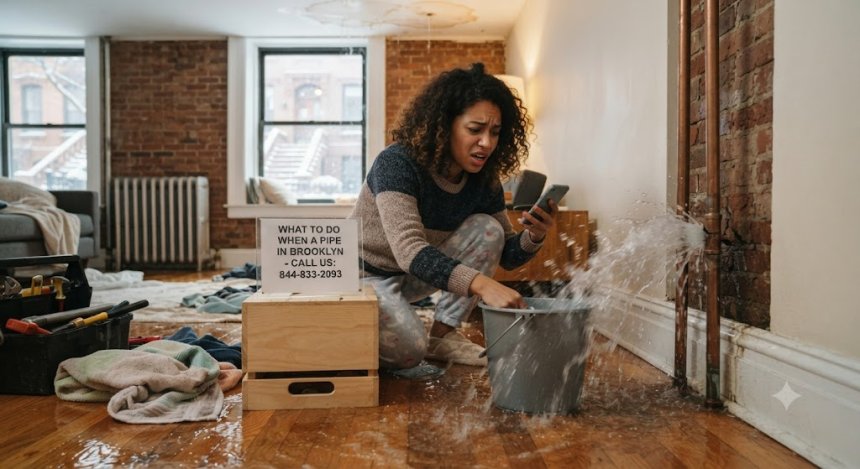
Hearing the sudden, rushing sound of water inside a wall or discovering a pool rapidly forming across your hardwood floors is every tenant and property owner's worst nightmare. For residents across Brooklyn, Kings County, and nearby neighborhoods like Williamsburg, Crown Heights, and Park Slope, dealing with a burst pipe is an high-stakes emergency. Whether you live in a historic pre-war apartment building with antique piping or a newly constructed condominium, a major pipe rupture can release hundreds of gallons of water in minutes, threatening structural integrity and personal belongings.
People search for this topic when panic sets in and they need immediate, actionable steps to stop the flooding and minimize property damage. Knowing how to react in the first few minutes can save you from thousands of dollars in restoration costs.
What Is a Burst Pipe?
A burst pipe refers to a major structural failure in a pressurized water supply line where the pipe wall splits, cracks completely open, or a fitting blows apart, causing water to gush or spray uncontrollably into the living space.
Common Situations
-
Water spraying violently out of a wall cavity or ceiling space after an uninsulated pipe thaws out following a deep winter freeze.
-
An aging metal supply line failing abruptly under high water pressure, flooding a kitchen or bathroom floor.
-
A corroded connector snapping beneath a vanity sink while nobody is home, soaking cabinetry and subflooring.
-
Water pouring down through a ceiling light fixture from an upstairs neighbor's broken plumbing line.
Why Does This Plumbing Problem Happen?
Pipe bursts are driven by extreme environmental conditions, material degradation, and unchecked internal pressures.
-
Freezing Temperatures: Water expands by nine percent when turning to ice; during harsh Brooklyn winters, uninsulated pipes freeze and shatter under the resulting hydraulic pressure.
-
Aging and Corroded Pipes: Vintage galvanized steel and old copper pipes thin out over decades as internal mineral reactions eat through the metal walls until they fail.
-
Excessive Water Pressure: High municipal water pressure puts continuous, excessive strain on pipe joints, elbows, and soldered connections until they rupture.
-
Poor Installation or Material Mismatches: Incompatible pipe metals or improper joining techniques create weak stress points that give way over time.
-
Physical Damage: Accidental punctures from remodeling, or heavy structural shifting of building foundations.
Signs You Should Never Ignore
Pipes rarely burst without giving prior warnings, though those signals are easy to overlook if you aren't paying attention. Watch out for these red flags:
-
Sudden Drops in Water Pressure: A sharp, unexplained decline in flow across your apartment indicates a major internal restriction or leaking break.
-
Banging or Clanking Sounds: Loud water hammer noises when closing faucets quickly point to loose pipes under high stress.
-
Damp Walls or Ceiling Stains: Water rings or bubbling paint signal slow weeping leaks that can quickly escalate into full bursts.
-
Musty, Moldy Odors: Hidden moisture pooling behind walls or beneath flooring feeds mold colonies rapidly.
-
Unexplained Spikes in Water Bills: A climbing utility bill without increased usage strongly suggests water is escaping somewhere out of sight.
Common Plumbing Problems Related to This Issue
A burst pipe triggers a cascading series of secondary residential complications:
-
Severe Structural Rot: Water soaking wooden floor joists, subflooring, and drywall compromises the load-bearing capacity of the building.
-
Electrical Short Circuits and Fire Hazards: Water intersecting with outlets, lighting fixtures, or circuit breaker panels.
-
Extensive Mold Growth: Toxic mold spores multiplying aggressively inside humid wall cavities within 24 to 48 hours.
-
Tenant and Neighbor Damage: Water cascading downward into multi-family apartments below, causing widespread property loss.
Step-by-Step Professional Repair Process
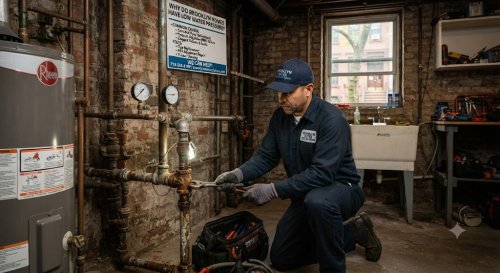
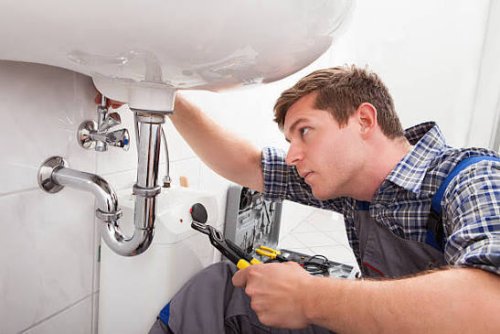
When you call Plumber Brooklyn Newyork to handle a burst pipe emergency, our licensed technicians follow a rapid, disciplined protocol:
-
Immediate Emergency Shut-Off: The plumber confirms the main water supply is shut down to stop active flooding instantly.
-
Damage Inspection and Safety Check: Technicians assess the structural safety of the area and check for electrical hazards before working.
-
Transparent Estimate: You receive a clear, upfront breakdown of required pipe replacement options, materials, and labor costs.
-
Precision Repair or Repiping: Professionals cut away the ruptured pipe section and install durable, modern replacement piping (such as PEX or copper).
-
Rigorous System Testing: The plumbing system is re-pressurized and monitored extensively to guarantee zero leaks.
-
Jobsite Cleanup: Work areas are tidied, and professional extraction equipment is coordinated to remove standing water.
-
Prevention Advice: The technician provides expert guidance on preventing future cold-weather or pressure-related bursts.
Can You Fix It Yourself?
While you cannot perform a permanent pipe replacement during a gusher, homeowners can take critical initial control steps:
-
Safe DIY Solutions: Immediately locating and turning off your apartment or building’s main water shut-off valve, and shutting off the electrical breaker if water is near outlets.
-
Temporary Fixes: Wrapping a rubber repair clamp or heavy silicone tape tightly around a minor pinhole leak while waiting for professional help to arrive.
-
When DIY Becomes Dangerous: Trying to torch-solder a wet, actively gushing pipe, working near exposed electrical wires in a flooded room, or using chemical sealants on pressurized supply lines.
-
When Professional Plumbing is Necessary: Whenever a pipe has fully burst, split open, or is located inside closed walls or ceilings.
Tools Professionals Use
Emergency plumbing repairs require advanced technology to execute fast, accurate restorations:
-
Pipe Extractor and Cutting Tools: Specialized saws and wrenches to cleanly remove damaged metal or plastic pipe sections.
-
PEX Expansion and Pro-Press Tools: Advanced crimping and pressing technology that creates permanent, flameless pipe connections in minutes.
-
Electronic Leak Detectors: Acoustic sensors that verify no other hidden secondary leaks exist in the apartment network.
-
Industrial Submersible Pumps and Vacuums: Rapidly clear standing water from floors to prevent deep structural saturation.
How Long Does the Repair Usually Take?
Repair timelines for burst pipes depend on the scale of the rupture and accessibility:
-
Emergency Shut-Off and Assessment: 15 to 30 minutes.
-
Standard Burst Pipe Repair (replacing a localized split section): 1 to 3 hours.
-
Major Repiping Projects (extensive runs behind finished walls): 4 hours to a full day.
-
Factors Affecting Time: Pipe accessibility inside apartment walls, building water shut-off logistics, and extent of structural wall opening required.
Cost Factors for Burst Pipe Repairs
Plumbing emergency repair costs depend on several distinct variables. Estimates are tailored to your situation:
-
Severity and length of the pipe rupture.
-
Accessibility of the broken pipe behind finished drywall, lath, or cabinetry.
-
Materials required (e.g., modern PEX vs. heavy vintage copper piping).
-
Emergency service dispatch timing (after-hours, weekends, or holidays).
-
Property type (historic brownstone, apartment unit, or commercial space).
-
Local labor rates and municipal permit requirements if structural walls are modified.
Hidden Truths Homeowners Should Know
-
A burst pipe can release over 300 gallons of water in a single hour, making every second count when shutting off your main valve.
-
Standard homeowner or renter insurance policies may deny water damage claims if it is proven that the property was left unheated during freezing weather.
-
Temporary rubber patch tape will eventually fail under high water pressure; it is strictly a temporary band-aid until a licensed plumber installs a permanent fix.
-
Water travels quickly along framing, meaning the actual source of the leak may be several feet away from where water is dripping through your ceiling.
-
Annual plumbing maintenance and pressure checks prevent unexpected catastrophic pipe failures.
15 Common Mistakes Homeowners Make
-
Panicking instead of immediately locating and closing the main water shut-off valve.
-
Not knowing where the apartment or building main water valve is located before an emergency happens.
-
Leaving the apartment unheated during sub-zero winter vacations.
-
Attempting to use open flames or torches to thaw frozen, ready-to-burst pipes.
-
Applying retail chemical leak-sealers to pressurized supply lines.
-
Ignoring minor warning signs like banging pipes or localized damp spots.
-
Hiring unlicensed handymen for complex high-pressure pipe replacements.
-
Waiting until morning to call a plumber when a pipe bursts in the middle of the night.
-
Failing to shut off electricity to rooms where water is actively flooding near outlets.
-
Using incorrect pipe materials that lead to galvanic corrosion.
-
Over-tightening new fittings during DIY attempts, causing hairline cracks.
-
Forgetting to drain outdoor spigots and uninsulated lines before winter.
-
Assuming a slow drip will stop on its own without investigation.
-
Neglecting to check insurance policy water-backup and burst-pipe coverage riders.
-
Failing to dry out wall cavities thoroughly after a repair, inviting hidden mold growth.
Maintenance Tips to Protect Your Property
-
Locate, test, and clearly label your apartment or home main water shut-off valve so anyone in the household can operate it instantly.
-
Insulate all water supply pipes located near exterior walls, unheated basements, or crawlspaces.
-
Keep your apartment thermostat set to a minimum of 55 degrees Fahrenheit during freezing winter weather.
-
Open under-sink cabinet doors on exterior walls during severe cold snaps to let warm air reach pipes.
-
Allow indoor faucets to drip slightly during extreme sub-zero weather alerts to relieve pressure.
-
Schedule an annual comprehensive plumbing and pressure inspection with a licensed professional.
-
Test your home water pressure regularly; install a pressure-reducing valve if readings exceed 80 psi.
-
Replace flexible braided supply hoses beneath sinks and toilets every five to seven years.
-
Monitor your water bills monthly for unexplained increases indicating hidden leaks.
-
Keep contact information for a trusted local emergency plumber saved in your mobile phone.
-
Check visible pipe joints twice a year for early signs of green corrosion, rust, or dampness.
-
Never ignore strange banging or clanking noises coming from your plumbing walls.
-
Ensure building management maintains heat in common areas and shared utility chases.
-
Consider installing smart automated water shut-off valves that detect leaks and shut water off automatically.
-
Know your building superintendent's contact details and building-wide water shut-off protocols.
When Should You Call an Emergency Plumber?
A burst pipe is the definition of a plumbing emergency. Call a professional immediately if you experience:
-
Active Flooding: Water is gushing or spraying uncontrollably from a broken pipe.
-
Total Loss of Water Control: You cannot locate or close your main water shut-off valve.
-
Electrical Hazard Risks: Water is pooling near electrical panels, switches, or major appliances.
-
Ceiling or Wall Collapse: Structural drywall is saturated and bowing inward from water weight.
Frequently Asked Questions
What is the very first thing I should do when a pipe bursts?
Locate and turn off your main water shut-off valve immediately to stop the flow of water, then shut off electricity to the affected area if water is near outlets.
How much does emergency burst pipe repair cost?
Repair costs vary based on the accessibility of the pipe, the extent of the split, and emergency dispatch timing. Contact us directly for transparent pricing.
Can a pipe burst without freezing weather?
Yes. Pipes can burst due to extreme water pressure, severe internal corrosion, manufacturing defects, or physical trauma during remodeling.