Landlord vs Tenant Plumbing Repairs in Brooklyn NY
Landlord vs. Tenant: Who Pays for Plumbing Repairs in Brooklyn? Learn NYC housing laws, tenant responsibilities, emergency rules, and cost factors.
Landlord vs. Tenant: Who Pays for Plumbing Repairs in Brooklyn?
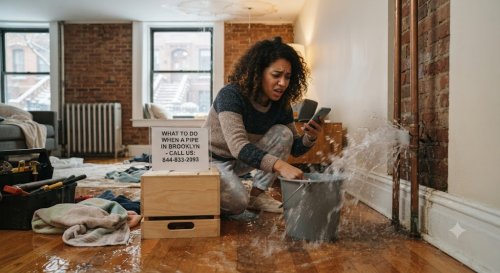
When water starts pooling around a bathroom vanity in a Williamsburg loft, or a toilet overflows in a Bushwick brownstone, panic sets in quickly. Once the immediate mess is contained, the very next question that comes up is almost always financial and legal: Who is responsible for fixing this, and who has to pay the plumber?
Plumbing disputes between property owners and renters are among the most frequent conflicts across New York City rental real estate. In a dense urban environment like Kings County—where century-old pre-war infrastructure meets modern high-density living—a single leaking pipe can destroy ceilings two floors down, ruin historic hardwood floors, and generate thousands of dollars in water damage within hours.
Understanding Landlord vs. Tenant: Who Pays for Plumbing Repairs in Brooklyn? requires looking beyond basic lease agreements. It involves navigating the New York State Warranty of Habitability, the New York City Housing Maintenance Code, local Department of Housing Preservation and Development (HPD) regulations, and clear industry standards for determining whether a plumbing failure was caused by normal wear and tear or tenant misuse.
This guide breaks down local laws, common breakdown scenarios, warning signs, repair procedures, and financial responsibilities so both property managers and residents know their rights and obligations before an emergency occurs.
What Is Landlord vs. Tenant: Who Pays for Plumbing Repairs in Brooklyn??
The question of Landlord vs. Tenant: Who Pays for Plumbing Repairs in Brooklyn? refers to the legal and practical division of financial responsibility for fixing water supply, drainage, gas, and waste disposal systems in rental properties across Brooklyn, NY.
┌─────────────────────────────────────────────────────────────────────────┐
│               BROOKLYN RENTAL PLUMBING RESPONSIBILITY                  │
├────────────────────────────┬────────────────────────────────────────────┤
│ Landlord Responsibility    │ Tenant Responsibility                      │
│ (Habitability & Wear/Tear) │ (Negligence, Misuse, & Unreported Issues)  │
├────────────────────────────┼────────────────────────────────────────────┤
│ - Aging cast iron pipe rot │ - Flushing wipes, toys, or hygiene items   │
│ - Natural valve corrosion  │ - Pouring grease down kitchen sinks        │
│ - No hot water / heat      │ - Unreported slow leaks causing secondary  │
│ - Main sewer line tree root│   mold or ceiling collapse                 │
│   intrusions               │ - DIY alterations made without permission  │
└────────────────────────────┴────────────────────────────────────────────┘
Under New York State Real Property Law Section 235-b (the Warranty of Habitability), landlords are legally required to maintain residential premises in a condition that is safe, clean, and fit for human habitation. This means that, by default, property owners are responsible for maintaining structural plumbing systems, main sewer lines, water heaters, and essential supply risers.
However, this protection is not blank coverage for tenant negligence. If a plumbing failure occurs because a resident flushed non-flushable items, tampered with existing fixtures, poured cooking oil down the drain, or allowed an obvious leak to run unreported for months, the financial burden shifts squarely onto the tenant.
Common Real-World Scenarios
-
Scenario A (Landlord Pays): A 70-year-old galvanized steel water pipe behind a bathroom wall in Park Slope bursts due to internal rust and metal fatigue. Because this is structural decay due to age, the building owner must cover the entire plumbing bill and structural restoration.
-
Scenario B (Tenant Pays): A tenant in a Flatbush apartment uses flushable wipes daily. The wipes snag on a drain branch, causing the toilet to overflow and flood the apartment. A video camera inspection by a licensed plumber retrieves the wipes. The tenant is billed for the drain clearing and any water damage caused by the overflow.
Why Do Plumbing Problems Happen in Brooklyn Rental Properties?
Rental plumbing systems face unique pressures compared to owner-occupied single-family homes. High occupant turnover, heavy daily usage, and aging building infrastructure create prime conditions for system failures.
1. Pre-War Infrastructure and Aging Materials
Many multi-family buildings across Crown Heights, Bed-Stuy, and Brooklyn Heights still rely on original cast iron waste stacks, brass branch lines, or galvanized steel water pipes installed decades ago. Over time, these materials corrode internally, narrowing the pipe diameter and making blockages far more likely.
2. High Occupancy and Heavy Usage
In shared living spaces and multi-tenant apartment buildings, drain branches handle double or triple the volume of a standard single-family home. Continuous usage of showers, toilets, and sinks accelerates wear on internal valve seals, flappers, and drain traps.
3. Flushing Improper Materials
The widespread popularity of heavy paper towels, baby wipes, feminine hygiene products, and flushable wipes is a primary cause of main drain blockages. Despite marketing claims, wipes do not break down in water like toilet paper; they collect in horizontal drain branches, catching hair and grease until water flow stops completely.
4. Grease and Food Waste Accumulation
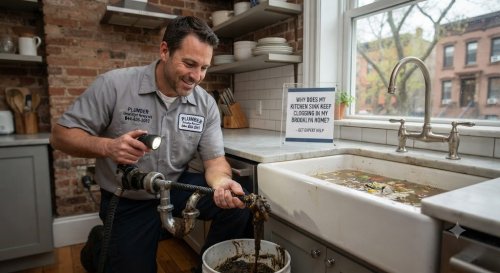
In rental kitchens without industrial garbage disposals, residents frequently pour cooking oils, animal fats, and food scrapings down the drain. As fat cools inside subterranean iron pipes, it hardens into thick grease blockages that block wastewater flow.
5. Frozen Pipes from Unheated Space or Open Windows
During harsh NYC winters, cold air entering drafty basements, unheated hallways, or apartments where windows were left open during freezing spells can freeze standing water inside copper or PEX supply lines. As ice expands, it splits the metal pipe wall open.
6. Unreported Leaks and Neglected Maintenance
Because renters do not directly pay for structural property repairs, minor drips under bathroom vanities or slow-running toilets often go unreported for months. Unaddressed minor leaks lead to hidden wood rot, structural ceiling failure in lower units, and mold growth.
Warning Signs You Should Never Ignore
Plumbing problems rarely start as major floods; they give early warning signs. Tenants should report these symptoms immediately, and landlords should act on them right away to prevent catastrophic damage.
-
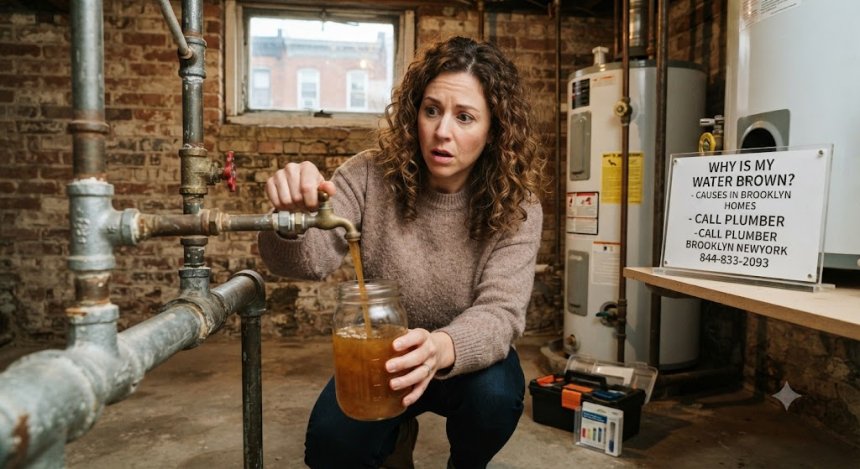
Water Stains on Ceilings or Walls: Yellowish or brown rings appearing on plaster ceilings or drywall indicate an active, hidden leak along a vertical riser or tub drain directly above.
-
Slow Draining in Sinks, Tubs, or Showers: Water standing in a tub or taking minutes to drain from a sink points to a developing main branch obstruction rather than a simple surface hair clog.
-
Low Water Pressure Across Multiple Fixtures: A sudden drop in pressure throughout an entire apartment usually indicates a failing pressure-reducing valve, a major branch leak, or heavy internal pipe corrosion.
-
Unusual Gurgling Noises from Toilets or Drains: Hearing gurgling sounds from the bathroom sink when the toilet is flushed indicates trapped air caused by a developing main stack blockage or a blocked roof vent stack.
-
Foul Sewage Odors: Persistent rotten-egg or wastewater smells signal a dried-out P-trap, a cracked sewer vent pipe inside a wall chase, or an active main line backup.
-
Damp Floorboards or Warped Vinyl Tiles: Moisture seeping up through bathroom or kitchen flooring indicates an active leak beneath a toilet wax ring or under-sink supply line.
-
Unexplained Increases in Building Water Bills: For property managers, a sudden spike in the NYC Department of Environmental Protection (DEP) water bill points to a hidden running toilet or a underground service line leak.
Common Rental Plumbing Issues in Brooklyn
┌─────────────────────────────────────────────────────────────────────────┐
│                    COMMON RENTAL PLUMBING CHALLENGES                    │
├────────────────────────────┬────────────────────────────────────────────┤
│ Problem Type               │ Responsible Party                          │
├────────────────────────────┼────────────────────────────────────────────┤
│ Main Sewer Line Backup     │ Landlord (Unless caused by tenant wipes)   │
│ Leaking Water Heater       │ Landlord (Property maintenance)            │
│ Clogged Toilet (Wipes/Toys)│ Tenant (Misuse/Negligence)                 │
│ Burst Pipe from Cold Drafts│ Landlord (Structural insulation issue)     │
│ Dripping Kitchen Faucet    │ Landlord (Normal wear and tear)            │
│ Foreign Object in Disposal │ Tenant (Accidental damage)                 │
└────────────────────────────┴────────────────────────────────────────────┘
1. Main Sewer Line Backups
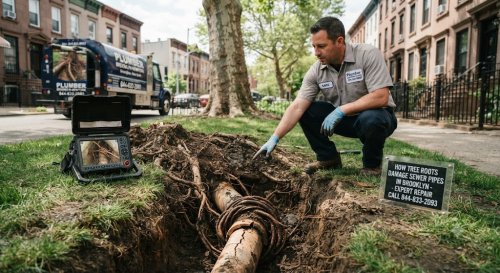
Main sewer lines running under brownstone front gardens out to the municipal street main under the road can become choked with tree roots from neighborhood London Plane trees. Landlords are responsible for clearing root intrusions unless a camera inspection proves tenant-flushed debris caused the clog.
2. Leaking Water Heaters and Boilers
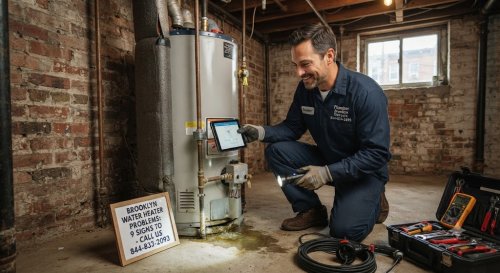
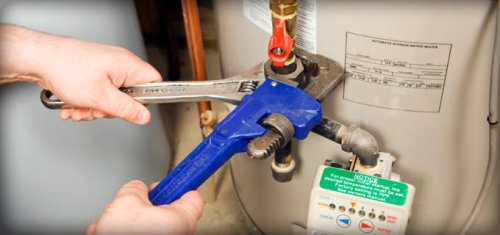
In apartments with dedicated tanked water heaters or central building boilers, internal tank corrosion or pressure relief valve failures are strict landlord maintenance responsibilities.
3. Fixture Damage and Cracked Porcelain
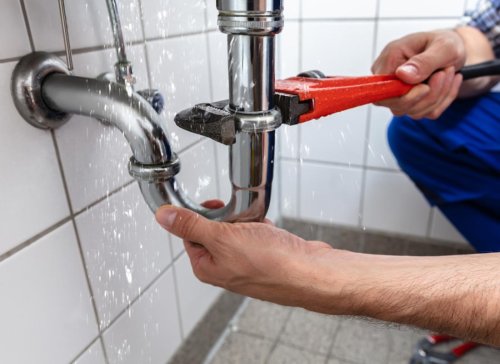
Cracked toilet bowls, chipped enamel sinks, or broken faucet handles resulting from dropped heavy objects are classed as tenant-caused accidental damage, making the tenant financially responsible for replacement costs.
4. Running Toilets and Flapper Failures
Worn-out rubber flappers or failed fill valves inside toilet tanks occur naturally over time due to mineral exposure. Landlords must handle this wear-and-tear repair; however, tenants must report running toilets promptly to avoid excess water charges.
Step-by-Step Professional Repair Process
When a licensed plumber responds to a rental plumbing call in Brooklyn, they follow a neutral, systematic protocol to resolve the issue safely and document the root cause for legal and billing clarity.
┌────────────────────────────────────────────────────────────────────────┐
│               THE 7-STEP PROFESSIONAL PLUMBING WORKFLOW               │
└────────────────────────────────────────────────────────────────────────┘
  [1. Arrival & Safety Isolation]
                 │
                 ▼
  [2. Advanced Diagnostic Inspection]
                 │
                 ▼
  [3. Root Cause Determination] ──► (Generates documentation for lease responsibility)
                 │
                 ▼
  [4. Itemized Upfront Estimate]
                 │
                 ▼
  [5. Code-Compliant Repair Execution]
                 │
                 ▼
  [6. System Testing & Pressure Verification]
                 │
                 ▼
  [7. Site Cleanup & Detailed Invoice Documentation]
-
Step 1: Emergency Isolation and Safety Check: The plumber arrives on site, locates the local shut-off valve or main building riser, and isolates water or gas flow to prevent active flooding or safety hazards.
-
Step 2: Diagnostic Inspection: Using drain cameras, acoustic leak detectors, or pressure testing gauges, the plumber evaluates the exact location and nature of the defect.
-
Step 3: Determination of Cause (Wear vs. Misuse): The technician examines extracted debris or broken components to establish whether the failure resulted from age, material defect, or introduced foreign objects.
-
Step 4: Written Proposal and Approval: An itemized estimate detailing labor, parts, equipment, and necessary permits is presented to the authorized paying party (property owner, building manager, or tenant).
-
Step 5: Code-Compliant Repair Execution: The licensed plumber completes the repair or component replacement in strict accordance with NYC Department of Buildings (DOB) codes.
-
Step 6: High-Pressure Testing & Verification: The system is restored to operational pressure and monitored for joint integrity, proper drainage flow, and gas tightness.
-
Step 7: Documentation & Invoice Delivery: The plumber provides a detailed written work order stating the exact cause of the issue, which serves as official documentation if a lease billing dispute arises.
Can You Fix It Yourself?
When a plumbing issue strikes a rental, tenants are often tempted to try DIY fixes to avoid contacting their landlord, while landlords may consider sending an unbonded handyman to keep costs low. Both approaches carry major risks.
Safe Tenant Actions
-
Using a standard flange plunger to clear simple, shallow toilet clogs caused by excess toilet paper.
-
Cleaning hair out of surface bathroom sink pop-up stoppers or tub strainers.
-
Turning off the localized shut-off valve behind a running toilet or under a leaking sink while waiting for a plumber.
Dangerous DIY & Unlicensed Handyman Practices
-
Using Caustic Chemical Drain Cleaners: Pouring harsh liquid chemical drain openers into old cast iron or brass pipes can eat through weakened metal walls, creating large hidden leaks inside plaster walls.
-
Unlicensed Work on Gas Lines or Water Risers: Under NYC law, performing unauthorized modifications on main gas piping or main supply risers is illegal and dangerous. All gas work must be performed by a Licensed Master Plumber (LMP).
-
Attempting DIY Pipe Soldering or Cutting Walls: Tenants who cut into walls or use open flames to solder copper pipes expose themselves to total financial liability for structural fire or water damage, along with lease termination.
Tools Professionals Use
Licensed plumbers rely on specialized diagnostic and repair equipment to fix complex issues accurately without causing unnecessary damage to historical properties.
-
Fiber-Optic Drain Inspection Cameras: High-definition waterproof cameras pushed through main lines to identify cracks, root intrusions, or foreign items (wipes, toys) and record digital evidence.
-
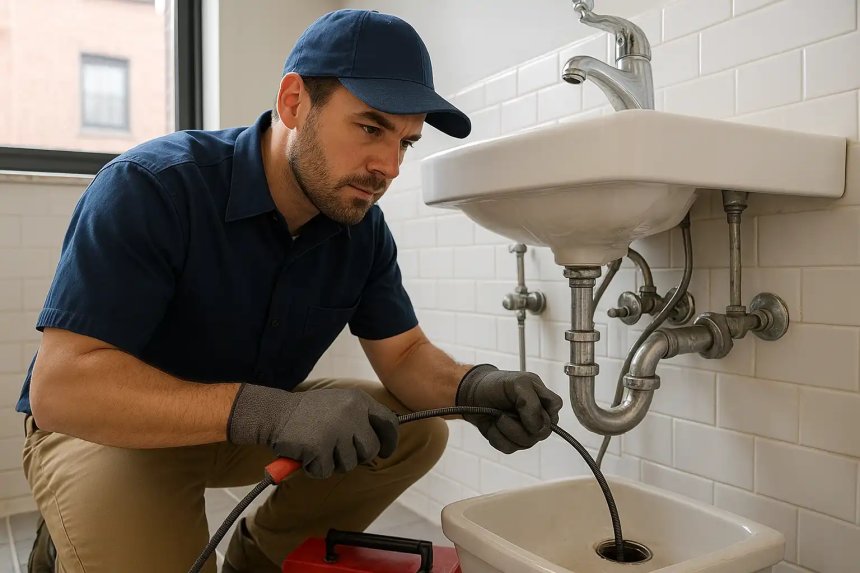
Motorized Drain Snakes and FlexShaft Machines: Heavy-duty steel cables with specialized cutting heads that clear grease, scale, and roots from main drain lines.
-
High-Pressure Hydro Jetters: Equipment that scours the inside of grease-choked kitchen lines using pressurized water up to 4,000 PSI, restoring original pipe capacity.
-
Ultrasonic Acoustic Leak Detectors: Sensitive listening devices that isolate pinhole leaks inside concrete slabs, brick walls, or plaster chases without destructive cutting.
-
ProPress Mechanical Pipe Crimpers: Hydraulic press tools that join copper or stainless steel pipes mechanically in seconds, eliminating open flames in historic wood-framed buildings.
How Long Does the Repair Usually Take?
Repair timelines vary depending on whether the issue is a simple surface fix or a complex structural overhaul:
-
Simple Service Repairs (1 to 2 Hours): Replacing a worn toilet flapper, swapping out a leaking under-sink shut-off valve, or clearing a standard fixture drain clog.
-
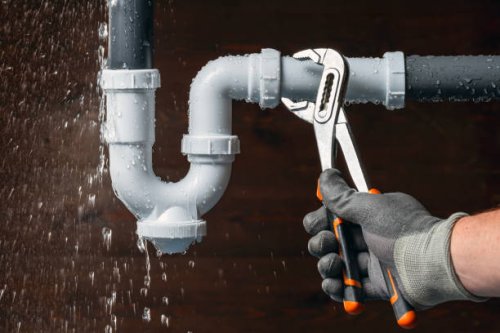
Moderate Diagnostic & Branch Repairs (2 to 4 Hours): Snaking a main building branch line, replacing an under-sink P-trap assembly, or repairing a broken section of accessible copper pipe.
-
Major Structural & Main Line Work (1 to 3 Days): Excavating and replacing a broken main sewer line under a garden, replacing main building supply risers across multiple floors, or installing a multi-unit hot water system.
-
Emergency Response & Stabilization (1 to 2 Hours): Arriving rapidly after hours to shut off main supply valves, isolate active leaks, and stop flooding until permanent repairs can be scheduled.
Cost Factors: What Drives the Invoice?
Plumbing costs in Brooklyn reflect the expertise required to work on high-density buildings under strict municipal regulations.
┌─────────────────────────────────────────────────────────────────────────┐
│                   ANATOMY OF A BROOKLYN REPAIR INVOICE                 │
├─────────────────────────────────────────────────────────────────────────┤
│ 1. Diagnostic / Dispatch Call Fee                                       │
│    (Covers travel, truck staging, parking, and initial diagnosis)       │
├─────────────────────────────────────────────────────────────────────────┤
│ 2. Skilled Labor Rates (Licensed Master Plumber vs. Journeyman)          │
│    (Varies based on standard business hours vs. 24/7 emergency calls)   │
├─────────────────────────────────────────────────────────────────────────┤
│ 3. Specialized Equipment Usage Fees                                     │
│    (Drain camera deployment, hydro-jetting units, leak detection gear)  │
├─────────────────────────────────────────────────────────────────────────┤
│ 4. Replacement Parts & High-Grade Piping Materials                      │
│    (Brass valves, cast iron fittings, heavy-duty Type L copper)         │
├─────────────────────────────────────────────────────────────────────────┤
│ 5. NYC DOB Permits and Administrative Filings (If applicable)           │
│    (Required for major sewer alterations, gas work, or riser replacements)│
└─────────────────────────────────────────────────────────────────────────┘
Industry Cost Note: Plumbing repair costs vary depending on the severity of the problem, accessibility, materials required, emergency service, property type, and local labor rates.
Hidden Truths Homeowners & Tenants Should Know
-
Camera Inspections End Blame Games: A video camera inspection provides clear visual proof of what blocked a drain line—whether it was tree roots (landlord responsibility) or sanitary wipes (tenant responsibility).
-
Unreported Drips Can Forfeit Security Deposits: If a tenant notices a slow drip under a vanity and fails to report it for six months, causing floor joists to rot, the landlord can legally deduct structural repair costs from the security deposit.
-
Rent Withholding Has Strict Legal Rules: Tenants cannot simply stop paying rent when a pipe leaks. In NYC, rent withholding requires following specific legal notice steps under HPD guidance to avoid eviction proceedings.
-
Cheap Temporary Band-Aids Cause Major Floods: Rubber emergency patches placed over corroded iron pipes will fail under pressure spikes, causing extensive water damage.
-
Renter's Insurance Does Not Cover Pipe Repairs: Renter’s insurance covers a tenant's personal property (furniture, electronics) destroyed by water, but it does not pay for repairing the building's physical plumbing lines.
-
Property Owners Must Provide Heat & Hot Water: Under NYC law, landlords must supply hot water 365 days a year at a minimum temperature of 120°F, and maintain heating standards throughout the designated heat season (October 1 through May 31).
15 Common Mistakes Landlords & Tenants Make
┌────────────────────────────────────────────────────────────────────────┐
│                   15 PREVENTABLE RENTAL PLUMBING MISTAKES              │
├────────────────────────────────────────────────────────────────────────┤
│  1. Tenants flushing "flushable" wet wipes into main waste lines       │
│  2. Landlords sending unlicensed handymen for complex pipe repairs     │
│  3. Tenants failing to report minor leaks promptly to property management│
│  4. Landlords ignoring tenant notices about low water pressure          │
│  5. Tenants pouring hot cooking fat and oils down kitchen sinks        │
│  6. Landlords using chemical drain openers instead of proper snaking   │
│  7. Tenants leaving windows open near uninsulated supply pipes in winter │
│  8. Landlords failing to insulate drafty basement rim joists          │
│  9. Tenants installing unapproved washing machines or dishwashers      │
│ 10. Landlords delaying main sewer line root maintenance                │
│ 11. Tenants removing showerheads without sealing threaded joints       │
│ 12. Landlords failing to test main building shut-off valves annually   │
│ 13. Tenants using toilet tank drop-in chemical tablets that destroy seals│
│ 14. Landlords not providing clear emergency contact info to tenants    │
│ 15. Both parties failing to document plumbing damage with photos/videos│
└────────────────────────────────────────────────────────────────────────┘
-
Flushing "Flushable" Wipes: Wipes do not dissolve; they clump together inside aging cast iron main stacks, causing catastrophic sewage backups.
-
Hiring Unlicensed Handymen for Code Work: Landlords who hire unlicensed workers risk code violations, poor workmanship, and rejected insurance claims.
-
Delaying Leak Reports: Tenants who ignore small drips end up with mold, rotted subfloors, and potential liability claims.
-
Ignoring Low Water Pressure Complaints: Landlords who dismiss pressure drops miss early warnings of failing risers or hidden leaks.
-
Pouring Grease Down Kitchen Drains: Tenants who dispose of cooking fat down the sink build up thick fatbergs inside subterranean pipes.
-
Using Caustic Liquid Drain Cleaners: Relying on harsh chemicals corrodes old metal pipes from the inside out instead of properly clearing the blockage.
-
Leaving Windows Open in Winter: Tenants who leave windows open in freezing weather risk freezing adjacent water supply lines, causing bursts.
-
Neglecting Pipe Insulation in Basements: Landlords who leave water lines exposed to cold drafts risk seasonal burst pipe emergencies.
-
Installing Unapproved Appliances: Tenants who hook up portable washing machines without approval risk blowing out under-sink valves and flooding lower units.
-
Skipping Regular Sewer Root Maintenance: Landlords who skip routine sewer line cutting wait until roots cause a complete sewage backup into basement units.
-
DIY Showerhead Swaps Without Thread Tape: Tenants who swap showerheads without plumber’s tape risk slow leaks inside the wall chase every time they shower.
-
Failing to Exercise Main Shut-Off Valves: Property owners who never turn main valves run the risk of seized shut-offs during active pipe bursts.
-
Using In-Tank Chemical Toilet Blocks: Chemical tablets erode rubber flappers and fill valves, leading to constant running toilets and high water bills.
-
Lacking Clear Emergency Contact Protocols: Property managers who fail to provide 24/7 plumbing contact info turn manageable leaks into major flood claims.
-
Failing to Take Photos and Keep Written Notes: Neither party taking photos or saving plumber invoices leaves no documentation if a security deposit or lease dispute occurs.
Preventative Maintenance Tips for Landlords & Tenants
Consistent preventative maintenance keeps rental plumbing systems operating smoothly and prevents costly emergency calls.
┌─────────────────────────────────────────────────────────────────────────┐
│                    SEASONAL RENTAL MAINTENANCE CHECKLIST                │
├────────────────────────────┬────────────────────────────────────────────┤
│ Spring & Summer            │ Fall & Winter                              │
├────────────────────────────┼────────────────────────────────────────────┤
│ - Inspect under-sink valves│ - Insulate drafty basement rim joists      │
│ - Check tub/shower caulking│ - Disconnect garden hoses from spigots     │
│ - Test sump pumps          │ - Remind tenants to keep heat above 55°F   │
│ - Clear exterior yard drains│ - Inspect boiler expansion tanks & vents  │
└────────────────────────────┴────────────────────────────────────────────┘
-
Install Strainers on All Sink and Shower Drains: Use inexpensive mesh strainers to catch hair and soap chips before they enter branch lines.
-
Inspect Under-Sink Cabinet Valves Semi-Annually: Landlords should inspect supply lines and shut-off valves during routine property walkthroughs.
-
Educate Renters on Drain Safety: Provide a clear "What NOT to Flush" guidance sheet with every new lease agreement.
-
Keep Boiler and Water Heater Logs: Service central heating boilers annually before the NYC heat season begins on October 1st.
-
Test Emergency Shut-Off Valves: Make sure both building managers and tenants know where local shut-off valves are located and that they turn smoothly.
-
Replace Rubber Appliance Hoses with Braided Stainless Steel: Upgrade washing machine supply lines to burst-resistant braided steel flex lines.
-
Schedule Biennial Sewer Camera Inspections: Run a camera down main sewer lines every two years to catch tree root intrusion early.
-
Maintain Caulking and Grout Around Tubs: Keep tub surrounds sealed to prevent splash water from seeping into ceilings below.
When Should You Call an Emergency Plumber?
Understanding what constitutes a true plumbing emergency helps protect property while avoiding unnecessary after-hours service fees.
┌────────────────────────────────────────────────────────────────────────┐
│                   EMERGENCY VS. SCHEDULED PLUMBING CALLS               │
├──────────────────────────────────────┬─────────────────────────────────┤
│ CALL IMMEDIATELY (24/7)              │ SCHEDULE DURING REGULAR HOURS   │
├──────────────────────────────────────┼─────────────────────────────────┤
│ - Burst water supply line or riser   │ - Dripping bathroom faucet      │
│ - Sewage backing up into tubs/sinks  │ - Slow-draining kitchen sink    │
│ - Total loss of water to the building│ - Running toilet in multi-bath  │
│ - Gas odor near water heater/boiler  │ - Upgrading shower trim fixtures│
│ - Active ceiling leak from upper unit│ - Replacing worn vanity handles │
└──────────────────────────────────────┴─────────────────────────────────┘
Emergency Action Protocol:
-
Locate and turn off the nearest water shut-off valve immediately.
-
If water is dripping near electrical fixtures or outlet panels, safely turn off power at the breaker panel.
-
Notify property management and call a 24/7 licensed emergency plumber.
Frequently Asked Questions
Can a landlord force a tenant to pay for a plumber in Brooklyn?
A landlord can only bill a tenant for a plumbing repair if there is clear evidence that the damage was caused by tenant misuse, negligence, or an unapproved alteration (such as flushing wipes, dropping foreign objects, or unauthorized appliance hookups). Landlords cannot charge tenants for normal wear and tear or structural pipe failures.
What should a tenant do if a landlord refuses to fix a leaking pipe?
If a landlord ignores written repair requests for essential plumbing, tenants in NYC can file a complaint by calling 311 to request an HPD inspection. HPD can issue formal legal violations against the landlord. Tenants can also file an HP Action proceeding in NYC Housing Court to mandate repairs.
Are landlords required to provide hot water 24/7 in Brooklyn?
Yes. Under the NYC Housing Maintenance Code, landlords must provide continuous hot water 365 days a year at a minimum temperature of 120°F at all taps.
Who pays for a clogged drain if both landlord and tenant disagree?
If the cause of a drain clog is disputed, a licensed plumber can perform a video camera inspection. If the recording shows structural pipe collapse or tree roots, the landlord pays. If it shows accumulated grease, wipes, or personal items, the tenant is financially responsible.
Can a tenant call an emergency plumber directly and deduct the cost from rent?
In NYC, "repair and deduct" is legally complex. Tenants should not hire an outside plumber and withhold rent without written landlord authorization or a specific Housing Court order, as doing so can trigger eviction proceedings for non-payment.
Who pays for damage caused by frozen pipes in a rental?
If pipes freeze due to structural insulation failures or heating system breakdowns, the landlord is responsible. However, if pipes freeze because a tenant shut off the heating system during winter or left windows wide open during a cold snap, the tenant may be held liable.
Is hydro jetting safe for older rental building pipes?
Hydro jetting is safe for sound cast iron and heavy plastic waste lines, but it requires a camera inspection first. If the pipe wall is severely corroded or cracked, standard mechanical snaking is recommended instead.
What happens if a running toilet causes a massive water bill?
If the running toilet was caused by a failed flapper (wear and tear) and the tenant reported it promptly, the landlord covers the repair and the water bill. If the tenant failed to report a visibly running toilet for months, responsibility for excess utility charges may be contested.
How quickly must a landlord respond to a major plumbing emergency in NYC?
Under NYC HPD guidelines, Class C "Immediately Hazardous" violations—such as a complete lack of water, severe sewage backups, or active major leaks—require immediate action, typically within 24 hours.