10 Common Plumbing Problems Every Homeowner Should Know
Learn the 10 most common plumbing problems homeowners face, their causes, warning signs, repair options, costs, and when to call a professional plumber.
Understanding Common Plumbing Problems Before They Become Expensive Repairs
Plumbing problems are among the most common issues homeowners experience. From a dripping faucet to a hidden pipe leak, small plumbing concerns can quickly become major repairs if they are ignored. Every home depends on a properly working plumbing system for clean water, drainage, heating, and sanitation.
Homeowners in Brooklyn, New York, and surrounding areas often deal with plumbing issues caused by aging infrastructure, seasonal weather changes, older pipes, heavy usage, and improper maintenance. Knowing the warning signs of plumbing trouble helps you take action before a minor problem damages your property.
Many people search for information about common plumbing problems because they want to understand the cause, determine whether a repair is urgent, and decide when professional help is necessary.
A qualified plumber can identify the actual source of a plumbing issue, recommend the right solution, and help prevent repeated problems.
What Are Common Plumbing Problems?
Common plumbing problems are issues that affect water supply lines, drainage systems, fixtures, water heaters, and sewer connections. These problems can occur in both older homes and newer properties.
Some plumbing issues are easy to notice, such as a leaking faucet or clogged toilet. Others develop slowly behind walls, under floors, or underground, making them harder to detect.
Examples of common plumbing problems include:
- Leaking pipes
- Clogged drains
- Low water pressure
- Running toilets
- Water heater issues
- Sewer line problems
- Burst pipes
- Faucet leaks
- Garbage disposal problems
- Hidden water leaks
Understanding these issues allows homeowners to respond quickly and avoid costly damage.
10 Common Plumbing Problems Every Homeowner Should Know
1. Leaking Pipes
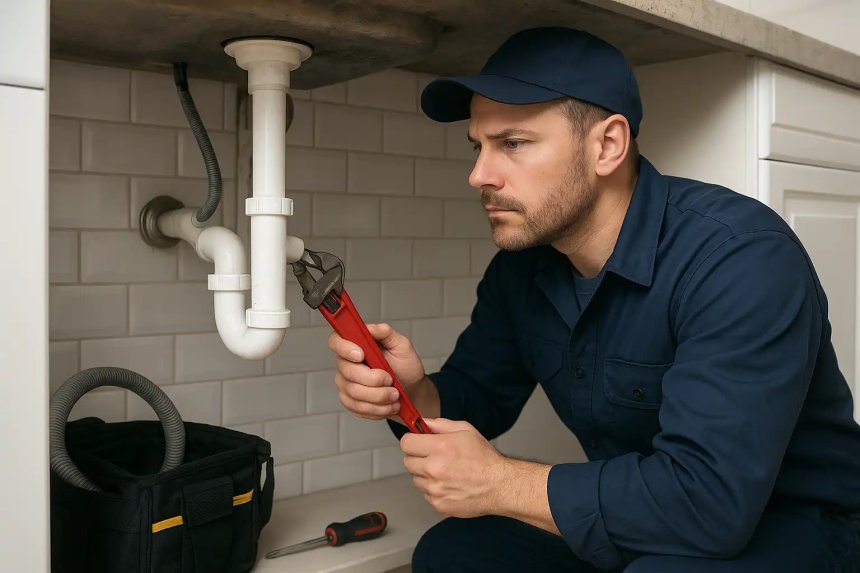
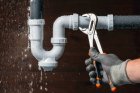
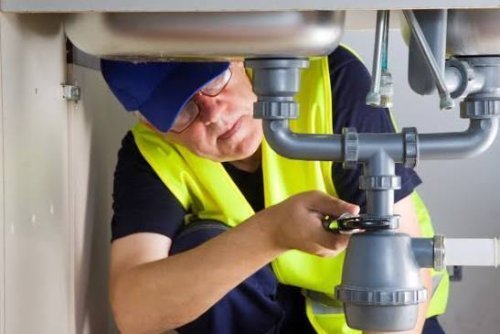
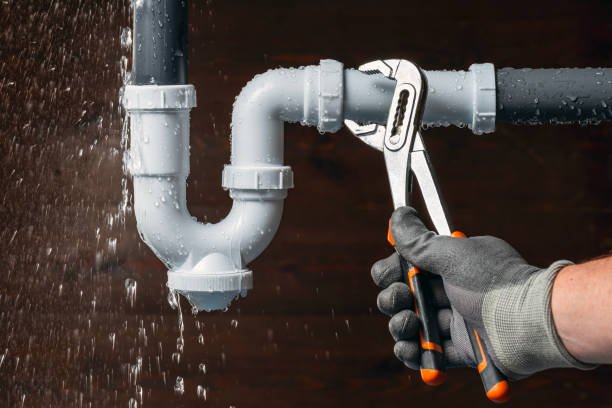
Pipe leaks are one of the most frequent plumbing problems in residential properties. A small leak may appear harmless, but even a slow drip can waste water and damage walls, ceilings, flooring, and insulation.
Common Causes of Pipe Leaks:
- Aging pipes
- Corrosion
- High water pressure
- Poor installation
- Frozen pipes
- Loose connections
- Damaged pipe joints
For example, a small leak behind a kitchen cabinet may go unnoticed until mold growth or water damage appears.
Warning Signs:
- Water stains on walls or ceilings
- Damp areas under sinks
- Unexplained increase in water bills
- Musty odors
- Mold growth
- Sound of running water when fixtures are off
Professional Repair Process:
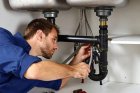
A plumber usually begins with an inspection, identifies the leak location, determines the cause, and recommends repair or replacement options.
Depending on the damage, repairs may involve tightening connections, replacing damaged sections, or using modern leak repair techniques.
2. Clogged Drains
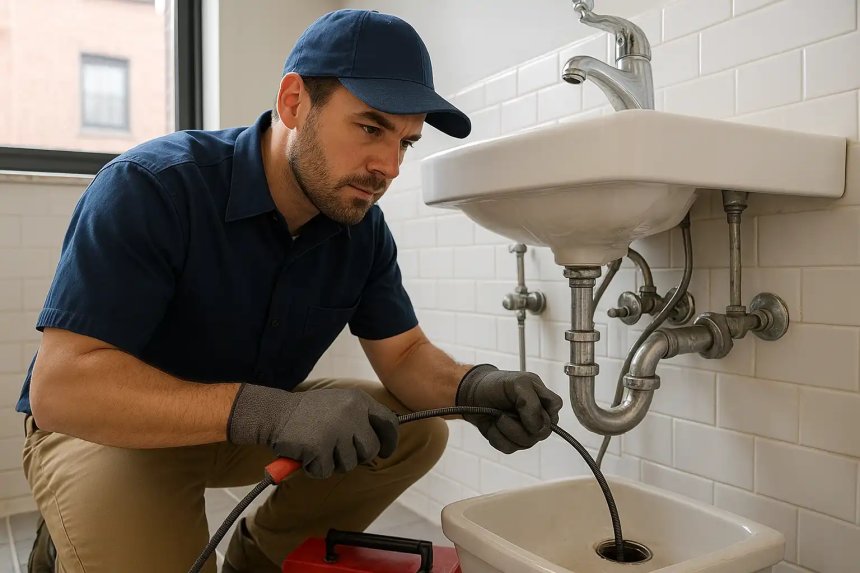
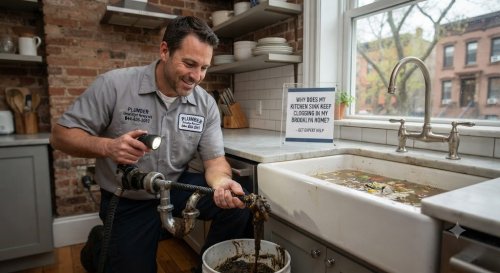
Slow or clogged drains are another common plumbing problem homeowners face. Kitchen sinks, bathroom drains, and shower drains can become blocked due to buildup over time.
Common Causes:
- Hair buildup
- Soap residue
- Food particles
- Grease
- Mineral deposits
- Foreign objects
Signs of a Drain Problem:
- Water drains slowly
- Gurgling sounds
- Standing water
- Bad smells
- Frequent backups
A minor clog may sometimes be cleared with a plunger. However, repeated clogs may indicate a deeper drainage issue requiring professional inspection.
Professional plumbers may use drain cameras, specialized augers, or hydro jetting equipment to remove stubborn blockages.
3. Low Water Pressure
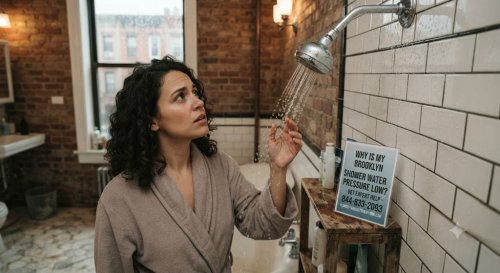
Low water pressure can make everyday tasks frustrating, including showering, washing dishes, and doing laundry.
Why Does Low Water Pressure Happen?
Possible causes include:
- Mineral buildup inside pipes
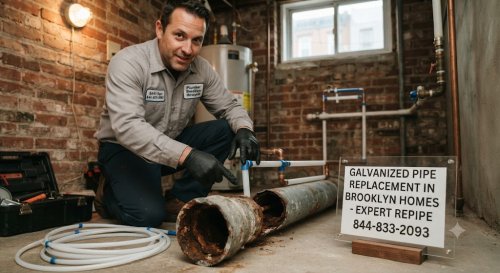
- Corroded plumbing lines
- Hidden leaks
- Problems with municipal water supply
- Faulty pressure regulators
Warning Signs:
- Weak shower flow
- Slow faucet output
- Pressure drops when multiple fixtures run
A plumber can test water pressure levels and determine whether the issue is inside your home or connected to the main supply.
4. Running Toilets
A toilet that continues running after flushing wastes a significant amount of water.
Common Causes:
- Damaged flapper valve
- Faulty fill valve
- Broken toilet handle
- Incorrect water level adjustment
Why It Matters:
A constantly running toilet can increase water bills and may indicate internal toilet component failure.
A homeowner may replace simple parts like a flapper, but repeated issues should be checked by a professional.
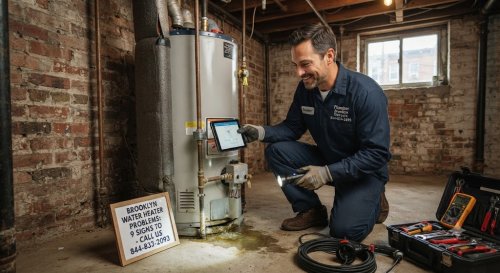
5. Water Heater Problems
Water heaters provide hot water for bathing, cleaning, and household activities. When they fail, daily routines become difficult.
Common Water Heater Issues:
- No hot water
- Strange noises
- Leaking tank
- Inconsistent temperatures
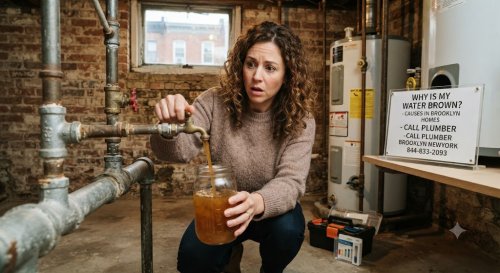
- Discolored water
Causes:
- Sediment buildup
- Aging equipment
- Faulty heating components
- Lack of maintenance
Most traditional water heaters last around 10–15 years depending on usage, maintenance, and water quality.
A professional plumber can inspect the system and determine whether repair or replacement makes more financial sense.
6. Sewer Line Problems
Sewer issues are serious plumbing problems because they affect sanitation and property safety.
Common Causes:
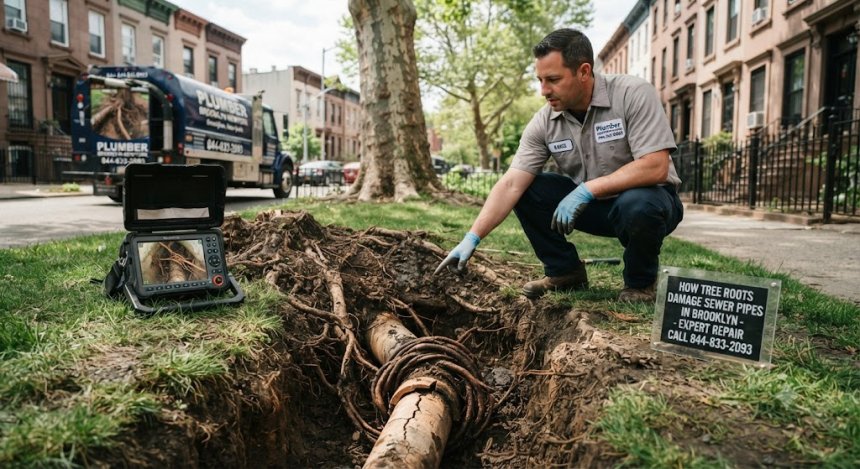
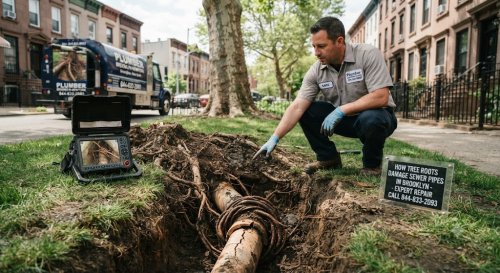
- Tree root intrusion
- Broken sewer pipes
- Blockages
- Aging sewer lines
- Ground movement
Warning Signs:
- Sewer odors
- Multiple clogged drains
- Toilet backups
- Wet areas in the yard
- Slow drainage throughout the home
Ignoring sewer problems can lead to property damage and unhealthy conditions.
Professional plumbers often use sewer cameras to locate damage without unnecessary digging.
7. Burst Pipes
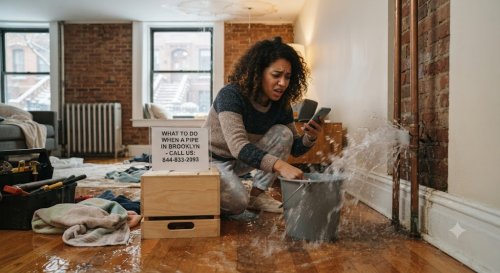
Burst pipes are plumbing emergencies that can cause severe water damage.
Why Pipes Burst:
- Freezing temperatures
- Excessive water pressure
- Corrosion
- Weak pipe materials
Warning Signs:
- Sudden water leaks
- Reduced water pressure
- Strange noises
- Wet walls or ceilings
If a pipe bursts, immediately shut off the main water supply and contact an emergency plumber.
8. Faucet Leaks
A dripping faucet may seem minor, but it can waste hundreds of gallons of water over time.
Common Causes:
- Worn washers
- Damaged cartridges
- Loose components
- Corrosion
Replacing worn parts can often solve the issue. However, older faucets may require replacement.
9. Garbage Disposal Problems
Garbage disposals can fail when homeowners put unsuitable materials down the drain.
Common Causes:
- Grease buildup
- Hard objects
- Overloading
- Lack of cleaning
Avoid putting bones, oil, coffee grounds, and fibrous materials into the disposal.
10. Water Leaks Hidden Behind Walls
Hidden leaks are among the most damaging plumbing problems because they may remain unnoticed for weeks or months.
Signs Include:
- Peeling paint
- Damp drywall
- Mold growth
- Increased water bills
- Unusual odors
Professional leak detection equipment helps plumbers locate hidden problems without unnecessary property damage.
Why Do Plumbing Problems Happen?
Plumbing failures usually develop because of:
- Aging plumbing systems
- Corrosion
- Hard water minerals
- Poor installation
- Lack of maintenance
- Seasonal freezing temperatures
- High water pressure
- Tree roots damaging underground pipes
Regular inspections help identify problems before they become emergencies.
Step-by-Step Professional Plumbing Repair Process
Step 1: Inspection
A plumber examines fixtures, pipes, drains, and water systems.
Step 2: Diagnosis
Modern tools such as cameras and leak detection equipment help locate the exact problem.
Step 3: Estimate
The plumber explains repair options, required parts, and expected costs.
Step 4: Repair
The damaged component is repaired or replaced according to industry standards.
Step 5: Testing
The system is tested to confirm proper operation.
Step 6: Cleanup
A professional plumber should leave the work area clean.
Step 7: Maintenance Advice
Homeowners receive recommendations to prevent future problems.
Can You Fix Plumbing Problems Yourself?
Some minor issues can be handled with basic DIY solutions.
Safe DIY tasks include:
- Clearing minor drain clogs
- Replacing faucet aerators
- Changing toilet flappers
- Cleaning fixtures
However, homeowners should avoid complex repairs involving:
- Gas lines
- Sewer systems
- Main water lines
- Hidden leaks
- Major pipe replacement
Incorrect repairs can increase damage and repair costs.
Tools Professional Plumbers Use
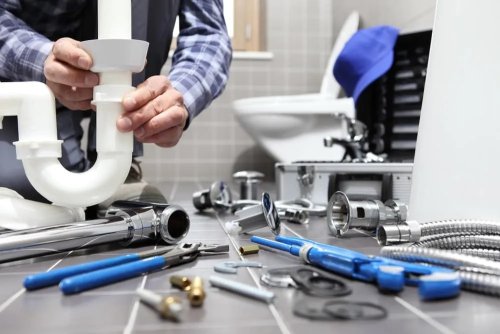
Experienced plumbers use specialized equipment, including:
- Drain cameras
- Leak detection devices
- Hydro jetting machines
- Pipe inspection cameras
- Pressure testing equipment
- Pipe locating tools
- Trenchless repair equipment
These tools allow accurate diagnosis and reduce unnecessary repairs.
How Long Do Plumbing Repairs Take?
Repair time depends on the problem.
Simple repairs: A few hours
Moderate repairs: Several hours to one day
Major repairs: Multiple days depending on complexity
Emergency repairs: Immediate response may be required
Factors affecting repair time include accessibility, damage level, materials, and required permits.
Plumbing Repair Cost Factors
Plumbing repair costs vary depending on:
- Severity of the problem
- Accessibility of pipes
- Required materials
- Labor rates
- Emergency service needs
- Property type
- Replacement versus repair decisions
Homeowners should request a clear estimate before approving major work.
Hidden Truths Homeowners Should Know About Plumbing
- Small leaks often become expensive repairs.
- Temporary fixes may fail if the actual cause is ignored.
- Neglected plumbing problems may not be covered by insurance.
- Tree roots can repeatedly damage sewer lines.
- Hard water can shorten fixture lifespan.
- DIY mistakes often increase repair costs.
- Hidden leaks can create mold problems quickly.
- Regular maintenance can save money over time.
15 Common Plumbing Mistakes Homeowners Make
- Ignoring small leaks
- Using harsh chemical drain cleaners frequently
- Flushing wipes and unsuitable items
- Pouring grease into drains
- Ignoring water pressure changes
- Hiring unlicensed workers
- Skipping plumbing inspections
- Waiting until emergencies happen
- Using incorrect replacement parts
- Over-tightening fittings
- Ignoring unusual plumbing noises
- Delaying water heater maintenance
- Blocking access to shut-off valves
- Avoiding professional advice
- Attempting complex repairs without experience
Plumbing Maintenance Tips for Homeowners
- Check faucets regularly for leaks.
- Clean drain strainers.
- Avoid putting grease down drains.
- Test water pressure occasionally.
- Flush water heaters when recommended.
- Insulate exposed pipes during winter.
- Know where your main shut-off valve is located.
- Schedule routine plumbing inspections.
- Check under sinks for moisture.
- Repair dripping fixtures quickly.
- Keep gutters and drainage areas clear.
- Watch for unusual water bills.
- Avoid chemical drain cleaners.
- Clean showerheads from mineral buildup.
- Inspect toilets for leaks.
- Maintain garbage disposals properly.
When Should You Call an Emergency Plumber?
Contact an emergency plumber immediately for:
- Burst pipes
- Sewage backups
- Major water leaks
- Flooding
- Overflowing toilets
- No running water
- Gas line concerns handled by qualified professionals
Quick action can reduce property damage and prevent health risks.