Replace Old Pipes During Brooklyn Renovation? Expert Guide
Planning a Brooklyn renovation? Learn whether you should replace old plumbing pipes, avoid costly leaks, stay NYC code compliant, and protect your investment.

Should You Replace Old Plumbing Pipes During a Brooklyn Home Renovation?
Planning a home renovation in Brooklyn is an exciting milestone. Whether you are updating a classic pre-war co-op near Prospect Park, restoring a four-story historic brownstone in Park Slope, or modernizing a multi-family rowhouse in Williamsburg, remodeling lets you design the home of your dreams. However, behind the custom Italian tiles, high-end marble vanities, and high-efficiency brass fixtures lies a crucial decision that can make or break your project: Should You Replace Old Plumbing Pipes During a Brooklyn Home Renovation?
It is easy to focus on cosmetic upgrades while leaving the hidden pipes alone. After all, if the water still flows and the drains work, why spend part of your budget opening up walls to replace functional plumbing?
The reality of Brooklyn real estate is that a massive portion of the housing stock was built between the 1880s and 1950s. Many of these properties still rely on original lead, galvanized steel, or vintage cast iron infrastructure. Closing up fresh drywall and installing expensive finishes over 80-year-old piping creates a high-stakes gamble. A single pinhole leak or rusted fitting after your contractor leaves can destroy tens of thousands of dollars in new tile, hardwood flooring, and lower-level plaster in seconds.
What Is Should You Replace Old Plumbing Pipes During a Brooklyn Home Renovation?
Deciding whether to replace aging plumbing infrastructure during a remodel is a strategic evaluation of your home’s concealed water supply, drain-waste-vent (DWV) lines, and gas piping before cosmetic work begins.
In a dense urban borough like Brooklyn, home renovation plumbing isn't just about your immediate living space. It is about protecting the structural integrity of connected rowhouses, preventing water intrusion into neighboring co-op units, and ensuring full compliance with strict NYC Department of Buildings (DOB) codes.
+--------------------------------------------------------------------------+
|                     BROOKLYN RENOVATION PLUMBING PIPELINE                |
+------------------------------------+-------------------------------------+
| Water Supply Lines                 | Galvanized steel, lead, or copper   |
+------------------------------------+-------------------------------------+
| Drain-Waste-Vent (DWV) Stacks      | Heavy cast iron, lead bends, brass  |
+------------------------------------+-------------------------------------+
| Branch / Fixture Drain Lines       | Connects sinks/tubs to main stack   |
+------------------------------------+-------------------------------------+
| Building Main & Sewer Lateral      | Main connection to city sewer line  |
+------------------------------------+-------------------------------------+
Common Brooklyn Renovation Plumbing Scenarios
-
Pre-War Co-Op & Condo Remodels: Upgrading bathrooms or kitchens in 1920s buildings where branch lines connect to shared vertical risers.
-
Brownstone & Rowhouse Conversions: Converting single-family or multi-family properties where original 2-inch galvanized water lines cannot support modern high-flow showerheads and multi-bath layouts.
-
Gut Renovations: Stripping structural spaces down to the studs, offering open access to replace main waste stacks and vent lines without extra demolition costs.
-
Landmarked Historic District Work: Updating plumbing in historic districts (like Brooklyn Heights or Cobble Hill) while keeping exterior facade and structural framing completely untouched.
Why Does This Plumbing Problem Happen?
Understanding why older Brooklyn plumbing fails during or shortly after a renovation comes down to material science, building age, and modern water demands.
+-----------------------------------------------------------------------+
|                    WHY VINTAGE PIPES FAIL DURING REMODELS              |
+------------------------------------+----------------------------------+
| Material Degradation over Time     | Galvanized steel & cast iron age |
+------------------------------------+----------------------------------+
| Increased Modern Water Demands     | High-pressure fixtures & body jets|
+------------------------------------+----------------------------------+
| Vibration & Construction Stress    | Demolition shakes fragile joints |
+------------------------------------+----------------------------------+
| Chemical Reaction / Mineral Scale  | Internal tuberculation chokes flow|
+------------------------------------+----------------------------------+
| Incompatible Past Repairs          | Dissimilar metals create corrosion|
+------------------------------------+----------------------------------+
-
Aging Materials Past Their Lifespan: Galvanized iron pipes have an expected lifespan of 40 to 50 years; cast iron waste stacks last around 75 to 100 years. Because most Brooklyn homes exceed these age thresholds, these pipes are operating on borrowed time.
-
Internal Tuberculation and Scale: Decades of hard water and mineral deposits cause internal corrosion (tuberculation), turning the inside of a 2-inch pipe into a restricted 1/2-inch opening. This restricts flow and traps debris.
-
Construction Vibration Stress: During a renovation, heavy demolition, floor sanding, and wall framing vibrate the house framing. These micro-vibrations crack brittle, rust-thinned cast iron joints and break corroded threads on old galvanized fittings.
-
Increased Modern Pressure Demands: Old plumbing was designed for simple two-handle faucets and low-flow fixtures. Installing modern rain showerheads, body jets, and high-efficiency dishwashers places higher pressure demands on weak supply lines, causing weak points to burst.
-
Galvanic Corrosion from Mixed Metals: Over decades, uncertified handymen often spliced new copper lines directly onto old galvanized steel without using dielectric unions. This causes rapid, localized corrosion that eats through metal walls.
Signs You Should Never Ignore
If you are planning a renovation, inspect your existing plumbing for these critical warning signs before finalizing your architectural plans or tile selections:
-
Low Water Pressure Across Multiple Fixtures: If opening the kitchen faucet causes the bathroom shower pressure to drop dramatically, your galvanized supply lines are heavily corroded and choked internally with rust.
-
Discolored, Rusty, or Brown Water: Water that comes out rusty for the first few seconds after turning on a tap indicates internal metal flaking inside your supply pipes.
-
Persistent Metallic Taste or Odor: Aging pipes release dissolved minerals, iron, and trace metals into your drinking water.
-
Slow Draining and Frequent Gurgling: Gurgling noises in your tub when the toilet flushes signal that your main cast iron waste stack is scaled over or improperly vented.
-
Damp Drywall, Water Stains, or Flaking Plaster: Ring-shaped discoloration on ceilings or walls indicates active pinhole leaks behind plaster or lath.
-
Visible Corrosion on Exposed Basement Pipes: Greenish oxidation on copper joints or flaking, blistered rust ("rust bumps") on iron pipes shows advanced wall thinning.
-
Dislodged or Raised Floor Tiles: Moisture seeping underneath bathroom floor tiles from subfloor branch line leaks rots joists and loosens tile adhesive.
Common Plumbing Problems Related to This Issue
When asking yourself, Should You Replace Old Plumbing Pipes During a Brooklyn Home Renovation?, consider these secondary problems that occur when vintage plumbing is left untouched:
-
Sewer Gas Leaks: Cracks along the top side of old horizontal cast iron vent pipes allow foul, hazardous sewer gases to seep into living spaces behind new drywall.
-
Failed Lead Bends Under Toilets: Vintage toilets often connect to the main stack via flexible lead bends. Over time, these lead connections warp, sag, and leak toxic wastewater into subfloors.
-
Slab and Foundation Leaks: Leaks in subterranean drain lines beneath garden apartment concrete slabs weaken building foundations.
-
Riser Ruptures in Multi-Story Buildings: High water pressure spikes burst thinned vertical supply risers, flooding multiple floors in minutes.
-
Fixture Damage from Suspended Debris: Rust flakes breaking free from old supply lines clog expensive new thermostatic mixing valves and high-end faucets.
Step-by-Step Professional Repiping Process
Replacing old plumbing during a renovation requires precision, local code expertise, and proper building coordination. Here is how a licensed master plumber handles the project:
[1. Video Camera & System Inspection] ──► [2. Engineering & DOB Permit Filings]
                                                          │
[4. Precision Rough-In Installation] ◄── [3. Co-Op Board / Insurance Approval]
         │
         ▼
[5. Pressure Testing & DOB Inspection] ──► [6. Insulation, Sign-Off & Drywall]
Step 1: Comprehensive Camera & System Inspection
The plumber inspects exposed lines, feeds high-definition drain cameras down main waste stacks, and conducts pressure tests to trace every run throughout the structure.
Step 2: System Design & NYC DOB Permit Filings
For major repiping or fixture relocation, the plumber prepares mechanical drawings and files required work permits with the NYC Department of Buildings (DOB).
Step 3: Co-Op/Condo Board & Insurance Coordination
In multi-family buildings, your plumber submits a detailed scope of work along with a Certificate of Insurance (COI) matching the building management's specific coverage requirements.
Step 4: Demolition & Precision Rough-In
With walls open during the renovation demolition phase, old galvanized, lead, and cast iron pipes are removed. New L-type copper or modern PEX supply lines and PVC or cast iron DWV lines are installed (rough-in phase).
Step 5: Hydrostatic Pressure Testing & DOB Sign-Off
Before walls are sealed, supply lines undergo high-pressure air/water testing, and waste lines are filled to verify zero leakage. Official DOB inspectors review the rough-in work where required.
Step 6: Thermal Insulation, Final Sign-Off & Drywall Closure
Pipes running along exterior or unconditioned walls are wrapped with high-density insulation to prevent freezing. Once passed, your general contractor can safely seal drywall and lay custom tile.
Can You Fix It Yourself?
While DIY home improvement is popular, replacing hidden plumbing pipes during a major Brooklyn renovation is not a safe or legal DIY project.
Safe DIY Tasks
-
Unscrewing and replacing decorative faucet trim plates or showerheads (using thread sealant tape).
-
Replacing under-sink P-traps on accessible vanity cabinets.
-
Installing surface-mounted accessories, towel bars, and vanity mirrors.
When DIY Becomes Dangerous
-
NYC Master Plumber Licensing Laws: It is illegal in New York City for unlicensed individuals to modify or replace supply, waste, or gas piping systems.
-
Fire Hazards from Torch Soldering: Using open flame torches inside historic wood-frame or brownstone wall cavities poses extreme fire risks.
-
Flooding & Neighboring Property Damage: A poorly glued PVC joint or improperly crimped fitting inside a wall stack can burst under pressure, causing tens of thousands of dollars in water damage to neighboring units.
-
Insurance Denial: Insurance providers routinely deny claims for water damage caused by unpermitted, unlicensed plumbing alterations.
Tools Professionals Use
Licensed plumbing contractors use specialized commercial equipment to evaluate and upgrade residential infrastructure:
-
High-Definition Pipe Inspection Cameras: Self-leveling digital cameras with radio sondes that pinpoint pipe fractures and deep blockages behind walls or underground.
-
Acoustic & Ultrasonic Leak Detectors: Advanced listening devices that detect the sound of pinhole water leaks inside concrete floors or brick walls.
-
Flame-Free Press Tools (ProPress): Hydraulic pressing equipment that makes permanent, leak-proof copper connections without open torches.
-
Digital Hydrostatic Pressure Gauges: High-accuracy instruments used to test system pressure integrity under strict NYC code conditions.
-
Pipe Locators: Electromagnetic tracking tools that locate concealed main lines without damaging historic plaster.
How Long Does the Project Usually Take?
+-----------------------------------+-----------------------------------+
| PROJECT SCOPE                     | ESTIMATED TIMELINE                |
+-----------------------------------+-----------------------------------+
| Single Bathroom Repipe Rough-In   | 2 – 3 Days                        |
| Full Kitchen & Bath Repipe        | 4 – 7 Days                        |
| Full Brownstone Repiping (4-Story)| 2 – 3 Weeks                       |
| Main Sewer Line Lateral Replace   | 2 – 4 Days                        |
+-----------------------------------+-----------------------------------+
Factors Affecting Timeline
-
DOB Permitting & Inspection Delays: Scheduling city inspectors for rough-in sign-offs before closing walls.
-
Co-Op/Condo Work Window Limits: Strict building rules limiting noisy work to weekday hours (e.g., 9:00 AM to 4:00 PM).
-
Structural Accessibility: Working inside narrow chase walls or original plaster/lath pockets compared to open-stud frame walls.
Cost Factors
Understanding what shapes repiping costs helps you budget accurately for your Brooklyn renovation project. Total investment varies based on project scope, pipe accessibility, chosen materials, building type, and local labor rates.
-
Material Selection: Type L copper and heavy cast iron are more expensive than modern PEX or PVC, though local fire codes dictate acceptable material types in multi-family structures.
-
Accessibility & Wall Demolition: Open-stud gut renovations keep labor costs lower than targeted repiping that requires surgical plaster cuts.
-
Number of Plumbing Fixtures: Adding new bathrooms, wet bars, or laundry rooms increases supply, waste, and vent stack requirements.
-
NYC DOB Permit Fees: Administrative, filing, and sign-off fees for official city records.
-
Co-Op Administrative Overhead: Building management review fees and high-limit umbrella insurance coverage requirements ($1M–$5M COIs).
Hidden Truths Homeowners Should Know
-
Replacing Pipes When Walls Are Open Is 70% Cheaper: Opening walls specifically to fix a broken pipe years after a renovation costs three to four times more than upgrading while the walls are already exposed.
-
Old Lead Bends Pose Invisible Risks: Even if your main lines are copper, old lead toilet connections leach toxic materials and deteriorate from the inside out.
-
Insurance Won't Cover "Gradual Wear and Tear": If an old galvanized pipe slowly leaks behind your new $30,000 bathroom tile, insurance often denies the claim due to age-related neglect.
-
Water Pressure Losses Are Rarely Fixable at the Faucet: If your water pressure is low due to corroded galvanized lines, installing a expensive high-flow showerhead will not fix the issue.
-
Modern PEX & Copper Boost Home Resale Value: Home buyers and inspectors in Brooklyn check pipe material types; updated plumbing is a major selling point that simplifies mortgage approvals.
15 Common Mistakes Homeowners Make During Renovations
-
Leaving Old Pipes Behind New Tile: Spending tens of thousands on luxury finishes while leaving 80-year-old pipes in the wall.
-
Skipping DOB Work Permits: Performing unpermitted plumbing work that causes issues during resale or insurance claims.
-
Hiring an Unlicensed General Contractor for Plumbing: Letting a tile setter or general handyman alter main water or gas lines.
-
Mixing Dissimilar Metals Without Dielectric Fittings: Connecting new copper directly to old iron, which accelerates internal corrosion.
-
Failing to Upgrade Main Water Supply Sizes: Leaving a 1/2-inch main line in place when adding a second or third bathroom.
-
Not Requesting a COI Before Construction: Allowing workers on-site before your co-op board approves their insurance coverage.
-
Ignoring Drain Venting Requirements: Removing vent stacks or using illegal air admittance valves where prohibited by NYC code.
-
Forgetting Pipe Insulation on Outer Walls: Running uninsulated supply lines through drafty exterior brownstone walls.
-
Covering Main Cleanout Plugs: Tiling over basement or wall cleanouts, preventing future sewer line maintenance.
-
Overlooking Gas Line Inspections: Skipping pressure tests on aging black iron gas lines while walls are open.
-
Using Low-Quality Valve Trim: Installing cheap shut-off valves under new sinks that seize up after a year.
-
Not Inspecting the Underground Sewer Lateral: Replacing indoor plumbing without verifying the condition of the street connection.
-
Failing to Plan for Future Fixtures: Not stubbing out water and drain lines for future laundry units or wet bars.
-
Disregarding Water Hammer Arrestors: Forgetting arrestors on fast-closing dishwasher and washing machine valves, causing pipe bangs.
-
Choosing the Lowest Bidder: Hiring cheap contractors who cut corners on pipe sizing, support hangers, and local code compliance.
Essential Maintenance Tips for Brooklyn Homes
Protect your new or existing plumbing infrastructure with these practical, long-term care guidelines:
-
Know Your Main Water Shut-Off Location: Ensure every family member knows where the main water valve is located in the basement or utility closet.
-
Inspect Exposed Basement Lines Quarterly: Look for white mineral crusting, green oxidation, or moisture droplets along water pipes.
-
Install Stainless Steel Flex Lines: Replace rubber washing machine and toilet flex lines with braided stainless steel.
-
Keep Heat Above 55°F in Winter: Even when traveling, keep interior temperatures well above freezing to protect hidden wall pipes.
-
Avoid Chemical Drain Cleaners: Use mechanical snakes or enzyme-based cleaners to protect internal pipe walls.
-
Test Individual Fixture Valves Bi-Annually: Turn shut-off valves under sinks and toilets twice a year to prevent seizing.
-
Clean Faucet Aerators Regularly: Unscrew aerators every few months to clear debris and mineral scale.
-
Monitor Water Pressure: Install a simple pressure gauge on your main line; keep pressure between 45 and 65 PSI to protect valves.
-
Never Flush Wipes or Personal Products: Dispose of non-dissolvable items in the trash to protect cast iron waste lines.
-
Wipe Down Shower Drains: Remove hair buildup weekly to prevent deep branch line blockages.
-
Drain Steam Boilers Monthly During Heating Season: Flush sediment from vintage heating systems to maintain efficiency.
-
Clear Leaves from Outdoor Drain Grates: Prevent garden apartment yard drains from backing up into lower levels during heavy rains.
-
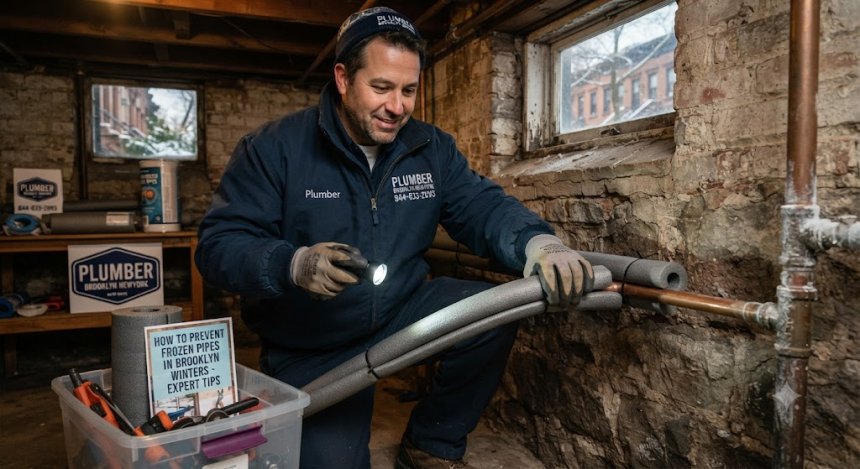
Insulate Unheated Crawl Spaces: Wrap exposed lines in basements or cellars with foam insulation sleeves.
-
Use Sink Strainers in Kitchens: Catch food scraps and grease before they reach horizontal waste pipes.
-
Schedule Annual Licensed Inspections: Have a master plumber evaluate your system every 12 months to catch minor issues early.
When Should You Call an Emergency Plumber?
Call a licensed emergency plumber immediately if you encounter any of these situation during or after a renovation:
-
Active, Uncontrolled Water Pipe Rupture: Pressurized water escaping from walls, ceilings, or floor cavities.
-
Main Stack Sewer Backup: Wastewater overflowing from toilets, showers, or basement floor drains.
-
Natural Gas Odor Near Lines: The smell of rotten eggs near gas piping (evacuate immediately and contact your gas utility first).
-
Sudden Loss of Building Water Pressure: Total loss of water service indicating a burst main riser or street line rupture.
-
Major Water Intrusion into Neighboring Units: Water seeping through shared firewalls or ceiling spaces into adjacent apartments.
Frequently Asked Questions
Should You Replace Old Plumbing Pipes During a Brooklyn Home Renovation if they aren't leaking?
Yes. Old galvanized steel and cast iron pipes corrode from the inside out. Even if they aren't actively leaking today, the vibration of renovation demolition and increased water demands often cause failure shortly after work is completed.
How do I know what type of pipes are in my Brooklyn home?
A licensed plumber can identify your system by inspecting exposed lines in the basement or behind access panels. Magnet tests identify iron pipes, while copper, lead, and PEX have distinct colors and flexibility.
What is the average lifespan of cast iron waste pipes in NYC?
Cast iron waste pipes typically last between 75 and 100 years. Since many Brooklyn brownstones were built over a century ago, their original cast iron lines are near the end of their operational life.
Can I replace plumbing in a Brooklyn co-op without board approval?
No. Co-op boards require architectural review, approved scopes of work, DOB permits, and high-limit Certificates of Insurance (COIs) before any plumbing alterations take place inside walls.
Is PEX tubing legal for residential plumbing in New York City?
Yes, modern NYC plumbing codes allow PEX supply tubing for residential applications under specific guidelines, though copper remains popular and certain multi-family structures have unique fire-resistance rules.
How much value does new plumbing add to a Brooklyn home?
While plumbing is invisible behind walls, updated mechanical systems increase appraisal values, lower insurance premiums, and reassure buyers that they won't face sudden water damage expenses.
Will insurance cover water damage if old pipes leak after a remodel?
Insurance typically covers sudden, accidental water discharges, but claims are often denied if damage stems from gradual, unaddressed deterioration of neglected plumbing.
What is a lead bend, and should it be replaced during a renovation?
A lead bend is a flexible lead pipe connecting a toilet flange to the main cast iron stack. They are prone to cracking, corrosion, and sag over time and should always be replaced with modern cast iron or PVC during a renovation.