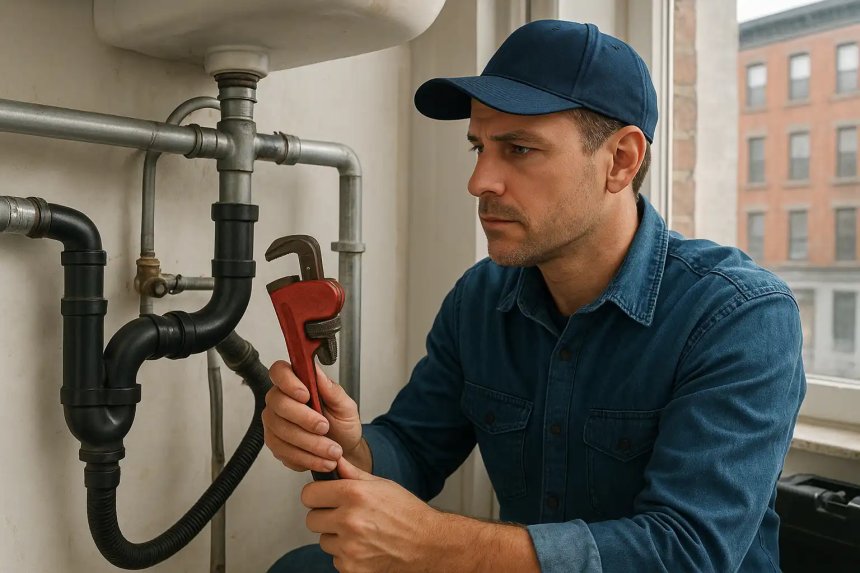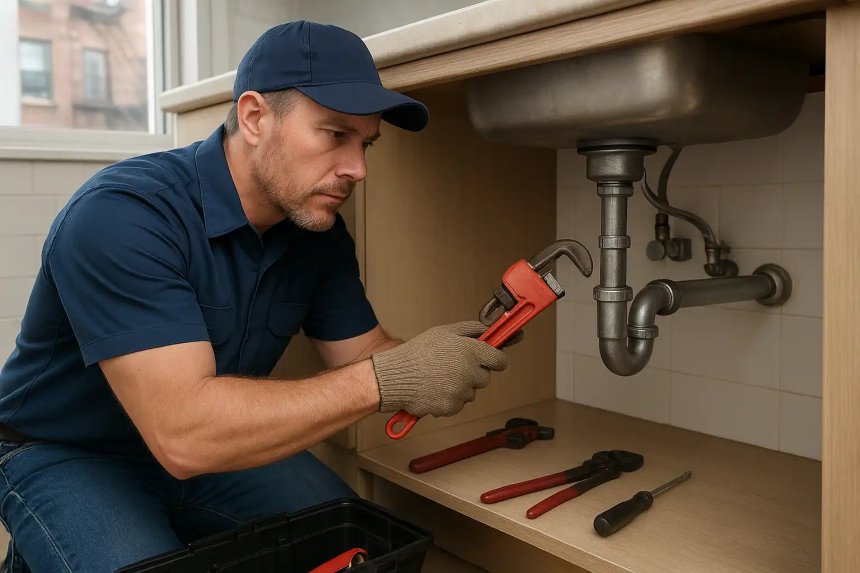
Why Does My Kitchen Sink Keep Clogging in Brooklyn?
Discover why your kitchen sink keeps clogging in your Brooklyn home. Learn common causes, warning signs, professional fixes, and expert care tips.
Why Does My Kitchen Sink Keep Clogging in My Brooklyn Home?
There are few household frustrations quite as annoying as washing dishes only to watch the water pool in your sink basin and refuse to drain. For homeowners and business owners across Brooklyn, Kings County, and surrounding neighborhoods like Bedford-Stuyvesant, Park Slope, and Sunset Park, a recurring kitchen sink clog is a frequent headache. Whether you live in a historic brownstone with vintage narrow drain lines or a contemporary apartment, a sink that repeatedly clogs disrupts your daily routine and signals deeper issues within your plumbing system.
People search for this topic when quick-fix methods like plunging or store-bought liquids stop working, leaving them dealing with standing water and unpleasant odors. Understanding why your kitchen sink keeps clogging helps you break the cycle of temporary fixes and find a lasting solution.
What Is a Kitchen Sink Clog?
A kitchen sink clog refers to the partial or total restriction of wastewater flow through the horizontal branch drain pipes or vertical waste stacks connected to your kitchen sink, preventing water from escaping into the municipal sewer system.
Common Situations
-
Water draining slowly immediately after turning on the faucet, eventually pooling completely in the basin.
-
Gurgling noises bubbling up from the drain when you run water or operate a dishwasher connected to the same line.
-
Water backing up into one side of a double-basin kitchen sink when running the garbage disposal on the other side.
-
Foul, rotting food odors wafting up from the drain opening even after cleaning the sink surface.
Why Does This Plumbing Problem Happen?
Recurring kitchen sink clogs are rarely accidental; they are usually the mechanical result of daily kitchen habits combined with structural plumbing limitations.
-
Grease and Fat Buildup: Pouring warm cooking oil, bacon grease, or butter down the drain causes them to cool, solidify, and coat the interior walls of pipes, trapping other debris.
-
Improper Food Waste Disposal: Overloading garbage disposals with fibrous foods (like celery or potato peels), coffee grounds, and starchy rice that expand in water creates dense blockages.
-
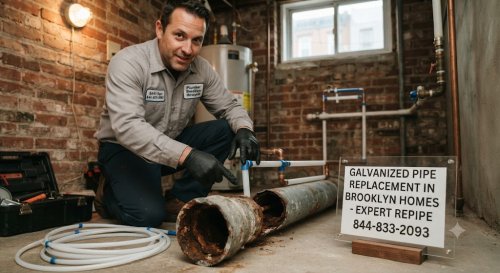
Aging Pipes and Scale: Older galvanized steel or cast-iron pipes feature rough, corroded interior walls that easily snag grease and food particles, causing clogs to form over and over.
-
Inadequate Pipe Slope: If horizontal drain pipes beneath your kitchen floor lack the proper downward slope, wastewater sluggishly sits in the pipe, dropping heavy sludge and sealing off the passage.
-
Hard Water Mineral Restriction: Hard water combines with soap scum and organic residue to form stubborn scale that progressively narrows your pipe diameter.
Signs You Should Never Ignore
When your kitchen sink starts showing distress signs, acting early prevents a messy midnight overflow. Watch out for these red flags:
-
Sluggish Drainage Speeds: If water takes longer and longer to empty after a meal, grease is rapidly narrowing your pipe walls.
-
Bubbling and Gurgling Drains: Trapped air escaping past a developing blockage creates distinct gurgling sounds.
-
Foul Municipal Sewage Smells: Decomposing organic matter trapped in the P-trap or main branch emits foul odors into your kitchen.
-
Backups in Lower Fixtures: Water from your kitchen sink backing up into a basement floor drain or laundry tub indicates a severe downstream blockage.
-
Persistent Dampness Under Cabinets: Leaks around the P-trap fittings caused by backpressure forcing water past worn-out slip-joint washers.
Common Plumbing Problems Related to This Issue
Ignoring a recurring kitchen sink clog can trigger a chain reaction of property complications:
-
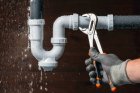
Leaking P-Traps and Slip Joints: Excessive backpressure forces water past threaded pipe connections under your sink cabinet.
-
Branch Drain Fractures: Extreme hydrostatic pressure from clearing blockages or ongoing clogs can crack brittle, aging cast-iron pipes.
-
Dishwasher Backflows: Dirty wash water backing up through the air gap or hose into your dishwasher basin during cycles.
-
Sewer Line Involvement: Main lateral blockages preventing the entire kitchen branch from discharging properly.
Step-by-Step Professional Repair Process
When you call Plumber Brooklyn Newyork to resolve a stubborn, recurring kitchen sink clog, our licensed technicians follow a thorough, proven workflow:
-
Comprehensive Inspection: The plumber inspects the under-sink piping, P-trap, wall cleanouts, and the behavior of adjacent fixtures.
-
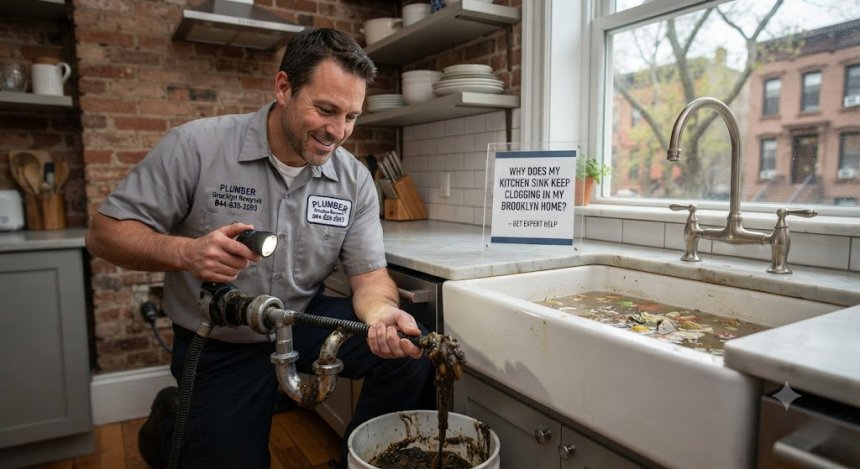
Diagnostic Assessment: Using professional snake cameras, technicians look inside the branch line to identify the exact nature and location of the obstruction.
-
Transparent Estimate: You receive a clear, upfront breakdown of recommended clearing methods, parts, and labor costs before any work begins.
-
Targeted Clearing or Hydro Jetting: Professionals use mechanical augers or high-pressure hydro jetting to scour grease and sludge completely from the pipe walls.
-
Rigorous System Testing: Large volumes of water are run through the sink to ensure rapid, smooth drainage and zero leaks at connections.
-
Jobsite Cleanup: The work area under your sink and surrounding kitchen floor is thoroughly wiped down and sanitized.
-
Maintenance Advice: The technician provides practical tips on how to keep your kitchen drain clear moving forward.
Can You Fix It Yourself?
While recurring clogs usually require professional intervention, homeowners can manage minor issues safely:
-
Safe DIY Solutions: Using a standard cup plunger (ensuring the overflow hole is plugged with a damp rag), or manually removing and cleaning out the P-trap beneath the sink with a bucket underneath.
-
Temporary Fixes: Pouring boiling water down the drain to soften mild soap and grease accumulation.
-
When DIY Becomes Dangerous: Pouring harsh chemical store-bought drain openers into standing water (which can splash and cause severe chemical burns), or aggressively twisting old metal pipe threads with heavy wrenches.
-
When Professional Plumbing is Necessary: Whenever a clog returns immediately after plunging, or if multiple fixtures in your kitchen and bathroom back up simultaneously.
Tools Professionals Use
Professional plumbers rely on advanced equipment to clear kitchen blockages completely, preventing quick re-clogging:
-
Motorized Drain Augers (Snakes): Heavy-duty cable machines that punch through dense, hard blockages deep inside branch lines.
-
Hydro Jetting Systems: High-pressure water streams that scour grease, scale, and food buildup off 360 degrees of pipe walls, restoring original diameter.
-
Drain Inspection Cameras: Fiber-optic scopes that verify whether a pipe is clean or if structural damage like a belly or crack exists.
-
Pipe Locators: Track underground or behind-the-wall pipe routes precisely if structural repairs are needed.
How Long Does the Repair Usually Take?
Timelines for resolving kitchen sink clogs depend on the complexity of the blockage:
-
Simple Clearing (e.g., cleaning the P-trap or light snaking): 30 to 45 minutes.
-
Moderate Clearing (e.g., deep snaking down the branch line): 1 to 2 hours.
-
Major Intervention (e.g., hydro jetting grease-choked lines or replacing corroded branch piping): 2 to 4 hours.
-
Factors Affecting Time: Pipe accessibility inside custom kitchen cabinetry, age and material of the plumbing, and severity of grease hardening.
Cost Factors for Kitchen Drain Services
Plumbing service and repair costs depend on several distinct variables. Estimates are tailored to your property:
-
Severity and physical depth of the kitchen clog.
-
Accessibility of under-sink plumbing or hidden wall drain lines.
-
Specialized equipment required (e.g., hydro jetting vs. standard snaking).
-
Emergency service dispatch timing (after-hours, weekends, or holidays).
-
Property type (historic brownstone, modern apartment, or multi-family building).
-
Local labor rates across the New York area.
Hidden Truths Homeowners Should Know
-
Store-bought chemical drain cleaners generate intense heat that can warp PVC pipes or corrode aging metal lines, often baking grease into a concrete-like consistency.
-
A kitchen sink that clogs repeatedly is telling you that grease and food sludge have narrowed the pipe past the point where a simple plunger can help.
-
Standard homeowner insurance policies do not cover routine plumbing maintenance or slow drain backups caused by improper food disposal.
-
Pouring liquid grease down the drain "with hot water" only moves the problem further down your pipes until it solidifies in a harder-to-reach spot.
-
Annual professional drain maintenance prevents unexpected holiday kitchen sink disasters when cooking for large family gatherings.
15 Common Mistakes Homeowners Make
-
Pouring warm cooking oils and grease straight down the kitchen drain.
-
Using harsh chemical drain cleaners as a first-line defense for recurring clogs.
-
Flushing starchy foods, pasta, or rice down the garbage disposal.
-
Grinding coffee grounds and eggshells in the disposal, which create dense, gritty sludge.
-
Ignoring slow-draining water until it turns into a total blockage.
-
Hiring unlicensed handymen who lack professional drain-cleaning machines.
-
Skipping regular cleaning and maintenance of the under-sink P-trap.
-
Over-tightening plastic slip-joint nuts during DIY repairs, stripping the threads.
-
Using mismatched replacement pipe sizes under the sink.
-
Forcing a manual hand snake too aggressively into old, fragile pipe elbows.
-
Assuming a garbage disposal can liquefy any type of food waste.
-
Neglecting to run cold water for 15 seconds after turning off the garbage disposal.
-
Overlooking bad pipe sloping or sagging branch lines in the basement.
-
Waiting until guests arrive to address a sluggish kitchen sink.
-
Failing to keep a drain strainer in place to catch food particles.
Maintenance Tips to Protect Your Property
-
Never pour cooking oil, bacon grease, or heavy dairy products down your kitchen sink; collect them in a container and throw them in the trash.
-
Scrape all food scraps and plate residue into the garbage before washing dishes.
-
Run cold water for at least 15 to 30 seconds before, during, and after using your garbage disposal to flush debris completely through the lines.
-
Place a fine mesh strainer over your sink drain openings to capture food bits and hair.
-
Flush your kitchen drain monthly with a mixture of baking soda and hot water to neutralize odors and cut minor grease.
-
Never grind fibrous vegetables like celery, corn husks, onion skins, or artichokes in your disposal.
-
Inspect under-sink P-trap connections twice a year for minor drips or loose slip-joint nuts.
-
Avoid using chemical drain cleaners; rely on mechanical plunging or professional hydro jetting.
-
Schedule an annual professional drain cleaning or camera inspection if your kitchen sink has a history of slow draining.
-
Keep garbage disposal blades sharp by grinding ice cubes periodically.
-
Never put coffee grounds down the sink, even with a disposal running; throw them in the compost.
-
Know the location of your main water shut-off valve just in case an emergency backup occurs.
-
Ensure your dishwasher discharge hose features a high loop to prevent backflow into the machine.
-
Monitor your water bills and drainage speeds for subtle performance changes.
-
Keep contact information for a trusted local plumber handy in your phone.
When Should You Call an Emergency Plumber?
While a slow kitchen sink can often wait for standard hours, certain scenarios demand immediate professional intervention:
-
Total Kitchen Flooding: Water is overflowing from the sink basin onto your kitchen floors, threatening cabinetry and subflooring.
-
Multi-Fixture Backups: Wastewater is backing up simultaneously into your kitchen sink, bathtub, and basement floor drains.
-
Foul Sewage Overflow: Raw sewage is emerging from your drains, creating immediate biological health hazards.
-
Burst Under-Sink Pipes: A supply line or drain pipe has ruptured completely, spraying water under cabinets.
Frequently Asked Questions
Why does my kitchen sink clog even though I have a garbage disposal?
Garbage disposals chop food into small pieces, but if those pieces mix with grease or are not flushed with enough water, they settle and bind together to form dense clogs in your branch lines.
How much does professional drain cleaning cost?
Drain cleaning fees vary depending on the depth and severity of the clog, as well as the equipment required (such as hydro jetting). Contact us directly for transparent pricing.
Can a clogged kitchen sink damage my home's pipes?
Yes. Severe clogs create intense hydrostatic pressure when water is forced past them, which can crack old pipe joints and cause leaks.