Brooklyn Brownstone Plumbing: Common Problems & Fixes
Explore common Brooklyn brownstone plumbing problems in older homes, warning signs, repair processes, and maintenance tips to protect your property.
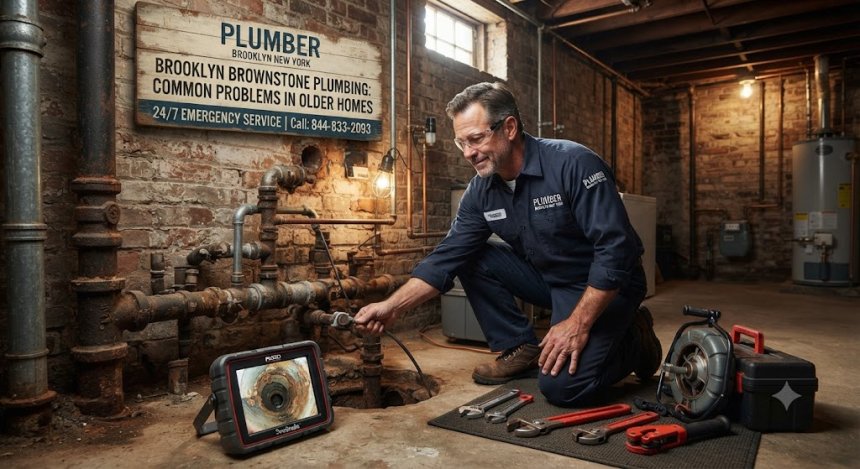
Brooklyn Brownstone Plumbing: Common Problems in Older Homes
Owning a historic brownstone in neighborhoods like Park Slope, Brooklyn Heights, Bedford-Stuyvesant, or Cobble Hill is a dream for many architectural enthusiasts. However, these stunning 19th- and early 20th-century buildings come with unique quirks—chief among them being aging infrastructure. Brooklyn brownstone plumbing systems have often endured a century or more of wear and tear, combining original materials with decades of piecemeal updates. When historic pipes fail, they can cause sudden leaks, low water pressure, and extensive water damage that threatens decorative plaster, hardwood floors, and structural timber.
At Plumber Brooklyn New York, we specialize in helping property owners across Kings County navigate the complexities of vintage plumbing systems. Understanding the anatomy of historic piping, recognizing subtle warning signs of decay, and knowing how professional intervention works will safeguard your investment. If you are facing an active plumbing issue in your historic home, contact us right away at 844-833-2093 for trusted local service across all Brooklyn neighborhoods.
What Is Brooklyn Brownstone Plumbing?
Brooklyn brownstone plumbing refers to the specialized water supply, drainage, and venting networks found in multi-story historic row houses built predominantly in the 1800s and early 1900s.
Common Situations and Symptoms
-
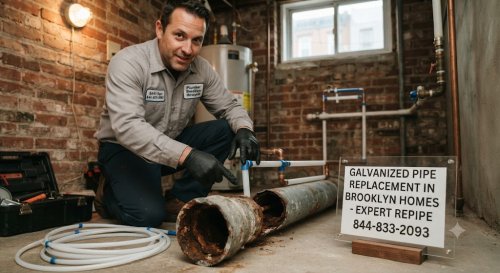
Outdated pipe materials: Many brownstones still contain hidden sections of galvanized steel, cast iron, or even original lead lines that degrade over time.
-
Low water pressure on upper floors: Multi-story living means water must travel upward against gravity; narrowed, corroded pipes choke this flow.
-
Recurrent slow drains: Older gravity-fed drain lines accumulate decades of scale, grease, and rust, reducing interior pipe diameters.
-
Musty basement odors: Aging sewer stacks or damp sub-grade utility rooms frequently produce chronic earthy or sewage-like smells.
Why Does This Plumbing Problem Happen?
Historic home plumbing problems stem primarily from the sheer age of the materials and how they interact with modern water usage demands.
Common Causes of Brownstone Plumbing Failures
-
Corrosion and mineral buildup: Galvanized steel and iron pipes rust from the inside out over decades, severely restricting water flow and weakening pipe walls.
-
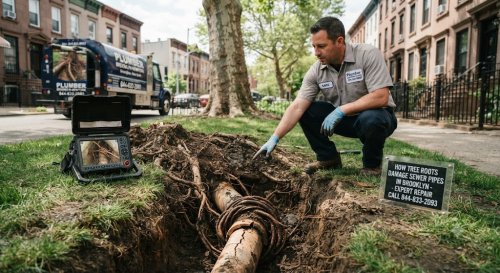
Tree root intrusion: Mature trees lining Brooklyn streets often invade older, fragile clay or cast iron sewer laterals running beneath front courtyards.
-
Outdated joint methods: Older wiped lead joints or threaded fittings loosen or crack due to building settling and thermal expansion.
-
High municipal water pressure: City supply pressures can stress aging interior pipes that were never designed to handle high PSI levels.
-
Improper past modifications: Previous owners or unqualified handymen may have mixed incompatible metals (such as copper and galvanized steel), accelerating galvanic corrosion.
-
Lack of modern venting: Historic layouts sometimes lack adequate air venting, leading to siphonage, dry P-traps, and sewer gas leaks.
Signs You Should Never Ignore
Spotting early distress indicators in a historic building prevents catastrophic structural rot:
-
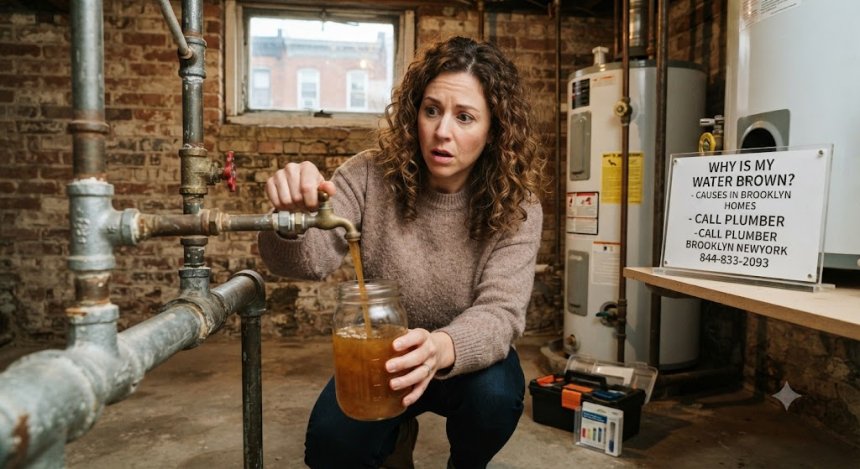
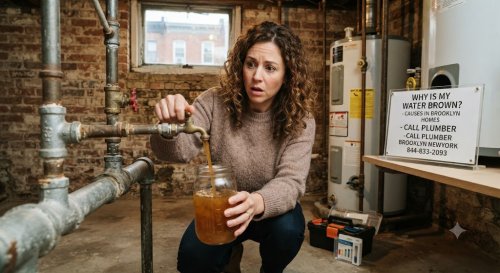
Discolored water: Brown or yellow water coming from taps indicates internal pipe rust and heavy sediment accumulation.
-
Unexplained water bills: A sudden spike in your municipal water bill points to a hidden slow leak behind historic plaster or beneath floors.
-
Damp walls or peeling paint: Moisture seeping through walls damages priceless architectural details and feeds mold growth.
-
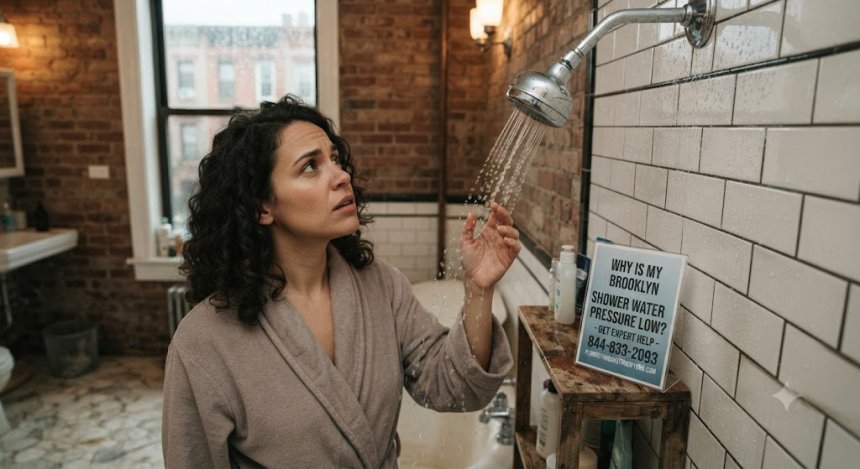
Low water pressure: Sputtering faucets or weak shower streams mean supply lines are clogged or failing.
-
Strange banging noises: Water hammer effects in old, unanchored pipes can loosen joints every time a valve closes rapidly.
Common Plumbing Problems Related to This Issue
Brownstone plumbing issues frequently cascade into multiple related home maintenance emergencies:
-
Pipe leaks behind historic walls: Pinholes in hidden lines ruin lath-and-plaster wall assemblies.
-
Main sewer line backups: Clogged cast iron house traps or main drains cause wastewater to overflow into the basement.
-
Water heater breakdowns: Sediment-clogged tanks or failing ancient supply valves disrupt hot water delivery.
-
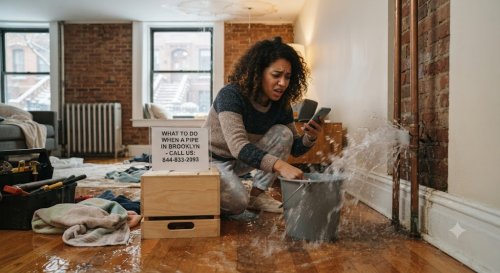
Burst supply lines: Brittle pipes can fracture completely under standard household pressure.
Step-by-Step Professional Repair Process
When dealing with delicate historic structures, a licensed team like Plumber Brooklyn New York employs a meticulous, non-destructive approach:
-
Step 1: Inspection: We carefully evaluate your multi-story layout, tracing pipe runs from the basement utility room up to top-floor bathrooms.
-
Step 2: Diagnosis: We use video inspection cameras and electronic acoustic listening tools to find hidden problems without tearing up historic finishes.
-
Step 3: Estimate: We provide a transparent, clear cost breakdown and discuss repair versus repiping options before starting.
-
Step 4: Repair: We execute modern repiping or repairs using code-compliant materials (like PEX or copper) while protecting your home's character.
-
Step 5: Testing: We pressure-test water lines and run drainage checks to verify absolute system integrity.
-
Step 6: Cleanup: We leave your brownstone spotless, removing all debris and old metal or piping fragments.
-
Step 7: Maintenance Advice: We offer tailored guidance on managing water pressure and winterizing historic sections.
Can You Fix It Yourself?
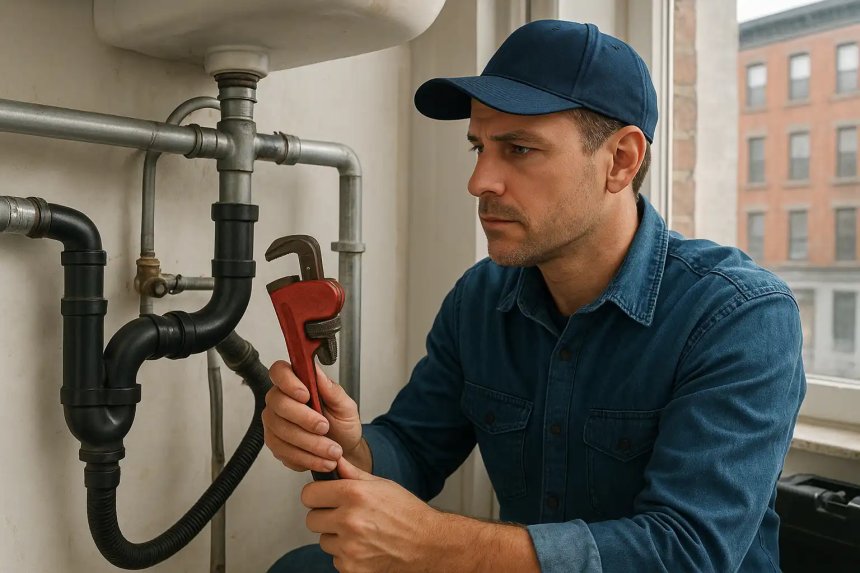
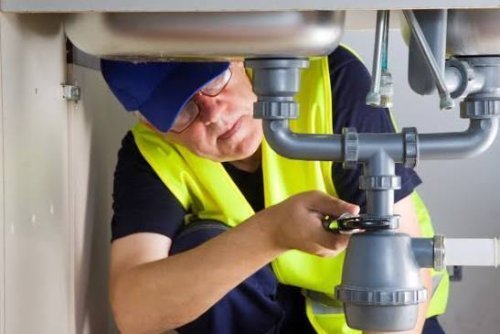
While tightening a loose sink P-trap is a safe DIY task, historic brownstone plumbing is never a candidate for amateur major repairs.
Safe DIY Measures vs. Professional Limits
-
Safe action: Clearing superficial hair clogs from a bathtub strainer or replacing a worn-out showerhead washer.
-
Dangerous territory: Attempting to cut into old galvanized supply lines, soldering vintage copper without proper fire blankets near wood joists, or clearing main stack clogs with motorized augers.
-
When to call a pro: Any time you encounter mysterious dampness, discolored water, multi-floor drainage failures, or suspected pipe corrosion.
Tools Professionals Use
Modern diagnostic and repair tools allow plumbers to protect historic architecture:
-
Drain and sewer cameras: High-definition fiber-optic cameras reveal interior pipe corrosion, cracks, and root intrusion.
-
Acoustic leak detectors: Electronic listening devices pinpoint pressurized water leaks beneath solid concrete basement slabs or behind walls.
-
Hydro jetting equipment: High-pressure water cleaning restores clogged cast iron drain lines without mechanical damage.
-
PEX expansion tools and press systems: Modern connection methods minimize open flame torch work near historic timber framing.
How Long Does the Repair Usually Take?
Repair timelines depend entirely on the scope of the historic preservation challenge:
-
Minor fixture or valve repairs: 1 to 2 hours.
-
Targeted section pipe replacement: Half a day to 1 full day.
-
Partial or full brownstone repiping: 3 to 7 days, carefully coordinated to maintain minimal disruption to your living space.
-
Emergency interventions: Immediate dispatch to secure leaks and prevent structural flooding.
Cost Factors
Plumbing repair costs vary depending on the severity of the problem, pipe accessibility, materials required, emergency service status, property type, and local labor rates. Key factors include:
-
Accessibility: Opening lath-and-plaster walls, historic moldings, or finished parquet floors requires careful opening and patching.
-
Pipe material and age: Working with fragile century-old cast iron or brittle galvanized steel requires specialized skill.
-
Extent of repiping: Spot repairs cost significantly less than wholesale vertical stack replacements.
-
Permit requirements: NYC Department of Buildings regulations may apply to major plumbing alterations.
Hidden Truths Homeowners Should Know
-
A small drip inside a brownstone wall can rot structural joists and trigger toxic mold outbreaks within weeks.
-
Cheap temporary rubber patch clamps on old iron pipes almost always fail under building pressure.
-
Standard insurance policies often deny coverage for water damage resulting from neglected, deteriorated historic pipes.
-
Galvanized pipes narrow silently over decades; what looks like a minor pressure drop is often total internal blockage.
-
DIY plumbing mistakes in historic homes can multiply repair bills exponentially if historical building codes are violated.
-
Hidden leaks drastically inflate municipal water bills before any visible symptom appears.
-
Annual professional plumbing inspections are essential financial investments for brownstone preservation.
15 Common Mistakes Homeowners Make
-
Ignoring minor water stains: Small ceiling stains usually indicate an active upper-floor leak.
-
Using chemical drain cleaners on old cast iron: Harsh chemicals accelerate corrosion in vintage metal pipes.
-
Flushing wet wipes: Even modern wipes clog historic, narrow basement house traps.
-
Pouring cooking grease down vintage kitchen sinks: Grease adheres to rough, rusted interior pipe walls.
-
Ignoring fluctuating water pressure: Pressure spikes stress brittle historic joints.
-
Hiring general handymen instead of licensed plumbers: Unlicensed work violates NYC codes and voids insurance protections.
-
Skipping routine system checkups: Waiting for an emergency in a multi-story brownstone multiplies water damage risks.
-
Delaying repairs to save money: Small problems grow into expensive structural emergencies.
-
Using incompatible pipe metals: Mixing copper and galvanized steel triggers rapid galvanic corrosion.
-
Over-tightening antique brass fixtures: Excessive torque snaps delicate, aged metal threads.
-
Failing to locate main water shut-off valves: Precious time is lost during a leak if the main valve is buried or stuck.
-
Disposing of renovation debris in sinks: Plaster dust and tile grout solidify in drain traps.
-
Neglecting unheated extensions: Mudrooms and garden-level additions freeze quickly during New York winters.
-
Overloading old electrical water heaters: Failing to match electrical draws with historic panel limits.
-
Assuming historic pipes will last forever: All materials have a finite lifespan requiring proactive replacement.
Maintenance Tips to Prevent Brownstone Plumbing Failures
-
Know your shut-off valves: Ensure everyone in the building knows how to turn off the main water supply instantly.
-
Watch what goes down drains: Never treat historic drains like modern garbage disposals.
-
Insulate exposed basement pipes: Protect vulnerable garden-level plumbing from freezing winter drafts.
-
Schedule annual inspections: Have a licensed professional check your main house trap and sewer lines.
-
Monitor your water bill: Watch for unexpected usage spikes that signal hidden leaks.
-
Clean aerators regularly: Remove mineral scale buildup from older faucets to maintain smooth flow.
-
Flush water heaters annually: Remove sediment buildup from tank bases to extend equipment life.
-
Address slow drains promptly: Clear minor blockages before they turn into full main line stoppages.
-
Inspect under sinks frequently: Look for dampness around wooden cabinet bases and supply connections.
-
Avoid chemical openers: Use mechanical snakes or professional hydro jetting instead.
-
Check sump pumps in garden levels: Test backup pumps regularly if your basement is below street grade.
-
Replace old flexible supply lines: Swap out braided or rubber supply lines behind toilets every 5 to 10 years.
-
Maintain proper building heating: Keep historic rooms warm enough during deep freezes to prevent pipe bursts.
-
Test backflow preventers: Protect your water supply from contamination risks.
-
Partner with local experts: Build a relationship with a plumbing team experienced in Brooklyn architecture.
When Should You Call an Emergency Plumber?
Certain situations demand immediate professional intervention:
-
A major pipe burst flooding your parlor or garden level.
-
Total sewer backup erupting through basement floor drains.
-
Complete loss of water supply across the building.
-
Uncontrollable spraying from a failed supply line or joint.
-
Suspected gas line leaks (evacuate immediately and call emergency services).
Fast action preserves historic woodwork, structural integrity, and personal property.