What Plumbing Problems Can Damage a Brooklyn Brownstone
Discover what plumbing problems can cause damage to a Brooklyn brownstone. Learn warning signs, structural risks, cost factors, and prevention tips.

What Plumbing Problems Can Cause Damage to a Brooklyn Brownstone?
Brooklyn brownstones are architectural treasures. Built primarily between the late 1800s and early 1900s, these historic multi-story row houses feature iconic sandstone facades, high ceilings, intricate plaster moldings, decorative wainscoting, and sturdy timber floor joists. However, behind those historic plaster walls and original oak flooring lies a delicate, multi-generational web of plumbing.
If you own, live in, or manage a historic row house in Park Slope, Bedford-Stuyvesant, Brooklyn Heights, Cobble Hill, or Crown Heights, you need to understand a sobering reality: water is the single greatest threat to a brownstone's structural integrity.
Unlike modern wood-frame or steel-and-concrete buildings, 19th-century brownstones rely heavily on old-growth wood joists anchored directly into shared masonry party walls. When hidden plumbing leaks go undetected inside these cavities, they do not just cause cosmetic drywall stains—they rot load-bearing floor beams, dissolve original plasterwork, undermine cellar foundations, and foster toxic mold colonies behind historical millwork.
So, what plumbing problems can cause damage to a Brooklyn brownstone? In this comprehensive guide, we examine the unique vulnerabilities of historic Brooklyn row houses, the specific plumbing failures that trigger catastrophic structural damage, step-by-step repair protocols, and practical maintenance strategies to safeguard your investment.
What Is What Plumbing Problems Can Cause Damage to a Brooklyn Brownstone?
Understanding What Plumbing Problems Can Cause Damage to a Brooklyn Brownstone? requires looking at how 100-plus-year-old architectural design interacts with modern plumbing demands.
Brownstones were originally plumbed during eras with vastly different materials, water pressure standards, and appliance loads than we have today. Over decades, these systems undergo piecemeal updates—a copper retrofit here, a PVC drain trap there—creating hybrid plumbing systems running through tight vertical chases and party wall pockets.
                  BROWNSTONE STRUCTURAL VULNERABILITY MAP
  ┌─────────────────────────────────────────────────────────────────────────┐
  │                                                                         │
  │  UPPER FLOORS (3rd / 4th Story Bathrooms & Laundries)                   │
  │  ──> Pin-hole leaks soak pine subfloors & seep into lower ceilings.    │
  │                                                                         │
  │  PARTY WALL CHASES (Shared Vertical Plumbing Cavities)                 │
  │  ──> Leaking risers rot joist pockets anchored in wet brickwork.       │
  │                                                                         │
  │  CELLAR / BASEMENT SLAB (Main Drain & Water Service Entry)              │
  │  ──> Cracked cast iron or clay sewers erode soil under stone footings.   │
  │                                                                         │
  └─────────────────────────────────────────────────────────────────────────┘
A brownstone plumbing problem refers to any mechanical failure, material breakdown, or installation flaw within the supply, waste, or steam heating systems that allows water or sewer gas to escape into the building envelope.
Common Situations in Historic Brooklyn Properties
-
In-Wall Riser Drips: A slow, steady pinhole leak on a 1/2-inch copper water riser inside a 3rd-floor bathroom chase, dripping continuously down onto 2nd-floor ceiling joists for months before breaking through original plaster medallions.
-
Corroded Waste Stack Cracks: Vertical cast iron stacks expanding and splitting along vertical seams due to internal rust build-up (tuberculation), leaking foul wastewater behind pantry cabinets.
-
Cellar Slab Water Infiltration: Main sewer trap seals drying out or clay drain tiles fracturing beneath the cellar floor, releasing sewage water into the porous rubble foundation walls.
Why Do These Plumbing Problems Happen in Brooklyn Brownstones?
Plumbing degradation in historic Brooklyn properties is rarely caused by a single factor. Instead, it is the cumulative result of age, architectural mechanics, environmental stress, and modern usage patterns.
       KEY DRIVERS OF BROWNSTONE PLUMBING DEGRADATION
  ┌─────────────────────────────────────────────────────────┐
  │                                                         │
  │  1. Advanced Structural Age (80 to 140+ Years)          │
  │  2. Galvanized Steel & Cast Iron Metal Fatigue          │
  │  3. Vibration & Settling from Nearby NYC Subways       │
  │  4. Tree Root Invasion in Historic Sewer Lines          │
  │  5. High Municipal Water Pressure Spikes                │
  │  6. Incompatible Metal Joining (Galvanic Corrosion)    │
  │                                                         │
  └─────────────────────────────────────────────────────────┘
1. Advanced System Age and Material Fatigue
The primary driver of brownstone plumbing failure is simple math. Supply lines made of galvanized steel have a functional life expectancy of 40 to 50 years; cast iron waste stacks last 75 to 100 years; clay underground sewer pipes last around 50 to 60 years. Most Brooklyn brownstones were built between 1870 and 1920, meaning their original piping materials have exceeded their engineered lifespan by several decades.
2. Settling Foundations and Subway Vibrations
Brooklyn row houses sit on urban soil that shifts over time. Furthermore, continuous micro-vibrations from nearby MTA subway lines (such as the 2, 3, 4, 5, A, C, F, and R trains) and heavy street traffic slowly stress rigid threaded pipe joints and lead-soldered drain connections, causing them to loosen and leak.
3. Galvanic Corrosion from Mixed Pipe Materials
Over a century of piecemeal renovations, previous owners often joined new copper pipes directly onto original galvanized iron lines without installing dielectric unions. This causes rapid galvanic corrosion—an electrochemical reaction where the softer metal erodes rapidly, producing pinhole leaks at the connection points.
4. High NYC Water Mains Pressure
The NYC Department of Environmental Protection (DEP) supplies water at high street pressures to ensure adequate delivery to multi-story buildings. If a brownstone lacks a functioning pressure-reducing valve (PRV), continuous incoming water pressure exceeding 80 PSI strains aging solder joints and flexible fixture lines.
5. Tree Root Intrusion in Main Sewers
The lush canopy of oak, maple, and plane trees lining historic brownstone blocks in neighborhoods like Fort Greene and Clinton Hill poses a constant threat underground. Seeking moisture, tree roots penetrate tiny gaps in clay tile sewer lines, expanding until the pipe collapses beneath front gardens or sidewalks.
Warning Signs You Should Never Ignore
Early detection is the difference between a simple spot-repair and a multi-thousand-dollar structural restoration. Watch for these red flags:
1. Water Stains and Bubbling Paint
Yellowish, brown, or dark rings on ceilings—especially beneath bathrooms or kitchens—indicate an active overhead supply or waste line leak. Bubbling or peeling paint on plaster walls signals water traveling along interior wall studs.
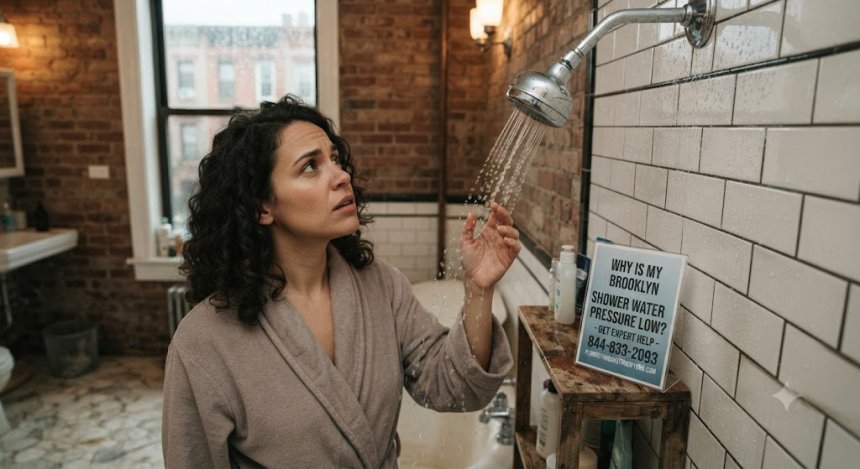
2. Sudden Drops in Water Pressure
If water flow drops significantly when someone flushes a toilet or turns on a second faucet, corrosion inside galvanized supply lines is severely restricting internal pipe diameter, or a major supply leak is discharging water elsewhere in the building.
3. Buckling, Warping, or Cupping Hardwood Floors
Original pine or oak flooring that begins to crown, cup, or feel spongy underfoot points to subfloor moisture buildup caused by radiator valve drips, under-tub drain leaks, or kitchen line failures.
4. Damp or Efflorescent Cellar Foundation Walls
White, powdery mineral deposits (efflorescence) or damp patches on stone, brick, or mortar basement walls mean water is leaking into the soil immediately outside the foundation slab from a broken service line or cracked sewer lateral.
5. Persistent Musty Odors and Mold Growth
A persistent damp smell in closets, pantries, or stairwells indicates hidden moisture behind plaster. Mold thrives in unventilated wall cavities within 24 to 48 hours of water exposure.
6. Mysterious Gurgling Noises
If your bathroom sink gurgles when the toilet flushes, your main waste stack is partially blocked or the roof vent pipe is obstructed, causing negative pressure that pulls water out of P-traps.
Specific Plumbing Problems That Threaten Brownstones
Different plumbing components create distinct hazards inside historic row house structures:
-
Galvanized Water Supply Line Failures: Internal rust restricts water flow and creates thin spots on pipe walls that burst under standard municipal pressure, flooding lower levels.
-
Cast Iron Waste Stack Splits: Vertical drain stacks inside party walls crack horizontally along seams, leaking raw sewage onto structural floor joists.
-
Lead Main Service Line Degradation: Ancient lead supply pipes connecting street mains to cellar meters can deform, leak under garden walkways, and pose severe lead drinking water contamination hazards.
-
Steam Radiator Angle Valve and Air Vent Leaks: In steam-heated brownstones, failing radiator air vents spit boiling water onto hardwood floors, while loose angle valves drip down through floorboards into joist pockets.
-
Underground Clay Sewer Collapse: Collapsed clay sewer lines beneath front entry stoops cause ground subsidence, cracking bluestone pavers and destabilizing front stoop masonry.
Step-by-Step Professional Inspection and Repair Process
Repairing plumbing inside a historic Brooklyn brownstone requires specialized care to resolve mechanical issues while preserving original architectural features:
                          PROFESSIONAL REPAIR PROTOCOL
 ┌──────────────┐     ┌──────────────┐     ┌──────────────┐     ┌──────────────┐
 │  Step 1:     │ ──> │  Step 2:     │ ──> │  Step 3:     │ ──> │  Step 4:     │
 │  Non-Invasive│     │  HD Video    │     │  Structural  │     │  Surgical    │
 │  Detection   │     │  Inspection  │     │  Assessment  │     │  Access      │
 └──────────────┘     └──────────────┘     └──────────────┘     └──────────────┘
                                                                       │
 ┌──────────────┐     ┌──────────────┐     ┌──────────────┐            │
 │  Step 7:     │ <── │  Step 6:     │ <── │  Step 5:     │ <──────────┘
 │  Preventative│     │  Pressure    │     │  System      │
 │  Plan        │     │  Testing     │     │  Replacement │
 └──────────────┘     └──────────────┘     └──────────────┘
Step 1: Non-Invasive Leak Detection
Licensed plumbers utilize thermal imaging cameras, acoustic listening devices, and moisture meters to pinpoint active leaks behind walls without cutting unnecessarily into historic plaster or decorative woodwork.
Step 2: HD Video Drain and Stack Inspection
A waterproof camera equipped with radio transmitters is inserted into waste lines and stack cleanouts to inspect internal pipe walls, locate cracks, and evaluate root blockages in real time.
Step 3: Structural Impact Assessment
Plumbers evaluate whether escaping water has compromised nearby structural elements, such as floor joists, wall studs, or foundation mortar, coordinating with structural specialists if necessary.
Step 4: Surgical Access and Historic Feature Protection
If wall opening is necessary, plumbers use precision tools to create controlled access points inside closets, utility chases, or non-decorative wall sections to preserve original plaster moldings and wainscoting.
Step 5: Material-Specific System Replacement
Failing pipes are cut away and replaced using high-grade Type L copper for water supply or heavy-duty cast iron / schedule-40 PVC for waste lines, ensuring full compliance with NYC Plumbing Code.
Step 6: Multi-Stage Pressure and Flow Testing
New piping undergoes hydrostatic pressure testing to verify that all mechanical joints, valves, and connections are completely watertight before wall cavities are closed.
Step 7: Final Documentation and Preventative Advice
The homeowner receives a detailed diagnostic report, warranty documentation, and customized maintenance recommendations to protect the updated system.
Can You Fix Brownstone Plumbing Problems Yourself?
Because brownstone plumbing systems are interconnected and run through historic framing, DIY repairs carry immense risk of accidental structural and water damage.
                       DIY RISK ASSESSMENT MATRIX
 ┌──────────────────────────────────┬──────────────────────────────────┐
 │ SAFE FOR HOMEOWNERS (Basic)      │ DANGEROUS FOR DIY (Call Master)  │
 ├──────────────────────────────────┼──────────────────────────────────┤
 │ • Swapping faucet aerators       │ • Unthreading galvanized fittings│
 │ • Clearing surface sink clogs    │ • Soldering copper near old wood │
 │ • Replacing toilet flappers      │ • Snaking old cast iron stacks   │
 │ • Insulating exposed cellar pipes│ • Pouring chemical drain openers │
 │ • Bleeding hot water radiators   │ • Opening main sewer traps       │
 └──────────────────────────────────┴──────────────────────────────────┘
What Homeowners Can Safely Do
-
Clearing Minor Surface Clogs: Using a rubber sink or toilet plunger to clear localized fixture blockages.
-
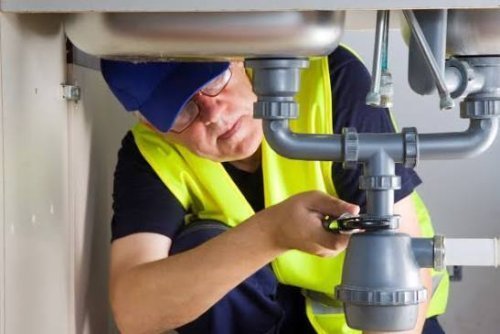
Basic Fixture Care: Replacing worn faucet washers, showerheads, or exposed under-sink slip-joint washers.
-
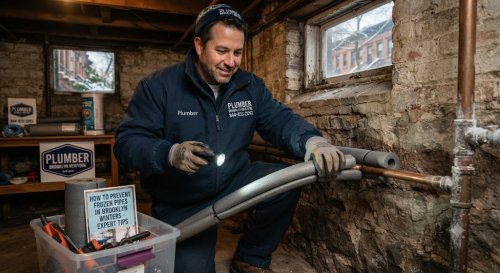
Insulating Exposed Pipes: Wrapping foam pipe sleeves around exposed cellar water lines to prevent seasonal freezing.
When DIY Becomes Extremely Dangerous
-
Applying Wrench Pressure to Old Galvanized Lines: Unthreading corroded galvanized pipe fittings often snaps the pipe off inside the wall cavity, turning a minor drip into an open water main flood.
-
Open Flame Torch Soldering: Using a propane torch to solder copper pipes near dry, 100-year-old pine wall framing creates a severe fire hazard.
-
Using Harsh Chemical Drain Cleaners: Caustic chemical drain openers react with internal rust inside old cast iron stacks, generating chemical heat that eats through thin pipe walls and leaks down into lower apartments.
Specialized Tools Professionals Use in Historic Homes
Licensed master plumbers use advanced technology designed specifically for delicate and complex historic structures:
-
Thermal Imaging Cameras: Detect temperature variations behind plaster walls and beneath wood flooring to trace hidden hot or cold water leaks without demolition.
-
High-Definition Sewer Cameras: Transmit live video feeds from deep within waste stacks and underground sewer laterals to pinpoint structural breaks.
-
Hydro-Jetting Systems: High-pressure water equipment (operating up to 4,000 PSI) scours heavy grease, scale, and root mass from cast iron drains without damaging pipe structures.
-
Ultrasonic Leak Detectors: Amplify the sound frequency of pressurized water escaping from pinhole pipe leaks buried inside masonry or concrete.
-
Trenchless Pipe Lining Equipment (CIPP): Relines damaged underground sewer pipes with epoxy-saturated sleeves, restoring pipe integrity without excavating historic front yards or bluestone stoops.
How Long Do Brownstone Plumbing Repairs Take?
Repair timelines depend heavily on accessibility, scope of work, and city permitting requirements:
-
Simple Spot Repair or Valve Swap (1 – 3 Hours): Replacing a leaking shut-off valve, repairing an under-sink trap, or replacing a shower cartridge.
-
Localized Stack or Riser Repair (1 – 2 Days): Opening a controlled wall section to cut out and replace a damaged 10-foot section of cast iron stack or copper riser.
-
Complete Vertical Riser Replacement (3 – 5 Days): Replacing water supply and waste stack lines from cellar to top floor across a 4-story row house.
-
Underground Main Sewer Line Replacement (2 – 4 Days): Excavating front gardens or sidewalks, replacing main sewer laterals, and completing NYC DEP permit inspections.
Cost Factors in Brooklyn Brownstone Plumbing Projects
Plumbing repair costs vary depending on the severity of the problem, pipe accessibility, materials required, emergency service needs, property type, and local labor rates.
Key cost factors include:
-
Wall and Floor Accessibility: Reaching pipes hidden behind thick lath-and-plaster walls, historic tile, or under hardwood flooring requires careful surgical labor and subsequent restoration.
-
Historic Preservation Standards: Working carefully around original plaster moldings, carved wood casings, and antique decorative fixtures increases overall labor hours.
-
NYC Permitting and DEP Fees: Major sewer replacements, main water line upgrades, or gas line work require official permits from the NYC Department of Buildings (DOB) and DEP.
-
Emergency Dispatch Rates: After-hours, weekend, or holiday emergency calls carry premium labor rates due to rapid deployment needs.
-
Material Selection: Commercial-grade cast iron, heavy-wall Type L copper, and specialized brass fittings carry higher material costs than standard modern plastic components.
Hidden Truths Every Brownstone Owner Should Know
Managing a historic Brooklyn property requires understanding these practical industry realities:
-
Slow In-Wall Leaks Are Far More Destructive Than Burst Pipes: A sudden burst pipe gets shut off immediately. A 1-drop-per-minute leak inside a wall joist pocket can quietly rot load-bearing floor beams for two years before being discovered.
-
Cheap Quick-Fix Clamps Fail Inevitably: Emergency rubber sleeves and epoxy putty are strictly short-term temporary measures; they fail under continuous system pressure cycles.
-
Homeowners Insurance Excludes Gradual Seepage: Most insurance policies cover sudden and accidental water discharges, but explicitly deny coverage for damage caused by long-term, unaddressed leaks or neglected plumbing.
-
Snaking Clay Pipes Is Only a Temporary Solution: Cutting tree roots with a drain snake clears the pathway temporarily, but roots will regrow through open pipe joints within months unless the line is relined or replaced.
-
NYC Water Pressure Can Ruin Old Fixtures: Without a pressure-reducing valve (PRV), water pressure spikes can burst delicate antique faucet seals and flexible supply hoses.
-
DIY Plumbing Errors Destroy Historic Value: Sloppy drywall patches, cut plaster moldings, and improperly routed exposed pipes permanently degrade a brownstone's market valuation.
-
Unaddressed Leaks Cause Rapid Mold Spreads: Toxic mold colonies develop within 24 to 48 hours in damp, unventilated cavities between plaster and masonry party walls.
-
Annual Maintenance Inspections Save Tens of Thousands: Catching a failing shut-off valve or stack hairline crack during a routine annual inspection prevents multi-floor emergency flood repairs.
15 Common Plumbing Mistakes Homeowners Make
                      15 PLUMBING MISTAKES TO AVOID
 ┌───────────────────────────────────────────────────────────────────┐
 │                                                                   │
 │  1. Ignoring Low Water Pressure    9. Hanging Items on Supply Lines│
 │  2. Pouring Chemical Cleaners     10. Skipping Annual Inspections │
 │  3. Flushing "Flushable" Wipes    11. Leaving Hose Lines Hooked Up│
 │  4. Dumping Cooking Grease        12. Over-Tightening Fittings    │
 │  5. Hiring Unlicensed Contractors 13. Painting Over Corroded Pipes│
 │  6. Removing Pressure Valves      14. Joining Dissimilar Metals   │
 │  7. Postponing Necessary Repipes  15. Concealing Leaks Without    │
 │  8. Aggressive Valve Closing          Fixing Root Causes          │
 │                                                                   │
 └───────────────────────────────────────────────────────────────────┘
-
Ignoring Minor Low Water Pressure: Treating dropping water volume as a minor nuisance rather than investigating pipe corrosion or active leaks.
-
Pouring Caustic Chemical Drain Cleaners: Pouring harsh acid cleaners into old cast iron drains, eating away fragile pipe walls.
-
Flushing Synthetic Wipes: Flushing "flushable" wipes that snag on rough cast iron pipe interiors and form severe blockages.
-
Pouring Fats, Oils, and Grease (FOG) Down Sinks: Dumping cooking grease down kitchen drains, where it hardens along cold basement pipe runs.
-
Hiring Unlicensed Handymen: Allowing uncertified workers to perform work without NYC master plumbing licenses or liability insurance.
-
Removing or Bypassing Pressure Valves: Removing pressure-reducing valves to boost flow, exposing fragile old pipes to dangerous pressure spikes.
-
Postponing Necessary Full Repiping: Applying dozens of temporary patch repairs instead of replacing a completely failed, 100-year-old pipe network.
-
Forcing Stuck Valve Handles: Forcing ancient multi-turn shut-off valves, breaking valve stems off inside pipe bodies.
-
Hanging Items on Exposed Basement Lines: Using overhead copper or iron water supply lines as storage racks or clothes-drying hangers.
-
Skipping Pre-Purchase Sewer Camera Inspections: Buying a historic row house without inspecting the underground main sewer line for root collapse.
-
Leaving Garden Hoses Connected in Winter: Leaving garden hoses attached to outdoor spigots during freezing weather, splitting internal pipe bodies.
-
Connecting Copper to Galvanized Steel Directly: Coupling dissimilar metals without dielectric unions, causing rapid galvanic corrosion.
-
Painting Over Rusted Pipe Stacks: Painting over rusting cast iron waste lines to hide corrosion rather than fixing structural pipe wall degradation.
-
Over-Tightening Threaded Fittings: Over-tightening threaded brass or iron pipe joints, cracking fitting housings.
-
Concealing Damp Spots with Drywall: Covering damp plaster with new drywall without finding and repairing the active behind-wall pipe leak.
15 Practical Maintenance Tips for Brownstone Owners
Protect your historic investment with these proactive maintenance steps:
-
Schedule Annual Camera Inspections: Have a licensed plumber inspect your main drain and sewer line every spring to check for tree root invasion.
-
Install a Whole-House Pressure Regulator: Keep incoming municipal water pressure strictly between 45 and 65 PSI to protect aging pipe solder joints.
-
Insulate Exposed Basement and Exterior Wall Pipes: Wrap foam insulation around water pipes running through unheated cellars or along drafty exterior brickwork.
-
Upgrade to Stainless Steel Appliance Hoses: Replace rubber washing machine and dishwasher hoses with braided stainless steel supply lines.
-
Exercise Shut-off Valves Annually: Turn main water and fixture shut-off valves off and on once a year to prevent mineral scale from seizing the handles.
-
Use Mesh Strainers on All Drains: Place stainless mesh strainers over sink, shower, and tub drains to capture hair and food debris.
-
Flush Your Water Heater Every 12 Months: Drain sediment from your water heater tank annually to extend tank life and improve heating efficiency.
-
Know Your Main Water Shut-Off Location: Ensure all household members know the exact location of the cellar main water shut-off valve for emergency use.
-
Deploy Smart Leak Detectors: Place wireless moisture sensors near water heaters, under kitchen sinks, and beside washing machines for immediate mobile leak alerts.
-
Maintain Clear Backyard and Lightwell Drains: Clean leaves and street debris off outdoor yard drains to prevent rain backups into cellar floor slabs.
-
Inspect Cast Iron Stacks for Flaking: Regularly inspect exposed basement waste stacks for white powder or metal flaking, which signal active pinhole leaks.
-
Keep Interior Heat Above 55°F in Winter: Maintain consistent indoor heat during winter cold snaps, even when traveling, to prevent freeze-bursts.
-
Check Radiator Angle Valves Every Heating Season: Inspect steam radiator valves and air vents for drips or mineral crust buildup before turning on seasonal heating.
-
Install Dielectric Unions on Mixed Lines: Ensure any connections between copper and iron pipes feature dielectric insulating unions.
-
Keep Written Records of All Plumbing Work: Maintain a detailed maintenance log of all inspections, repairs, and pipe upgrades for insurance and resale valuation.
When Should You Call an Emergency Plumber?
Certain severe situations demand immediate professional intervention to stop structural water damage:
                      EMERGENCY PLUMBING CHECKLIST
 ┌───────────────────────────────────────────────────────────────────┐
 │                                                                   │
 │  • Active, Uncontrollable Burst Supply Pipe                       │
 │  • Raw Sewage Backing Up Through Cellar Floor Drains or Fixtures  │
 │  • Total Loss of Running Water Across All Floors                  │
 │  • Water Leaking Near Electrical Panels, Outlets, or Fixtures     │
 │  • Rapidly Sagging or Dripping Plaster Ceilings                   │
 │  • Steam Radiator Valves Spitting Boiling Water Continuously      │
 │                                                                   │
 └───────────────────────────────────────────────────────────────────┘
When an active pipe burst occurs, immediately shut off your main cellar water valve and contact a licensed master plumber right away.
Frequently Asked Questions
Why is my water pressure suddenly low in my Brooklyn brownstone?
A sudden drop in water pressure typically points to an active main supply leak, a failing pressure-reducing valve, or heavy corrosion inside aging galvanized iron pipes choking off water volume.
Can a leaking pipe cause structural damage to a brownstone?
Yes. Continuous water exposure rots wooden floor joists anchored into brick party walls, dissolves historic plaster, causes subfloors to buckle, and undermines stone foundation footings in cellars.
Is hydro-jetting safe for old cast iron pipes?
Hydro-jetting is safe if a camera inspection is performed first. A master plumber verifies pipe wall thickness to ensure high-pressure water clears grease and roots without damaging fragile pipe walls.
How do I know if my sewer line is broken under my front garden?
Signs of a broken underground sewer line include recurring drain backups, foul sewage odors in the front yard, sunken garden soil, or cracked bluestone pavers above the sewer path.
How long do original cast iron plumbing stacks last?
Cast iron waste stacks generally last between 75 and 100 years. Over time, wastewater acids cause internal corrosion, leading to vertical cracks and bottom-channel erosion.
What is the best pipe material for repiping a historic brownstone?
Type L rigid copper is the gold standard for water supply lines due to its durability and high pressure rating. Flexible PEX is also widely used for tight wall chases, while cast iron or PVC is preferred for waste stacks.
Why does my tap water look brown or rusty in the morning?
Brown or reddish water indicates internal oxidation inside aging galvanized iron supply lines. As water sits motionless overnight, rust flakes dissolve into standing water.
Can plumbing leaks cause toxic mold behind brownstone plaster?
Yes. Mold spores germinate within 24 to 48 hours in damp, dark cavities between plaster walls and brick masonry when a hidden pipe leak is present.
Does homeowners insurance cover brownstone plumbing leaks?
Insurance typically covers sudden, accidental water discharges (such as a burst copper pipe). However, policies routinely deny claims caused by gradual seepage, long-term corrosion, or unaddressed maintenance.
When should I replace my brownstone's plumbing instead of repairing it?
If your plumbing system is over 50 years old, consists of galvanized iron or lead, yields discolored water, or experiences frequent leaks across multiple floors, a full or partial repipe is far more cost-effective than ongoing emergency spot repairs.
Why Choose Plumber Brooklyn New York?
Preserving a historic Brooklyn brownstone requires deep technical knowledge, specialized tools, and respect for historic architecture. Here is why property owners trust Plumber Brooklyn New York:
-
Decades of Local Row House Experience: We specialize in the architectural layouts, party-wall configurations, and historic pipe systems unique to Brooklyn brownstones.
-
Licensed NYC Master Plumbers: Fully certified, licensed, and insured professionals adhering strictly to NYC Department of Buildings (DOB) and DEP codes.
-
Surgical, Non-Destructive Diagnostics: We use thermal imaging, acoustic leak detectors, and HD cameras to pinpoint problems with minimal disruption to historic plaster and trim.
-
Upfront, Transparent Pricing: Clear, itemized estimates before work begins—no hidden fees or unexpected charges.
-
24/7 Emergency Response: Our rapid-deployment team is available around the clock to stop active leaks and protect your property.
-
Full Municipal Permitting: We manage all necessary NYC DOB filings, DEP water/sewer permits, and official inspection sign-offs from start to finish.