Why Do I Smell Sewer Gas in My Brooklyn Home?
Discover common causes of sewer odors in Brooklyn homes and apartments, from dry P-traps to damaged vent stacks, and learn how to resolve them.
Dealing with a persistent foul smell in your home is never pleasant, but noticing a distinct sewer gas odor can be particularly alarming. In many Brooklyn residences—ranging from historic brownstones in Park Slope to modern apartment buildings in Downtown Brooklyn—detecting an unpleasant sulfur or sewage smell usually points to a specific issue within the drainage or venting network.
Over two decades of working hands-on as a plumber across New York, I have found that homeowners and tenants often worry the entire sewer main has collapsed when they smell gas. Fortunately, the source is frequently much simpler. Understanding how your plumbing system manages air and water can help you identify why these odors occur and when it is time to call a professional Brooklyn plumber.
How Plumbing Systems Keep Odors Out
Your home plumbing is designed as a closed loop that not only carries wastewater away but also safely channels sewer gases up and out of the building. Two main components prevent foul odors from entering your living spaces:
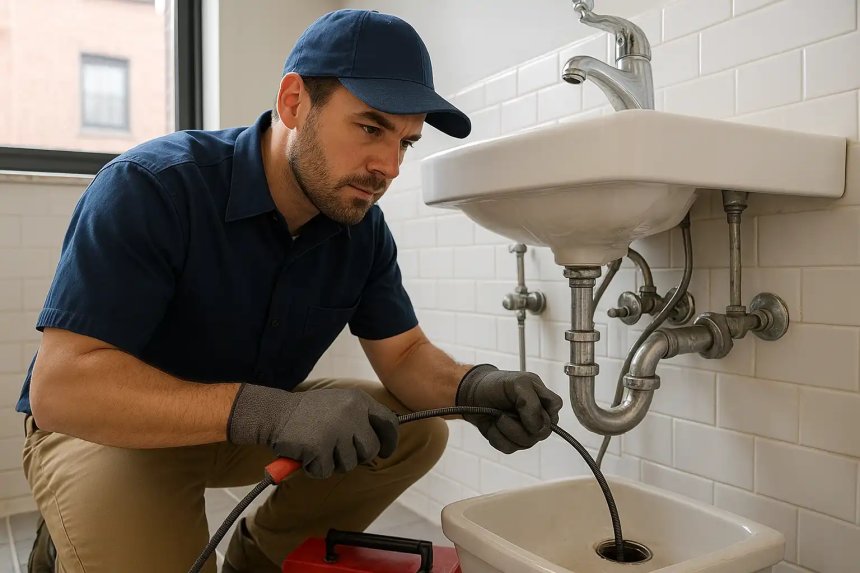
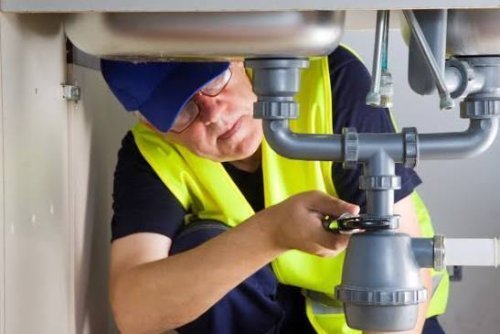
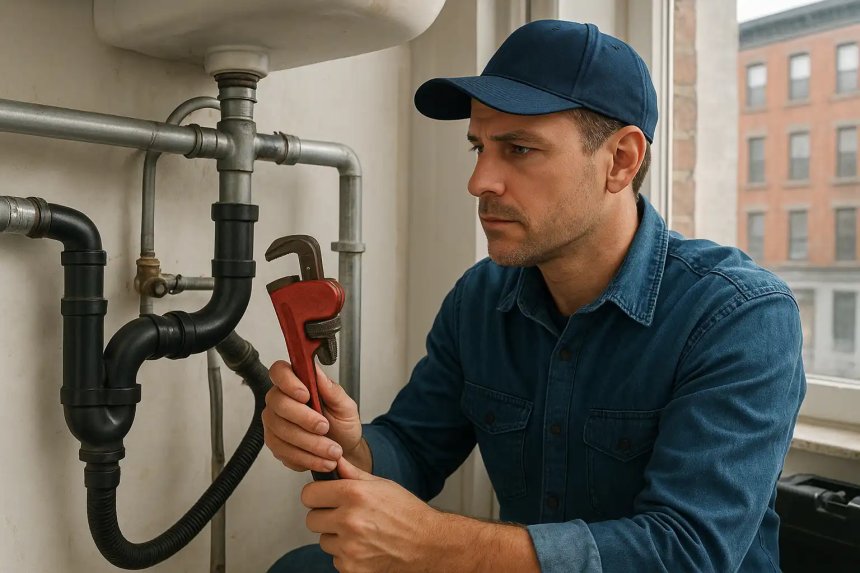
- P-Traps: Every fixture—sink, shower, tub, and toilet—has a curved section of pipe beneath it called a P-trap. This curve holds a small amount of water that acts as a physical barrier, blocking sewer gases from rising up through the drain opening.
- Plumbing Vents: The vent stack is a pipe that extends through the roof of your building. It allows air to enter the plumbing system to maintain proper atmospheric pressure while safely venting sewer gases high above the property.
When sewer odors make their way indoors, it almost always means one of these two defenses has been compromised.
Most Common Causes of Sewer Odors
Pinpointing the exact source of a sewer smell requires looking at how often fixtures are used, the condition of your pipes, and the weather outside.
1. Dried-Out P-Traps
This is by far the most frequent cause of mysterious sewer odors in infrequently used spaces, such as a guest bathroom, basement utility sink, or floor drain in a laundry room. If a fixture is not used for a few weeks, the water in the P-trap evaporates. Once that water barrier is gone, sewer gas flows freely into the room.
The Fix: Run water down every drain in the house for a minute or two to refill the traps. For rarely used floor drains, pouring a cup of water down the drain every few weeks keeps the seal intact.
2. Clogged or Damaged Vent Stacks
The plumbing vent on your roof can sometimes become blocked by leaves, debris, bird nests, or even ice during freezing winter weather. When the vent is blocked, wastewater draining from upper floors can create a vacuum that pulls the water right out of nearby P-traps, allowing sewer gas to escape.
In older multi-family buildings in neighborhoods like Williamsburg or Crown Heights, vent pipes can also corrode or crack over time, leaking gas into wall cavities or crawl spaces.
3. Loose or Damaged Toilet Wax Rings
If you notice a sewer smell specifically around a bathroom floor, the wax ring seal beneath the toilet may have failed. The wax ring creates an airtight and watertight seal between the bottom of the toilet bowl and the waste pipe in the floor. When this seal breaks down, sewer gas leaks out around the base of the fixture.
4. Cracked or Corroded Cast Iron Pipes
Many older homes and apartments in Brooklyn feature aging cast iron drain and sewer lines. Over decades of service, interior corrosion can create pinhole leaks or hairline cracks. While these cracks might not cause major water leaks right away, they can easily allow sewer odors to seep into basements or interior walls.
Practical Steps and Prevention
Maintaining a fresh-smelling plumbing system comes down to routine care and paying attention to early warning signs:
- Regularly run water in spare bathrooms, utility sinks, and floor drains to keep P-traps full.
- Keep bathroom exhaust fans running during and after showers to maintain good ventilation and reduce ambient moisture.
- Never ignore a slow drain, as organic buildup inside pipes can create unpleasant sulfur-like odors even before a complete clog forms.
- Schedule routine plumbing inspections if you live in an older property with aging infrastructure.
Frequently Asked Questions
Why does the sewer smell get worse on rainy days?
Low barometric pressure during storms can push sewer gases upward through municipal lines and into household vent systems, especially if a vent is partially blocked or if municipal sewer lines are temporarily overburdened.
Can a smelly drain make me sick?
Low-level exposure to sewer gas is primarily an unpleasant nuisance, but prolonged exposure to high concentrations of methane, hydrogen sulfide, and other gases can cause headaches, nausea, and dizziness. If you suspect a significant gas leak, ventilate the area immediately.
Is a sewer odor always a plumbing emergency?
Not necessarily. Often it is simply a dry P-trap that needs water. However, if running water does not eliminate the smell within a few hours, or if you suspect a cracked pipe or a broken toilet seal, it is best to have a qualified professional inspect your system.