Why Does Your Brooklyn Home Have Sewer Odors? Common Causes & Fixes
Discover why sewer smells happen in Brooklyn homes and apartments. Learn common causes like dry P-traps, clogged vent pipes, and damaged wax rings from an experienced local plumber.
Dealing with an unexpected, unpleasant smell inside a living space can be deeply frustrating. When that odor resembles sulfur, rotten eggs, or raw sewage, it immediately turns from an annoyance into a genuine concern. In my twenty years working as a residential and commercial plumber across various neighborhoods in Brooklyn—from historic brownstones in Park Slope to modern apartment buildings in Downtown Brooklyn—sewer odors are among the most common service calls I receive. Fortunately, these smells usually point to a specific, identifiable plumbing issue that can be resolved once the root cause is found.
Understanding How Plumbing Keeps Odors Out
Your home's plumbing system is carefully designed with safety and sanitation in mind. Beyond simply delivering clean water and carrying away waste, the system uses a network of traps and vents to keep sewer gases safely outside. When you notice an unusual smell indoors, it usually means this defensive barrier has been compromised somewhere along the line.
Top Causes of Sewer Odors in Brooklyn Properties
Not all sewer smells come from the same place. Depending on whether you live in a multi-family apartment building, a standalone house, or a commercial space, the source can vary. Here are the most frequent culprits behind unwanted odors:
1. Dried-Out P-Traps
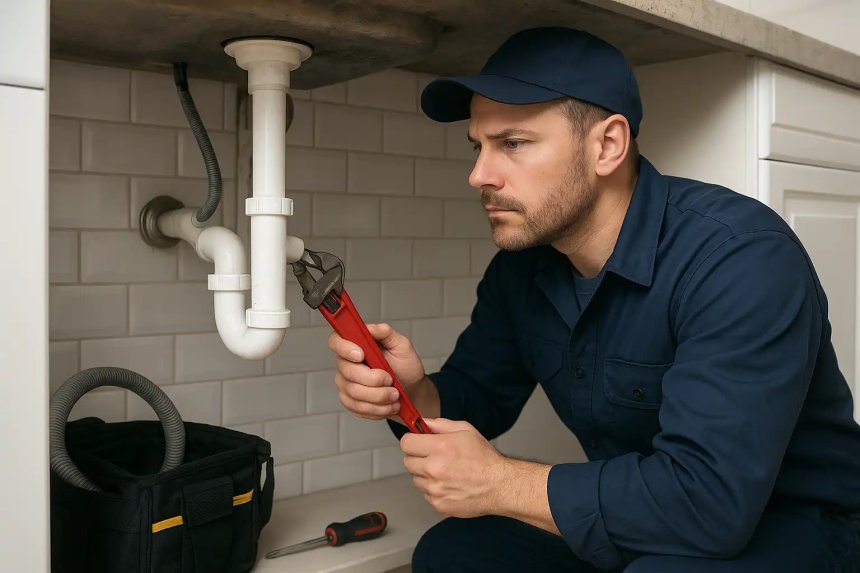
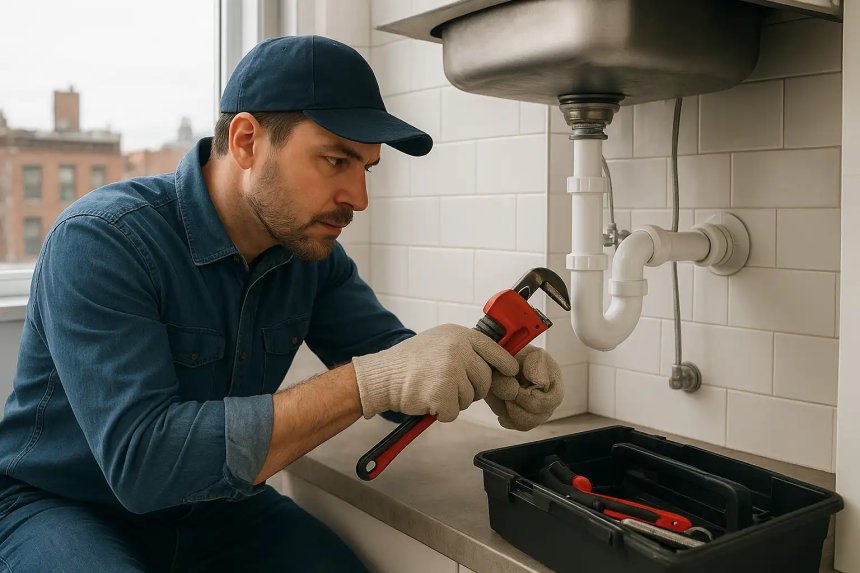
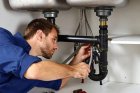
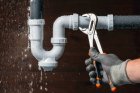
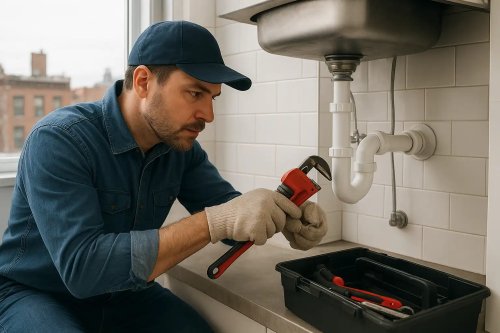
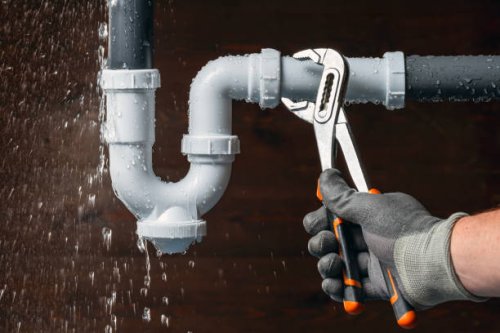
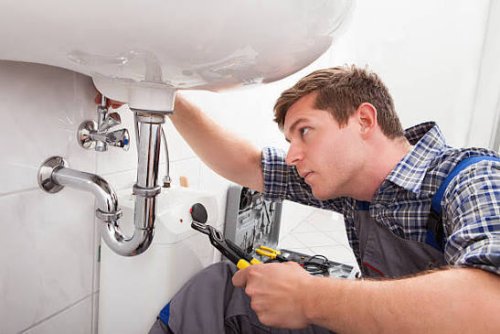
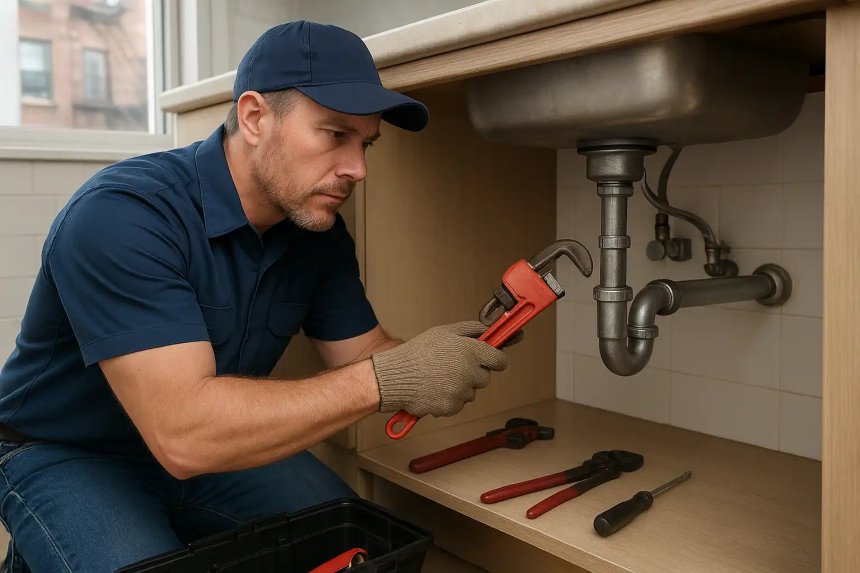
Every plumbing fixture— sinks, showers, tubs, and floor drains—features a curved section of pipe underneath called a P-trap. The primary job of this curve is to hold a small amount of water, creating a liquid seal that blocks sewer gases from traveling up through the drain opening and into your rooms.
If a bathroom or basement sink is rarely used, or if a floor drain in a utility room dries out because water hasn't run through it recently, that protective water barrier evaporates. This is particularly common in guest bathrooms or seasonal properties. Pouring a few cups of water down the drain is often all it takes to refill the trap and eliminate the odor.
2. Clogged or Damaged Plumbing Vent Stacks
Every residential and commercial plumbing system relies on a vent stack that extends through the roof. This vertical pipe allows sewer gases to escape safely high above the building while equalizing air pressure so water can flow smoothly through the drains.
Over time, leaves, debris, bird nests, or even ice blockages can obstruct these vent pipes. When the gases cannot escape through the roof, the pressure can force them down and out through your home's water traps whenever someone flushes a toilet or runs a heavy stream of water. If you notice gurgling sounds coming from your drains alongside strange odors, a ventilation problem is often to blame.
3. Worn-Out Toilet Wax Rings
Beneath every toilet bowl sits a wax ring that forms a watertight and airtight seal between the bottom of the toilet and the waste pipe in the floor. Over years of use, minor floor shifting, loose toilet bolts, or degrading wax can cause this seal to fail.
When the seal breaks, sewer gases escape into the bathroom around the base of the toilet. In many cases, you might also notice a slight rock or wobble when sitting on the fixture, or even small damp spots on the floor nearby. Replacing the wax ring and securing the toilet properly solves this issue.
4. Damaged or Cracked Sewer Lines
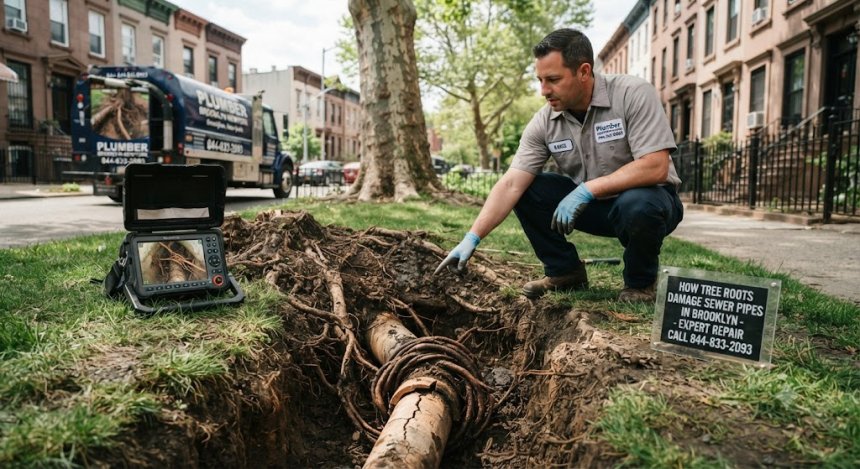
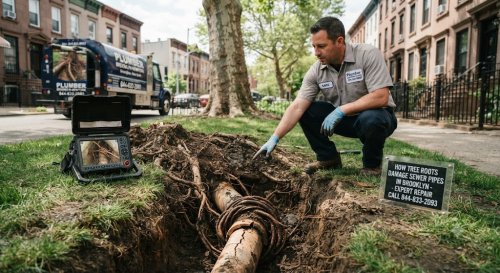
In older Brooklyn neighborhoods featuring historic brownstones and mature trees, underground sewer lines can experience wear, shifting soil, or root intrusion. When a main sewer pipe cracks or develops a serious leak underground, sewer gas can seep up through the soil near the foundation or find its way indoors.
Practical Steps and Maintenance Tips
Maintaining a fresh-smelling plumbing system requires regular attention and routine habits:
- Run Water Regularly: Turn on faucets and pour water down basement floor drains in rarely used rooms every few weeks to keep P-traps full.
- Inspect Fixtures: Routinely check around the base of toilets and under sinks for any signs of moisture, loose fittings, or unusual dampness.
- Keep Vents Clear: Watch for exterior signs of blocked roof vents, especially after major storms or heavy seasonal leaf fall.
Frequently Asked Questions
Why does a sewer smell happen only when it rains in Brooklyn?
Heavy rainfall can put extra pressure on municipal sewer mains and private drain lines. If your building's vent stack is partially blocked, or if municipal storm surges push air back through compromised traps, odors can temporarily back up into lower-level fixtures.
Can a slow drain cause bad odors?
Yes. Hair, soap scum, grease, and organic sludge can accumulate inside drain pipes over time. As this material breaks down and rots, it produces foul smells that rise up through the drain opening, even if the P-trap itself still contains water.
Should I pour chemical drain cleaners down the drain to stop the smell?
Harsh chemical cleaners are generally not recommended for resolving odor issues. They can damage older pipes, fail to address the root cause like a dry trap or broken seal, and create hazardous splashing risks if plumbing work is later required.