Find and Fix Hidden Water Leaks Before Damage Happens
Learn how to detect hidden water leaks, common warning signs, causes, repair methods, and when to call a professional plumber in Brooklyn, NY.
Why Hidden Water Leaks Need Immediate Attention
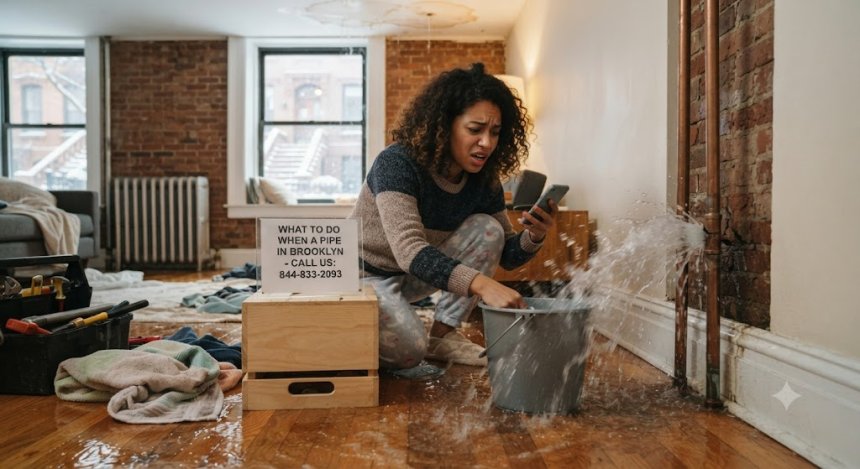
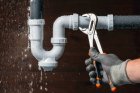
Hidden water leaks are one of the most damaging plumbing problems homeowners can experience because they often remain unnoticed until significant damage has already occurred. Unlike a dripping faucet or visible pipe leak, hidden leaks can develop behind walls, under floors, inside ceilings, or beneath your home’s foundation.
Many homeowners in Brooklyn, NY, do not discover a hidden leak until they notice warning signs such as unexplained water bills, damp spots, mold growth, or damaged walls. Older homes throughout Brooklyn neighborhoods may be especially vulnerable due to aging plumbing systems, corrosion, and outdated pipe materials.
A small hidden leak may seem like a minor issue, but continuous moisture can lead to:
- Structural damage
- Mold growth
- Higher water bills
- Damaged flooring and drywall
- Poor indoor air quality
- Expensive plumbing repairs
Knowing how to identify the early signs of hidden water leaks can help homeowners protect their property and avoid costly repairs.
What Are Hidden Water Leaks?
A hidden water leak is a plumbing leak that occurs in an area that is not immediately visible. These leaks usually happen inside walls, ceilings, floors, underground pipes, or behind appliances.
Unlike visible leaks, hidden leaks may continue for weeks or months without detection.
Common locations for hidden water leaks include:
- Behind bathroom walls
- Under kitchen sinks
- Inside ceilings
- Around water heaters
- Behind washing machines
- Under toilets
- Beneath concrete slabs
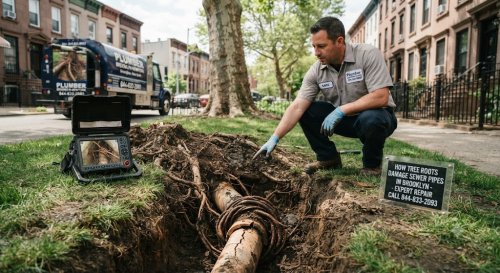
- Underground water supply lines
For example, a damaged pipe behind a bathroom wall may slowly release water into the drywall. By the time stains appear, the surrounding materials may already have absorbed significant moisture.
Why Do Hidden Water Leaks Happen?
Hidden leaks can develop for several reasons. Understanding the causes helps homeowners prevent future plumbing problems.
Aging Pipes and Corrosion
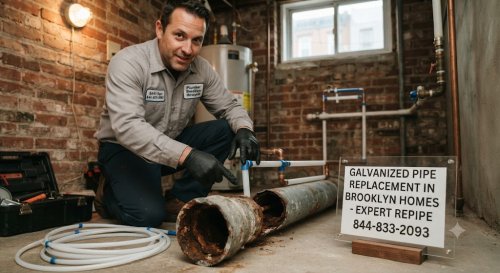
Older plumbing systems can develop weak areas due to corrosion and natural wear.
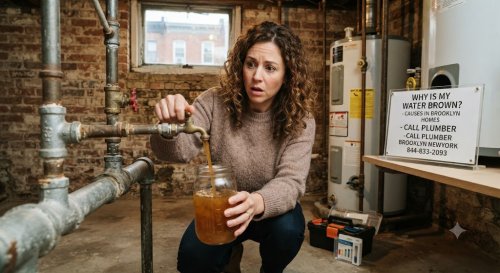
Metal pipes may rust internally over time, creating cracks or small openings where water escapes.
High Water Pressure
Excessive water pressure puts stress on plumbing connections and pipe joints.
Over time, this pressure can weaken pipes and cause leaks.
Poor Installation
Improperly installed pipes, loose connections, or incorrect fittings may fail earlier than expected.
Professional installation helps reduce future plumbing issues.
Frozen Pipes
During cold weather, water inside pipes can freeze and expand. This expansion can create cracks that leak when temperatures rise.
Worn Plumbing Fixtures
Old faucets, valves, toilets, and appliance connections may develop leaks as internal parts wear out.
Foundation Movement
Changes in soil conditions or foundation movement can put pressure on underground plumbing lines.
Warning Signs of Hidden Water Leaks
Recognizing the early warning signs can help prevent major damage.
1. Unexplained Increase in Water Bills
A sudden increase in your water bill without increased usage may indicate water escaping somewhere in your plumbing system.
Even a small leak can waste hundreds of gallons of water over time.
2. Water Stains on Walls or Ceilings
Brown, yellow, or dark stains often indicate moisture behind surfaces.
Ceiling stains may suggest a leak from plumbing above, while wall stains may indicate damaged pipes.
3. Musty Smells or Mold Growth
Persistent damp odors often point to hidden moisture.
Mold can develop quickly in areas where water remains trapped.
4. Peeling Paint or Damaged Drywall
Water behind walls can cause:
- Bubbling paint
- Soft drywall
- Cracking surfaces
- Wallpaper damage
These signs should not be ignored.
5. Sound of Running Water
If you hear dripping, hissing, or running water when all fixtures are turned off, there may be a hidden leak.
6. Low Water Pressure
A damaged pipe may reduce the amount of water reaching fixtures.
Sudden pressure changes should be inspected by a plumbing professional.
7. Damp Floors or Wet Spots
Unexplained moisture under sinks, near toilets, or around appliances may indicate a hidden plumbing issue.
How to Check for Hidden Water Leaks Yourself
Homeowners can perform basic checks before calling a plumber.
Check Your Water Meter
Turn off all faucets and water-using appliances.
If the meter continues moving, water may be leaking somewhere in your system.
Inspect Visible Plumbing Areas
Check:
- Under sinks
- Around toilets
- Behind appliances
- Near water heaters
Look for moisture, stains, or corrosion.
Monitor Water Usage
Track your water bills. Unexpected increases may indicate a problem.
Perform a Toilet Leak Test
Add a few drops of food coloring to the toilet tank.
If color appears in the bowl without flushing, the toilet may have an internal leak.
Professional Water Leak Detection Process
When a hidden leak is suspected, professional plumbers use specialized tools to locate the problem accurately.
Step 1: Plumbing Inspection
The plumber reviews visible signs, water usage concerns, and affected areas.
Step 2: Leak Detection Testing
Professionals may use:
- Acoustic leak detection equipment
- Infrared cameras
- Moisture meters
- Pressure testing tools
These tools help locate leaks without unnecessary damage.
Step 3: Identify the Cause
The plumber determines whether the issue involves:
- Broken pipes
- Faulty connections
- Fixture failures
- Underground leaks
Step 4: Recommend Repair Options
Depending on the damage, repairs may include:
- Pipe repair
- Pipe replacement
- Fixture replacement
- Leak sealing
Step 5: Test the System
After repairs, the plumbing system is tested to confirm proper operation.
Can You Fix a Hidden Water Leak Yourself?
Some minor plumbing issues can be handled by homeowners, such as:
- Replacing worn faucet washers
- Tightening accessible connections
- Replacing toilet flappers
However, hidden leaks usually require professional assistance because the source is difficult to locate.
Avoid cutting into walls or floors without proper diagnosis. Unnecessary damage can increase repair costs.
Professional plumbers have the equipment and experience needed to find leaks accurately.
Tools Plumbers Use to Find Hidden Leaks
Modern plumbing professionals use advanced equipment, including:
Leak Detection Devices
These tools identify unusual water movement and pressure changes.
Thermal Imaging Cameras
Infrared cameras can detect temperature differences caused by moisture behind surfaces.
Moisture Meters
These measure moisture levels in walls, floors, and ceilings.
Pipe Inspection Cameras
Small cameras allow plumbers to inspect pipes without major excavation.
Pressure Testing Equipment
Pressure tests help identify leaks inside water supply systems.
How Long Does Hidden Leak Repair Take?
Repair time depends on the location and severity of the leak.
Minor Repairs
Small accessible leaks may be repaired within a few hours.
Moderate Repairs
Leaks behind walls or fixtures may require additional time for access and restoration.
Major Repairs
Underground leaks or damaged plumbing systems may require more extensive work.
Factors affecting repair time include:
- Leak location
- Pipe material
- Accessibility
- Required replacement parts
- Property structure
Cost Factors for Hidden Water Leak Repair
There is no single price for hidden leak repairs because every situation is different.
Costs depend on:
- Leak location
- Amount of damage
- Labor required
- Pipe materials
- Repair method
- Accessibility
- Emergency service needs
Plumbing repair costs vary depending on the severity of the problem, accessibility, materials required, emergency service, property type, and local labor rates.
A professional inspection can help determine the most effective repair solution.
Hidden Truths Homeowners Should Know About Water Leaks
- Small leaks rarely fix themselves.
- Hidden leaks can damage structural materials.
- Mold can develop in constantly damp areas.
- Water damage repairs may cost more than plumbing repairs.
- Ignoring leaks can increase utility bills.
- Temporary fixes may only hide the problem.
- Older plumbing systems require more frequent inspections.
- Insurance coverage may depend on the cause of the leak.
- Professional leak detection can prevent unnecessary damage.
- Regular plumbing maintenance saves money over time.
15 Common Mistakes Homeowners Make With Water Leaks
1. Ignoring Small Drips
Small leaks can become major problems.
2. Waiting for Visible Damage
Damage may already exist before signs appear.
3. Using Temporary Sealants as Permanent Repairs
Sealants may not solve underlying pipe problems.
4. Ignoring High Water Bills
Unexpected increases may indicate leaks.
5. Skipping Plumbing Inspections
Routine checks catch problems early.
6. Cutting Walls Without Diagnosis
Unnecessary damage can increase repair costs.
7. Using Chemical Leak Products
Some products can damage plumbing materials.
8. Ignoring Mold Growth
Mold often indicates ongoing moisture problems.
9. Delaying Repairs
Small leaks can become expensive emergencies.
10. Hiring Unqualified Workers
Incorrect repairs may create additional problems.
11. Ignoring Aging Pipes
Older plumbing requires monitoring.
12. Forgetting Appliance Connections
Washing machines and water heaters can leak.
13. Not Knowing Shut-Off Valve Locations
Quick shutoff can reduce damage.
14. Avoiding Professional Advice
Experts can identify hidden risks.
15. Neglecting Maintenance
Regular inspections prevent emergencies.
Maintenance Tips to Prevent Hidden Water Leaks
- Check pipes under sinks regularly.
- Inspect water heater connections.
- Monitor monthly water bills.
- Repair dripping faucets quickly.
- Maintain proper water pressure.
- Insulate pipes during winter.
- Check appliance hoses.
- Replace old plumbing components.
- Clean drains properly.
- Schedule professional plumbing inspections.
- Look for moisture around toilets.
- Check basement areas for dampness.
- Know your main water shutoff location.
- Avoid flushing harmful materials.
- Address unusual plumbing sounds quickly.
When Should You Call an Emergency Plumber?
Call an emergency plumber immediately if you notice:
- A burst pipe
- Large amounts of water leaking
- Flooding
- Sewage backup
- Water leaking near electrical systems
- Sudden loss of water pressure
- Major ceiling or wall leaks
Quick action can reduce property damage and prevent dangerous conditions.