How to Prevent Frozen Pipes in Brooklyn Winters
Learn how to protect your Brooklyn home from frozen pipes this winter. Discover causes, warning signs, professional fixes, and expert care tips. Keywords: prevent frozen pipes brooklyn, winter plumbing protection nyc,
How to Prevent Frozen Pipes During Brooklyn Winters
When sub-freezing polar vortexes hit New York and winter temperatures plummet across Brooklyn, local homeowners face one of the most destructive seasonal threats to residential property: frozen plumbing. From historic brownstones in Brooklyn Heights and Park Slope to residential properties in Flatbush and Bay Ridge, extreme cold weather tests the limits of home infrastructure. When water turns to ice inside a pipe, it expands with immense force, frequently shattering metal and plastic conduits and leading to disastrous indoor flooding when the ice thaws.
People search for this topic as winter approaches because taking proactive steps is the only way to avoid emergency repair bills and structural damage. Knowing why pipes freeze, recognizing the early warning signs, and understanding how to insulate your property can save you immense stress and expense.
What Is Pipe Freezing?
Pipe freezing occurs when the temperature of water inside a supply line drops to 32 degrees Fahrenheit or lower, causing the liquid water to turn into solid ice. As ice crystals form and expand, they create a massive blockage and generate intense internal pressure between the ice plug and closed faucets.
Common Situations
-
Water supply lines running through uninsulated exterior walls, crawlspaces, or unheated basements turning solid overnight during a deep freeze.
-
Outdoor hose bibs and garden spigots freezing because interior shut-off valves were left open.
-
Pipes located near drafty basement windows or broken dryer vent openings experiencing localized frost.
-
A kitchen or bathroom faucet producing only a thin trickle or no water at all on a freezing winter morning.
Why Does This Plumbing Problem Happen?
Pipe freezing is driven by severe environmental temperatures interacting with vulnerable architectural points in a home.
-
Extreme Seasonal Weather: Sudden cold snaps drop ambient temperatures well below freezing across Kings County, chilling exposed building materials.
-
Inadequate Pipe Insulation: Pipes installed directly against exterior walls or within unheated utility chases lack thermal protection against biting outdoor winds.
-
Drafts and Air Leaks: Gaps around dryer vents, window frames, or foundation cracks allow frigid outdoor air to stream directly onto water lines.
-
Unheated Property Areas: Leaving basements, garages, or additions unheated during a cold wave allows ambient temperatures to drop into danger zones.
-
Aging Pipes and Poor Maintenance: Corroded or thin pipes lose their structural resilience and transfer cold temperatures more rapidly to internal water columns.
Signs You Should Never Ignore
Catching a frozen pipe before it bursts can mean the difference between a simple service call and a major home renovation. Watch out for these warning signs:
-
Sudden Loss of Water Flow: Opening a faucet and getting zero water or only a weak, sputtering trickle.
-
Frost on Exposed Pipes: Visible white frost or ice crystals coating metal or plastic water pipes in your basement or crawlspace.
-
Unusual Odors from Drains: Frozen traps can pull or dry out sewer gas seals, letting unpleasant odors into living spaces.
-
Banging or Clanking Noises: Water expanding or struggling to pass through constricted, semi-frozen pipe sections.
-
Unexplained Dampness on Walls: If a pipe has already cracked invisibly from ice expansion, minor moisture or staining may appear on surrounding drywall.
Common Plumbing Problems Related to This Issue
Allowing a frozen pipe situation to progress unchecked triggers a cascade of severe plumbing emergencies:
-
Burst Supply Pipes: High pressure shatters pipe walls, releasing gallons of water the moment the ice begins to melt.
-
Severe Water Damage: Flooded basements, warped hardwood floors, ruined drywall, and ruined personal property.
-
Loss of Fire Suppression: Frozen lines feeding fire sprinkler systems or essential home utility feeds.
-
Electrical Hazards: Meltwater contacting electrical outlets, junction boxes, or appliances.
Step-by-Step Professional Repair Process
When you call Plumber Brooklyn Newyork to handle a frozen or burst pipe emergency, our licensed technicians follow a controlled, methodical process:
-
Immediate Water Control: The plumber immediately locates and shuts off your home's main water supply valve to prevent catastrophic flooding.
-
Thermal Assessment: Technicians inspect vulnerable pipe runs using thermal tools to locate frozen sections safely.
-
Transparent Estimate: You receive a clear, upfront breakdown of recommended thawing methods, pipe repairs, and labor costs before work begins.
-
Controlled Thawing and Repair: Professionals safely thaw frozen lines using specialized heating equipment or replace any pipe sections that have split or burst.
-
Rigorous System Testing: The plumbing system is gradually re-pressurized and checked thoroughly to ensure zero leaks.
-
Jobsite Cleanup: Work areas are thoroughly tidied and dried, restoring your property to order.
-
Winterization Advice: The technician provides expert guidance on insulating pipes to prevent future freezing events.
Can You Fix It Yourself?
While major pipe bursts require professional intervention, homeowners can take safe, immediate steps when dealing with frozen lines:
-
Safe DIY Solutions: Opening the affected faucet slightly to relieve pressure as the ice thaws, and using a standard household hair dryer to gently warm exposed pipe sections starting from the faucet end back toward the wall.
-
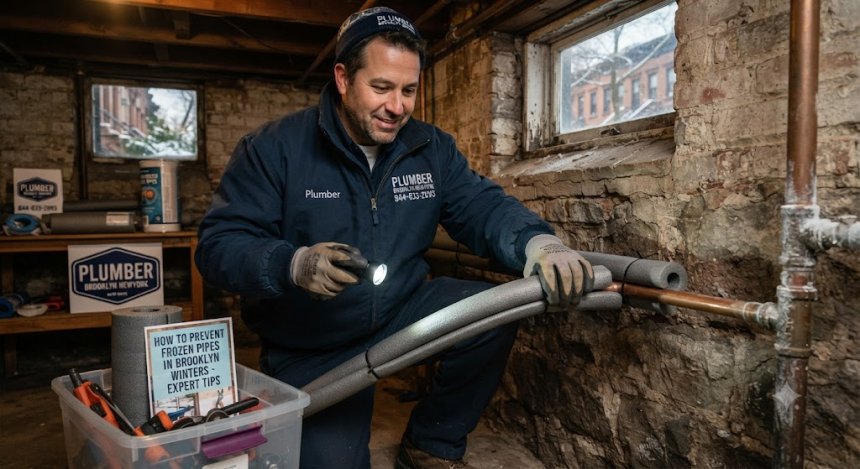
Temporary Fixes: Wrapping vulnerable pipes in temporary foam insulation sleeves or heavy towels during an active freeze warning.
-
When DIY Becomes Dangerous: Using open flames, propane torches, or high-heat paint guns to thaw frozen pipes, which creates extreme fire hazards and can cause steam explosions inside sealed pipes.
-
When Professional Plumbing is Necessary: Whenever pipes are located inside closed walls, when a pipe has already burst, or if you cannot locate your main water shut-off valve.
Tools Professionals Use
Professional plumbers utilize advanced diagnostic and thawing equipment to resolve cold-weather emergencies safely:
-
Commercial Pipe Thawing Machines: High-amp electrical units that safely warm metal pipes from the outside to melt internal ice blocks rapidly.
-
Infrared Thermal Cameras: Detect cold spots and frozen pipe locations behind walls without destructive exploratory cutting.
-
Pipe Inspection Cameras: Threaded fiber-optic scopes used to check the internal condition of pipes for stress fractures after a freeze.
-
Acoustic Leak Detectors: Pinpoint hidden pinhole cracks caused by ice expansion behind finished surfaces.
How Long Does the Repair Usually Take?
Timelines for handling frozen or burst pipe situations vary based on the extent of the cold damage:
-
Simple Thawing (e.g., warming an exposed basement pipe with professional equipment): 30 to 60 minutes.
-
Moderate Repairs (e.g., replacing a single burst pipe joint or segment): 1 to 3 hours.
-
Major Emergencies (e.g., extensive repiping across multiple frozen wall zones): 4 hours to a full day.
-
Factors Affecting Time: Pipe accessibility inside walls, severity of ice buildup, and whether structural drying is required.
Cost Factors for Winter Plumbing Services
Plumbing repair and winterization costs depend on several distinct variables. Estimates are tailored to your property:
-
Severity of the freeze and whether pipes have burst.
-
Accessibility of damaged pipes inside finished walls, crawlspaces, or ceilings.
-
Materials required (e.g., modern PEX or copper replacement piping, heavy insulation).
-
Emergency service dispatch timing (after-hours, weekends, or holidays).
-
Property type (historic brownstone, multi-family building, or detached home).
-
Local labor rates across the New York area.
Hidden Truths Homeowners Should Know
-
A pipe does not need to be completely frozen solid to burst; the intense hydraulic pressure building up behind an ice blockage is what splits the metal or plastic.
-
Standard homeowner insurance policies may deny water damage claims if it is proven that the property was left unheated or unmaintained during freezing weather.
-
Applying an open flame or torch to a frozen pipe is a leading cause of residential winter fires in historic urban homes.
-
Pipes running through exterior walls are up to three times more vulnerable to freezing than interior partition lines.
-
Annual pre-winter plumbing maintenance and pipe insulation save homeowners thousands of dollars in emergency damage repair bills.
15 Common Mistakes Homeowners Make
-
Leaving garden hoses attached to outdoor spigots through the winter months.
-
Failing to shut off and drain interior valves supplying exterior hose bibs.
-
Keeping the thermostat set too low when leaving the home for winter vacations.
-
Not insulating water pipes located in unheated crawlspaces or garages.
-
Using open flames or torches to thaw frozen pipes.
-
Forgetting to locate the main water shut-off valve before cold weather strikes.
-
Ignoring minor drafts entering through basement windows or foundation vents.
-
Failing to let indoor faucets drip slightly during severe sub-zero cold snaps.
-
Relying on cheap, temporary insulation tape that peels off in damp environments.
-
Closing interior doors that block warm air circulation to rooms with exterior plumbing walls.
-
Assuming historic brick buildings are immune to indoor freezing temperatures.
-
Waiting until a pipe bursts to search for a trusted emergency plumber.
-
Over-tightening fragile winterized spigot valves, stripping the stems.
-
Neglecting to insulate water heater supply lines in unheated utility areas.
-
Failing to disconnect and store outdoor watering equipment properly.
Maintenance Tips to Protect Your Property
-
Disconnect, drain, and store all garden hoses before the first hard freeze of the season.
-
Shut off interior valves leading to outdoor spigots, then open the outdoor faucets to drain residual water.
-
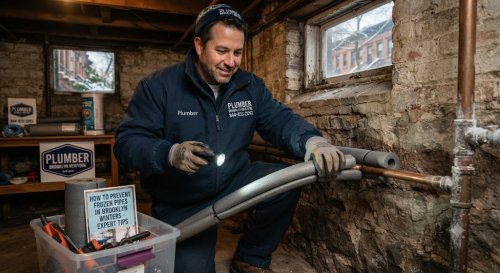
Insulate all water supply pipes located in unheated areas like basements, crawlspaces, and garages using foam sleeves.
-
Seal air leaks around doors, windows, foundation vents, and dryer openings with weatherstripping or caulk.
-
Keep your home thermostat set to a consistent temperature of at least 55 degrees Fahrenheit, even when traveling.
-
Open under-sink cabinet doors during extreme cold snaps to allow warm indoor air to circulate around plumbing pipes.
-
Allow indoor faucets supplied by exterior walls to drip slowly during severe sub-zero weather alerts.
-
Know the exact location of your main water shut-off valve and ensure it works smoothly.
-
Insulate exterior walls containing plumbing lines by adding appropriate insulation where accessible.
-
Check your basement for broken window glass or unsealed vents that let freezing air inside.
-
Schedule an annual pre-winter plumbing inspection with a licensed professional.
-
Drain and service your water heater to ensure optimal heating performance through winter.
-
Keep contact information for a trusted local emergency plumber saved in your mobile phone.
-
Monitor your water bills for sudden changes that could indicate hidden post-freeze cracks.
-
Consider installing smart leak detectors near vulnerable basement and crawlspace plumbing lines.
When Should You Call an Emergency Plumber?
Certain cold-weather plumbing scenarios demand immediate professional intervention, day or night:
-
Burst or Gushing Pipes: Water is actively spraying or pouring from a pipe that has thawed or split.
-
Total Loss of Water Supply: Multiple fixtures have frozen solid, cutting off water access across the home.
-
Severe Ceiling or Wall Leaks: Meltwater is saturating structural framing, drywall, or electrical panels.
-
Uncontrollable Flooding: A major line has ruptured in a basement or utility room, threatening your property.
Frequently Asked Questions
Why do pipes freeze during winter weather?
Pipes freeze when ambient temperatures drop below 32 degrees Fahrenheit, chilling the water inside faster than household usage or heating systems can keep it warm.
How much does professional frozen pipe repair cost?
Repair costs depend on whether the pipe has burst and how accessible it is inside walls or crawlspaces. Contact us directly for transparent pricing.
Can I use a hair dryer to thaw a frozen pipe?
Yes. Using a hair dryer on a low or medium setting to gently warm an exposed pipe starting near the faucet is a safe DIY method.