Why Does My Brooklyn Home Smell Like Sewage? Causes & Solutions
Discover why sewer odors develop in Brooklyn homes and apartments. Learn common causes, from dry traps to vent stack issues, and how professional plumbers resolve them.
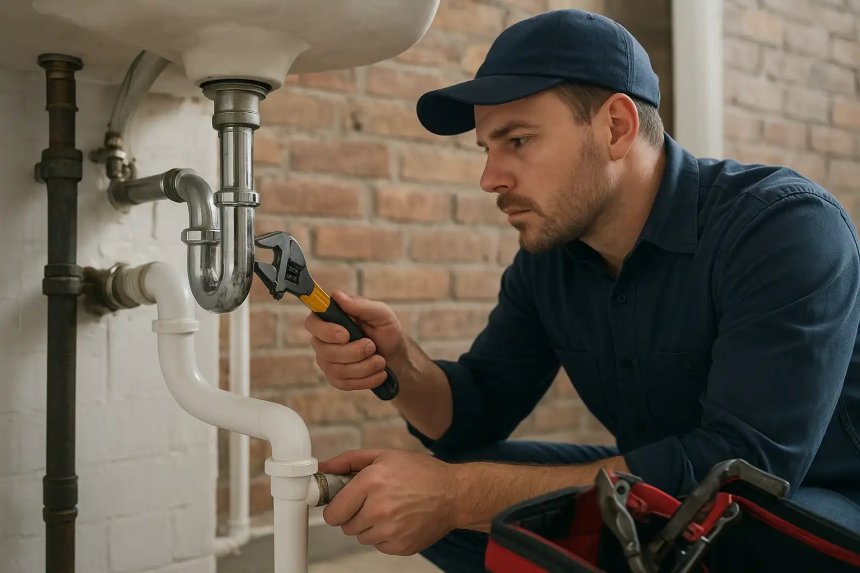
Dealing with an unpleasant smell in your living space is frustrating, but when that smell resembles raw sewage, it becomes an urgent concern. In densely built neighborhoods across Brooklyn, from historic brownstones in Park Slope to modern apartment buildings in Downtown Brooklyn, sewer odors are a common complaint. Beyond being deeply unpleasant, these smells can sometimes indicate underlying plumbing issues that require professional attention from an experienced Brooklyn plumber.
Understanding Why Sewer Odors Occur
Your home plumbing system is designed as a closed loop. Wastewater and sewage flow down through drains, branches, and the main sewer line out toward the municipal city sewer under the street. To prevent sewer gases from entering your living areas, your plumbing relies on a series of engineered barriers, primarily water traps and ventilation systems. When an odor makes its way indoors, it usually means one of these barriers has failed or been compromised.
Common Causes of Sewer Smells Indoors
1. Dried Out P-Traps
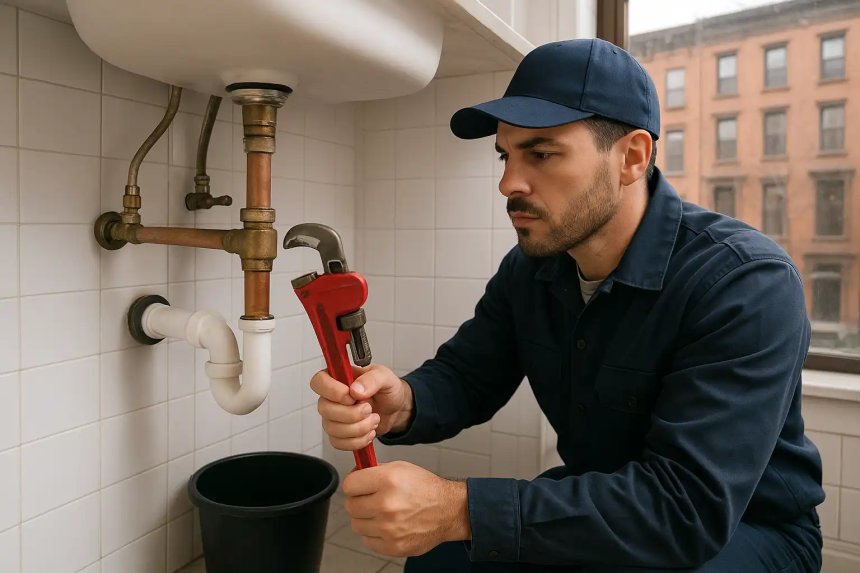
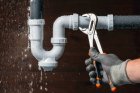
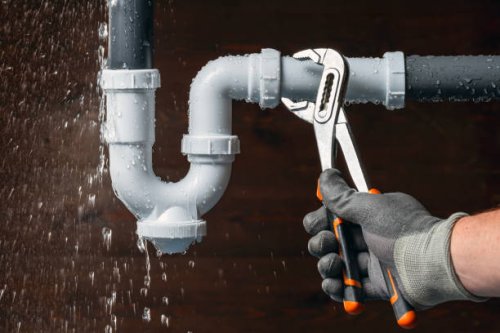
Every plumbing fixture—including sinks, showers, tubs, and floor drains—has a curved section of pipe underneath called a P-trap. The curve holds a small amount of standing water that acts as a physical seal, blocking sewer gases from rising up through the drain opening.
If a bathroom or basement floor drain is rarely used, the water in the P-trap can evaporate completely. Once that water barrier disappears, sewer gases flow freely into the room. This is a very common issue in spare bathrooms, utility rooms, or basement areas in Brooklyn homes.
2. Clogged or Damaged Vent Stacks
Plumbing systems require adequate airflow to function correctly. Every home has a vent stack—a pipe that extends through the roof—which allows sewer gases to escape safely outside and maintains neutral air pressure in the pipes so water drains smoothly.
If leaves, debris, bird nests, or ice block the roof vent, the pressure imbalance can siphon water out of your P-traps when nearby toilets flush or tubs empty. Without that water seal, sewer odors enter the home. In multi-story Brooklyn buildings, shared vent lines can also experience blockages that affect multiple units.
3. Wax Ring Failures Under Toilets
The connection between the base of your toilet and the waste pipe in the floor is sealed by a wax ring. Over time, or if a toilet wobbles slightly due to a loose floor bolt, the wax seal can degrade or crack. When this happens, tiny gaps form around the base, allowing sewer gases to escape into the bathroom every time the toilet is flushed.
4. Cracked or Corroded Pipes
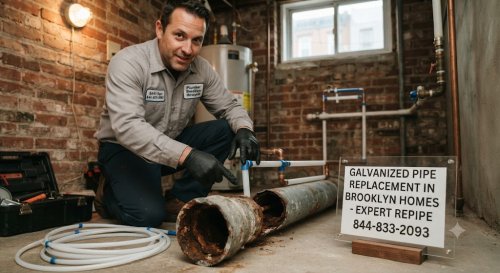
Older properties throughout Brooklyn often feature older cast iron or galvanized steel drain pipes. Over decades of use, these pipes can develop internal corrosion, hairline cracks, or rust holes. While water may not leak out significantly, tiny fissures can allow foul sewer odors to seep into wall cavities, floor joists, or crawl spaces.
Practical Steps to Investigate and Address Odors
When you notice a persistent sewer smell, a systematic check can help identify the source before calling for professional plumbing services in Brooklyn:
- Run water down all drains: Pour a gallon of water down infrequently used sinks, tubs, and floor drains to refill dry P-traps.
- Check for toilet stability: Gently push against the base of your toilets. If the toilet rocks or shifts, the wax ring likely needs to be replaced.
- Inspect visible pipes: Look under sinks and in accessible basement or utility areas for signs of corrosion, dampness, or pipe damage.
- Monitor weather patterns: Strong sewer odors immediately following heavy rain or extreme wind can sometimes indicate municipal sewer issues or compromised outdoor vent lines.
When to Call a Professional Plumber
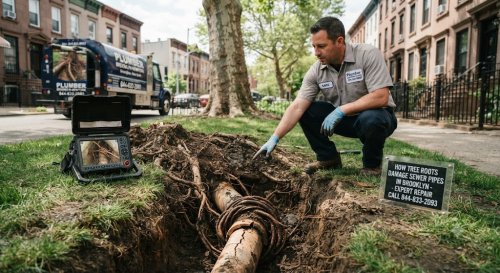
While running water in a dry drain often solves minor odor issues, persistent smells usually point to a deeper mechanical problem. If you have refilled your traps and checked your toilets, but the odor remains, a professional plumbing inspection is recommended. Plumbers can use specialized tools like electronic leak detectors or sewer camera inspection equipment to locate hidden pipe cracks, vent blockages, or damaged sewer lines without unnecessary demolition.
Frequently Asked Questions
Why does my bathroom smell like sewage only when it rains?
Heavy rainfall can overload combined storm and sanitary sewer systems common in older urban areas. If municipal pressure backs up or forces air up through your vent stack or dry floor drains, you may notice temporary odors during heavy storms.
Can a sewer odor be harmful to my health?
Sewer gas contains a mixture of toxic and non-toxic gases, including methane, hydrogen sulfide, and carbon dioxide. While brief exposure to mild odors is usually just unpleasant, prolonged exposure to high concentrations of sewer gas can cause headaches, dizziness, and nausea. It is always best to address indoor odors promptly.
How can I prevent floor drain traps from drying out?
For floor drains or utility sinks that you rarely use, pour a cup of water down the drain every few weeks. Alternatively, adding a few drops of mineral oil on top of the water in the P-trap slows down evaporation significantly.