Why Is There a Sewer Odor in Your Brooklyn Home?
Discover common causes of sewer smells in Brooklyn properties, from dry P-traps to damaged vent stacks, and learn how professional plumbing services can help.
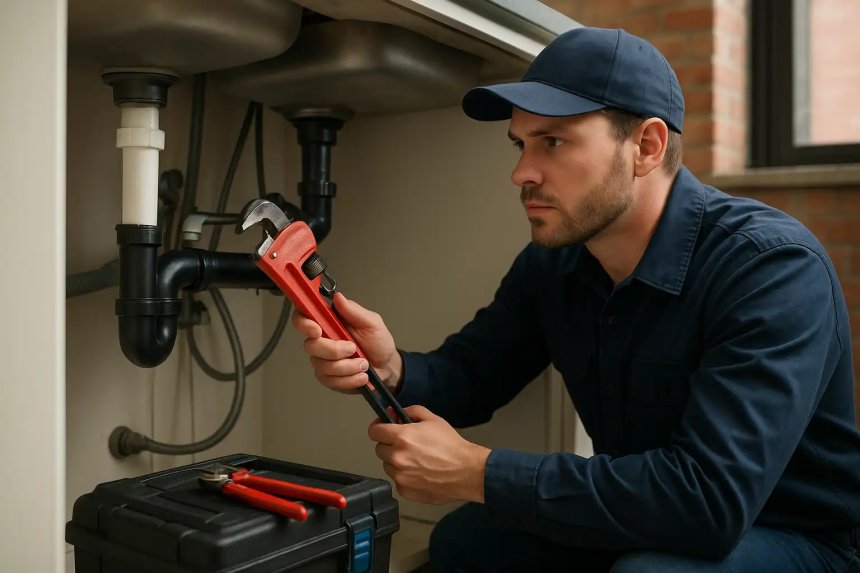
Dealing with an unpleasant sewer smell inside a home or apartment can be frustrating and unsettling. In densely populated areas like Brooklyn, New York, where many properties share complex interconnected plumbing systems or feature older infrastructure, tracking down the source of an unusual odor requires practical diagnostic experience. When a foul smell reminiscent of sulfur or rotten eggs begins lingering near bathroom fixtures, laundry areas, or basements, it is usually a sign that sewer gases are escaping the drainage system where they belong.
Over two decades of working hands-on in residential and commercial plumbing throughout Brooklyn neighborhoods, from historic brownstones in Park Slope to modern apartment buildings in Downtown Brooklyn, identifying the root cause of these odors is a frequent service request. Understanding why these smells occur can help property owners determine when simple maintenance is enough and when it is time to call a professional plumber.
Understanding the Plumbing Trap and Water Seals
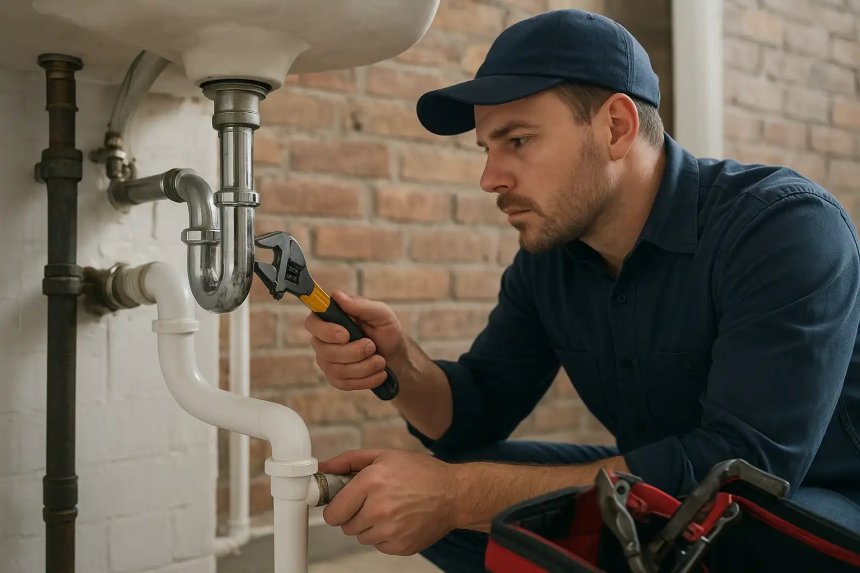
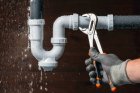
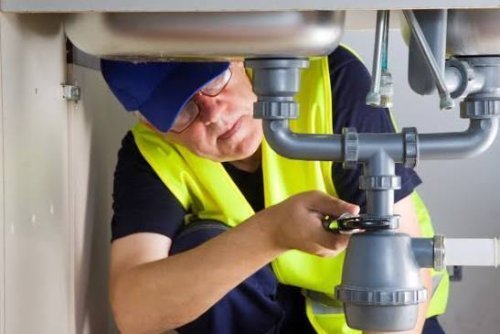
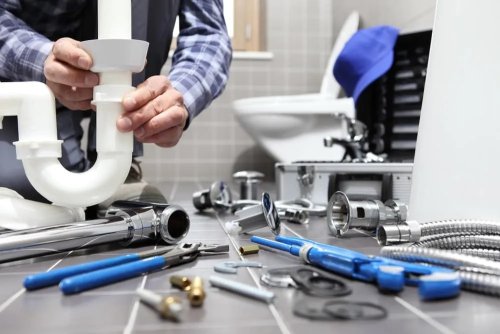
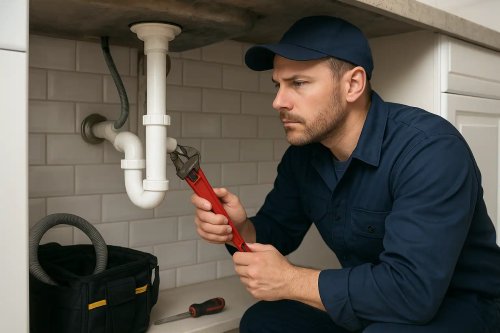
The primary defense against sewer odors entering a living space is the P-trap. Located beneath sinks, behind toilets, and beneath shower drains, this curved section of pipe holds a standing column of water that acts as an airtight physical barrier. This water seal prevents sewer gases from traveling upward out of the municipal sewer main and into the building.
When an odor appears suddenly, a dry P-trap is often the culprit. If a sink, floor drain, or guest bathroom shower is rarely used, the water inside the trap can slowly evaporate over time. Once the water level drops too low, the seal breaks, allowing sewer gas to vent directly into the room. Running water down the drain typically resolves this issue immediately by refilling the trap.
Common Causes of Sewer Smells in Brooklyn Properties
Aside from dried-up traps, several other mechanical and structural issues can lead to persistent sewer odors indoors:
- Clogged or Damaged Vent Stacks: Plumbing systems rely on roof vent pipes to equalize air pressure and safely exhaust sewer gases outside above the roofline. Leaves, debris, bird nests, or ice can block these vents, forcing gases back down into the building's drain lines and out through plumbing fixtures.
- Degraded Wax Rings Under Toilets: If a toilet wobbles or the wax seal underneath deteriorates, sewer gases can escape around the base of the toilet whenever the fixture is flushed. A persistent musty or sewage-like odor near a bathroom floor often points to a failed toilet seal.
- Build-up in Overflow Drains and Pipes: Organic matter, soap scum, hair, and grease accumulate inside drain pipes over time. As this material decomposes inside the pipe walls, it can produce foul smells even if the drain is still flowing. Regular drain cleaning helps eliminate this buildup.
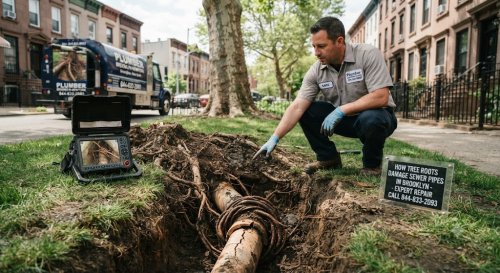
- Hidden Pipe Cracks or Leaks: Older homes and buildings across Brooklyn may have aging cast iron or clay drain lines that have developed cracks, joint separations, or corrosion over decades of use. Sewer gases can seep through these hidden structural breaches into wall cavities or crawlspaces.
Preventative Maintenance and Inspection
Preventing unwanted sewer odors often comes down to routine property upkeep. Running water regularly in infrequently used basement floor drains and guest bathrooms ensures that P-traps remain full. Homeowners and property managers should also schedule routine plumbing inspections to check the condition of hidden drain lines, vents, and fixture connections before small wear issues turn into major odor complaints or leaks.
When standard maintenance fails to resolve a persistent smell, a professional plumbing inspection utilizing specialized diagnostic tools can pinpoint the exact location of a vent blockage or pipe break without unnecessary guesswork.
Frequently Asked Questions About Sewer Odors
Can sewer gases inside a home cause health issues?
Prolonged exposure to sewer gas can cause headaches, dizziness, nausea, and irritation. Because sewer gas contains various compounds, it should always be investigated and addressed promptly by ensuring proper ventilation and calling a qualified Brooklyn plumber if the smell persists.
Why does the sewer smell get worse on rainy days?
Changes in atmospheric pressure during wet weather can sometimes push sewer gases back up through municipal systems and vulnerable home traps, especially if roof vents are partially restricted or if the municipal sewer line experiences high volume.
How can I tell if the odor is coming from my drain or my neighbor's apartment?
In multi-family Brooklyn apartment buildings, shared walls and vertical plumbing chases can sometimes transmit odors between units. A thorough inspection of individual fixture traps, wax rings, and localized vent connections helps determine if the source is within your specific control.