What Causes Low Water Pressure in Brooklyn Homes?
Learn what causes low water pressure in Brooklyn homes, warning signs, repair options, and when to call a professional plumber for help.
Understanding Low Water Pressure Problems in Brooklyn Homes
Low water pressure is one of the most frustrating plumbing problems homeowners experience. A weak shower stream, slow-filling toilet, or faucet that barely produces water can make everyday tasks inconvenient.
Many homeowners in Brooklyn, NY, experience water pressure problems due to aging plumbing systems, mineral buildup, hidden leaks, outdated fixtures, or issues with the home’s water supply. Older properties throughout Brooklyn neighborhoods may be especially vulnerable because plumbing materials can deteriorate over decades.
While low water pressure may seem like a small inconvenience, it can sometimes indicate a larger plumbing issue. Ignoring the problem may lead to water waste, damaged pipes, and expensive repairs.
Understanding the causes, warning signs, and solutions can help homeowners know when they can handle a simple fix and when they need professional plumbing assistance.
What Is Low Water Pressure?
Low water pressure occurs when water does not flow through your plumbing fixtures with enough force. Instead of strong, consistent water flow, homeowners may notice weak streams from faucets, showers, or appliances.
Water pressure affects:
- Showers
- Kitchen faucets
- Bathroom sinks
- Toilets
- Washing machines
- Dishwashers
- Outdoor plumbing fixtures
A home with proper water pressure should provide consistent flow throughout the property. When pressure suddenly drops or becomes weaker over time, it usually indicates an underlying plumbing issue.
Common Causes of Low Water Pressure in Brooklyn Homes
1. Mineral Buildup Inside Pipes
Hard water contains minerals such as calcium and magnesium. Over time, these minerals can accumulate inside plumbing pipes and fixtures.
This buildup reduces the space available for water to flow, causing lower pressure.
Signs of Mineral Buildup:
- Weak faucet flow
- Reduced shower pressure
- White deposits around fixtures
- Slow water flow from older pipes
Homes with older plumbing systems are more likely to experience this issue.
2. Aging or Corroded Pipes
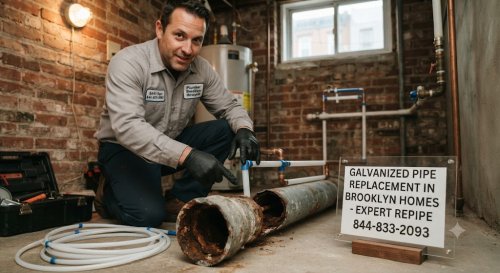
Many older Brooklyn homes have plumbing systems that have been in place for decades. Over time, metal pipes can corrode internally.
Corrosion creates rough surfaces inside pipes, restricting water movement.
Possible Warning Signs:
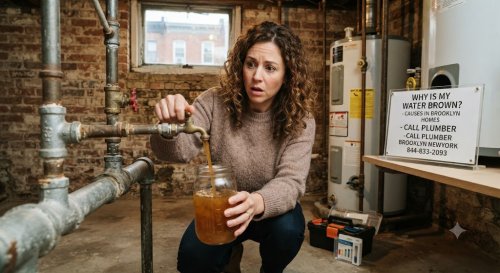
- Rust-colored water
- Frequent leaks
- Reduced water pressure throughout the home
- Noisy pipes
If corrosion is severe, pipe repair or replacement may be necessary.
3. Hidden Water Leaks
A hidden leak can reduce water pressure because water is escaping before reaching your fixtures.
Leaks may occur:
- Behind walls
- Under floors
- Beneath foundations
- Inside ceilings
Signs of a Hidden Leak:
- Sudden pressure loss
- Higher water bills
- Damp spots
- Mold growth
- Sound of running water
Professional leak detection equipment can help locate hidden plumbing problems.
4. Problems With the Pressure Regulator
Many homes use a pressure-reducing valve to control incoming water pressure.
If this component fails, it may cause:
- Low water pressure
- Uneven pressure
- Sudden pressure changes
A professional plumber can test the regulator and determine whether adjustment or replacement is needed.
5. Clogged Faucet Aerators or Showerheads
Sometimes the plumbing system is not the problem. Small fixture components can become blocked by mineral deposits.
Simple Checks:
- Remove and clean faucet aerators
- Inspect showerheads
- Remove mineral buildup
If pressure improves after cleaning, the issue may be limited to the fixture.
6. Partially Closed Water Valves
A partially closed shut-off valve can restrict water flow throughout the home.
Check:
- Main water valve
- Fixture shut-off valves
- Water meter valve
Never force a stuck valve because older valves may break and create leaks.
7. Municipal Water Supply Issues
Sometimes low pressure is not caused by your home’s plumbing.
Possible external causes include:
- City water system maintenance
- Nearby construction
- Water main issues
- Neighborhood-wide pressure changes
If neighbors experience the same problem, the issue may be outside your property.
8. Clogged Pipes Due to Debris or Sediment
Debris, rust particles, and sediment can accumulate inside plumbing lines.
This restricts water flow and reduces pressure.
Older homes may experience this more frequently because pipe interiors deteriorate over time.
Warning Signs You Should Never Ignore
Low water pressure is not always a minor issue. Watch for these signs:
Sudden Pressure Drop
A sudden decrease may indicate:
- Broken pipe
- Major leak
- Valve failure
Low Pressure Throughout the Entire Home
If every fixture has weak flow, the issue may involve your main water supply.
Water Stains or Damp Areas
Moisture around walls or ceilings may indicate hidden leaks.
Strange Plumbing Noises
Banging, whistling, or vibrating pipes may signal pressure problems.
Increasing Water Bills
Higher bills combined with lower pressure may indicate water loss.
Discolored Water
Brown or rusty water may suggest pipe corrosion.
How a Professional Plumber Diagnoses Low Water Pressure
A licensed plumber typically follows a detailed inspection process.
Step 1: Inspect the Plumbing System
The plumber checks fixtures, valves, pipes, and water supply connections.
Step 2: Test Water Pressure
Pressure testing equipment helps determine whether levels are within a normal range.
Step 3: Locate the Cause
The plumber checks for:
- Leaks
- Pipe restrictions
- Corrosion
- Faulty valves
- Fixture problems
Step 4: Recommend Repair Options
Solutions may include:
- Cleaning fixtures
- Repairing leaks
- Replacing damaged pipes
- Adjusting pressure regulators
Step 5: Test the System
After repairs, water pressure is checked again to confirm improvement.
Can You Fix Low Water Pressure Yourself?
Some basic solutions are safe for homeowners.
You can:
- Clean faucet aerators
- Remove showerhead buildup
- Check visible valves
- Confirm fixtures are fully open
However, professional help is recommended when:
- Pressure suddenly drops
- Multiple fixtures are affected
- Pipes may be damaged
- Hidden leaks are suspected
Attempting complex plumbing repairs without experience may create additional damage.
Tools Plumbers Use to Diagnose Water Pressure Issues
Professional plumbers use specialized equipment, including:
Pressure Testing Equipment
Measures water pressure levels accurately.
Leak Detection Tools
Helps locate hidden leaks behind walls or underground.
Pipe Inspection Cameras
Allows inspection inside pipes without unnecessary damage.
Hydro Jetting Equipment
Used to remove stubborn buildup and blockages when appropriate.
Pipe Locators
Help identify underground plumbing lines.
How Long Does Low Water Pressure Repair Take?
Repair time depends on the cause.
Simple Repairs
Cleaning fixtures or adjusting valves may take less than an hour.
Moderate Repairs
Replacing regulators or repairing accessible pipes may take several hours.
Major Repairs
Pipe replacement or underground repairs may require more time.
Factors affecting repair time include:
- Location of the problem
- Pipe condition
- Accessibility
- Required materials
- Size of the plumbing system
Low Water Pressure Repair Cost Factors
There is no fixed cost because every plumbing situation is different.
Pricing depends on:
- Cause of the pressure issue
- Labor required
- Replacement parts
- Pipe accessibility
- Equipment needed
- Emergency service requirements
Plumbing repair costs vary depending on the severity of the problem, accessibility, materials required, emergency service, property type, and local labor rates.
A professional inspection is the best way to understand the required repair.
Hidden Truths Homeowners Should Know About Low Water Pressure
- Low pressure can be a warning sign of hidden leaks.
- Old pipes often lose efficiency over time.
- Temporary fixes may hide larger problems.
- Mineral buildup can slowly restrict water flow.
- Ignoring pressure issues can damage plumbing components.
- Poor repairs may create additional leaks.
- Regular inspections help identify problems early.
- Water pressure problems can affect appliances.
- Replacing fixtures alone may not solve major issues.
- Professional diagnosis saves time and unnecessary expenses.
15 Common Mistakes Homeowners Make With Water Pressure Problems
- Ignoring sudden pressure changes
- Assuming the problem will fix itself
- Using harsh chemicals inside pipes
- Replacing fixtures without checking the plumbing system
- Ignoring possible leaks
- Overlooking old pipes
- Adjusting valves incorrectly
- Hiring unqualified workers
- Skipping maintenance inspections
- Ignoring rusty water
- Delaying repairs
- Using incorrect replacement parts
- Increasing pressure without testing the system
- Forgetting water heater connections
- Not monitoring water bills
Maintenance Tips to Prevent Low Water Pressure
- Inspect plumbing fixtures regularly.
- Clean showerheads periodically.
- Check faucets for mineral buildup.
- Repair leaks quickly.
- Monitor monthly water bills.
- Maintain water heaters properly.
- Avoid damaging pipes.
- Insulate pipes during freezing weather.
- Schedule routine plumbing inspections.
- Know your main water shut-off location.
- Replace outdated fixtures when needed.
- Check visible pipes for corrosion.
- Avoid flushing harmful materials.
- Maintain proper water pressure levels.
- Address unusual plumbing sounds early.
When Should You Call an Emergency Plumber?
Call an emergency plumber if low water pressure is caused by:
- Burst pipes
- Major leaks
- Flooding
- Sewer problems
- Sudden loss of water supply
- Water damage near electrical systems
Fast action can help prevent serious property damage.