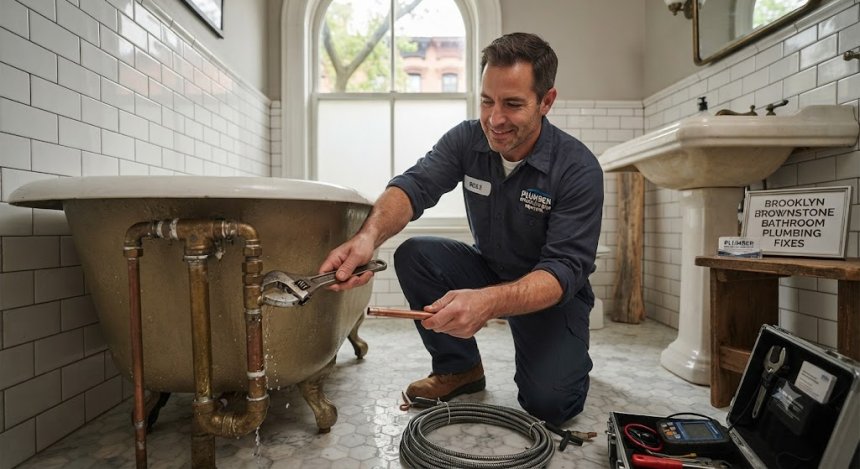
Brooklyn Brownstone Bathroom Plumbing Fixes
Master Brooklyn brownstone bathroom plumbing problems. Learn vintage pipe causes, warning signs, expert repairs, and maintenance tips today.
Brooklyn Brownstone Bathroom Plumbing Problems and Solutions
Owning a historic brownstone in neighborhoods like Park Slope, Brooklyn Heights, or Bedford-Stuyvesant is a matter of immense pride. These architectural masterpieces feature breathtaking original details, soaring ceilings, and charming character. However, beneath the ornate plasterwork and vintage tile often lies a web of antiquated plumbing. Bathroom plumbing in a Brooklyn brownstone is uniquely challenging because decades of patchwork repairs, aging infrastructure, and obsolete materials frequently clash with modern daily demands.
When a vintage shower drain backs up, a supply line hidden behind lath-and-plaster walls springs a leak, or water pressure plummets, homeowners need specialized insight. Understanding why these issues occur, recognizing early warning signs, and knowing when to call a professional can protect your historic property from devastating water damage.
What Is Brownstone Bathroom Plumbing?
Brownstone bathroom plumbing refers to the complex network of supply, vent, and drainage pipes servicing the bathrooms of multi-level historic townhouses built primarily in the 19th and early 20th centuries. These systems often combine vertical cast-iron stack lines, threaded galvanized steel supply pipes, and sometimes even remnants of old lead or brass piping.
Common Situations
-
Water draining slowly or backing up simultaneously in vintage clawfoot tubs and pedestal sinks due to shared, narrow horizontal branch lines.
-
Persistent leaks behind tiled bathroom walls built without modern waterproofing membranes.
-
Low water pressure caused by decades of mineral scaling constricting the interior diameter of aging supply pipes.
-
Foul sewer gases venting into upper-floor bathrooms because of dried-out or cracked vintage P-traps and deteriorated roof vent stacks.
Why Does This Plumbing Problem Happen?
Historic bathroom plumbing issues are deeply tied to the materials used generations ago and the sheer passage of time.
-
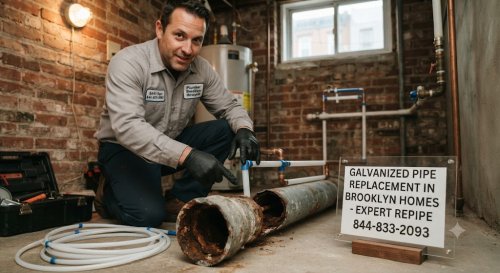
Aging Pipes and Internal Corrosion: Vintage galvanized steel and cast-iron pipes degrade internally over decades. Rust flakes and mineral scale build up, narrowing water pathways and weakening pipe walls until they leak or burst.
-
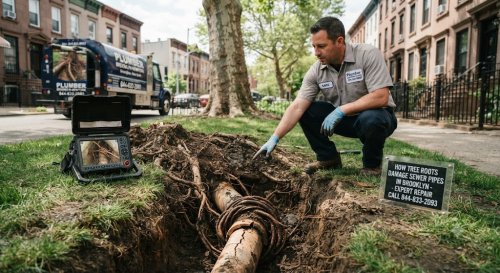
Tree Root Intrusion: Large London plane and oak trees lining Brooklyn streets send roots deep into underground lateral lines, which can back up wastewater all the way into basement and first-floor bathrooms.
-
Hard Water Scale Accumulation: Mineral content in municipal water leaves hard deposits inside faucet cartridges, shower valves, and supply elbows over time.
-
High Water Pressure: Municipal supply pressure feeding multi-story townhouses can fluctuate, putting continuous mechanical strain on old, fragile bathroom fittings.
-
Improper Past Maintenance: Previous owners or unqualified handymen may have patched modern PVC pipes onto corroded cast iron using incompatible connectors, creating weak stress points.
Signs You Should Never Ignore
In a historic home, small anomalies are rarely isolated quirks; they are usually precursors to major failures. Watch out for these warning signs:
-
Water Stains on Ceilings Below Bathrooms: A damp patch on a parlor-floor ceiling directly beneath an upstairs bathroom points to an active supply or drain leak.
-
Slow Draining Vintage Fixtures: Gurgling sounds or sluggish draining in tubs and sinks indicate heavy interior buildup or a venting restriction.
-
Low Water Pressure at Showers: A sudden or progressive drop in shower pressure means mineral scaling or internal pipe corrosion is blocking flow.
-
High Water Bills: Unexplained spikes in your quarterly utility bill strongly suggest a hidden, continuous water leak inside a wall cavity.
-
Musty Odors and Damp Walls: Persistent mildew smells around the base of a vintage clawfoot tub or tiled shower stall indicate chronic moisture seepage.
Common Plumbing Problems Related to This Issue
Bathroom plumbing failures in historic homes frequently trigger a cascade of related complications:
-
Concealed Pipe Leaks: Rot wooden joists and subflooring beneath tiled bathrooms before ever becoming visibly apparent on the ceiling below.
-
Fixture Damage: Cracked porcelain, failing vintage faucet stems, and stripped brass threads that cannot hold modern replacement parts.
-
Sewer Backups: Multi-floor drainage clogs that force wastewater upward into lower-level bathroom fixtures.
-
Water Heater Failures: Older tank units struggling to pump hot water up three or four stories through constricted legacy piping.
Step-by-Step Professional Repair Process
When you call Plumber Brooklyn Newyork to resolve a historic brownstone bathroom issue, our licensed technicians follow a meticulous, preservation-minded process:
-
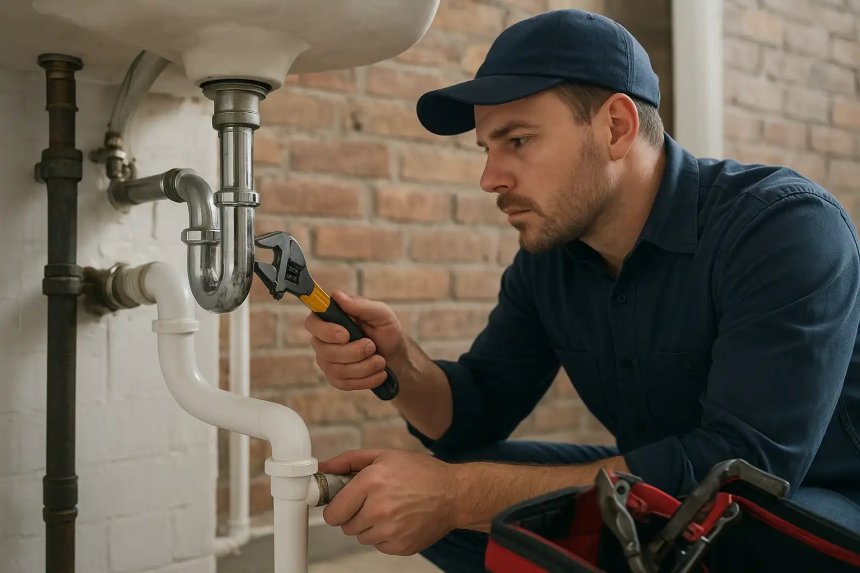
Careful Inspection: The plumber inspects accessible shut-off valves, visible pipe runs in the basement or utility chases, and fixture connections.
-
Diagnostic Scoping: Using specialized cameras, they examine hidden drainage stacks and supply lines without tearing into historic plaster unnecessarily.
-
Transparent Estimate: You receive a clear, upfront breakdown of recommended repair options, required materials, and labor estimates.
-
Precision Repair or Repiping: Technicians perform targeted repairs, replacing corroded sections with modern copper, PEX, or cast-iron equivalents while respecting historic finishes.
-
Rigorous System Testing: The bathroom plumbing is fully pressurized and drain lines are flow-tested to guarantee optimal performance.
-
Jobsite Cleanup: Work areas are thoroughly cleaned, restoring your bathroom to pristine condition.
-
Maintenance Advice: The plumber provides customized tips on how to preserve vintage fixtures while keeping modern plumbing secure.
Can You Fix It Yourself?
While brownstones require expert hands for major overhauls, homeowners can manage basic tasks safely:
-
Safe DIY Solutions: Cleaning mineral buildup off showerheads and faucet aerators by soaking them in white vinegar, or plunging minor sink clogs with a standard flat plunger.
-
Temporary Fixes: Turning off individual fixture shut-off valves to stop a spraying supply connector while waiting for a professional dispatch.
-
When DIY Becomes Dangerous: Attempting to solder vintage copper lines inside old wooden wall cavities, wrenching on brittle brass supply nuts, or using chemical drain openers on antique cast-iron pipes.
-
When Professional Plumbing is Necessary: Whenever you face behind-the-wall leaks, main stack clogs, sewer odors, or whole-house pressure drops.
Tools Professionals Use
Specialized equipment allows modern plumbers to work efficiently inside historic structures without destroying architectural details:
-
Fiber-Optic Drain Cameras: Inspect narrow or winding vintage pipe runs to locate cracks or root blocks accurately.
-
Electronic Leak Detectors: Acoustic and thermal imaging tools that pinpoint hidden pipe leaks behind lath-and-plaster walls or beneath tiled floors.
-
Hydro Jetting Systems: High-pressure water cleaning that scours decades of sludge and scale from old cast-iron drain stacks safely.
-
Pipe Locators: Map out buried or concealed pipe routes precisely to minimize exploratory wall openings.
How Long Does the Repair Usually Take?
Timelines for historic bathroom repairs vary depending on complexity:
-
Simple Repairs (e.g., replacing a faulty cartridge or clearing a localized sink trap): 30 to 90 minutes.
-
Moderate Repairs (e.g., replacing corroded supply lines under a sink or servicing a shower valve): 2 to 4 hours.
-
Major Projects (e.g., replacing a bathroom branch drain stack or updating multi-story supply lines): 1 to 3 days.
-
Factors Affecting Time: Pipe accessibility inside historic chases, age of existing infrastructure, and permit requirements for structural plumbing modifications.
Cost Factors for Historic Plumbing Work
Plumbing repair costs depend on several distinct variables. Estimates are tailored to your property:
-
Severity and structural scope of the plumbing failure.
-
Accessibility of pipes behind historic finishes or finished floors.
-
Specialized materials required to match vintage aesthetics or upgrade legacy configurations.
-
Emergency service dispatch timing (after-hours, weekends, or holidays).
-
Property type and municipal permit fees if structural repiping is mandated.
-
Local labor rates across the New York area.
Hidden Truths Homeowners Should Know
-
Small, slow leaks behind brownstone bathroom walls will quietly rot wooden structural framing and invite black mold long before you notice water on the floor.
-
Pouring chemical drain openers into antique cast-iron pipes accelerates internal corrosion and can cause catastrophic pipe failure.
-
Standard homeowner insurance policies may deny claims if water damage stems from long-term, unaddressed maintenance neglect of vintage plumbing.
-
Historic homes often have non-standard pipe diameters that require custom fittings rather than off-the-shelf hardware store fixes.
-
Annual plumbing maintenance in a multi-story brownstone prevents costly emergency teardowns of historic tile and plaster.
15 Common Mistakes Homeowners Make
-
Ignoring minor water stains on ceilings beneath upstairs bathrooms.
-
Using harsh chemical drain cleaners on old cast-iron or galvanized pipes.
-
Over-tightening antique brass or copper supply fittings, causing thread stripping.
-
Hiring general handymen who lack experience with historic brownstone infrastructure.
-
Skipping annual plumbing inspections of multi-level drainage stacks.
-
Waiting until a minor fixture drip turns into a midnight flood.
-
Using incompatible pipe materials (like mixing galvanized steel and bare copper) without dielectric unions.
-
Failing to locate main water shut-off valves before an emergency strikes.
-
Overlooking slow-draining tubs as normal historic quirks.
-
Forgetting to clear bathroom exhaust vents, leading to excessive humidity and mold.
-
Trying to force modern, high-torque tools onto fragile vintage pipe joints.
-
Neglecting to insulate exposed water pipes running through unheated brownstone basements or extensions.
-
Assuming a historic home's plumbing will last forever without proactive updates.
-
Flushing wet wipes or personal hygiene items down vintage toilets.
-
Failing to test water pressure levels, risking high-pressure stress on old valves.
Maintenance Tips to Protect Your Property
-
Inspect all bathroom supply lines, shut-off valves, and sink traps twice a year for signs of dampness or mineral crust.
-
Clean showerheads and faucet aerators annually to prevent mineral buildup and maintain strong water flow.
-
Run bathroom exhaust fans during and for twenty minutes after every shower to control humidity and prevent mold.
-
Never pour grease, coffee grounds, or hair down bathroom or utility drains.
-
Know the exact location of your main water shut-off valve so you can stop leaks instantly.
-
Schedule an annual professional camera inspection of your main drain stacks and sewer lateral.
-
Check your water pressure regularly; install a pressure-reducing valve if readings exceed normal residential thresholds.
-
Replace flexible supply hoses beneath sinks every five to seven years to prevent sudden ruptures.
-
Keep antique clawfoot tub drains clear using mechanical hair catchers rather than chemical solvents.
-
Insulate any water supply lines running near exterior walls or unheated extensions before winter.
-
Monitor your water bills for unexplained monthly spikes indicating hidden leaks.
-
Check tile grout and caulking around tubs and showers annually to prevent water seepage into wall cavities.
-
Keep contact info for a trusted local plumber saved in your phone for quick access.
-
Avoid hanging heavy items or pressure stress on exposed vintage pipe elbows.
-
Plan proactively with a licensed professional to phase out failing galvanized pipes over time.
When Should You Call an Emergency Plumber?
Certain situations require immediate professional intervention, day or night:
-
Active Ceiling Leaks: Water is actively pouring through a ceiling from an upstairs bathroom.
-
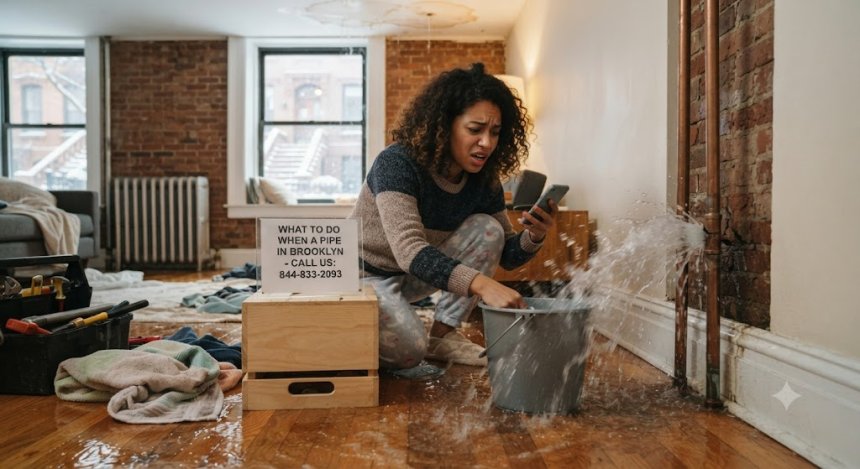
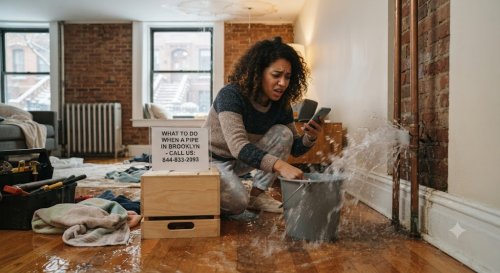
Burst Supply Pipes: A water line has snapped inside a wall or beneath a sink, spraying uncontrollably.
-
Severe Main Drain Backups: Wastewater is overflowing from basement floor drains or lower-level toilets.
-
Total Loss of Water Supply: Your home has no running water, and neighborhood lines are confirmed active.
-
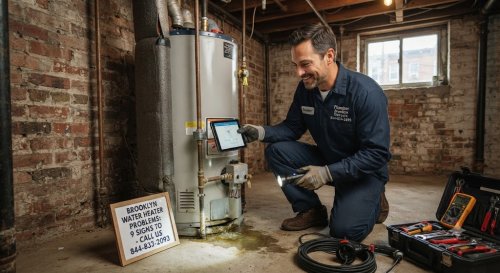
Major Water Heater Ruptures: The tank has failed and is flooding utility rooms.