Plumber Cost in Brooklyn, NY: Complete Pricing Guide
How much does a plumber cost in Brooklyn, NY? Explore realistic hourly rates, repair costs, emergency fees, and key price factors for local homes.

How Much Does a Plumber Cost in Brooklyn, NY? Complete Pricing Guide
Navigating a plumbing issue in Brooklyn is rarely just about fixing a pipe—it’s about understanding the unique architectural and regulatory reality of New York City real estate. Whether you live in a pre-war brownstone in Park Slope, a high-rise condo in DUMBO, or a multi-family property in Bay Ridge, hiring a professional plumber involves variables that differ significantly from other parts of the country.
When water is pooling on your bathroom tile or your kitchen sink stops draining, your first instinct is to ask: How much is this going to cost me?Plumber Cost in Brooklyn, NY: Complete Pricing Guide
Understanding plumbing pricing in Brooklyn requires looking beyond a single dollar figure. Because Brooklyn features an intricate mix of century-old infrastructure, strict New York City Department of Buildings (DOB) codes, and dense urban working conditions, pricing varies depending on labor, access, materials, and urgency. This guide breaks down how plumbing pricing works across Brooklyn, what factors shape your bill, and how to get fair, transparent, high-quality service for your home or commercial property.
What Is {How Much Does a Plumber Cost in Brooklyn, NY? Complete Pricing Guide}?
A comprehensive plumbing pricing guide evaluates what property owners pay for professional plumbing services within Brooklyn (Kings County), NY. Rather than offering flat quotes, a practical pricing guide breaks down the true structure of plumbing charges—including diagnostic trip fees, hourly labor rates, material markups, permit requirements, and emergency surcharges.
Common Pricing Models in Brooklyn
Plumbing contractors in New York City typically operate under one of two pricing structures:
-
Hourly Billing: The client is charged a standard labor rate per hour, usually with a one- or two-hour minimum. In NYC, standard hourly rates for licensed journeymen and master plumbers range between $120 and $250+ per hour, depending on experience and job complexity.
-
Flat-Rate Pricing: The contractor evaluates the job during an initial inspection and provides a single, upfront quote covering labor, standard materials, and cleanup—regardless of how many hours the repair takes. Flat-rate pricing is common for standardized services like water heater installations, toilet replacements, and drain snaking.
Typical Symptoms of a Plumbing Pricing Misunderstanding
Homeowners often feel surprised by plumbing bills because they miscalculate what goes into a service visit. A $150 repair quote might evolve into a larger invoice if hidden water damage is discovered behind plaster, if aging galvanized steel pipes crumble during fitting, or if emergency after-hours dispatch fees apply. Knowing how pricing works upfront prevents unpleasant surprises when the invoice arrives.
Why Do Plumbing Cost Variances Happen?
If you call three different plumbing companies in Brooklyn, you will likely receive three different cost estimates. This isn't necessarily arbitrary; it reflects structural differences in how plumbing issues manifest and how individual contracting businesses operate in New York City.
                     ┌────────────────────────────────────────┐
                     │   BROOKLYN PLUMBING COST DRIVERS      │
                     └──────────────────┬─────────────────────┘
                                        │
         ┌──────────────────────────────┼──────────────────────────────┐
         ▼                              ▼                              ▼
┌───────────────────┐        ┌────────────────────┐        ┌───────────────────┐
│ Building Heritage │        │    NYC Compliance   │        │ Access & Logistics│
│  - Pre-war pipes  │        │  - DOB permits     │        │  - Tight risers   │
│  - Cast iron lines│        │  - Licensed Master │        │  - Parking & stairs│
│  - Brownstone work│        │  - DEP inspections │        │  - Wall demolition│
└───────────────────┘        └────────────────────┘        └───────────────────┘
1. Building Age and Heritage Infrastructure
Brooklyn is famous for its historic brownstones, pre-war apartment buildings, and converted industrial lofts. Many properties still rely on original cast iron waste lines, brass branch lines, or lead supply entries. Working on vintage plumbing requires extreme care. A routine fixture swap in an 1890s townhouse can quickly turn into a sub-floor pipe rebuild if old threads snap during disassembly.
2. High Cost of Doing Business in NYC
Licensed plumbing contractors in Brooklyn face hefty operational overhead:
-
Citywide licensing and bonding through the NYC DOB
-
High-value commercial liability insurance and worker’s compensation
-
Commercial parking permits, tolls, and congestion transit costs
-
Local staging and warehouse storage expense
These overhead factors are built into labor rates to ensure the business operates legally, carries insurance, and employs fully certified master plumbers.
3. Regulatory and Permit Requirements
Minor repairs (like replacing a faucet washer or clearing a sink P-trap) do not require city permits. However, major work—such as replacing a main sewer line, installing a new gas boiler, or altering water branch lines—requires permits from the NYC Department of Buildings and inspections by the Department of Environmental Protection (DEP). Permit filing and licensed sign-offs add administrative labor to the overall project cost.
4. Accessibility and Spatial Constraints
In high-density Brooklyn neighborhoods like Williamsburg, Bushwick, or Crown Heights, plumbing risers are often sandwiched inside narrow chase walls behind brick or lath-and-plaster. If a plumber has to spend two hours safely cutting through historic tile or brick to reach a leaking riser, labor costs increase accordingly.
Signs You Should Never Ignore
Plumbing problems rarely fix themselves; they escalate. Delaying a repair to save on short-term costs often leads to severe property damage and higher emergency bills later. Pay attention to these early warning signs:
-
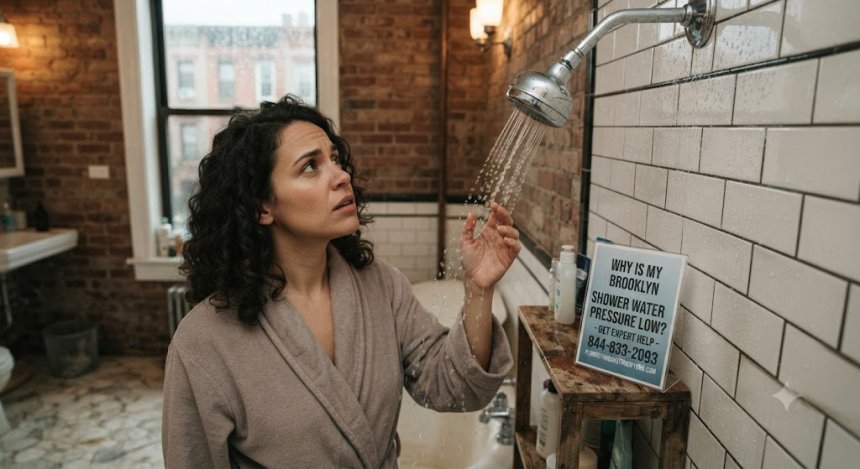
Slight Dropping of Water Pressure: If water flow decreases across multiple fixtures, you may have mineral buildup in old galvanized lines or an undetected main branch leak.
-
Unexplained Spikes in Utility Bills: A sudden jump in your NYC DEP water bill usually indicates a hidden running toilet, a slab leak, or an underground supply line break.
-
Slow Drains in Lower Levels: When basement or garden-apartment drains bubble or run slow, it signals an impending main sewer line blockage.
-
Discolored Water: Brownish or reddish water indicates internal pipe corrosion, rust inside an aging storage water heater, or water main disturbance on your street.
-
Damp Spots, Peeling Paint, or Water Stains: Yellowish rings on ceilings or bubbling plaster on brownstone walls point directly to active hidden leaks inside plumbing chases.
-
Sewer Gas Odors: A persistent rotten-egg or sewage smell indicates a dried-out trap, a cracked vent pipe inside the wall, or a broken sewer line under your foundation.
-
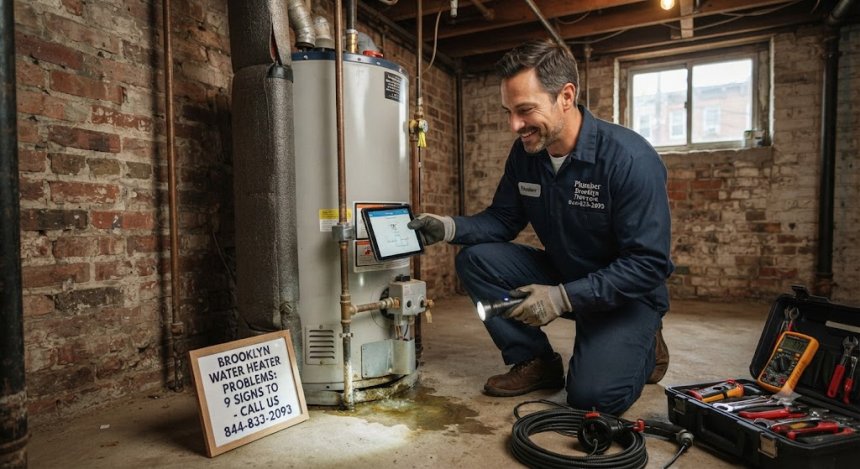
Rumbling or Popping Sounds from the Boiler/Water Heater: Loud knocking noises inside a water tank mean sediment build-up has trapped water beneath it, overheating the unit and accelerating tank failure.
Common Plumbing Issues in Brooklyn Properties
The types of plumbing challenges you encounter in Kings County depend heavily on your building's construction type and age:
┌─────────────────────────────────────────────────────────────────────────┐
│                    COMMON BROOKLYN PLUMBING CHALLENGES                 │
├────────────────────────────┬────────────────────────────────────────────┤
│ Property Type              │ Typical Plumbing Issues                    │
├────────────────────────────┼────────────────────────────────────────────┤
│ Historic Brownstones       │ Galvanized line corrosion, cast iron cracks│
│ Pre-War Apartment Blocks   │ shared riser clogs, low gravity pressure   │
│ New Construction / Condos  │ PEX manifold leaks, pressure reducer fails  │
│ Commercial & Storefronts   │ Grease trap overflows, heavy drain loads   │
└────────────────────────────┴────────────────────────────────────────────┘
Pipe Leaks and Riser Failure
In multi-story Brooklyn buildings, water supply lines (risers) carry pressurized water up to upper floors. Aging brass or copper risers can develop pinhole leaks at soldered joints, affecting multiple apartments simultaneously.
Main Sewer Line Root Intrusion & Bellies
Tree-lined blocks in neighborhoods like Prospect Heights and Brooklyn Heights feature mature London Plane trees. Their roots aggressively seek moisture, penetrating clay sewer pipes beneath the front brownstone garden or sidewalk.
Steam Heating and Boiler Malfunctions
Many older Brooklyn residential structures rely on low-pressure steam heating systems. Leaking air vents, failed boiler automatic feeders, and corroded return lines require specialized hydronic plumbing skills that go beyond basic pipe fitting.
Drain Blockages
High usage in multi-unit dwellings leads to grease, hair, foreign objects, and flushable wipes building up in horizontal drain branches. Standard plungers rarely reach these deep blockages.
Step-by-Step Professional Repair Process
When you hire a professional plumbing contractor in Brooklyn, you pay for a systematic, safety-first workflow designed to protect your home and satisfy municipal codes.
┌────────────────────────────────────────────────────────────────────────┐
│               THE 7-STEP PROFESSIONAL PLUMBING WORKFLOW               │
└────────────────────────────────────────────────────────────────────────┘
  [1. Diagnostic]  ──► [2. Inspection]  ──► [3. Upfront Estimate]
         │
         ▼
  [4. Execution]   ──► [5. Testing]     ──► [6. Site Cleanup]
         │
         ▼
  [7. Documentation & Advice]
-
Step 1: On-Site Evaluation & Dispatch: The technician arrives equipped with proper tools and protective gear, assessing your immediate plumbing setup.
-
Step 2: Advanced Diagnostic Inspection: Utilizing video cameras, pressure gauges, or electronic leak detectors, the plumber pinpoints the root cause rather than guessing.
-
Step 3: Upfront Written Estimate: Before work begins, you receive an itemized estimate explaining line items: required labor, replacement parts, equipment fees, and permit needs.
-
Step 4: System Isolation & Execution: Water, gas, or drainage zones are safely isolated. Old components are carefully extracted and new code-compliant pipes or fixtures installed.
-
Step 5: System Testing & Code Compliance: The system is restored to full pressure, monitored for leaks, and checked against NYC plumbing code standards.
-
Step 6: Cleaning & Site Restoration: The area is cleared of debris, old parts, and standing water, leaving your residence clean.
-
Step 7: Customer Walkthrough & Maintenance Guidance: The technician explains what was done, presents the final invoice, and outlines preventative practices to keep system operational.
Can You Fix It Yourself?
With abundant online DIY tutorials, many homeowners consider taking on their own plumbing repairs. However, in a Brooklyn context, DIY attempts carry notable structural risks.
┌─────────────────────────────────────────────────────────────────────────┐
│                         DIY VS. PROFESSIONAL WORK                       │
├────────────────────────────┬────────────────────────────────────────────┤
│ Safe for Homeowners        │ Hire a Licensed Professional               │
├────────────────────────────┼────────────────────────────────────────────┤
│ - Swapping a sink aerator  │ - Any gas line work (NYC Law)              │
│ - Replacing a toilet flapper│ - Main sewer clearing or hydro jetting    │
│ - Cleaning a surface P-trap│ - Opening up walls or cutting main risers  │
│ - Installing a showerhead  │ - Water heater installation & venting      │
└────────────────────────────┴────────────────────────────────────────────┘
Safe DIY Tasks
-
Basic Toilet Flapper/Fill Valve Replacement: Simple, contained inside the tank, and unlikely to flood your home if done carefully.
-
Clearing Minor Sink Clogs with a Hand Plunger: Safe for clearing surface-level hair or soap scum from a bathroom sink.
-
Updating a Showerhead or Faucet Aerator: Simple screw-on task requiring minimal tools (plumber's tape and adjustable wrench).
When DIY Becomes Dangerous
-
Gas Line Connections: In NYC, performing illegal DIY gas work is dangerous and strictly prohibited by municipal law. All gas work must be performed by a Licensed Master Plumber (LMP).
-
Chemical Drain Cleaners: Pouring harsh caustic chemicals into old cast iron or copper drain lines can dissolve the pipe walls from the inside out, turning a cheap blockage into an expensive repiping project.
-
Opening Main Water Risers without Building Isolation: In multi-family homes, accidentally stripping a main riser shut-off valve can flood lower apartments in minutes, exposing you to substantial liability.
Tools Professionals Use
Professional plumbers carry specialized equipment designed to resolve tough issues efficiently without causing property damage.
┌─────────────────────────────────────────────────────────────────────────┐
│                    ADVANCED PLUMBING EQUIPMENT TOOLKIT                  │
├────────────────────────────┬────────────────────────────────────────────┤
│ Professional Tool          │ Practical Application                      │
├────────────────────────────┼────────────────────────────────────────────┤
│ Sewer Video Cameras        │ Inspects interior of pipes 100+ feet deep   │
│ High-Pressure Hydro Jetters│ Scours grease & roots using 3000+ PSI water│
│ Ultrasonic Leak Detectors  │ Locates pinhole leaks behind plaster/tile  │
│ Pipe Locators              │ Traces underground supply & sewer trajectories│
│ Diagnostic Pressure Gauges │ Measures static & dynamic pressure drops   │
└────────────────────────────┴────────────────────────────────────────────┘
These tools allow licensed plumbers to solve complex, hidden issues with surgical precision, keeping overall labor hours down and protecting your walls and floors.
How Long Does the Repair Usually Take?
Repair duration directly influences labor charges. Here is a realistic overview of standard timeline expectations:
-
Simple Service Calls (1 to 2 Hours): Unclogging a single fixture, replacing a shut-off valve, fixing a dripping kitchen faucet, or replacing a toilet flapper.
-
Moderate Repairs (2 to 4 Hours): Snaking a main drain line, replacing an under-sink garbage disposal, repairing a broken section of accessible copper pipe, or installing a standard water heater.
-
Major Overhauls (1 to 3 Days): Full bathroom or kitchen rough-in plumbing, main line sewer replacement beneath a driveway, hydro jetting an entire commercial line system, or replacing a steam heating boiler.
-
Emergency Visits (Varies): Stabilizing a sudden burst pipe might take 1 hour, followed by scheduled structural repairs lasting several hours the next day.
Cost Factors: What Drives Your Final Brooklyn Plumbing Bill?
To budget accurately for plumbing in Brooklyn, you must look at the key elements that comprise an invoice rather than searching for generic flat prices.
┌─────────────────────────────────────────────────────────────────────────┐
│                  ANATOMY OF A BROOKLYN PLUMBING INVOICE                 │
├─────────────────────────────────────────────────────────────────────────┤
│ 1. Service Call / Diagnostic Fee ($75 – $200)                           │
│    (Covers dispatch, vehicle overhead, and initial diagnosis)           │
├─────────────────────────────────────────────────────────────────────────┤
│ 2. Labor Charges ($120 – $250+/hr or Flat Rate)                         │
│    (Varies by Licensed Master Plumber vs Journeyman expertise)          │
├─────────────────────────────────────────────────────────────────────────┤
│ 3. Specialty Materials & Fixtures                                       │
│    (Heavy-duty copper, cast iron fittings, water heaters, backflow valves)│
├─────────────────────────────────────────────────────────────────────────┤
│ 4. Municipal Permits & Sign-Off Fees (If applicable)                    │
│    (NYC DOB filings, backflow testing, DEP inspections)                │
├─────────────────────────────────────────────────────────────────────────┤
│ 5. Emergency / After-Hours Surcharges (1.5x to 2x base rate)             │
│    (Nights, weekends, major city holidays)                              │
└─────────────────────────────────────────────────────────────────────────┘
Industry Pricing Note: Plumbing service costs vary depending on the severity of the problem, accessibility, materials required, emergency service, property type, and local labor rates.
1. Diagnostic and Service Call Fees
Most reputable plumbing companies charge an upfront service call or diagnostic fee ranging from $75 to $200. This fee covers the cost of sending a fully stocked truck and a qualified plumber to evaluate the property. In many cases, if you approve the proposed work on the spot, the company will credit this diagnostic fee toward the total bill.
2. Labor Rates: Master Plumbers vs. Journeymen
New York City maintains strict licensing. Master Plumbers undergo rigorous examination, hold active liability coverage, and are legally authorized to pull permits. Journeymen work under the supervision of a Licensed Master Plumber. Hourly rates reflect these qualifications.
3. Emergency and After-Hours Surcharges
Plumbing emergencies rarely happen at convenient times. Calling a plumber at 2:00 AM on a Sunday or during a major holiday usually incurs an emergency dispatch fee ($150–$350+) or a labor multiplier (1.5x to 2x the standard hourly rate).
4. Material Selection
The types of materials selected impact performance, durability, and cost:
-
PEX (Cross-linked Polyethylene): Cost-effective, flexible, and resistant to freezing; ideal for modern interior remodels.
-
Copper (Type L or K): Long-lasting, highly reliable, and traditional choice for domestic water lines.
-
Cast Iron: Essential for waste lines in high-density or historic buildings due to its sound-dampening qualities and fire code ratings.
Hidden Truths Homeowners Should Know
-
Small Leaks Create Large Bills: A slow drop of water running down inside a wall chase silently rots floor joists, breeds toxic mold, and leads to expensive drywall or plaster reconstruction.
-
Cheap Quick-Fixes Fail Fast: Rubber patches, hose clamps, and chemical pour-in solutions are temporary band-aids. They often fail when water pressure spikes overnight, causing massive flooding.
-
Homeowners Insurance May Deny Claims for Neglect: Insurance policies typically cover sudden, accidental pipe bursts. They routinely deny claims caused by gradual, unaddressed leaks or long-term sewer line deterioration.
-
Tree Roots Return Until Removed or Relined: Snaking a root-infested line opens a path, but tree roots will grow back inside within months unless the pipe is structurally relined or excavated.
-
DIY Errors Double the Invoice: Attempting to force corroded threads or overtightening plastic fittings can crack your main valve body, turning a minor fix into a full emergency shut-off job.
-
Hard Water Shortens Appliance Lifespan: Sediment and scale buildup reduce boiler efficiency and cut tanked water heater lifespans by years.
-
City Water Pressure Spikes Cause Pinholes: If your building's pressure-reducing valve (PRV) fails and city municipal pressure exceeds 80 PSI, it puts stress on joints and causes premature failure.
-
Unlicensed Work Delays Property Sales: Unpermitted plumbing alterations discovered during title searches or home inspections can stall a home sale until code violations are resolved by a Licensed Master Plumber.
15 Common Mistakes Homeowners Make
┌────────────────────────────────────────────────────────────────────────┐
│                   15 PREVENTABLE HOMEOWNER MISTAKES                    │
├────────────────────────────────────────────────────────────────────────┤
│  1. Ignoring minor drips and trickling toilets                          │
│  2. Pouring liquid drain cleaners into old cast iron pipes             │
│  3. Flushing wipes labeled "flushable" into main waste lines            │
│  4. Discarding cooking grease and oils down kitchen sinks               │
│  5. Leaving water hoses connected to outdoor spigots during winter      │
│  6. Neglecting to replace aging rubber washing machine hoses           │
│  7. Hiring unlicensed, unbonded handymen for plumbing alterations      │
│  8. Overtightening supply line nuts and plastic vanity connections      │
│  9. Skipping annual water heater tank flushing                          │
│ 10. Failing to locate the main water emergency shut-off valve          │
│ 11. Waiting for total pipe failure before calling a technician          │
│ 12. Using chemical rim blocks inside toilet tanks that erode seals     │
│ 13. Storing heavy cleaning supplies pressed against flexible shut-offs │
│ 14. Installing incompatible mixed metals without dielectric unions      │
│ 15. Disregarding water pressure spikes above 80 PSI                    │
└────────────────────────────────────────────────────────────────────────┘
-
Ignoring Minor Dripping: A steady drip can waste over 3,000 gallons of water per year, steadily inflating your water bill.
-
Pouring Caustic Drain Cleaners Down Drains: Chemical reactions can heat up PVC or corrode older metal lines.
-
Flushing Wipes: Wipes do not disintegrate like toilet paper. They snag on rough cast iron interior walls, forming solid blockages.
-
Pouring Kitchen Fat Down the Sink: Liquid grease cools inside cold subterranean drain lines, solidifying into thick fats that choke off drainage.
-
Leaving Outdoor Hoses Connected in Winter: Trapped water inside the hose bib freezes, expands back into the pipe, and bursts the internal brass fitting.
-
Using Low-Quality Rubber Appliance Hoses: Standard rubber washing machine lines degrade over time. Switching to braided stainless steel prevents sudden bursts.
-
Hiring Unlicensed Handymen for Plumbing Work: Handymen lack Master Plumber licensing and liability insurance needed if a major water incident occurs.
-
Overtightening Threaded Plumbing Fittings: Cracking plastic nuts on fill valves or stripping brass pipe threads leads to unexpected joint failure under pressure.
-
Skipping Annual Water Heater Flushing: Sediment buildup forms a thermal barrier at the bottom of the tank, causing overheating, noise, and early failure.
-
Not Knowing Where the Main Water Shut-Off Is: When a major pipe bursts, spending 20 minutes searching for the shut-off valve amplifies water damage exponentially.
-
Delaying Repairs Until an Emergency Occurs: Ignoring early warning signs turns a standard weekday repair into an expensive midnight emergency call.
-
Dropping In-Tank Chemical Tablets: Chlorine drop-in tablets degrade rubber flappers and flush valves, causing toilets to run constantly.
-
Jambing Under-Sink Storage Against Flex Lines: Cramming cleaning bottles beneath vanities can bend or loosen supply lines, causing hidden cabinet leaks.
-
Connecting Copper directly to Galvanized Steel: Mixing these metals triggers galvanic corrosion, eating away pipe joints unless a dielectric union is installed.
-
Ignoring High Water Pressure: Excess water pressure strains pipe joints, appliances, and toilet fill valves.
Proactive Plumbing Maintenance Tips
Regular maintenance prolongs the lifespan of your plumbing system, keeps utility bills down, and prevents emergency service calls.
┌─────────────────────────────────────────────────────────────────────────┐
│                    SEASONAL PLUMBING MAINTENANCE CHECKLIST              │
├────────────────────────────┬────────────────────────────────────────────┤
│ Spring & Summer            │ Fall & Winter                              │
├────────────────────────────┼────────────────────────────────────────────┤
│ - Inspect outdoor spigots  │ - Disconnect garden hoses & drain spigots  │
│ - Check sump pump operation│ - Insulate exposed pipes in unheated areas │
│ - Flush water heater tank  │ - Test steam boiler pressure & sight glass │
│ - Inspect exposed waste lines│ - Servicing radiator air vents & valves │
└────────────────────────────┴────────────────────────────────────────────┘
-
Flush Your Tanked Water Heater Annually: Drain a few gallons from the bottom valve to purge accumulated sediment.
-
Install Stainless Steel Braided Hoses: Upgrade all washing machine and sink supply lines to braided metal flex hoses.
-
Test Toilet Flapper Seals: Add a few drops of food coloring into the tank. If color seeps into the bowl within 15 minutes, replace the flapper.
-
Clean Strainers & Aerators Regularly: Unscrew faucet aerators every few months to clear sediment and maintain strong water flow.
-
Keep Grease Out of the Drain: Pour cooking oils into a disposable can or jar instead of washing them down the kitchen sink.
-
Know Your Shut-Off Valves: Label your main water shut-off valve and test individual fixture shut-offs annually to make sure they don't seize.
-
Insulate Pipes in Unheated Basements: Wrap exposed water lines in foam pipe insulation before cold weather arrives.
-
Clear Tree Roots Preventatively: If your property has trees near the sewer line, schedule a video camera inspection every two years.
-
Install Water Leak Detectors: Place inexpensive smart water sensors near washing machines, water heaters, and under kitchen sinks.
-
Check the Pressure Reducing Valve (PRV): Ensure household water pressure stays within a safe 45–65 PSI range.
-
Keep Sump Pumps Clear: Test basement sump pumps before the spring rain season by pouring a bucket of water into the basin to verify float switch operation.
-
Exercise Shut-Off Valves: Turn shut-off valves under sinks and behind toilets off and on once or twice a year to keep them from seizing up.
-
Run Unused Faucets Periodically: Run water through guest bathroom fixtures occasionally to keep P-trap water seals intact and stop sewer gas entry.
-
Inspect Boiler Sight Glasses: If you have steam heat, verify the water level weekly during heating months to keep your boiler running safely.
-
Avoid Hanging Clothes from Exposed Pipes: Never use exposed basement or utility closet water pipes as clothing hangers.
When Should You Call an Emergency Plumber?
Not every plumbing issue requires an after-hours emergency visit, but some situations demand immediate action to limit property damage and health risks.
┌────────────────────────────────────────────────────────────────────────┐
│                   EMERGENCY VS. SCHEDULED REPAIR                      │
├──────────────────────────────────────┬─────────────────────────────────┤
│ CALL IMMEDIATELY (24/7)              │ SCHEDULE DURING REGULAR HOURS   │
├──────────────────────────────────────┼─────────────────────────────────┤
│ - Burst water main or broken riser   │ - Dripping faucet or minor leak │
│ - Sewage backing up into tub/shower  │ - Slow-draining bathroom sink   │
│ - Completely non-functional toilet   │ - Running toilet in multi-bath  │
│ - Gas odor near water heater/boiler  │ - Garbage disposal replacement  │
│ - Rapid ceiling or wall flooding     │ - Upgrading shower fixtures     │
└──────────────────────────────────────┴─────────────────────────────────┘
When facing an active emergency, shut off the main water valve immediately, safely turn off electricity to wet zones if safe to do so, and contact a 24/7 licensed emergency plumber.
Frequently Asked Questions
How much does a plumber charge per hour in Brooklyn, NY?
Hourly rates for licensed plumbers in Brooklyn generally range from $120 to $250+ per hour. Rates depend on whether the technician is a licensed master plumber or a journeyman, as well as job complexity and emergency timing.
Why do plumbers charge a service call fee?
The service call fee ($75–$200) covers travel expenses, vehicle fuel, tools, and the plumber's time to evaluate your issue. Reputable companies often apply this diagnostic charge toward your final repair cost if you proceed with the work on the spot.
What is the average cost to clear a clogged drain in Brooklyn?
Basic drain cleaning using a professional snake typically runs between $150 and $400. If the clog is located deep inside the main sewer line or requires high-pressure hydro jetting, costs range higher based on access and equipment needs.
Do I need a permit for plumbing work in NYC?
Minor repairs and direct fixture replacements (like swapping a faucet or clearing a drain) do not require permits. However, modifying branch supply lines, replacing main sewer lines, or altering gas piping requires permits from the NYC Department of Buildings (DOB).
Why are plumbing repairs in historic brownstones more expensive?
Brownstones often feature aging cast iron, lead, or galvanized pipe systems tucked behind thick plaster walls. Working on these delicate systems without damaging historic finishes requires extra labor, specialized tools, and careful isolation techniques.
Is hydro jetting safe for older pipes?
Hydro jetting is safe for sound cast iron and heavy PVC pipes, but it requires a video camera inspection beforehand. If an inspection shows cracked or severely corroded pipe walls, standard snaking or trenchless pipe lining is recommended instead.
What causes water pressure to drop suddenly?
A sudden drop in pressure usually stems from a stuck main shut-off valve, a failing pressure-reducing valve (PRV), heavy municipal water usage nearby, or an active main line pipe leak.
Can a running toilet increase my NYC water bill?
Yes. A running toilet caused by a worn flapper can waste hundreds of gallons of water daily, adding substantial unneeded charges to your quarterly NYC DEP water invoice.
How do I know if my main sewer line is broken?
Warning signs include multiple drains backing up at once, bubbling in lower-level toilets, damp foul-smelling spots in garden apartments, or persistent sewer odors in your basement.