Why Is My Water Brown? Causes in Brooklyn Homes
Discover why your Brooklyn home has brown or rust-colored water. Learn causes, warning signs, plumbing fixes, and when to call local experts


What Causes Brown or Rust-Colored Water in Brooklyn Homes?
Turning on your kitchen faucet in the morning only to see a stream of murky, brown, or rust-colored water can be alarming. For homeowners and business owners across Brooklyn, Kings County, and nearby areas like Crown Heights, Flatbush, and Astoria, discolored tap water is a frustrating issue that demands immediate attention. Whether you live in a historic brownstone with decades-old piping or a newer apartment building, water discoloration disrupts daily routines and raises valid concerns about water safety.
People search for this topic because discolored water signals underlying issues within either the municipal supply network or your private plumbing infrastructure. Knowing what causes this problem helps you determine whether you need to run your tap to clear sediment or call a professional plumber to address degrading pipes.
What Is Brown or Rust-Colored Water?
Brown or rust-colored water refers to tap water that contains suspended iron particles, sediment, rust flakes, or organic matter, giving it a yellow, tea-colored, red, or dark brown appearance.
Common Situations
-
Water turning rusty or brown immediately after opening a faucet that has been closed overnight.
-
Discoloration occurring exclusively when using hot water, pointing toward a failing water heater tank.
-
Sudden brown water flooding the house after a nearby municipal water main break or fire hydrant use by the city.
-
Persistent yellowish water that stains porcelain sinks, bathtubs, and freshly laundered clothing.
Why Does This Plumbing Problem Happen?
Water discoloration is rarely random; it points directly to chemical reactions, mechanical wear, or infrastructure disturbances.
-
Aging Pipes and Internal Corrosion: Many older Brooklyn properties feature galvanized steel or iron pipes. Over decades, water chemistry causes the interior walls of these pipes to oxidize and flake off rust directly into your water stream.
-
Water Heater Sediment Accumulation: Mineral sediment and iron particles naturally settle at the bottom of water heater tanks over time. As the tank heats up, turbulence stirs up this sludge, delivering rust-colored water through your hot taps.
-
Municipal Main Disruptions and Flushing: When the New York City Department of Environmental Protection flushes local water mains or repairs a broken main nearby, sudden changes in water velocity dislodge mineral buildup inside city pipes, pushing it into residential lines.
-
High Water Pressure: Excessive water pressure can scour older pipe walls, loosening microscopic metal particles and accelerating internal pipe degradation.
-
Poor Maintenance: Failing to flush water heaters or service aging whole-house filtration systems allows iron and mineral sediment to accumulate unchecked.
Signs You Should Never Ignore
Discolored water is often accompanied by other subtle warning signs that indicate your plumbing system is under stress. Watch out for these red flags:
-
Metallic or Bitter Taste: If your water tastes like pennies or iron, high concentrations of dissolved metals are present in your supply.
-
Stained Plumbing Fixtures: Orange or brown rings forming around your bathtub drain, toilet bowl, or sink basin indicate chronic iron deposition.
-
Reduced Water Pressure: When rust flakes accumulate inside pipes or aerators, they restrict water flow, leading to sputtering or low pressure.
-
Discolored Laundry: White or light-colored clothing turning yellowish-brown after a wash cycle is a classic indicator of high iron content.
-
Clogged Faucet Aerators: Frequently finding gritty sediment or tiny red-brown flakes trapped in your faucet mesh screens.
Common Plumbing Problems Related to This Issue
Rust-colored water is often a symptom of broader mechanical failures throughout your home's plumbing layout:
-
Corroded Supply Lines: Internal wall thinning that eventually leads to pinhole leaks or sudden pipe bursts.
-
Failing Water Heater Tanks: Heavy internal rust eating through glass-lined steel tanks, signaling that a tank rupture is near.
-
Clogged Fixture Cartridges and Valves: Sediment jamming ceramic discs inside modern faucets and shower valves.
-
Premature Appliance Failure: Washing machines and dishwashers damaged by mineral buildup and sediment clogging internal solenoids.
Step-by-Step Professional Repair Process
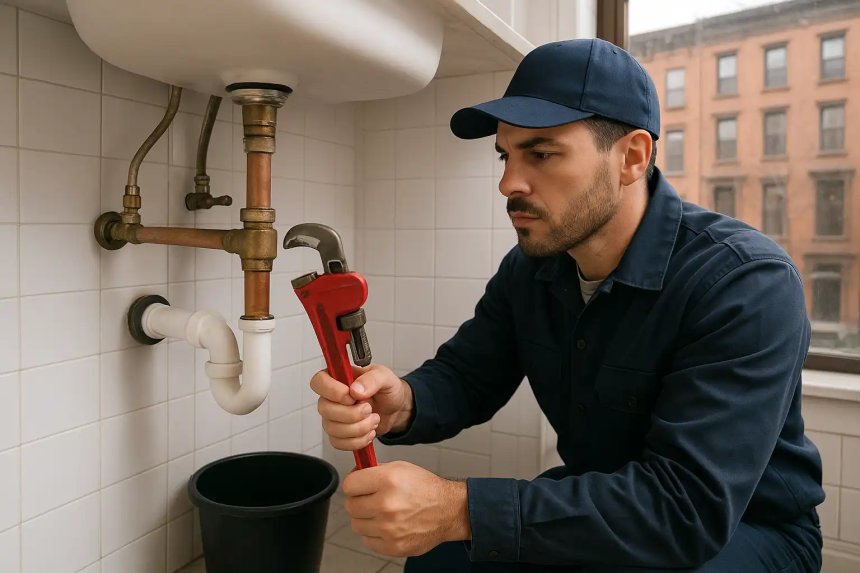
When you call Plumber Brooklyn Newyork to diagnose and resolve persistent water discoloration, our licensed technicians follow a thorough, step-by-step methodology:
-
System Inspection: The plumber inspects your main water entry point, pressure regulator, water heater, and visible supply piping.
-
Diagnostic Isolation Testing: Technicians test water samples from both hot and cold lines separately to determine whether the issue originates at the water heater or the main house piping.
-
Transparent Estimate: You receive a detailed, upfront breakdown of recommended corrective actions, parts, and labor costs before any work begins.
-
Targeted Repair or Flushing: Professionals flush water heater tanks, clean whole-house sediment filters, or replace corroded sections of galvanized piping.
-
Rigorous System Testing: All taps are opened and flushed until the water runs completely clear, and pressure levels are verified.
-
Jobsite Cleanup: Work areas are thoroughly tidied, leaving your home spotless.
-
Maintenance Advice: The technician provides expert guidance on preventing future mineral buildup and scheduling routine system checkups.
Can You Fix It Yourself?
While major pipe replacements require licensed expertise, homeowners can safely handle several introductory steps:
-
Safe DIY Solutions: Flushing your home lines by opening all cold water taps wide for 5 to 10 minutes to clear out municipal sediment, or cleaning mineral debris out of faucet aerator screens.
-
Temporary Fixes: Installing a point-of-use sediment filter at your kitchen sink or washing machine supply line to catch visible rust flakes.
-
When DIY Becomes Dangerous: Attempting to drain a high-capacity commercial or residential water heater without proper pressure-relief safety precautions, or trying to cut into old corroded metal pipes.
-
When Professional Plumbing is Necessary: Whenever brown water persists for more than a day, occurs only on your hot water lines, or is accompanied by pressure drops and pipe leaks.
Tools Professionals Use
Professional plumbers use advanced diagnostic and maintenance equipment to identify the exact source of water discoloration:
-
Water Quality Testing Kits: Measure total dissolved solids, iron content, and pH levels on-site.
-
Drain and Pipe Inspection Cameras: Travel through interior pipe walls to assess the extent of internal corrosion and rust scaling.
-
Pressure Testing Gauges: Identify whether high municipal or residential water pressure is accelerating pipe scouring.
-
Tank Flushing and Descaling Equipment: High-flow flushing rigs that scrub stubborn sediment and mineral sludge from water heater basins.
How Long Does the Repair Usually Take?
Repair and maintenance timelines vary depending on the root cause of the discoloration:
-
Simple Fixes (e.g., cleaning aerators or flushing lines after city main work): 30 to 60 minutes.
-
Moderate Repairs (e.g., flushing and servicing a sediment-laden water heater): 1 to 2 hours.
-
Major Projects (e.g., replacing corroded galvanized supply lines or installing a whole-house filtration system): 4 hours to a full day.
-
Factors Affecting Time: Pipe accessibility, age of the home, severity of corrosion, and whether custom filtration equipment needs to be installed.
Cost Factors for Water Quality Repairs
Plumbing repair and filtration costs depend on several variables. Estimates are tailored to your specific property:
-
Source and severity of the rust or sediment issue.
-
Accessibility of the affected water lines or water heater unit.
-
Materials required (e.g., upgrading from galvanized steel to modern copper or PEX piping, or installing specialized iron-filtering systems).
-
Emergency service dispatch timing (after-hours or weekends).
-
Property type (historic brownstone, multi-family unit, or single-family home).
-
Local labor rates and municipal permit fees if extensive repiping is required.
Hidden Truths Homeowners Should Know
-
Discolored water caused by internal pipe corrosion is an early warning sign that your pipes are thinning and nearing the end of their structural lifespan.
-
Ignoring rusty water can ruin expensive household appliances like washing machines, dishwashers, and water heaters prematurely.
-
Standard homeowner insurance policies do not cover routine plumbing wear and tear, meaning corrosion-related damage is an out-of-pocket expense.
-
Chemical water treatments sold in retail stores offer only temporary cosmetic relief and do not solve pipe degradation.
-
Hard water and high iron levels interact aggressively, accelerating scale buildup and localized pinhole leaks.
15 Common Mistakes Homeowners Make
-
Ignoring discolored water and assuming it will clear up on its own.
-
Drinking or cooking with rusty water before identifying the source.
-
Failing to flush the water heater tank annually.
-
Relying on cheap chemical water softeners without addressing underlying pipe corrosion.
-
Hiring unlicensed handymen to replace complex supply lines.
-
Skipping regular whole-house plumbing inspections.
-
Waiting until water lines burst before replacing aging galvanized pipes.
-
Overlooking clogged faucet aerators as minor nuisances.
-
Using incorrect replacement pipe materials that cause galvanic corrosion.
-
Over-tightening old brass fittings, leading to sudden thread failure.
-
Failing to check whether municipal main flushing is occurring in the neighborhood.
-
Assuming brown water is completely safe once it runs clear for a few minutes.
-
Neglecting to install sediment pre-filters where water quality is poor.
-
Trying to repair a severely rusted water heater tank instead of replacing it.
-
Forgetting to test water pressure levels regularly.
Maintenance Tips to Protect Your Property
-
Flush your residential water heater tank once a year to prevent heavy sediment and iron sludge accumulation.
-
Clean your faucet aerator screens every few months to remove trapped rust flakes and mineral grit.
-
Check your home's water pressure regularly; install a pressure-reducing valve if readings exceed 80 psi.
-
Inspect visible basement and utility supply pipes annually for signs of external rusting or bubbling paint.
-
If your home has old galvanized steel pipes, plan with a licensed plumber for progressive replacement with modern PEX or copper.
-
Install a whole-house sediment or iron filtration system if your local water supply carries persistent mineral content.
-
Monitor your washing machine and refrigerator water inlet filters for rust buildup.
-
Keep a record of when municipal water main flushing occurs in your Brooklyn neighborhood.
-
Test your water quality periodically using home test strips or professional lab services.
-
Drain and service your water heater before going on extended vacations.
-
Never mix incompatible metals (like copper and galvanized steel) during DIY repairs without dielectric unions.
-
Watch for sudden changes in water color after severe weather or neighborhood construction.
-
Keep emergency contact numbers for a trusted local plumber handy in case pipe corrosion leads to a leak.
-
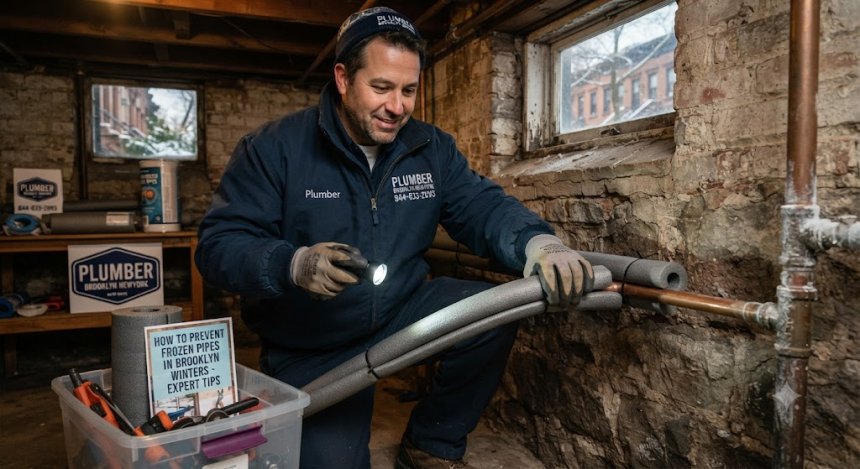
Insulate hot water supply lines to reduce thermal shock and mineral precipitation.
-
Schedule an annual comprehensive plumbing inspection to catch corrosion before it causes property damage.
When Should You Call an Emergency Plumber?
While discolored water is often a maintenance issue, certain scenarios require immediate professional intervention:
-
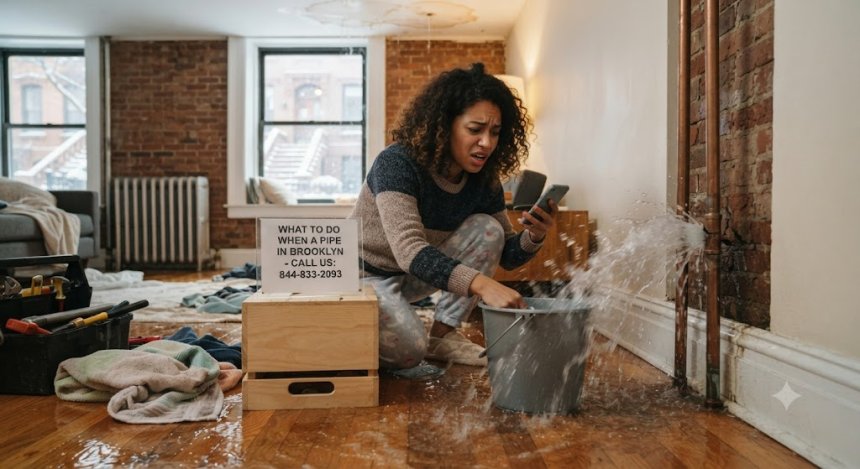
Sudden Gushing Rust Water: Water turns dark brown and sprays uncontrollably from a ruptured pipe or fitting.
-
Complete Loss of Water Pressure Alongside Discoloration: Indicates a major supply line collapse or main break.
-
Water Heater Tank Rupture: The tank is leaking heavily, spilling rusty water across utility floors.
-
Foul Odors Accompanied by Discoloration: If your water smells like sewage or sulfur alongside discoloration, biological contamination or cross-connection may be present.