Troubleshooting Low Water Pressure in Brooklyn Brownstone Apartments
Learn why water pressure drops in historic Brooklyn brownstones and multi-family buildings, common causes, and when to call a professional plumber.
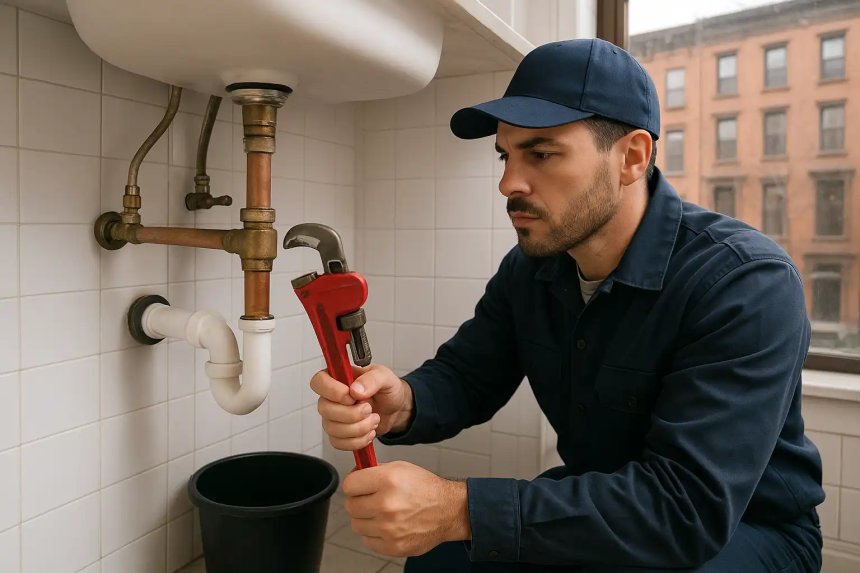
Dealing With Low Water Pressure in Brooklyn Properties
Stepping into the shower only to find a weak trickle is a frustrating experience, especially after a long day navigating the city. In a borough as architecturally diverse as Brooklyn, low water pressure is a common service call we receive from homeowners and property managers alike. From historic brownstones in Park Slope and Brooklyn Heights to multi-family walk-ups in Bushwick and Bedford-Stuyvesant, older plumbing systems often struggle to maintain consistent water flow.
Understanding why water pressure drops can help you determine whether it is a simple fix you can address or a sign of a deeper plumbing issue requiring professional assistance. Here is a practical look at what causes low water pressure in Brooklyn buildings and how to approach troubleshooting.
Common Causes of Low Water Pressure
Water pressure issues rarely happen without a reason. Depending on the age of your building and the condition of your plumbing, the culprit usually falls into one of a few categories:
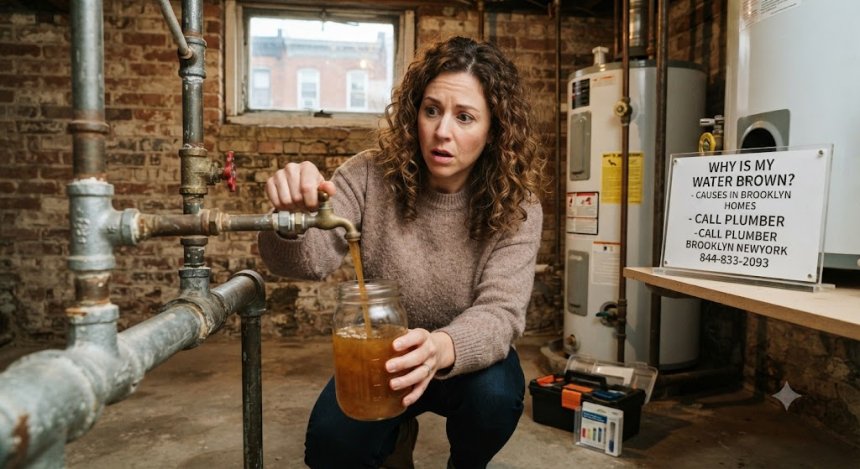
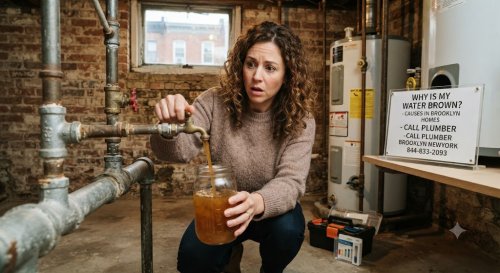
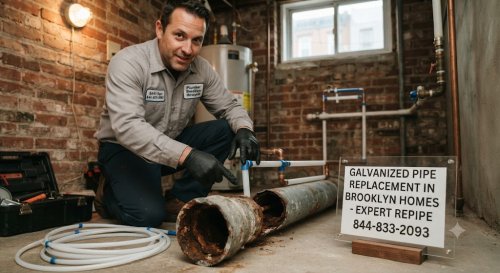
- Mineral Buildup and Pipe Corrosion: Many older homes in Brooklyn still feature galvanized steel pipes. Over decades, mineral deposits and internal rust narrow the interior diameter of the pipes, severely restricting water flow.
- Clogged Aerators: Hard water minerals can accumulate on sink faucet aerators and showerheads, blocking the final exit point for the water.
- Partially Closed Valves: The main shut-off valve or the water meter valve may not be fully open, restricting the volume of water entering the property.
- Pressure Reducing Valve (PRV) Failure: If your building has a PRV to control incoming city pressure and it fails, it can restrict pressure downstream.
- Municipal Supply Fluctuations: Sometimes, heavy local demand or repairs on municipal water mains by the city can cause temporary pressure drops in the neighborhood.
How to Troubleshoot Water Pressure Step-by-Step
Before calling an emergency plumber or scheduling a comprehensive plumbing inspection, you can perform a few basic checks to isolate the problem:
- Determine if it is localized: Check multiple fixtures throughout the building. If only one bathroom sink has low pressure while the kitchen sink is fine, the issue is likely a localized clog in the aerator or supply line.
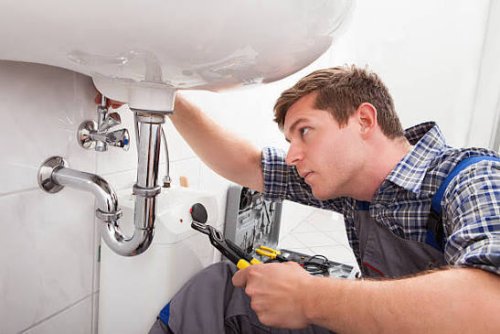
- Inspect faucet aerators: Unscrew the tip of the affected faucet. Clean out any trapped sediment or mineral flakes, rinse it thoroughly, and screw it back on.
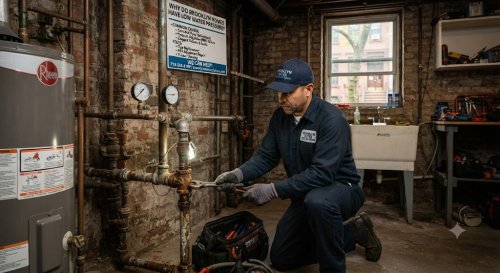
- Check the main shut-off valve: Locate your main water shut-off valve (usually found in the basement, utility room, or near the water meter) and ensure it is turned completely counterclockwise to the fully open position.
- Ask your neighbors: If you live in a multi-family building or a connected row house in Crown Heights or Clinton Hill, check with neighbors to see if they are experiencing similar pressure drops. If the entire building or block is affected, the issue may stem from the municipal supply.
When to Call a Professional Plumber
If cleaning aerators and checking accessible valves does not resolve the issue, the problem likely lies within hidden piping, aging infrastructure, or pressure-regulating equipment. A licensed Brooklyn plumber can perform a pressure test using a gauge attached to an outdoor spigot or laundry sink to measure exact PSI levels.
If your property relies on aging galvanized pipes that suffer from severe internal corrosion or narrowing, targeted pipe repair or repiping may be necessary to restore adequate flow. Additionally, if a pressure reducing valve needs adjustment or replacement, professional tools and expertise are required to prevent damage to your internal plumbing fixtures from excessive pressure.
Preventative Maintenance for Brooklyn Plumbing Systems
Preventing sudden drops in water pressure often comes down to routine plumbing maintenance. Scheduling periodic inspections allows a professional to catch corrosion, failing valves, and mineral blockages before they lead to complete water flow failure. For older Brooklyn properties, planning for gradual updates to modern copper or PEX supply lines can vastly improve daily water delivery and protect your property from unexpected leaks.
Frequently Asked Questions
Why is the water pressure low only on the top floor of my Brooklyn brownstone?
Gravity and distance naturally reduce water pressure as water travels upward. In taller brownstones or multi-story buildings, upper floors often require optimal municipal supply pressure or booster pumps to maintain strong flow. If upper-floor pressure drops suddenly, it may indicate a partial blockage or a failing pressure regulator.
Can old galvanized pipes cause sudden pressure drops?
Yes. Over decades, galvanized steel pipes corrode from the inside out. As rust flakes break loose, they can travel through the system and become trapped at elbows, valves, or faucet aerators, causing a sudden or progressive loss of water pressure.
How do I know if the low pressure is a city problem or my home's problem?
If you check with neighbors on your block and they have normal water pressure, the issue is isolated to your property's plumbing, pressure regulator, or main valve. If the entire neighborhood experiences low pressure, it is typically related to municipal work or main supply adjustments.