Cast Iron Pipe Problems in Brooklyn: Warning Signs
Are your old cast iron pipes failing? Learn the warning signs, causes, costs, and repair options for historic Brooklyn homes before disaster strikes.

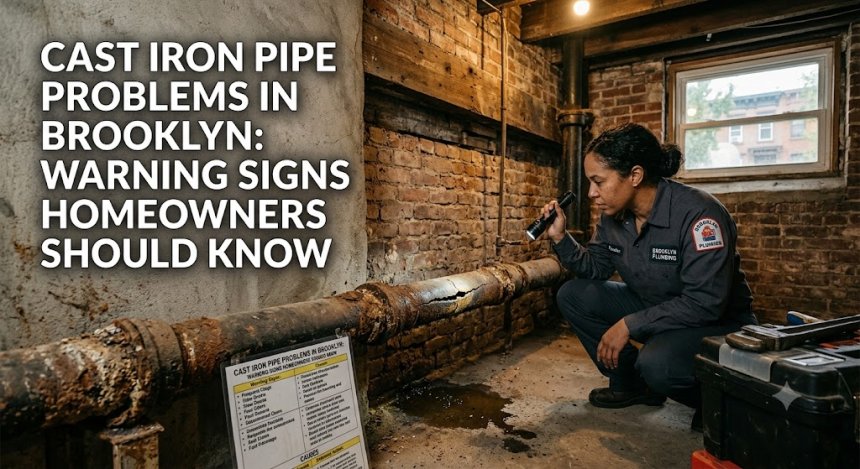
Cast Iron Pipe Problems in Brooklyn: Warning Signs Homeowners Should Know
If you own a classic brownstone in Park Slope, a pre-war multi-family home in Brooklyn Heights, or a vintage property in Crown Heights, your home likely relies on cast iron plumbing. Installed heavily from the late 1800s through the mid-1970s, cast iron was once the gold standard for drain, waste, and vent lines due to its immense strength and sound-dampening qualities.
However, cast iron pipes have a lifespan of roughly 50 to 75 years. Across Brooklyn, thousands of these original drain lines have surpassed their intended life expectancy. Because these pipes sit hidden behind thick plaster walls, under hardwood floors, or buried beneath basement concrete slabs, cast iron pipe problems often go unnoticed until a catastrophic failure causes sewage backups, structural water damage, or mold growth.
Understanding how cast iron degrades over time, recognizing early red flags, and knowing your repair options will help you protect your property investment and avoid emergency plumbing disasters.
+-----------------------------------------------------------------------+
|                    CAST IRON PIPE DEGRADATION PROCESS                  |
+-----------------------------------------------------------------------+
|                                                                       |
|   New/Intact Pipe         Internal Scaling         Bottom Channel     |
|   (Smooth Wall)         (Tuberculation/Rust)       Erosion/Collapse   |
|  +-----------------+    +-----------------+        +-----------------+|
|  |                 |    |  ^^^^^^^^^^^^^  |        |                 ||
|  |  Smooth Flow    | -> |  Rough Surface  |  --->  |  Worn Flat Base ||
|  |                 |    |  Catches Waste  |        |  (Leaks under)  ||
|  +-----------------+    +-----------------+        +-----------------+|
|                                                                       |
+-----------------------------------------------------------------------+
What Are Cast Iron Pipe Problems?
Cast iron pipe problems refer to the chemical and physical degradation of iron waste pipes due to decades of exposure to water, oxygen, household chemicals, and soil moisture.
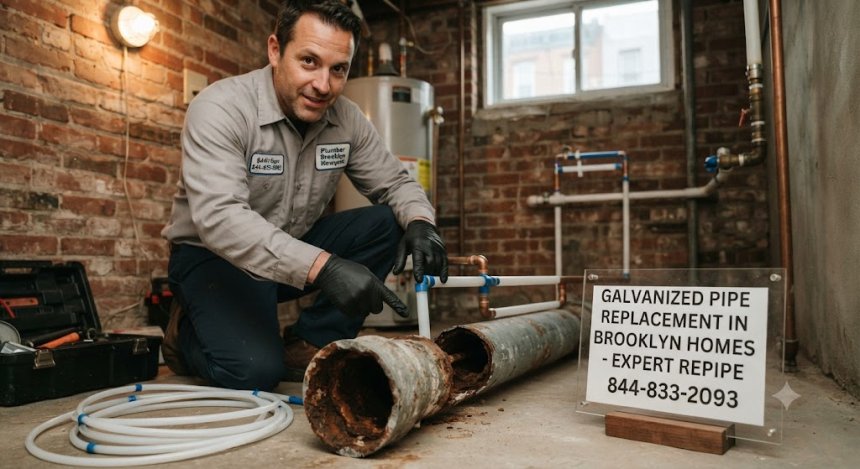
Unlike modern PVC or ABS plastic pipes that remain smooth indefinitely, cast iron reacts with oxygen and water to form iron oxide (rust). As rust expands inside the pipe—a process known as tuberculation—it creates a jagged, rough interior surface. Over time, this buildup snags toilet paper, hair, and grease, steadily narrowing the pipe's internal diameter until waste can no longer pass through cleanly.
Common Situations in Brooklyn Properties
-
The Channel Invert Erosion: Sewage constantly flowing along the bottom flat surface (the invert) of a horizontal basement pipe slowly erodes the iron until the bottom of the pipe wears away completely.
-
Vertical Stack Flaking: The vertical waste stack running through brownstone floor levels develops rust flakes that fall down and lodge at the bottom elbow bend.
-
Sub-Slab Leaking: Cracks develop along horizontal underground pipes buried beneath the basement slab, saturating the dirt under the foundation.
Why Does This Plumbing Problem Happen?
Cast iron is extraordinarily durable against external crushing, but it is highly vulnerable to internal and chemical erosion over long periods.
+-----------------------------------------------------------------------+
|                   PRIMARY CAUSES OF CAST IRON FAILURE                  |
+-----------------------------------------------------------------------+
|  [ Sewer Gas Oxidation ] ---> Hydrogen sulfide eats upper pipe walls  |
|  [ Water Erosion ] ---------> Constant flow wears out bottom channel  |
|  [ Chemical Reaction ] -----> Harsh drain cleaners accelerate rust    |
|  [ Tree Root Invasion ] ----> Roots enter weak hubs & lead-poured joints|
|  [ Ground Movement ] -------> Settling foundations snap brittle iron  |
+-----------------------------------------------------------------------+
1. Age and Normal Life Expectancy
The vast majority of Brooklyn cast iron systems are well over 60 years old. Cast iron simply was not designed to last a century or more without structural degradation.
2. Hydrogen Sulfide Sewer Gas Exposure
Waste decaying inside drain lines releases hydrogen sulfide gas. As this gas rises to the top interior of horizontal pipes, it reacts with moisture to form weak sulfuric acid, which eats away at the top inside arch of the pipe (a condition called channeling).
3. Harsh Household Chemical Use
Decades of pouring chemical drain openers, bleach, and acidic cleaning agents down sinks eat through internal protective oxide layers, speeding up iron corrosion.
4. Tree Root Intrusion in Pipe Joints
Older cast iron pipes were joined using bell-and-spigot ends sealed with oakum rope and molten lead. As this packing material shrinks or decomposes over time, tree roots from street trees enter the joint, pushing the pipe sections apart and causing structural leaks.
5. Ground Settling and Structural Shifts
Brooklyn’s sandy soil, nearby subway vibrations, and building foundation settling place physical stress on rigid, brittle cast iron, leading to long longitudinal fractures.
Signs You Should Never Ignore
Early detection of failing cast iron saves thousands in water restoration costs. Keep an eye out for these critical warning signs:
-
Recurring Main Line Clogs: If snaking your sewer line clears a backup for only a few weeks before it clogs again, the cable is likely punching a temporary hole through thick rust scale rather than clearing a simple obstruction.
-
Sewer Gas Odors (Rotten Egg Smell): Smelling sewer gas in your basement or near lower fixtures indicates cracks or holes in vertical vent stacks or horizontal drain pipes.
-
Slow Draining Across Multiple Floors: When top-floor tubs, middle-floor sinks, and basement drains all drain sluggishly at the same time, the main cast iron stack is severely restricted by scale.
-
Water Stains on Ceilings and Walls: Damp spots or peeling paint on lower-floor ceilings often signal a leaking vertical cast iron waste line running inside the wall cavity.
-
Pest and Sewer Fly Infestations: Drain flies and rodents can enter living spaces through cracks or missing bottom sections in buried cast iron lines.
-
Indentations or Soggy Soil in Yards: A cracked underground pipe leaking water into the surrounding soil washes away earth, creating localized sinkholes or unusually lush green patches of grass.
-
Unusual Gurgling Sounds: Bubbling noises from toilets or sinks when other fixtures drain indicate air trapped behind scale buildup inside the stack.
Common Plumbing Problems Related to This Issue
Failing cast iron pipes frequently trigger secondary plumbing issues throughout your home:
-
Sub-Slab Water Damage: Leaks under basement floors soften soil, risking slab cracking, basement settlement, and damp concrete.
-
Fixture Backups: Wastewater from upper units backing up into lower-level tubs and floor drains.
-
Persistent Drain Fly Breeding: Moist organic sludge trapped inside rough pipe walls creates the perfect environment for drain fly larvae.
-
Structural Plaster Damage: Leaking interior vertical waste stacks rot wooden wall framing and ruin historic plaster work in brownstones.
Step-by-Step Professional Repair Process
Handling aged cast iron requires a systematic diagnostic approach to ensure long-term stability:
+-----------------------------------------------------------------------+
|                    PROFESSIONAL REPAIR & LINING PROCESS                |
+-----------------------------------------------------------------------+
|                                                                       |
|  [Step 1] Full Video Camera Inspection & Mapping                       |
|     |                                                                 |
|     v                                                                 |
|  [Step 2] Mechanical Descaling or Hydro Jetting                        |
|     |                                                                 |
|     v                                                                 |
|  [Step 3] Post-Cleaning Camera Re-Evaluation                           |
|     |                                                                 |
|     v                                                                 |
|  [Step 4] Repair Choice: CIPP Trenchless Lining vs. Replacement       |
|     |                                                                 |
|     v                                                                 |
|  [Step 5] Final Pressure Testing & Flow Verification                   |
|                                                                       |
+-----------------------------------------------------------------------+
Step 1: Camera Inspection and Pipe Locating
A technician inserts a high-definition sewer camera with an inline radio transmitter into the cleanout. This identifies structural cracks, channeling, missing bottoms, or heavy scaling and pinpointing its exact depth and location.
Step 2: Mechanical Descaling or Hydro Jetting
If the pipe structure is solid but choked with rust, specialized chain-knocker tools or high-pressure hydro jetters scour the internal iron walls clean, restoring the original internal pipe diameter.
Step 3: Determining the Restoration Method
Depending on pipe structural integrity, the plumber presents options:
-
Trenchless Cured-In-Place Pipe (CIPP) Lining: An epoxy-saturated felt tube is pulled into the cleaned cast iron pipe, inflated, and cured in place, creating a smooth "pipe-within-a-pipe" that lasts 50+ years without destroying walls or digging up floors.
-
Physical Excavation and Replacement: If the iron has completely collapsed or lost its structural bottom, the damaged section is cut out and replaced with modern Schedule 40 PVC using heavy-duty rubber transition couplings (Fernco adapters).
Step 4: Testing and System Verification
The plumbing line is flush-tested and checked with a camera to ensure leak-free connections and smooth waste flow.
Can You Fix It Yourself?
Cast iron plumbing repairs are not suitable for DIY projects.
Safe DIY Steps You Can Take
-
Perform visual checks around basement exposed pipes for visible rust flakes, moisture beads, or white mineral corrosion.
-
Avoid pouring commercial chemical drain openers down sinks; use mechanical hand snakes or plunger cups for minor local drain clogs instead.
Why Professional Plumbing Service Is Essential
-
Extreme Weight: Cast iron pipe is exceptionally heavy. A single 10-foot section of 4-inch cast iron weighs around 130 pounds. If overhead stacks are cut improperly without specialized riser clamps, the upper sections can collapse down through floors, causing severe injury and massive structural damage.
-
Specialized Cutting Tools Needed: Cutting cast iron requires snap cutters or reciprocating saws with specialized diamond blades. Using incorrect tools shatters old brittle iron further up the wall cavity.
-
Code Compliance: NYC building codes require specific pipe materials, pitch angles, and transition fittings when connecting legacy cast iron to modern PVC lines.
Tools Professionals Use
Modern plumbers rely on specialized diagnostic and repair technology to handle cast iron safely:
| Tool | Primary Purpose | Key Benefit |
| HD Sewer Push-Cameras | Internal pipe video inspection | Pinpoints scale buildup, cracks, and missing pipe bottoms |
| Micro-Descaling Chain Knockers | Rotating chains that scrape interior scale | Restores original internal diameter without cracking iron |
| High-Pressure Hydro Jetters | Water pressure streams up to 4,000 PSI | Scours away grease, rust, and sludge buildup |
| Soil Pipe Snap Cutters | Specialized chain cutters for cast iron | Cuts heavy iron cleanly without producing heat or sparks |
| CIPP Inversion Drums | Installs epoxy trenchless pipe liners | Repairs buried line without digging up basement slabs |
How Long Does the Repair Usually Take?
The required labor time varies depending on pipe accessibility and repair methodology:
-
Camera Inspection & Descaling: 2 to 4 hours.
-
Trenchless CIPP Pipe Lining: 1 day (curing takes 3–6 hours).
-
Interior Stack Replacement (Vertical Wall Removal): 2 to 4 days (includes wall access and plumbing replacement).
-
Under-Slab Excavation and Replacement: 3 to 5 days (involves jackhammering concrete, soil removal, pipe installation, and concrete repouring).
Cost Factors
Plumbing repair costs vary depending on the severity of the problem, accessibility, materials required, emergency service, property type, and local labor rates. Key factors affecting your overall investment include:
+-----------------------------------------------------------------------+
|                          PRIMARY COST DRIVERS                         |
+-----------------------------------------------------------------------+
|  [ Inspection & Diagnostics ] -> Video camera locate fee              |
|  [ Pipe Location ] ------------> Exposed basement pipe vs. Buried slab|
|  [ Repair Method ] -----------> Descaling vs. Lining vs. Full Excavation|
|  [ Structural Restoration ] ---> Patching historic plaster or concrete |
|  [ NYC Permits ] -------------> Required for street or main line work |
+-----------------------------------------------------------------------+
-
Pipe Accessibility: Replacing an exposed cast iron pipe hanging from an unfinished basement ceiling costs far less than replacing an underground line buried beneath a finished concrete floor.
-
Repair Technique: Non-invasive trenchless CIPP lining avoids expensive floor destruction and restoration costs, often reducing total project expense compared to deep excavation.
-
Linear Footage and Pipe Size: Longer runs of main 4-inch or 6-inch waste lines require more materials, labor, and curing time than short branch lines.
-
Finish Restoration: Restoring historic plaster, hardwood floors, or custom tilework after cutting into walls adds to overall restoration budgets.
Hidden Truths Homeowners Should Know
Understanding these industry facts helps property owners make smart decisions:
-
Snaking Is Only a Short-Term Fix for Scaled Pipes: A standard drain auger simply pokes a thin hole through soft debris inside a scaled pipe; it does not remove internal rust scale.
-
Chemical Cleaners Accelerate Cast Iron Failure: Chemical openers generate heat and acid inside the pipe, speeding up bottom channel erosion.
-
Partial Replacements Can Create Weak Links: Replacing only a short section of pipe often leaves aged, brittle iron directly adjacent to new PVC, shifting future leaks further down the line.
-
Home Insurance May Exclude Wear-and-Tear: Most insurance policies cover sudden water damage from a burst pipe, but exclude gradual corrosion or long-term neglect of old cast iron lines.
-
Damp Basements Are Often Hidden Plumbing Leaks: Persistent dampness or high humidity in Brooklyn basements is frequently caused by pinhole leaks in buried cast iron lines under the concrete slab.
15 Common Mistakes Homeowners Make
-
Pouring chemical drain cleaners into slow-draining cast iron pipes.
-
Assuming recurring clogs are caused by simple toilet paper build-up rather than pipe scale.
-
Hiring an inexperienced handyman to cut overhead cast iron stacks without proper structural supports.
-
Ignoring faint rotten-egg sewer gas smells in the basement or utility closet.
-
Delaying a camera inspection until total sewer backup floods the basement.
-
Flushing flushable wipes, paper towels, or feminine products into rough, scaled cast iron lines.
-
Planting trees or heavy shrubs directly over underground cast iron sewer laterals.
-
Ignoring small water stains on ceilings located directly below bathroom waste stacks.
-
Attempting to seal leaking cast iron cracks externally with epoxy putty or tape as a permanent fix.
-
Replacing cast iron with improper transition couplings that create offset interior lips, causing future clogs.
-
Over-tightening cleanout plugs on fragile, old cast iron fittings, causing them to crack.
-
Skipping annual camera inspections on historic or pre-war properties.
-
Failing to verify if a plumbing contractor carries proper license and liability insurance for heavy structural work.
-
Assuming a clear visual exterior on a pipe means the interior walls are healthy.
-
Waiting until an emergency backup strikes during holiday weekends to address known slow drains.
Preventive Maintenance Tips
Extend the operational life of your home's waste lines with these practical maintenance routines:
+-----------------------------------------------------------------------+
|                    SEASONAL CAST IRON CARE CHECKLIST                  |
+-----------------------------------------------------------------------+
|                                                                       |
|   SPRING                   SUMMER                 AUTUMN / WINTER     |
|  +--------------------+   +-------------------+  +------------------+ |
|  | Inspect basement   |   | Schedule camera   |  | Flush main lines | |
|  | stacks for rust    |   | check for root    |  | with warm water  | |
|  | flakes or leaks    |   | intrusion         |  | and organic cleaner|
|  +--------------------+   +-------------------+  +------------------+ |
|                                                                       |
+-----------------------------------------------------------------------+
-
Schedule a Video Camera Inspection Every 2 Years: Catch scale buildup, cracking, or joint separation before total pipe failure occurs.
-
Use Strainers in All Tubs and Sinks: Keep hair, food scraps, and debris out of rough cast iron lines.
-
Never Pour FOG (Fats, Oils, Grease) Down Drains: Grease sticks easily to rough iron walls, accelerating severe blockages.
-
Flush Drains with Hot Water Regularly: Run hot water down main waste lines weekly to help move settled debris along horizontal pipe runs.
-
Apply Enzyme-Based Bio-Cleaners Monthly: Use natural enzyme cleaners to break down organic buildup without harming metal walls.
-
Inspect Exposed Pipes Seasonally: Check hanging basement pipes for signs of rust flaking, moisture beads, or white powder buildup along seams.
-
Address Slow Drains Immediately: Treat a sluggish fixture as an early warning sign rather than waiting for a complete blockage.
When Should You Call an Emergency Plumber?
Contact a licensed plumbing professional right away if you notice any of these urgent issues:
-
Active Raw Sewage Backups: Wastewater backing up into lower-floor tubs, showers, or basement floor drains.
-
Visible Crack or Collapse in Main Stack: A sudden crack releasing wastewater inside walls or open basement spaces.
-
Strong, Persistent Sewer Gas Odors: Gas smells spreading into living spaces pose health hazards and indicate open pipe ruptures.
-
Unexplained Water Flooding Under Basement Slabs: Water seeping up through concrete basement floor cracks.
People Also Ask
How long do cast iron pipes last in Brooklyn homes?
Most residential cast iron pipes last between 50 and 75 years depending on water chemistry, chemical drain cleaner usage, and soil conditions.
Can you reline cast iron pipes instead of replacing them?
Yes. If the pipe is structurally intact without complete collapse, trenchless Cured-In-Place Pipe (CIPP) lining restores the line internally without destroying walls or digging up floors.
How do I know if my cast iron pipe is failing under concrete?
Signs of sub-slab failure include recurring main line clogs, sewer gas smells in the basement, damp concrete floor patches, or localized floor cracking.
Voice Search Questions
-
How do I know if my cast iron sewer pipe is bad?
-
Can old cast iron pipes be repaired without breaking concrete?
-
Why does my brownstone basement smell like sewer gas?
-
How much does it cost to replace a cast iron waste stack in Brooklyn?