10 Signs You Need an Emergency Plumber in Brooklyn NY
Discover the top signs you need an emergency plumber in Brooklyn, NY. Learn when plumbing issues require immediate professional help to prevent costly damage.
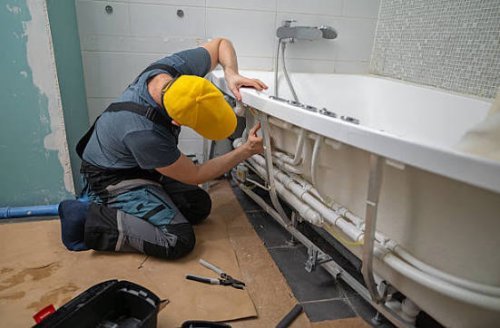
Knowing When a Plumbing Problem Is an Emergency
Plumbing problems can happen without warning. A small leak under the sink, a slow drain, or a dripping faucet may seem manageable at first, but some plumbing issues require immediate attention from a professional plumber.
For homeowners and businesses in Brooklyn, NY, plumbing emergencies can quickly lead to water damage, mold growth, structural problems, and expensive repairs if they are ignored. Knowing the difference between a minor plumbing inconvenience and a true emergency can help protect your property.
An emergency plumber is trained to respond quickly to urgent issues such as burst pipes, sewage backups, major leaks, and situations where your home’s water supply or safety is at risk.
Many Brooklyn homeowners search for emergency plumbing services because they need quick answers:
- Is this plumbing issue serious?
- Can I wait until tomorrow?
- What should I do before the plumber arrives?
- How much damage can happen if I delay repairs?
Understanding the warning signs can help you take action at the right time.
What Is Considered a Plumbing Emergency?
A plumbing emergency is any situation that can cause immediate property damage, health risks, or major disruption to your water system.
Common plumbing emergencies include:
- Burst water pipes
- Severe water leaks
- Sewer backups
- Overflowing toilets
- No access to running water
- Gas-related plumbing concerns
- Flooding caused by plumbing failures
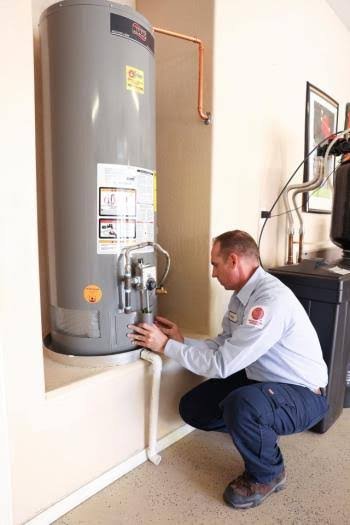
- Water heater leaks
While some plumbing issues develop slowly, emergencies usually require fast action to prevent further damage.
10 Signs You Need an Emergency Plumber in Brooklyn, NY
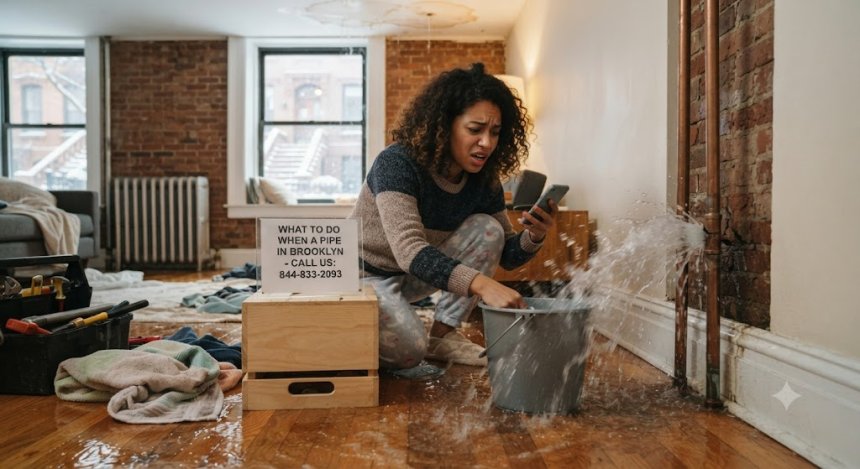
1. A Burst Pipe Is Causing Water to Flood Your Home
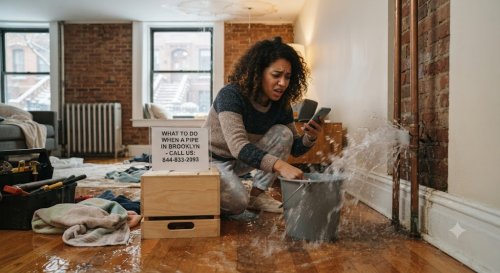
A burst pipe is one of the most serious plumbing emergencies a homeowner can experience.
When a pipe breaks, hundreds of gallons of water can enter your home quickly, damaging:
- Walls
- Floors
- Furniture
- Electrical systems
- Personal belongings
Common Causes of Burst Pipes:
- Freezing temperatures
- Old or corroded pipes
- Excessive water pressure
- Weak pipe connections
- Poor installation
Brooklyn homes, especially older properties, may have aging plumbing systems that are more vulnerable to pipe failures.
What To Do Immediately:
- Turn off the main water supply.
- Remove valuable items from the affected area.
- Contact an emergency plumber.
Quick action can significantly reduce water damage.
2. You Have a Major Water Leak
Not every leak is an emergency, but a large or uncontrollable leak requires immediate professional attention.
Warning Signs of a Serious Leak:
- Water pooling on floors
- Water dripping from ceilings
- Wet walls
- Sudden increase in water bills
- Sound of running water when fixtures are off
Hidden leaks behind walls can cause mold growth and structural damage if left untreated.
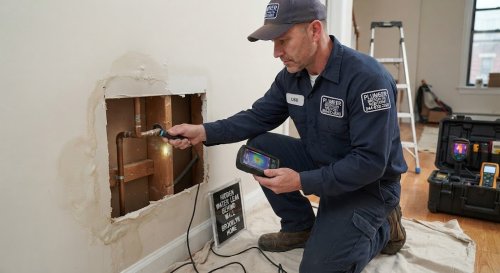
A professional plumber can use leak detection equipment to locate the source without unnecessary damage to your property.
3. Your Sewer Line Is Backing Up
A sewer backup is a serious health and sanitation concern.
Signs of Sewer Problems:
- Foul sewage odors
- Toilets backing up
- Multiple clogged drains
- Water coming up through floor drains
- Sewage appearing in sinks or tubs
Sewer water may contain harmful bacteria, making quick professional cleanup and repair important.
Possible causes include:
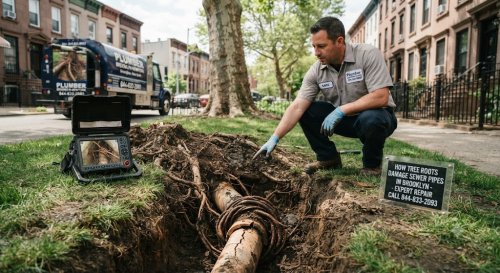
- Tree root intrusion
- Sewer pipe damage
- Heavy blockages
- Aging sewer systems
A plumber may use sewer cameras to identify the exact location of the problem.
4. Your Toilet Is Overflowing and Won’t Stop
A continuously overflowing toilet can quickly damage bathroom flooring and create unsanitary conditions.
Possible Causes:
- Severe drain blockage
- Broken toilet components
- Sewer line problems
- Faulty fill valve
Immediate Steps:
- Turn off the toilet’s water supply valve.
- Avoid flushing again.
- Call an emergency plumber if the problem continues.
A professional can determine whether the issue is limited to the toilet or connected to a larger drainage problem.
5. You Suddenly Have No Running Water
A complete loss of water supply can indicate a serious plumbing issue.
Possible causes include:
- Broken main water line
- Frozen pipes
- Major leaks
- Valve problems
- Municipal supply issues
If your neighbors have water but your home does not, the problem may be inside your plumbing system.
A plumber can inspect the system and identify the cause.
6. Your Water Heater Is Leaking or Failing
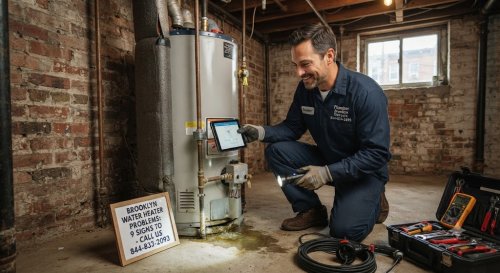
A leaking water heater can create significant water damage, especially when the tank fails.
Signs of a Water Heater Emergency:
- Water pooling around the tank
- Cracked or damaged tank
- Loud popping noises
- No hot water
- Rust-colored water
Water heater problems may involve:
- Sediment buildup
- Corrosion
- Broken components
- Tank deterioration
A professional plumber can determine whether repair or replacement is the safest option.
7. You Smell Gas Near Plumbing Equipment
Gas-related issues require immediate attention.
If you notice:
- A rotten egg smell
- Hissing sounds near gas lines
- Problems with gas appliances
Leave the area immediately and contact the appropriate emergency services and qualified professionals.
Gas-related plumbing work should only be handled by properly trained and licensed professionals.
8. Your Drains Are Backing Up Throughout the Home
One slow drain may not be an emergency, but multiple backed-up drains often indicate a bigger issue.
Warning Signs:
- Several sinks draining slowly
- Gurgling toilets
- Water backing up in showers
- Unpleasant odors
This may point to a blocked main sewer line.
Professional plumbers can use:
- Drain cameras
- Hydro jetting
- Professional drain cleaning equipment
to locate and remove serious blockages.
9. You Notice Water Damage or Mold Growth
Water damage can continue even after the visible leak stops.
Signs include:
- Dark spots on walls
- Peeling paint
- Musty odors
- Soft drywall
- Mold growth
Mold can develop quickly in damp conditions.
A plumber can repair the source of the moisture, helping prevent continued damage.
10. You Hear Strange Plumbing Noises
Unusual sounds may indicate a developing plumbing issue.
Common sounds include:
- Banging pipes
- Whistling faucets
- Gurgling drains
- Constant running water
Possible causes include:
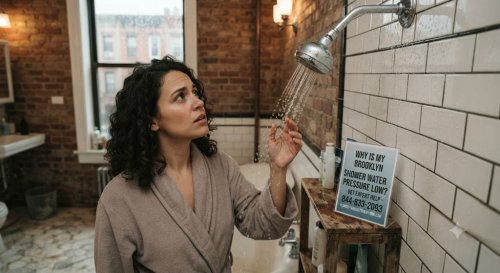
- High water pressure
- Loose pipe connections
- Air trapped in pipes
- Hidden leaks
Ignoring unusual noises may allow a small issue to become a larger repair.
What Should You Do During a Plumbing Emergency?
Before an emergency plumber arrives:
Shut Off the Water Supply
Locate your main shut-off valve and turn it off if possible.
Protect Your Belongings
Move furniture, electronics, and valuables away from water.
Avoid Using Fixtures
Do not flush toilets or run water if there is a suspected sewer or pipe problem.
Document Damage
Take photos for insurance purposes if necessary.
How Does an Emergency Plumber Handle the Problem?
A professional emergency plumbing process usually includes:
Step 1: Emergency Inspection
The plumber evaluates the situation and identifies immediate risks.
Step 2: Finding the Cause
Tools such as leak detectors and inspection cameras may be used.
Step 3: Stopping Further Damage
The plumber may shut off water, repair leaks, or stabilize damaged systems.
Step 4: Completing Repairs
Depending on the issue, repairs may include pipe replacement, drain cleaning, fixture repair, or water heater service.
Step 5: Testing the System
The plumbing system is checked to confirm proper operation.
Can You Fix a Plumbing Emergency Yourself?
Some temporary actions are safe:
- Turning off the water supply
- Clearing minor standing water
- Tightening a loose faucet connection
However, avoid attempting major repairs involving:
- Main water lines
- Sewer systems
- Gas lines
- Hidden leaks
- Burst pipes
Incorrect repairs can increase damage and repair costs.
How Much Does an Emergency Plumber Cost?
Emergency plumbing costs vary depending on:
- Type of problem
- Time of service
- Required parts
- Labor involved
- Accessibility of plumbing components
- Equipment needed
A professional plumber should provide an explanation of the repair options and expected costs before completing major work.
How Long Does Emergency Plumbing Repair Take?
Repair time depends on the severity of the issue.
- Minor emergency repairs may take a few hours.
- Major pipe or sewer repairs may require more time.
- Extensive water damage repairs may involve multiple services.
Early professional assistance often reduces repair complexity.
Preventing Plumbing Emergencies in Brooklyn Homes
Homeowners can reduce emergency risks by:
- Checking pipes regularly
- Fixing small leaks quickly
- Avoiding grease disposal through drains
- Scheduling plumbing inspections
- Maintaining water heaters
- Protecting pipes during winter
- Knowing the location of shut-off valves
- Monitoring unusual water bills
- Avoiding flushing inappropriate items