Why Do I Smell Sewer Gas in My Brooklyn Home? Common Causes & Fixes
Discover why sewer odors occur in Brooklyn homes and apartments. Learn common causes like dry P-traps, blocked vent pipes, and damaged seals from an experienced plumber.
Dealing with an unexpected odor in your home is frustrating, but when that smell resembles raw sewage or sulfur, it quickly becomes an urgent concern. Property owners across Brooklyn, from historic brownstones in Park Slope to modern apartments in Downtown Brooklyn, occasionally encounter these unpleasant smells. Beyond being deeply unpleasant, sewer gas contains compounds that can cause headaches or nausea if allowed to linger in enclosed spaces. As a plumber with two decades of hands-on experience, I have tracked down the source of countless sewer odors in New York buildings. Understanding what causes these smells helps you address them safely and effectively.
How Plumbing Systems Keep Odors Out
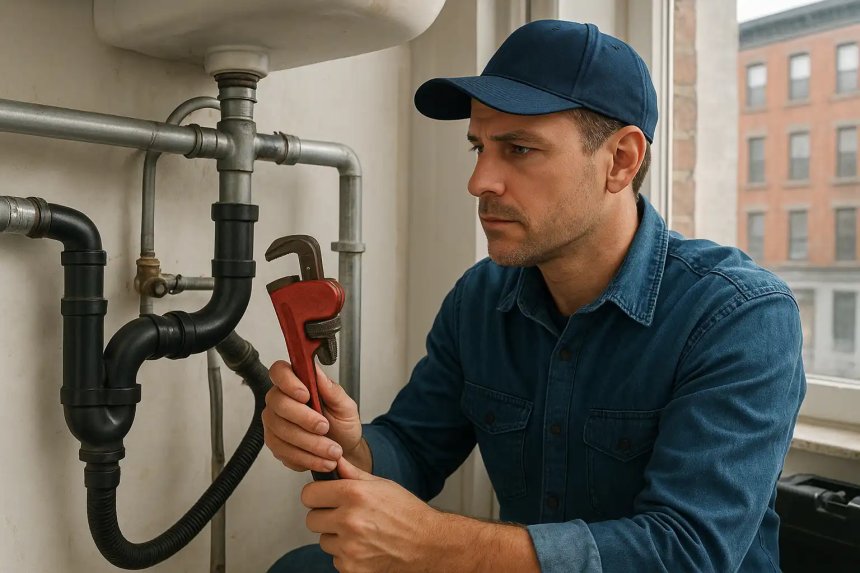
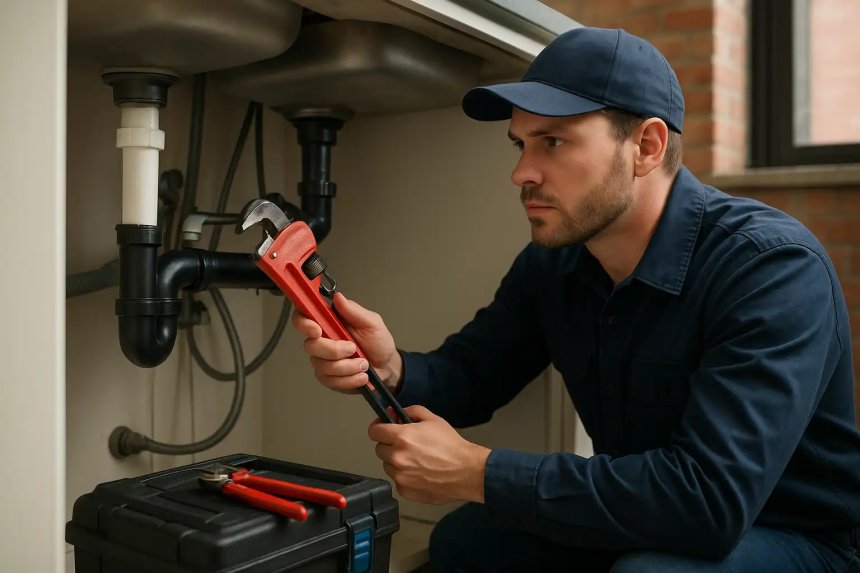
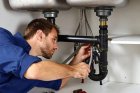
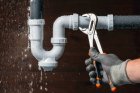
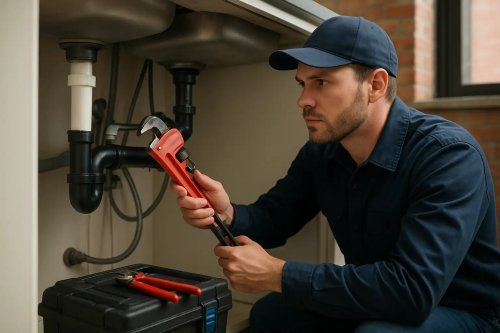
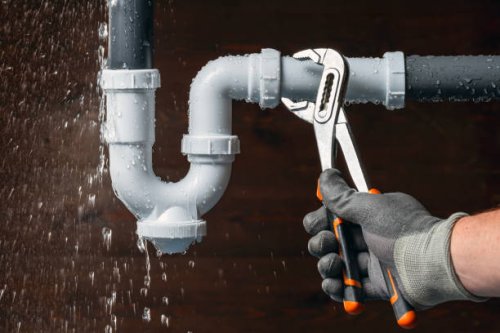
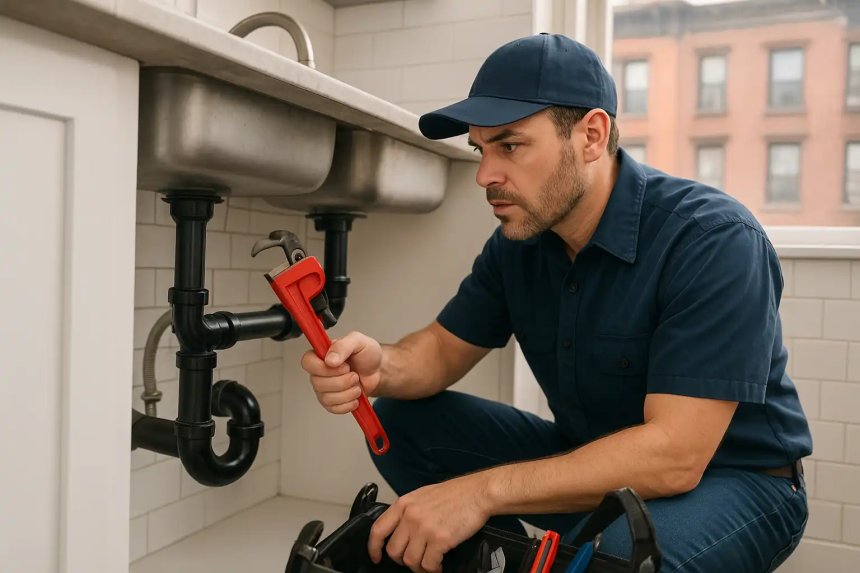
Your home plumbing system is ingeniously designed to let wastewater and waste exit quickly while keeping sewer gases safely trapped in the municipal main lines. The primary defense against sewer odors is the P-trap. This curved section of pipe located directly beneath every sink, tub, shower, and floor drain holds a small amount of standing water. This water barrier blocks sewer gas from rising up through your drain fixtures and entering your living space.
Additionally, your entire building relies on a plumbing vent stack—a vertical pipe that extends through the roof. This vent allows sewer gases to safely escape above the roofline while equalizing air pressure in the pipes so water isn't siphoned out of your traps when someone flushes a toilet or drains a tub.
Most Common Causes of Sewer Odors
When you notice a sulfur or sewage smell indoors, it usually means something has compromised your plumbing traps or venting system. Here are the most frequent culprits found in residential and commercial properties:
1. Dried-Out P-Traps
This is by far the most common cause of sewer odors in rooms that are rarely used, such as a guest bathroom, a basement utility drain, or a floor drain in a laundry room. If a fixture isn't used for a few weeks, the standing water in the P-trap evaporates. Once that water barrier disappears, sewer gas flows freely into the room. Fortunately, this is usually an easy fix.
2. Clogged or Damaged Vent Stacks
In densely built neighborhoods throughout Brooklyn, rooftop vent pipes can sometimes become blocked by leaves, debris, bird nests, or even ice buildup during freezing winter weather. When a vent stack is blocked, air cannot escape properly, and the pressure can force water out of your P-traps every time a major fixture is used. If you notice gurgling sounds when your sinks drain or toilets flush, a blocked vent might be the underlying issue.
3. Wax Ring Failures Under Toilets
Beneath every toilet sits a wax ring that creates a watertight and airtight seal between the porcelain bowl and the waste pipe in the floor. If a toilet rocks slightly or the floor settles over time, this wax seal can break down. When that happens, sewer gas leaks out around the base of the toilet whenever it is flushed. If you notice a persistent sewer smell near a bathroom base, a degraded wax ring is often to blame.
4. Cracked or Corroded Pipes
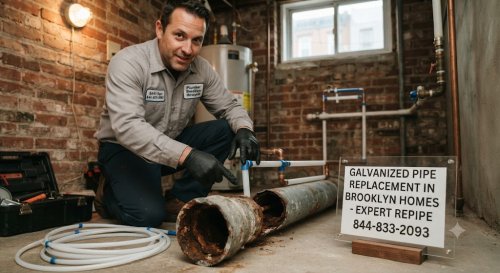
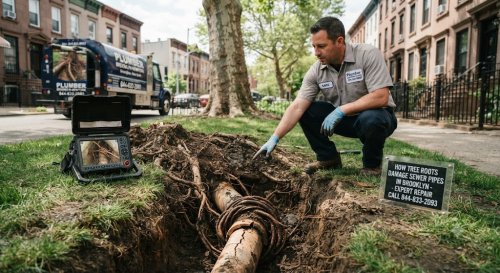
Older buildings in neighborhoods like Brooklyn Heights, Williamsburg, and Bedford-Stuyvesant often feature aging cast iron or galvanized steel drain lines. Over decades of service, these pipes can develop hairline cracks, pinhole leaks, or heavy interior corrosion. While a crack might not always cause a major water leak immediately, it can allow sewer gases to seep into wall cavities or crawl spaces.
Practical Steps to Address Sewer Odors
When you first notice a sewer smell in your property, a few simple troubleshooting steps can help pinpoint the source before you call for professional plumbing services:
- Run Water in Unused Drains: Pour a quart of water down every sink, shower, and floor drain in the house, especially in basements or guest rooms, to refill dry P-traps.
- Check Toilet Stability: Gently push against your toilets to see if they rock or shift. If a toilet moves, the wax ring has likely failed and needs replacement.
- Inspect Exposed Piping: Look under sinks and in accessible utility areas for signs of corrosion, dampness, or rust flakes on drain pipes.
- Observe Drainage Behavior: Notice if sinks drain sluggishly or if toilets gurgle when other fixtures are used, which points toward venting or main line restrictions.
Frequently Asked Questions About Sewer Odors
Is sewer gas dangerous?
Yes, prolonged exposure to high concentrations of sewer gas can be hazardous to your health due to gases like hydrogen sulfide and methane. If you experience a strong, persistent sulfur smell, ventilate the area immediately by opening windows and investigate the source promptly.
Why does the sewer smell get worse on rainy days?
Changes in atmospheric pressure can force sewer gases up through municipal lines and into building venting systems. Additionally, heavy rainfall can sometimes overwhelm older municipal sewer systems, pushing odors back up through neighborhood connections.
Can I fix a dry P-trap myself?
Absolutely. Running water down the drain for a minute usually restores the trap seal. If the smell persists after refilling the trap, the issue may stem from a deeper pipe leak or a damaged vent line requiring professional inspection.
How do plumbers locate hidden sewer leaks?
Experienced plumbers use specialized tools such as smoke testing, where non-toxic smoke is blown through the drainage system to reveal precisely where sewer gas is escaping from cracks or faulty connections.