How to Prepare Your Brooklyn Apartment for a Plumbing Inspection
Preparing for a Brooklyn apartment plumbing inspection? Learn what inspectors check, local NYC code compliance, preparation steps, and cost factors.
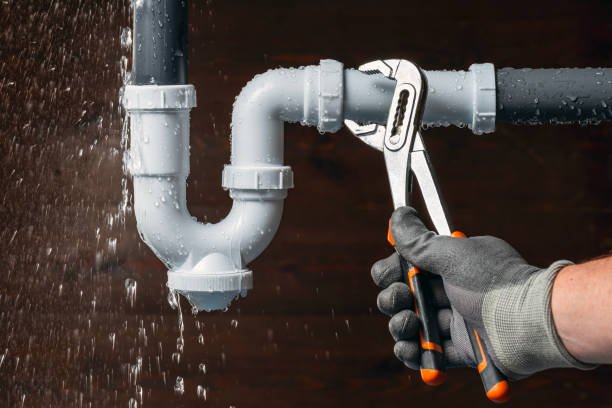
How to Prepare Your Brooklyn Apartment for a Plumbing Inspection
Living in Brooklyn comes with undeniable charm—exposed brick, historic brownstones, bustling neighborhood vibes, and unmatched architecture. However, behind those classic pre-war walls or inside sleek modern high-rises lies an intricate network of plumbing infrastructure. Whether you are a long-time homeowner, a cooperative or condominium resident preparing for an annual building check, a tenant navigating an NYC Housing Preservation and Development (HPD) visit, or a landlord maintaining property values, plumbing inspections are a fundamental part of Brooklyn real estate ownership.
Knowing How to Prepare Your Brooklyn Apartment for a Plumbing Inspection eliminates anxiety, prevents costly follow-up reinspections, helps identify hidden water leaks before they turn into full-blown structural emergencies, and keeps your property fully compliant with complex New York City plumbing codes.
What Is a Brooklyn Apartment Plumbing Inspection?
A plumbing inspection is a comprehensive physical and operational evaluation of an apartment's water supply lines, drainage systems, gas lines, fixture performance, and backflow prevention setups. Conducted by a licensed plumber or a certified local authority inspector, this process ensures that your plumbing network operates efficiently, safely, and in total accordance with NYC Department of Buildings (DOB) regulations.
                      ┌─────────────────────────────────────────┐
                      │    BROOKLYN PLUMBING INSPECTION SCOPE   │
                      └────────────────────┬────────────────────┘
                                           │
         ┌─────────────────────────────────┼─────────────────────────────────┐
         │                                 │                                 │
         ▼                                 ▼                                 ▼
┌──────────────────┐             ┌──────────────────┐             ┌──────────────────┐
│  WATER SUPPLY    │             │ DRAINS & SEWERS  │             │ FIXTURES & GAS   │
│ • Pressure check │             │ • Camera scope   │             │ • Faucets & tubs │
│ • Valve leaks    │             │ • Slow drains    │             │ • Toilet seals   │
│ • Main shutoffs  │             │ • Vent stacks    │             │ • LL152 gas checks│
└──────────────────┘             └──────────────────┘             └──────────────────┘
Common Situations Requiring an Inspection
-
Pre-Purchase or Post-Sale Due Diligence: Homebuyers in neighborhoods like Park Slope or Williamsburg want to ensure they aren't inheriting hidden pipe corrosion or unpermitted DIY renovations.
-
Co-op and Condo Board Requirements: Many Brooklyn boards require periodic or pre-renovation inspections to protect adjacent units from water damage.
-
NYC HPD or DOB Compliance: Inspections triggered by tenant complaints, routine building audits, or mandated annual compliance checks (such as Local Law 152 for gas piping).
-
Insurance Underwriting: Insurance carriers often require proof of plumbing integrity before issuing or renewing policies on multi-family dwellings.
Key Symptoms Inspectors Look For
Inspectors focus on operational integrity. They search for low water pressure, slow-draining sinks, hairline cracks in ceramic fixtures, corroded galvanized iron or lead risers, evidence of active ceiling leaks, improperly vented traps (like illegal S-traps under sinks), and unpermitted plumbing modifications.
Why Do Brooklyn Plumbing Problems Occur?
Brooklyn’s housing stock is unique, ranging from mid-19th-century brownstones to mid-century brick complexes and modern glass towers. The age, structural history, and local environment all contribute to plumbing friction.
1. Aging Infrastructure and Mixed Materials
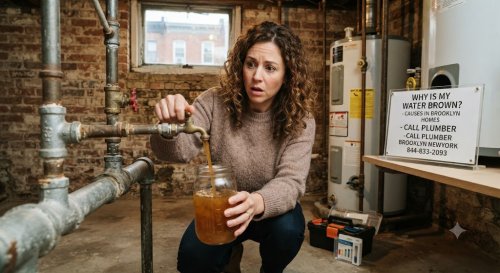
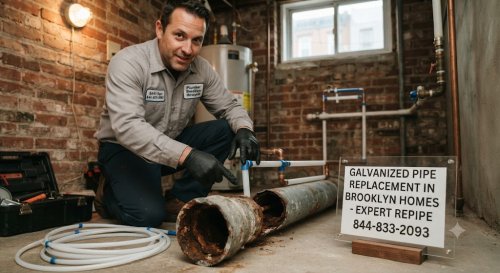
Many older Brooklyn buildings still feature original galvanized iron or lead water service lines connected to cast-iron stack pipes installed over a century ago. Over decades, galvanized pipes corrode internally, narrowing the pipe diameter and rusting from the inside out. Cast-iron waste lines suffer from tuberculation and bottom-channel rot.
2. High Water Pressure and Structural Vibrations
Water pressure supplied by NYC’s municipal system can fluctuate significantly. Excessive water pressure (above 80 PSI) stresses valves, pipe joints, and appliance supply lines, leading to sudden pinhole leaks or burst flex hoses.
3. Tree Root Intrusion and Ground Settling
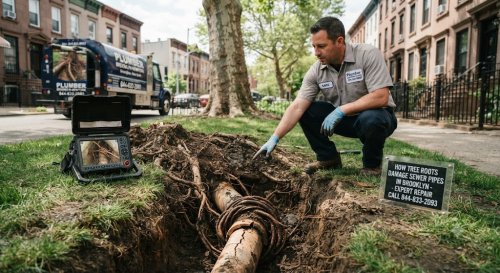
Tree-lined Brooklyn streets feature mature oak and maple trees whose root systems constantly hunt for moisture. Roots penetrate aging clay or cast-iron sewer main lines, causing recurring drain blockages and sewer backups in garden-level or basement apartments.
4. Hard Water Mineral Scaling and Chemical Corrosion
While New York City’s water supply from the Catskill/Delaware watersheds is soft to moderately hard, localized mineral deposits and the historical heavy use of aggressive chemical drain cleaners cause internal pipe wall degradation over time.
Warning Signs You Should Never Ignore
Prior to an official inspection, walk through your apartment and take inventory of potential red flags. Catching these early allows you to address minor issues on your own terms.
┌─────────────────────────────────────────────────────────────────────────────┐
│                       WARNING SIGNS CHECKLIST                               │
├──────────────────────┬──────────────────────────────────────────────────────┤
│ Visual Stains        │ Water spots on ceilings, walls, or under cabinets    │
│ Water Pressure       │ Sudden drops in shower or kitchen sink output        │
│ Drainage Speed       │ Water pooling around ankles or gargling in sinks      │
│ Unexpected Noises    │ Bangs, rattles, or whistling inside wall cavities    │
│ Environmental Cues   │ Musty odors, peeling paint, or warped flooring       │
└──────────────────────┴──────────────────────────────────────────────────────┘
1. Water Stains and Bubbling Paint
Yellowish-brown rings on your ceilings or peeling paint near baseboards indicate active or historical water migration. Inspectors will flag these immediately with moisture meters.
2. Sudden Drops in Water Pressure
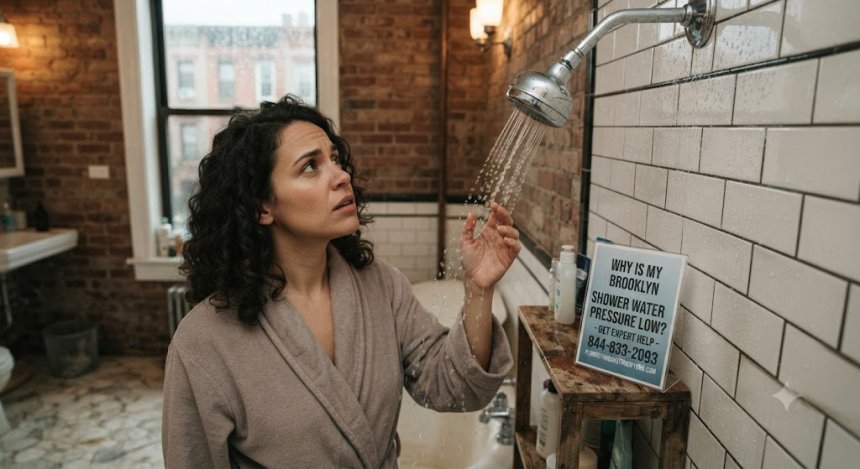
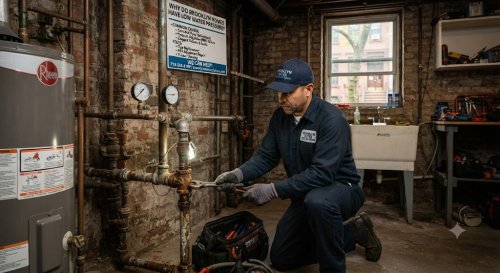
If turning on the kitchen sink reduces your bathroom shower to a trickle, you may have clogged galvanized risers, closed shutoff valves, or a faulty pressure-reducing valve (PRV).
3. Persistent Bad Smells and Sewer Odors
A rotten egg or sewage smell coming from a drain often indicates a dried-out P-trap, a cracked drain vent stack hidden inside the wall, or a compromised wax ring seal beneath the toilet.
4. Strange Noises in the Walls
Knocking or rattling sounds (water hammer) occur when pipes are unsecured inside wall framing or when pressure surges through the lines. Whistling noises usually point to failing valve washers.
5. Unexplained High Utility Bills
If your water usage charges jump unexpectedly, you likely have a running toilet, a leaking flush valve, or an undetected pinhole leak in a supply line beneath your flooring.
Common Plumbing Problems Found During Inspections
-
Unpermitted Plumbing Work: Previous owners or unlicensed handymen installing non-compliant fixtures or removing vent lines without NYC DOB permits.
-
Corroded Trap Arms and P-Traps: Thin brass or plastic drainage traps beneath sinks that have worn down to paper-thin consistency.
-
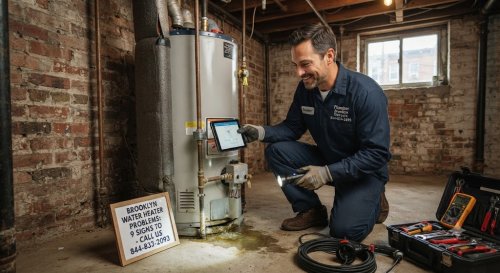
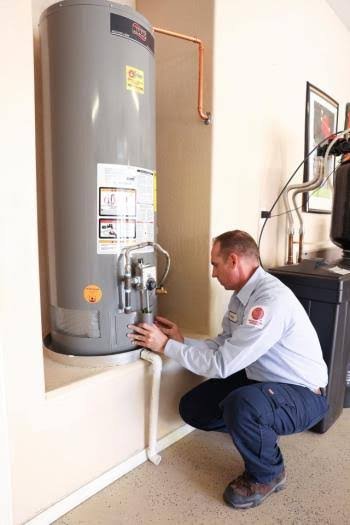
Failing Water Heater Assemblies: In apartments with localized water heaters, rusted expansion tanks, missing T&P (Temperature and Pressure) discharge pipes, or leaking drain valves.
-
Improperly Sealed Toilets: Loose floor bolts or dried wax rings allowing sewer gas and minor moisture leaks to rot the subfloor beneath the tile.
-
Corroded Shutoff Valves: Angle stops under sinks that are seized open, rusted through, or leaking from the packing nut when turned.
Step-by-Step Guide: How to Prepare Your Brooklyn Apartment for a Plumbing Inspection
Proper physical preparation is the single best way to facilitate a smooth, stress-free inspection. Follow this structured preparation plan before the inspector arrives.
┌────────────────────────────────────────────────────────────────────────────┐
│                  PRE-INSPECTION PREPARATION SEQUENCE                        │
└─────────────────────────────────────┬──────────────────────────────────────┘
                                      │
 ┌────────────────────────────────────┼────────────────────────────────────┐
 │                                    │                                    │
 ▼                                    ▼                                    ▼
STEP 1: CLEAR ACCESS         STEP 2: VISUAL CHECK         STEP 3: TEST SHUTOFFS
Clear under sinks & tubs     Inspect for drips/stains     Ensure main valves turn
 │                                    │                                    │
 ├────────────────────────────────────┴────────────────────────────────────┘
 │
 ▼
STEP 4: FIX ACCESSIBLE LEAKS
Replace washers, tight couplings
 │
 ▼
STEP 5: COMPLIANCE DOCUMENTS
Gather past work permits & board approvals
Step 1: Provide Clear Access to All Plumbing Fixtures
Inspectors need immediate, unobstructed physical access to every water-using point in the apartment.
-
Empty the spaces under kitchen, bathroom, and utility sinks. Remove cleaning products, bins, and storage boxes.
-
Ensure clear access to your main water shutoff valve, gas shutoff valves, water meters, and any accessible cleanout plugs.
-
Clear clutter away from radiator valves, water heater closets, and access panels inside closets or hallways.
Step 2: Perform a Personal Pre-Inspection Walkthrough
Walk through your apartment operating every fixture. Look underneath cabinets with a flashlight while running water for two full minutes.
-
Check under sink traps for active moisture or slow drips.
-
Flush every toilet and listen for continuous running or delayed refills.
-
Look closely around tub spouts and shower heads for leaks behind cover plates.
Step 3: Test and Clean All Water Valves
Confirm that shutoff valves (angle stops) beneath sinks and behind toilets turn smoothly. Do not force a valve that feels completely frozen or heavily rusted, as forcing it can snap the stem and cause an active leak. If a valve is seized, note it down for a professional plumber to address before the inspection.
Step 4: Fix Minor, Safe DIY Items
Address obvious surface-level issues that do not require licensed alterations:
-
Replace worn-out faucet aerators to restore balanced water flow.
-
Clear hair clogs from sink drains and shower strainers using a manual plastic drain snake.
-
Replace damaged, cracked, or moldy caulk around tub rims and sink backsplashes to prevent water intrusion flags.
Step 5: Gather Documentation and Permits
If your apartment recently underwent kitchen or bathroom remodeling, locate your paperwork. Having DOB permit sign-offs, licensed plumbing contracts, and co-op/condo board approval letters ready demonstrates due diligence and compliance.
Can You Fix Inspection Issues Yourself? (DIY vs. Professional Scope)
Knowing where DIY ends and professional plumbing begins is crucial in NYC, where code compliance is strictly enforced.
┌─────────────────────────────────────────────────────────────────────────────┐
│                           DIY VS. PROFESSIONAL SCOPE                        │
├──────────────────────────────────────┬──────────────────────────────────────┤
│ Safe DIY Tasks                       │ Professional Plumber Required        │
├──────────────────────────────────────┼──────────────────────────────────────┤
│ • Cleaning drain strainers & aerators│ • Gas line checks & LL152 repairs    │
│ • Re-caulking tubs & shower trays    │ • Altering copper supply risers      │
│ • Replacing toilet flappers & handles│ • Replacing main stack lines or traps│
│ • Clearing surface P-trap hair clogs │ • Installing or moving drain vents   │
│ • Swapping sink faucet aerators      │ • Pressure testing supply lines      │
└──────────────────────────────────────┴──────────────────────────────────────┘
Safe DIY Pre-Inspection Fixes
Homeowners can safely tackle minor aesthetic and surface maintenance:
-
Replacing worn rubber toilet tank flappers to stop running water.
-
Applying fresh silicone sealant around tubs, showers, and vanity tops.
-
Unscrewing showerheads to clean out mineral scale with white vinegar.
When DIY Fixes Become Dangerous
Attempting complex plumbing work in a Brooklyn multi-family unit carries significant liability. If a DIY repair fails in a 4th-floor apartment, water can quickly penetrate floor joists and damage multiple units below, leading to thousands of dollars in property claims. Never attempt to solder copper pipes, modify gas lines, alter main stack vents, or bypass pressure regulator valves without a licensed professional.
Tools Professionals Use During an Inspection
Licensed plumbing inspectors rely on specialized diagnostic equipment to evaluate hidden pipe conditions without tearing open walls:
-
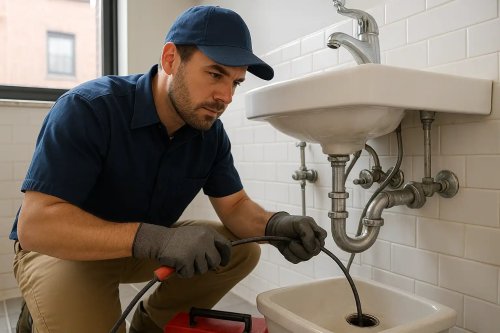
High-Definition Fiber-Optic Drain Cameras: Flexible cable cameras passed down waste stacks and sewer lines to view grease buildup, pipe offset cracks, and root intrusion in real time.
-
Ultrasonic Leak Detectors & Moisture Meters: Non-invasive devices that detect subterranean leaks and moisture hidden behind plaster or tile work.
-
Calibrated Pressure Gauges: Screwed onto hose bibs or faucet threads to measure static and dynamic water pressure throughout the unit.
-
Electronic Combustible Gas Sniffers: Highly sensitive sensors used to detect microscopic gas leaks along exposed gas piping (essential for NYC Local Law 152 checks).
-
Thermal Imaging Cameras: Infrared tools that locate hidden hot water supply leaks, underfloor heating breaks, and moisture pockets within ceiling cavities.
How Long Does a Plumbing Inspection Usually Take?
Inspection durations depend on apartment size, age, and accessibility.
-
Standard Studio or 1-Bedroom Apartment: 45 to 60 minutes.
-
Multi-Bathroom Duplex or Historic Brownstone Floor: 1.5 to 2.5 hours.
-
Comprehensive Sewer Scope Addition: Adds 30 to 45 minutes.
-
Full Gas System Pressure Test: Adds 1 to 2 hours if system stabilization is required.
Understanding Cost Factors
The overall cost of a plumbing inspection and any pre-inspection prep work in Brooklyn varies based on several distinct practical factors.
┌────────────────────────────────────────────────────────────────────────────┐
│                       INSPECTION COST DRIVERS                              │
├──────────────────────────────┬─────────────────────────────────────────────┤
│ Scope & Unit Size            │ Square footage & number of full bathrooms   │
│ Advanced Diagnostics         │ Addition of camera scoping or thermal scan  │
│ Accessibility                │ Open access vs. sealed soffits & walls      │
│ Urgency                      │ Standard scheduled visit vs. emergency prep │
│ Permits & Re-inspections     │ Filing fees for official NYC DOB clearance  │
└──────────────────────────────┴─────────────────────────────────────────────┘
Plumbing inspection fees and subsequent repair costs fluctuate based on the severity of identified problems, physical accessibility, pipe materials required, property type (co-op vs. condo vs. rental), emergency scheduling, and local NYC union labor rates.
Hidden Truths Homeowners Should Know
-
Small Dripping Leaks Cause Massive Structural Damage: A tiny faucet drip or slow angle stop leak beneath a cabinet can quietly rot wood subflooring over months, leading to structural joist deterioration and high repair bills.
-
Cheap Chemical Drain Cleaners Cause Cast-Iron Failure: Liquid chemical drain openers generate extreme heat and chemical reactions that eat away at aging cast-iron waste lines, causing bottom-channel cracks.
-
Insurance Standard Exclusions for Neglect: Property insurance policies generally cover sudden, accidental discharge of water, but routinely deny claims related to gradual, unaddressed leaks or long-term pipe failure due to lack of maintenance.
-
The Impact of Unpermitted Renovations during Resale: Unpermitted bathroom alterations executed by previous owners can delay property sales, trigger bank financing rejections, or require complete wall demolition to bring systems back up to code.
-
Mold Begins Growing in 24 to 48 Hours: Standing water hidden beneath bathroom tile or under kitchen sinks provides an ideal environment for toxic mold spores to establish colonies, turning simple plumbing leaks into environmental remediation challenges.
15 Common Plumbing Mistakes Homeowners Make (And How to Avoid Them)
-
Using Flushable Wipes: Despite marketing claims, wipes do not disintegrate like toilet paper. They snag on cast-iron burrs and create massive main line blockages.
-
Pouring FATS, Oils, and Grease (FOG) Down Kitchen Drains: Warm grease cools inside drain pipes, solidifying into thick blockages that capture other food particles.
-
Ignoring Slow Drains: A slow drain is an early warning sign of a developing blockage down the line. Ignoring it leads to total line stoppage and backups.
-
Over-Tightening Plumbing Connections: Cranking down threaded connections or compression nuts too tightly crushes rubber gaskets and cracks brass fittings, causing delayed leaks.
-
Hanging Heavy Items on Exposed Pipes: Using exposed basement or closet plumbing pipes to hang clothes or storage bins puts immense stress on joints.
-
Ignoring High Water Pressure: Operating over 80 PSI damages appliances, strainers, and fixture valves over time.
-
Using Chemical Liquid Drain Openers: Replacing mechanical snaking with harsh chemicals corrodes metal piping.
-
Delaying Small Repairs: Deferring a $15 valve washer replacement can escalate into an expensive emergency water damage restoration project.
-
Leaving Hose Lines Connected in Winter: (For ground-floor/garden apartments) Leaving outdoor hoses connected traps water in the valve body, leading to frozen burst pipes.
-
Hiring Unlicensed Handymen for Code-Regulated Work: Non-licensed contractors often lack code knowledge, insurance, and the ability to pull required NYC DOB permits.
-
Painting Over Water Stains Without Fixing the Leak: Painting over a wet ceiling hides the visual cue while wood rot continues unabated behind the drywall.
-
Skipping Regular Water Heater Maintenance: Failing to flush water heater tanks annually allows sediment to build up, scorching heating elements and causing bottom-tank corrosion.
-
Mixing Dissimilar Metals Without Dielectric Unions: Connecting copper directly to steel causes galvanic corrosion, rapidly deteriorating the joint.
-
Removing P-Traps or Vents During DIY Cabinet Installs: Bypassing P-traps permits dangerous, foul-smelling sewer gases to enter living spaces directly.
-
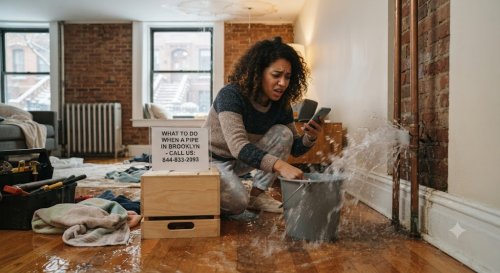
Not Knowing Where the Main Water Shutoff Valve Is: Delaying shutoff access during an active pipe burst dramatically increases structural damage.
20 Practical Plumbing Maintenance Tips for Brooklyn Residents
Seasonal Advice
-
Fall Prep: Disconnect, drain, and store all exterior garden hoses attached to garden-level apartments before the first freeze.
-
Winter Care: During cold snaps, open cabinet doors under exterior-facing walls to allow warm room air to circulate around exposed pipes.
-
Winter Freeze Protection: If leaving town during winter, set your apartment thermostat no lower than 55°F (13°C) and inform your building super.
-
Spring Inspection: Check exterior hose bibs, terrace drains, and window well drains for leaves and winter debris accumulation.
-
Summer Check: Inspect air conditioning condensate drain lines for algae clogs that cause indoor ceiling drips.
Year-Round Maintenance
-
Clean sink faucet aerators every six months by soaking them in white vinegar to remove mineral scale.
-
Exercise your main shutoff valve and under-sink angle stops twice a year by turning them off and back on to prevent seizing.
-
Test toilet flappers once a year by placing 5 drops of food coloring in the tank; if color appears in the bowl after 15 minutes without flushing, replace the flapper.
-
Install stainless steel braided supply flex hoses on all toilets, washing machines, and ice makers.
-
Place fine mesh hair catchers over shower and tub drains.
-
Avoid dumping coffee grounds, rice, or fibrous vegetables down kitchen garbage disposals.
-
Clean stainless steel kitchen sink strainers daily.
-
Keep an eye on water pressure gauges to ensure baseline residential pressure stays between 45 and 70 PSI.
-
Regularly inspect exposed radiator valves and steam traps for green oxidation marks or escaping steam.
-
Inspect washing machine water supply hoses every 6 months for bulging, cracking, or rusting at the coupling.
-
Run water down seldom-used guest bathroom drains or floor drains once a week to keep P-traps sealed against sewer gas.
-
Ensure water heater closets are kept free of stored clutter, flammables, and boxes.
-
Keep a toilet plunger (flange type) and a sink plunger (flat cup type) readily accessible in your unit.
-
Never flush sanitary products, paper towels, dental floss, or cotton swabs down any toilet.
-
Schedule a professional plumbing walk-through every two years to catch hidden wear before it leads to code violations.
When Should You Call an Emergency Plumber?
Some situations cannot wait for a scheduled inspection or routine appointment. Contact an emergency plumber immediately if you experience:
-
Active, Uncontrollable Pipe Bursts: Water pouring through ceilings, light fixtures, or floors that cannot be stopped via local shutoff valves.
-
Raw Sewage Backup: Waste flowing up through floor drains, bathtub drains, or toilets.
-
Sustained Gas Odors: If you smell natural gas (rotten egg odor), evacuate the premises immediately, call 911/Con Edison from a safe location, and then contact a licensed gas plumber.
-
Complete Loss of Water Service: Total absence of running water across the entire apartment when local utility maintenance is not scheduled.
-
Flooding in Basement or Low-Lying Floor Units: Rising water threatening electrical panels or major building infrastructure.
Frequently Asked Questions
1. How do I prepare my Brooklyn apartment for a landlord or HPD plumbing inspection?
Ensure complete physical access to all sink cabinets, toilets, and radiators. Fix any visible surface clutter, clean strainers, and notify your landlord in writing of any existing slow leaks or running toilets beforehand so repairs can be scheduled.
2. Can a tenant fail a plumbing inspection in NYC?
Tenants themselves do not get issued code violations, but the property owner can receive DOB or HPD violations if plumbing systems are unsafe, unpermitted, leaking, or failing to deliver hot/cold water according to health codes.
3. What happens if an inspector finds unpermitted plumbing in my apartment?
If unpermitted plumbing is discovered, the inspector or city agency may issue a notice of violation. Correcting this typically involves hiring a Licensed Master Plumber (LMP) to file retroactively, perform necessary safety modifications, and secure proper DOB sign-offs.
4. How much does a pre-purchase plumbing inspection cost in Brooklyn?
Costs vary based on apartment size, age, scope, and whether advanced diagnostic equipment like fiber-optic drain camera scoping or thermal imaging is included.
5. Why is my water pressure suddenly low across all faucets?
A sudden drop in overall water pressure can indicate a partially closed main shutoff valve, a failing main pressure-reducing valve (PRV), a major leak along the supply service line, or municipal water main work occurring on your street.
6. Can a clogged drain cause pipes to burst or leak?
Yes. Complete blockages trap water and raise localized pressure during usage. Persistent blockages cause standing water to back up into joint couplings, leading to active leaks at pipe seams.
7. Is hydro jetting safe for old cast-iron pipes found in Brooklyn brownstones?
Hydro jetting is highly effective, but must be preceded by a fiber-optic camera scope. On heavily deteriorated or thin-walled cast-iron piping, an experienced plumber will adjust water pressure settings downward to prevent pipe wall damage.
8. How do I know if my building's main sewer line is broken?
Key indicators include multiple fixtures gurgling or backing up simultaneously, sewage smells originating from lower level drains, or persistent soggy patches/sinkholes appearing in outdoor yard spaces.
9. Why does my bathroom faucet drip constantly?
Constant drips are usually caused by worn-out rubber washers, damaged O-rings, or corroded ceramic cartridges inside the faucet handle assembly.
10. How long do apartment water heaters typically last?
Traditional tank water heaters generally last 8 to 12 years. Tankless water heater systems can last 15 to 20 years with consistent annual maintenance and flushing.
Why Choose Plumber Brooklyn NewYork?
Preparing for a plumbing inspection or fixing flagged violations requires an experienced partner who knows New York City codes inside and out. At Plumber Brooklyn NewYork, we bring decades of hands-on expertise across Brooklyn’s diverse building landscape—from historic brownstones to complex commercial multi-family structures.
┌────────────────────────────────────────────────────────────────────────────┐
│                    WHY CHOOSE PLUMBER BROOKLYN NEWYORK                     │
├────────────────────────────────────────────────────────────────────────────┤
│ ✔ Licensed Master Plumbers deeply familiar with NYC DOB & HPD regulations  │
│ ✔ Transparent, upfront estimates with clear cost breakdowns                │
│ ✔ Non-invasive diagnostic tools (HD cameras, acoustic leak detectors)     │
│ ✔ 24/7 rapid emergency response availability across all Brooklyn neighborhoods│
│ ✔ Comprehensive residential & commercial plumbing inspection prep          │
└────────────────────────────────────────────────────────────────────────────┘
When you work with our team, you receive accurate diagnostics, honest recommendations, and quality workmanship designed to keep your home safe, compliant, and operating efficiently for years to come.