Plumbing Maintenance Checklist for Brooklyn Landlords
Are you a Brooklyn landlord? Prevent costly repairs and tenant complaints with our comprehensive annual plumbing maintenance checklist.Keywords: plumbing maintenance checklist Brooklyn, landlord plumbing maintenance
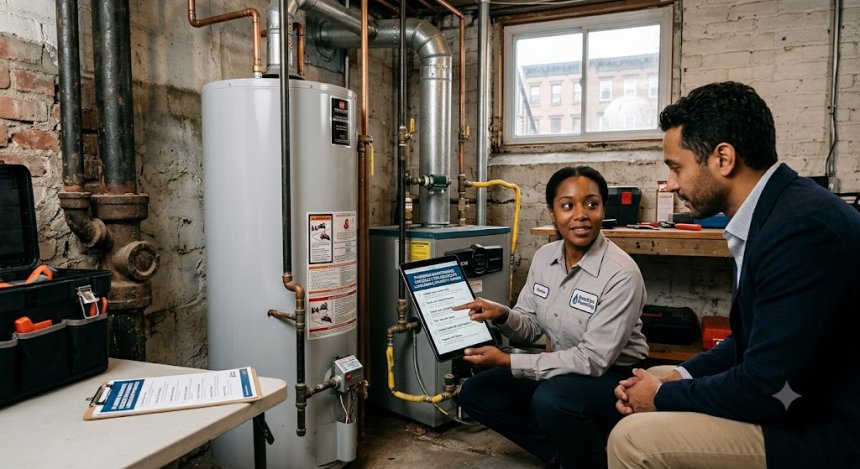
Plumbing Maintenance Checklist for Brooklyn Landlords and Property Owners
As a landlord or property owner in Brooklyn, you know that managing real estate is more than just collecting rent. It's about protecting your investment and ensuring your tenants have a safe, functional place to live. When it comes to building systems, nothing is more critical—or potentially destructive—than plumbing. A single neglected leak in a pre-war brownstone can compromise historic plaster ceilings, cause extensive mold, and result in multiple insurance claims and tenant displacements.
If you own a property in neighborhoods like Park Slope, Williamsburg, or Downtown Brooklyn, you're likely managing aging infrastructure. Ignoring the plumbing system in multi-unit buildings isn't an option; it's a guaranteed way to incur astronomical repair costs down the road. Immediate attention to small issues prevents catastrophic water damage, high water bills, and legal complications from violations or unhappy tenants. Landlords search for this topic because a solid preventive maintenance plan is the difference between profitability and a financial nightmare.
This comprehensive guide is your roadmap to proactive property management. By following this plumbing maintenance checklist for Brooklyn landlords, you'll receive practical, educational advice that helps you understand your building's systems before you need to call an emergency plumber. Our goal is to build your trust through genuine expertise, helping you make smart decisions that protect your bottom line.
What Is a Landlord Plumbing Maintenance Checklist?
A landlord plumbing maintenance checklist is a proactive, systematic plan for inspecting and maintaining a building's plumbing system. Its goal is to identify and fix minor issues before they escalate into major, expensive emergencies.
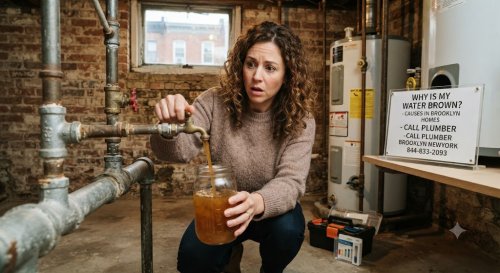
In Brooklyn multi-unit buildings, a problem in one unit can affect many others. A typical checklist focuses on shared building systems (like the main stack, boiler, and roof drains) as well as unit-specific checks (leaky faucets, running toilets, and shut-off valves). The common situation of "no heat" or "no hot water" for an entire apartment line during winter is often the result of neglecting a boiler maintenance checklist. Symptoms of neglected maintenance include high water bills, slow drains throughout the building, water stains on ceilings, and frequent tenant complaints about fixture failures or discolored water.
Why Does This Plumbing Problem Happen?
For Brooklyn landlords, plumbing systems often fail due to a "perfect storm" of aging infrastructure, dense living, and harsh seasonal weather.
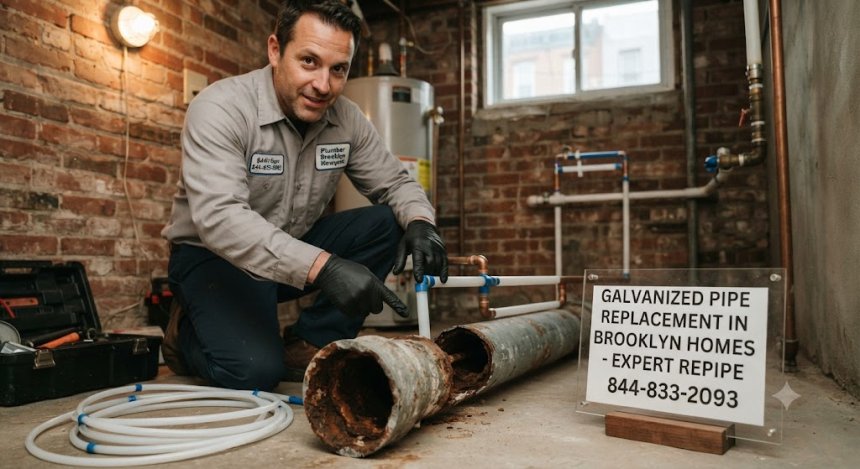
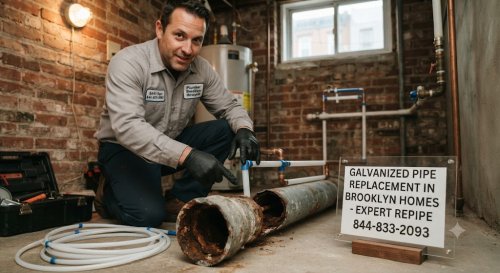
Aging Pipes: Many co-op buildings and brownstones feature original cast iron or galvanized steel pipes. Cast iron corrodes and brittle cast iron pipe can break, while galvanized steel pipe can rust internally, narrowing the pipe diameter and restricting flow. This is a common failure point that is expensive to replace.
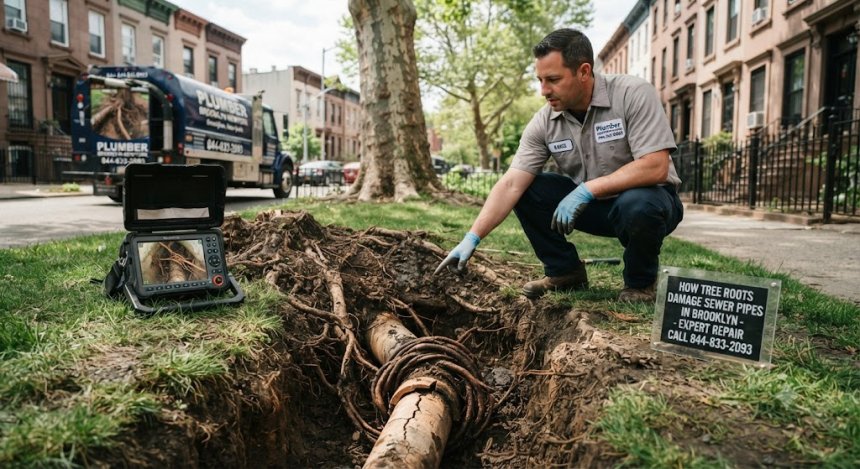
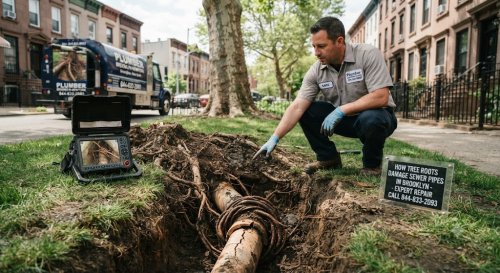
Dense Living & Clogs: In multi-unit properties, many tenants use the same main sewer stack. Poor choices (like flushing wipes or pouring grease) lead to frequent clogs that affect lower units. Tree roots can travel long distances, intruding into aged clay or cast iron sewer laterals under Brooklyn streets and causing massive backups.
Seasonal Weather: Brooklyn winters put immense pressure on plumbing. Frozen pipes can occur in poorly insulated exterior walls, leading to burst pipes and multi-floor flooding during thaw. This is a primary driver of emergency service calls during cold snaps.
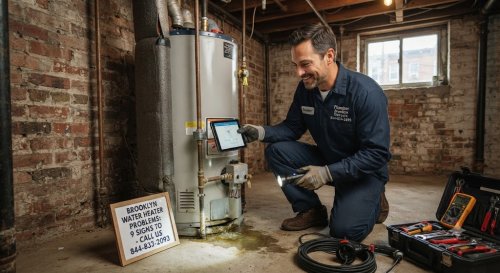
Boiler & Water Heater Failures: Central boilers and water heaters work constantly. Without annual flushing to remove mineral sediment from local water, their lifespan is shortened, leading to early unit replacement and tenant complaints about a lack of service.
Signs You Should Never Ignore
Your tenants may not always report minor issues, but your maintenance staff must be trained to recognize these serious red flags.
Water Stains: The most obvious warning sign. A water stain on a ceiling or wall, even far from a bathroom, signals a hidden pipe leak, often from the unit above or inside a shared chase. Mold growth follows quickly.
Slow Drains or Multiple Backups: When a single unit has a slow drain, it's a localized clog. When multiple units on the same stack experience backups or slow drainage, the main building sewer lateral is likely blocked.
Low Building Water Pressure: A sudden building-wide drop in pressure can indicate a failed booster pump, a closed main valve, or a massive hidden leak in a main riser. High water bills with no obvious fixture issues are a sign of a large, costly hidden leak.
Bad Odors: A persistent sewage smell in a basement or common area means a sewer vent stack is cracked, a main drain is broken, or sewer gases are bypassing a dried-out drain trap, creating a significant health hazard.
Strange Noises: Bangs (water hammer), hissing from behind walls, and gurgling drains are not normal. Gurgling indicates proper ventilation has been compromised, a sign of a main-line sewer stack blockage.
Explain Why Each Warning Sign Matters: Ignoring these signs matters because in a multi-unit building, a small leak rumbles into structure rot, a main drain blockage rumbles into massive raw sewage backups that flood multiple units, and boiler neglect rumbles into tenant "no heat" complaints that can lead to NYC HPD violations. Immediate attention is your only defense against extensive, unbudgeted property damage and legal trouble.
Common Plumbing Problems Related to This Issue
A landlord plumbing maintenance checklist is designed specifically to prevent these related, highly destructive issues. Failure to maintain shared building lines (e.g., cast iron sewer stack, main riser) leads to frequent Sewer Backups that can flood lower apartments and common area basements with raw sewage, which rots structural elements and encouraging mold growth. Burst Pipes from freezing or aged, corroded cast iron pipe thin walls are a direct result of ignoring plumbing infrastructure health. For Brooklyn landlords, these failures mean tenant displacements, complex insurance claims, and legal battles over shared responsibility for water damage restoration.
Step-by-Step Professional Repair Process
While a landlord should perform basic visual checks, the critical systems require a licensed and insured professional.
Step 1 Inspection: For issues like multi-unit slow drains, a plumber will first insert a high-definition sewer video camera into the main sewer cleanout fitting. In buildings like Park Slope brownstones, this confirms the cause of the problem (roots, grease, or a collapsed clay pipe) and pinpoints its precise location.
Step 2 Diagnosis: Using the camera feed and diagnostic equipment like leak detection acoustic sensors, the professional plumber precisely identifies the source of a hidden leak or blockage, preventing unnecessary demolition.
Step 3 Estimate: Based on the diagnosis, the plumber provides a clear, documented estimate. If the camera inspection shows that a shared, cast iron sewer stack has a massive crack, the estimate will compare options for a sectional stack replacement.
Step 4 Repair: Once authorized, the professional plumber performs the repair according to strict NYC building codes. For example, clearing a massive grease or root blockage in a building's shared main line is often handled by hydro jetting, which uses water pressure, not harsh chemicals, to scour the internal walls clean.
Step 5 Testing: The job is not done until it's tested. The plumber will run water and test drains throughout the affected line to ensure wastewater flows freely and supply line pressure is stable.
Step 6 Cleanup: A professional plumber performs a deep cleanup of the work area, crucial in multi-tenant buildings to maintain safe living conditions.
Step 7 Maintenance Advice: Finally, they will provide you, the property owner, with specific advice. If roots were found in the clay main line to the street, they will likely recommend proactive pipe lining or annual preventative clearing.
Can You Fix It Yourself?
As a landlord, the answer is a resounding "generally no." Temporary fixes often mask a deeper issue. You can safely do a single task like replacing a faucet aerator or snaking a simple hair clog within unit owned boundaries. However, in most multi-unit situations (e.g., old co-op, modern condo, pre-war brownstone), temporary fixes fail under NYC water pressure. DIY becomes dangerous for landlords because major work behind plaster walls, on main risers, or on sewer stacks requires specific tools Professionals use and carries liability risk. When DIY goes wrong, a simple leak turns into catastrophic flooding that damages multiple units, leads to shared responsibility for damages, and may violate your property insurance policy or building co-op rules. What homeowners search for this topic should understand is that professional plumbing is necessary for all hidden leaks, building-wide pressure issues, main line backups, and structural stack repairs.
Tools Professionals Use
A professional plumbing service uses advanced technology to save you time and money.
Drain Cameras: This is a primary tool for diagnosing multi-unit sewer backups. A plumber inserts a high-resolution, waterproof camera into the sewer cleanout, allowing them to view the condition of aging cast iron sewer lines and pinpoint the exact location and cause of a clog (roots, grease, or collapsed pipe).
Leak Detection Equipment: For hidden leaks inside walls or concrete slabs, acoustic and moisture-sensing equipment allows a plumber to locate the precise source of a leak without unnecessary demolition, a common situation in Brooklyn properties with hidden, aging pipes.
Hydro Jetting: For severe grease or sludge blockages in building main lines, a plunger or snake is useless. Hydro jetting uses a powerful, high-pressure stream of water to thoroughly clear the internal walls of the pipe, restoring full flow and diameter.
Pipe inspection cameras: (As above in drain cameras).
How Long Does the Repair Usually Take?
Timelines in multi-tenant buildings are complex because of unit access and coordination.
A simple Faucet or Showerhead Replacement within a unit can often be done in an hour or two.
Moderate Repairs, like snaking a shared drain stack or tracing a hidden leak chase, can require a full day and multiple return visits, as this situation requires accessing several apartments to trace the source.
Major Repairs, such as a sectional replacement of risers or a sewer stack, is a significant construction project that can take several days or even a full week, often disrupting service to entire apartment lines.
Factors affecting repair time:
-
Access to other units: Waiting for tenants to provide access can add days to a job.
-
Historical finishes: Replacing plumbing in historic co-ops requires more careful demolition and restoration work.
Cost Factors
We do NOT provide fake fixed prices. Plumbing repair costs in Brooklyn vary depending on the severity of the problem, accessibility, materials required, emergency service, property type, and local labor rates. Cost drivers include:
-
Diagnostic Fees: A high-quality professional plumber will charge to perform diagnostic work, such as a video camera inspection, to ensure the core of the multi-unit problem is found.
-
Parts & Labor: The primary cost. Labor in NYC is expensive, and replacing heavy cast iron or specialized boiler parts costs significantly in material.
-
Equipment Needed: Hydro jetting or specialized leak detection equipment represents an extra service cost.
-
Permit Costs: Major work on main risers or sewer lines often requires filings and permits with the NYC Department of Buildings (DOB).
-
Replacement vs Repair: Full sectional replacement of risers is smarter co-op building plumbing advice than repeatedly patch-fixing.
Mention: Theproprietary lease and house rules must be considered for co-op properties, as they often dictate what homeowners can safely do and who is responsible for shared infrastructure versus unit owned boundaries.
Hidden Truths Homeowners Should Know
For property owners, understanding these practical realities can save you thousands.
Small Leaks Become Expensive Repairs: A pinhole copper leak in a chase doesn't stay small. Water rumbles into rots structure, encouraging mold growth across multiple apartments and common areas, and causes extensive, unbudgeted property damage.
Insurance May Not Cover Neglected Plumbing: Property insurance often covers sudden, accidental water damage, but it will deny a claim for subsequent water damage caused by long-term, unaddressed leaks or a failure to maintain aged plumbing systems.
Tree Roots Can Repeatedly Damage Sewer Lines: In aging Brooklyn neighborhoods, snaking a line is a temporary fix. Unless the pipe is physically lined or replaced, tree roots will grow back into cracked cast iron sewers within months, causing another backup.
Hidden Leaks Increase Utility Bills: A single running toilet in a co-op or apartment can waste thousands of gallons of water annually. While residents are metered for water use, hidden leaks on shared building supply lines directly increase the co-op or association's water and sewer costs, directly contributing to higher building-wide water bills for all. Annual maintenance saves money.
15 Common Mistakes Homeowners Make: (Practical advice) Examples include ignoring slow drains, flushing "flushable" wipes, pouring grease down drains, and over-tightening fittings. Landlords can educate tenants through a standard move-in checklist.
Maintenance Tips
Proactive plumbing is essential to protecting your Brooklyn investment.
Include seasonal advice: Before Brooklyn’s winter freeze, all exterior-exposed pipes (like area drains, hose bibs, and uninsulated basement risers) must be insulated.
-
Boiler/Water Heater Checklist: Flush all central and unit owned water heaters annually to prevent mineral sediment buildup that shortens fixture lifespan.
-
Sewer Line Inspection: Mandate annual or biennial video camera inspections of all main building sewer and waste stacks to catch issues deeper in aged infrastructure early.
-
Check Shut-Off Valves: Annually test all main building and individual unit shut-off valves to ensure they work in an emergency situation.
-
Flushing Rules: Educate all tenants that flushing wipes (even those labeled "flushable") or other non-plain toilet paper items is a primary cause of multi-unit shared-stack backups and raw sewage flooding.
-
Grease Management: Strictly prohibit tenants from pouring grease, fats, or oils down garbage disposals or drains, as grease hardens and causes massive common line blockages.
-
Insulate exposed pipes: (As in seasonal advice above).
-
Unit Inspections: Schedule visual inspections of unit owned fixtures to catch running toilets and Dripping faucet that waste common water.
-
Strainers: Mandate the use of mesh strainers over shower and sink drains to catch hair and debris before it enters shared lines.
-
Tenant Checklist: Create a move-in plumbing maintenance checklist for tenants, clearly outlining their responsibilities.
When Should You Call an Emergency Plumber?
Understanding when an issue is an emergency is vital for health and preventing the sewage from spreading across multiple apartments.
Sewage Backup: When wastewater backs up into multiple lower-level units on the same line, the common building sewer stack is blocked. Immediate action is vital; the co-op must hydro-jet or snake the main shared line to prevent further contamination and raw sewage flooding. Immediate attention for a sewage backup is vital for health.
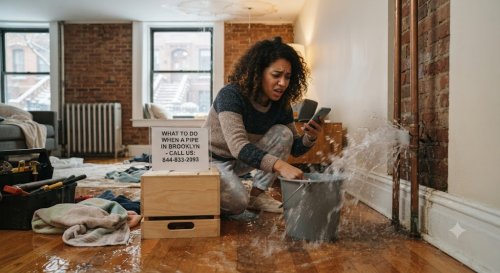
Burst Pipes: Multi-unit pipes often fail due to severe internal corrosion (cast iron pipe thin walls). When a main supply line or riser fails, high-pressure water rushes behind a wall or floods their unit, causing massive water leaks and structure rot. Immediate action is vital; immediate action includes shutting off the main building water supply to contain the flooding and limit damage to multiple apartments and common areas.
No Hot Water/No Heat (Seasonal): A sudden, building-wide loss of heat or hot water during winter is a code violation. While the building may rely on a common-area boiler, immediate attention prevents tenant displacements and pipe-freeze situations.
Overflowing Toilet: Immediate action for a sewage backup is vital. In dense living multi-unit buildings, an overflowing toilet can rapidly rots structural elements and encourage mold growth in the unit owned by the neighbor below. Delayed action turn a simple fix into a massive restoration and mold remediation project that affects multiple units.
Why Choose Our Plumbing Company
Facing plumbing problems in a Brooklyn co-op or multi-unit property requires an experienced licensed plumbers who understands multi-unit complexity, NYC building codes, and pre-war brownstone character. At Plumber Brooklyn Newyork, we provide:
Experienced licensed plumbers: Our licensed Master Plumber is deeply experienced with aging cast iron sewer lines, complex multi-story supply risers, and Brooklyn’s unique boiler systems. We provide genuine local expertise that generic franchises can't match.Honest Recommendations: We focus on permanent solutions. If a video inspection confirms massive grease in your main shared line, we will recommend hydro jetting—which uses water pressure, not harsh chemicals—to clear the entire shared pipe wall clean. We won't recommend unnecessary full replacement when sectional riser work is sufficient.Upfront Estimates: For all major maintenance and repair work (like boiler replacements or stack repiping), we provide co-op and association boards with a clear, written estimate with options so you can budget properly.Fast Response: Multi-tenant emergencies like burst pipes or raw sewage flooding lower units demand immediate action. We prioritize rapid response times for these critical calls.Modern Equipment: We use the latest Tools Professionals Use, from HD drain cameras to high-power hydro-jetting, to restore full flow and diameter in aging shared lines.Warranty (if applicable): We stand behind our workmanship.
Serving property owners throughout Brooklyn neighborhoods including Park Slope, Greenpoint, Bushwick, Dumbo, Fort Greene, Carroll Gardens, Flatbush, Midwood, Bed-Stuy, and neighboring service areas in New York. Don't make unsupported claims about customer satisfaction or quality, just focus on our experience and approach.