Common Plumbing Problems in Brooklyn Co-ops and Condos
Are you facing plumbing issues in your Brooklyn co-op or condo? Learn about the most common problems, from leaks to clogs, and how to fix them
Common Plumbing Problems in Brooklyn Co-ops and Condos
Brooklyn is filled with beautiful, historic co-op buildings and modern condos. While these homes offer incredible living spaces and community perks, they also come with a unique set of challenges, especially when it comes to plumbing. Understanding these common issues is crucial for both residents and building boards. If you live in or manage a co-op or condo in neighborhoods like Park Slope, Brooklyn Heights, or Williamsburg, you've likely encountered—or will encounter—some of these plumbing problems.
Plumbing issues in co-ops and condos are different from those in single-family homes. A single leak in one unit can affect multiple neighbors, and determining responsibility (is it the resident's problem or the building's?) can be a source of significant frustration. Ignoring these problems rarely makes them go away; instead, they often escalate into costly emergencies involving multiple units. Immediate attention is paramount not only for comfort but also for preventing extensive property damage and high water bills.
This article aims to educate Brooklyn co-op and condo residents and managers. By understanding what typically goes wrong, what warning signs to look for, and the professional repair process, you can make informed decisions. Whether you are searching for a solution to a current crisis or looking for preventive advice, you will find valuable, trustworthy information here that will help you navigate these unique plumbing waters.
What Are Common Plumbing Problems in Brooklyn Co-ops and Condos?
"Common Plumbing Problems in Brooklyn Co-ops and Condos" refers to a wide array of plumbing issues that frequently occur in these specific types of multi-family housing in the borough. These problems can range from minor inconveniences within an individual apartment to major systemic failures affecting the entire building.
Definition: In the context of Brooklyn co-ops and condos, these are plumbing failures and issues that are either caused by or complicated by the structure and legal framework of multi-unit buildings.
Common Situations:
-
A resident in a 4th-floor unit notices a water stain on their ceiling, indicating a leak from the unit above.
-
The entire 'B' line of apartments experiences low water pressure simultaneously.
-
A ground-floor unit experiences a sewage backup, often caused by a clog deeper in the building's main drain line, exacerbated by issues further up the stack.
Symptoms:
-
Dripping faucets in multiple apartments.
-
Water stains appearing on ceilings or walls in kitchens or bathrooms.
-
Gurgling sounds from drains or toilets when other fixtures are used.
-
A sudden drop in water pressure building-wide or in a specific line of units.
-
Water pooling on the floor of a common area basement.
Examples: A classic Brooklyn pre-war co-op building might have aging cast iron sewer lines that are corroded and prone to frequent clogs and leaks. A modern Williamsburg condo, on the other hand, might face issues with improper installation of newer PEX pipes or high water pressure causing frequent fixture failures. In both cases, a problem in one unit quickly becomes a building issue, requiring coordination and expertise that understands both the physics of plumbing stacks and the legalities of the proprietary lease.
Why Does This Plumbing Problem Happen?
Understanding the root causes helps in both effective repair and prevention. In Brooklyn co-ops and condos, several factors contribute to these common problems.
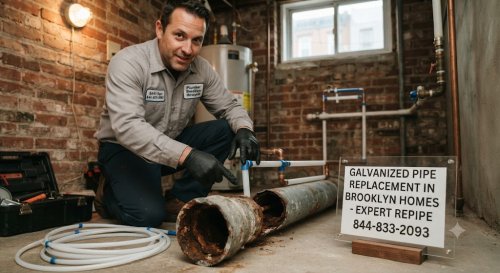
Aging Pipes: This is perhaps the single biggest factor in Brooklyn. Many beloved co-op buildings are pre-war, meaning their plumbing systems are decades old. Galvanized steel pipes corrode and narrow, reducing pressure, while cast iron sewer stacks become brittle and crack, leading to leaks and serious backups.
Corrosion: Over time, all metal pipes corrode due to oxygen in the water and the chemical makeup of the water itself. In old Brooklyn buildings, this can manifest as pinhole leaks or significant scale buildup inside supply lines.
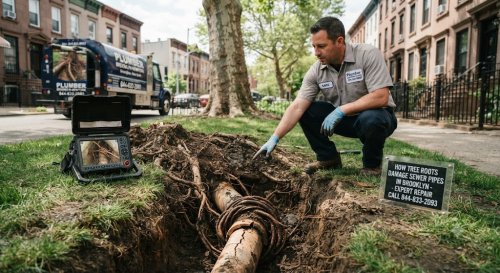
Tree Roots: While more common in sewer lines connecting the building to the street, tree roots can be powerful in old Brooklyn neighborhoods, intruding into cracked cast iron pipes and causing massive blockages.
Hard Water: NYC water is generally good, but mineral content can vary. In some areas, or simply over many years, mineral scale can build up inside pipes and on fixtures, causing low pressure and damage to appliances like dishwashers and boilers.
High Water Pressure: Many multi-story buildings require booster pumps to deliver water to upper floors. If these pumps are set incorrectly or if pressure-reducing valves fail, the resulting high pressure can strain pipe joints and cause faucets, showerheads, and appliance hoses to fail prematurely.
Improper Installation: In newer condos or after poorly managed renovations in co-ops, improper plumbing installation is a common issue. Incorrect pipe sloping, poor soldering on copper joints, or using the wrong type of pipe material can lead to early and expensive problems.
Poor Maintenance: Co-op and condo boards are responsible for building-wide systems. If they neglect annual inspections of main stacks, roof drains, and pumps, small problems grow into major failures. Similarly, if residents don't maintain the plumbing within their walls, it can affect others.
Seasonal Weather: Brooklyn winters can be harsh. While rare for main building stacks inside, water lines near exterior walls in poorly insulated units can freeze and burst during extreme cold snaps.
Frozen Pipes: (As above) This is a critical seasonal risk.
Clogs: A classic for a reason. Clogs are incredibly common, but in multi-unit buildings, they are often complicated. A clog from one unit can push wastewater back up into other units lower down the line.
Sewer Backups: These are among the most serious plumbing emergencies. In multi-unit buildings, they are often caused by clogs in the building's main sewer line, which can result from grease buildup, flushed non-flushables, or even street-side city sewer problems.
Worn Plumbing Fixtures: Within individual units, aged faucets, running toilets, and faulty shower valves are a constant source of water waste and noise.
Use Practical Examples: Imagine a historic brownstone in Brooklyn Heights converted to a co-op. The proprietary lease states that the co-op is responsible for plumbing inside the walls, while the shareholder is responsible for the fixtures they see. When a shareholder renovations their bathroom without proper board approval and their unlicensed plumber improperly joins new PEX tubing to old brass pipe, it creates a weak point. Years later, a high pressure surge from the street causes that joint to fail, flooding the share holder's unit and the three floors below.
Signs You Should Never Ignore
Early detection can prevent a minor issue from becoming a multi-unit disaster. Brooklyn co-op and condo residents and building staff should be vigilant for these signs.
Water Stains: The most obvious sign of a leak. A yellow or brown ring on a ceiling or wall indicates a problem, either from a neighbor’s unit, the building's shared pipes, or even a roof leak. Immediate investigation is required to prevent mold and structural damage.
Slow Drains: When multiple fixtures in your unit are draining slowly, or if it's happening across a 'line' of units, it's not a localized hair clog. It's a sign of a blockage deeper in the building's shared waste stacks.
Low Water Pressure: A sudden drop is a red flag. If it's building-wide, the booster pump or a main valve might have failed. If it's just your line, there could be a serious obstruction or leak in your supply stack. High water bills (if units are metered) are also a sign of hidden leaks.
Damp Walls: If a wall feels soft, warm, or perpetually damp, especially near a plumbing chase, it's a strong indicator of a hidden leak in the supply or waste line.
Mold Growth: Mold thrives in moisture. While some mold in a shower is typical, new mold on a ceiling or wall, or an overall musty odor in a co-op hallway, is a classic symptom of an active, hidden water leak.
Strange Noises: Plumbing shouldn't make noise when not in use. Gurgling or bubbling from drains, banging or "water hammer" sounds when fixtures are turned off, and persistent hissing from behind a wall (the sound of water running under pressure) all indicate problems that need professional diagnosis.
Bad Smells: A persistent sewer odor in your apartment, bathroom, or the building’s basement is not normal. It often indicates a serious problem with the sewer vent stack or a dried-out drain trap, potentially exposing residents to sewer gases.
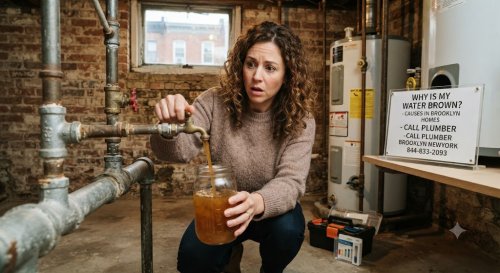
Standing Water: This is an obvious emergency. Any standing water near building main lines in the basement, in a utility closet, or pooling under a common-area kitchen sink requires immediate action. Discolored water is also a significant concern, often pointing to corrosion.
Discolored Water: (As above) This is a sign of corrosion.
Explain Why Each Warning Sign Matters: These signs matter because plumbing is a system, and in a multi-unit building, it is a SHARED system. Ignoring a water stain on your ceiling isn't just an aesthetic issue; it's water (and maybe wastewater) rots your neighbors structure, encourages mold that affects air quality for everyone, and may indicate a structural failure that will eventually cause a burst pipe and widespread flooding. For building managers, ignoring gurgling sounds in the ground floor unit can be the only warning before a massive sewer backup floods the entire lower level.
Common Plumbing Problems Related to This Issue
When you face one plumbing problem in a co-op or condo, it often means related issues are also occurring or are a risk.
A simple Pipe Leak (e.g., a copper supply line pinhole) doesn't just waste water; it causes significant Damage to Walls and Ceilings, can lead to mold, and requires building coordination for repair. If it goes on long enough, the hidden leak will dramatically increase Water Bills for the co-op or condo association.
Drain Clogs, while seemingly localized, can overpressure a stack and lead to Pipe Leaks at weak points. A severe main-line clog is the direct cause of Sewer Backups, which can flood ground-floor apartments and common areas with hazardous wastewater, requiring professional Water Damage Restoration.
In older buildings, Clogs and Backups are often caused by the crumbling and cracking of ancient cast iron pipes, which are also prone to Burst Pipes. Failure to address Drain Issues can lead to more frequent occurrences of these larger problems.
Step-by-Step Professional Repair Process
Handling a plumbing issue in a co-op or condo requires coordination between the resident, the building manager (or superintendent), and the professional plumber.
Step 1: Notification & Coordination The process begins when a resident notices a problem. In a co-op or condo, the first call should be to the building superintendent or management company, not a private plumber. The proprietary lease or house rules usually define who is responsible (the resident or the building). If the building is responsible, management will call the building’s preferred plumbing service. If the resident is responsible, they may still be required to use a licensed and insured plumber from the building’s approved list.
Step 2: Inspection & Access A professional plumber will arrive to inspect. In multi-unit buildings, this is rarely as simple as looking at a fixture. To trace a leak, the plumber may need access to multiple units above or adjacent to the affected apartment. This step is often the most time-consuming and frustrating part of co-op/condo plumbing, as it requires co-operating shareholders/owners to provide access.
Step 3: Diagnosis & Documentation Using modern tools, the plumber will diagnose the issue. This isn’t generic; they must precisely identify if the leak is from a shared riser (the building's problem) or a shareholder's non-conforming renovation (the shareholder's problem). They will provide a clear, documented diagnosis to the property manager and the affected resident(s).
Step 4: Estimate & Authorisation If the repair is extensive, a detailed estimate will be provided. Depending on the Proprietary Lease and the cost, this may require approval by the Co-op or Condo Board of Directors. For emergencies or smaller repairs, building management usually has the authority to approve immediate work.
Step 5: Professional Repair Once authorized, the plumber will perform the repair. This must be done to strict NYC building codes. For example, replacing a section of cast iron stack may involve cutting out the damaged pipe and installing new, durable material with proper transition couplings, all while minimizing disruption to water and drain services for the affected apartment line.
Step 6: Testing & Cleanup The job is not done until it's tested. The plumber will run water through supply lines and test drains to ensure the leak is gone and flow is restored. Then, they will perform a professional cleanup of the work area, which is vital in a multi-unit building where cleanliness is paramount.
Step 7: Re-Evaluation & Maintenance Advice Finally, a truly professional plumber will offer advice. If the problem was caused by aging cast iron, they will likely recommend that the co-op board schedule a proactive video inspection of all shared waste stacks to prevent future emergencies in other apartment lines.
Can You Fix It Yourself?
When it comes to plumbing in a co-op or condo, the answer to "Can I fix it myself?" is almost always a resounding NO. You may find simple solutions for some situations. However, temporary fixes often mask a deeper issue.
Safe DIY Solutions: Shareholder/owner can safely handle very simple tasks:
-
Using a simple, non-chemical plunger for a shallow toilet or sink clog.
-
Replacing a worn faucet aerator or a leaky shower head within your unit, provided you use the proper shut-off valves.
Temporary Fixes: These often fail. For example, shareholders should NOT:
-
Use industrial-strength chemical drain cleaners, which can corrode aging co-op pipes.
-
Attempt to patch a pipe leak with tape or epoxy. This might stop water for an hour, but it creates a false sense of security and delays the necessary professional repair.
When DIY Becomes Dangerous: You can safely do certain jobs. However, DIY becomes dangerous when shareholders try to fix anything inside a wall, use improper pipe materials, or fail to follow NYC building codes. What seems like a simple "handyman" job can fail under NYC’s water pressure, causing massive flooding that impacts multiple neighbors and leads to shared responsibility for damages and higher building insurance premiums.
When Professional Plumbing Is Necessary: Professional plumbing is necessary for ANY issue beyond a simple, non-chemical plunger or fixture replacement. Any gurgling drains, hidden leaks, water stains, building-wide low pressure, or suspected sewer stack issues require a licensed and insured plumber. Most importantly, it's often a legal requirement in co-ops and condos to use licensed professionals for all plumbing work, and doing otherwise can violate your proprietary lease or condo bylaws.
Tools Professionals Use
A professional plumber doesn't just guess; they use advanced technology to diagnose and repair issues in multi-unit buildings efficiently and with minimal destruction.
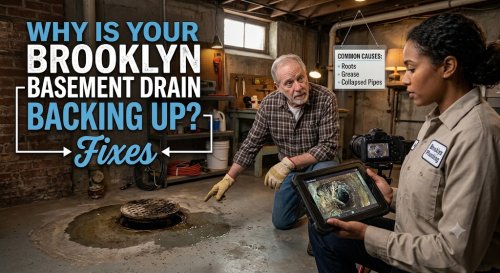
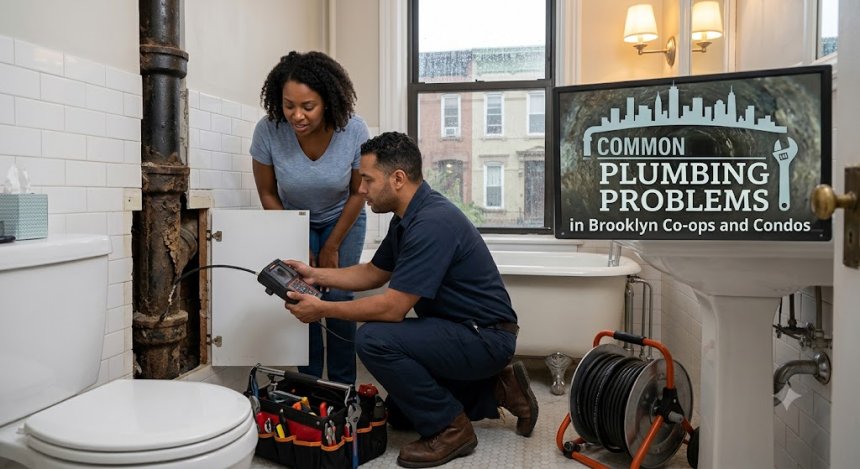
Drain Cameras: Essential in co-ops and condos. A professional plumber will insert a high-definition, waterproof camera into waste stacks. This allows them to see the condition of old cast iron or PVC pipes and pinpoint the exact location and cause of a clog (grease, tree roots, a shareholder's flushed non-flushable).
Leak Detection Equipment: For hidden leaks behind a Brooklyn brownstone's plaster walls, a plumber uses acoustic sensors to hear the sound of water escaping, thermographic cameras to see temperature differences on wet walls, and moisture meters. This is a common situation for these tools, as it allows for a precise diagnosis with minimal invasive exploratory work.
Hydro Jetting: For severe grease or sludge cogs in shared lines, a plunger is useless. Professionals use a hydro jetter, which uses a high-pressure stream of water (not chemicals) to scour the internal pipe walls clean, restoring the full diameter of the shared line.
Pipe Locators & Inspection Cameras: Tools such as these improve repair accuracy.
How Long Does the Repair Usually Take?
Repair timelines in co-ops and condos are notoriously difficult to predict because they rely heavily on unit access, diagnosis, and coordination.
A simple Faucet or Showerhead Replacement within a single unit can be done in an hour or two.
Moderate Repairs, such as tracing a hidden leak or snaking a shared drain stack, often require a full day and multiple return visits. This is the timeline for many common co-ops and condo issues.
Major Repairs, like replacing a long section of main sewer line, a failed booster pump, or all the risers in an apartment line, are significant construction projects that can take several days or even a full week, often requiring shut-offs that disrupt entire lines of units.
Emergency Repairs, like addressing a massive burst pipe, can sometimes be contained in a few hours, but the full, permanent repair can still take days.
Factors that affect repair time include:
-
Access to Other Units: Waiting for neighbors to provide access to their apartments can add days to a timeline.
-
Diagnosis Difficulty: Finding the precise source of a multi-unit leak can be complex and time-consuming.
-
Board Approval: For co-ops, major unbudgeted repairs may require formal board approval, which only happens at monthly meetings, potentially delaying the work.
Cost Factors
We do NOT provide fake fixed prices. Plumbing repair costs in NYC, especially for co-ops and condos, vary depending on the severity of the problem, accessibility, materials required, emergency service, property type, and local labor rates.
The biggest factor is often Who is Responsible? Is the cost covered by the co-op's building-wide maintenance budget, or is it an assessment specifically for the affected shareholders/owners?
Cost elements include:
-
Diagnostic Fees: A high-quality professional will charge a standard diagnostic fee to trace multi-unit leaks, which often involves camera work.
-
Parts & Labor: The primary cost of any repair. Labor in NYC is expensive, and high-quality materials (e.g., proper copper and brass, not just PEX) cost more.
-
Emergency Service Charges: A weekend sewer backup will have premium labor rates.
-
Equipment Needed: Hydro jetting or drain camera work are additional service costs beyond a standard snaking.
-
Permit Costs: Major work requires NYC Department of Buildings (DOB) permits, which have associated fees and inspection requirements.
-
Replacement vs Repair: Spot-fixing a leak is cheaper than a sectional replacement of risers.
-
Accessibility: Repairs behind plaster walls in a historic pre-war co-op or in tight, difficult-to-reach chases cost more in labor.
Mention: Theproprietary lease and house rules play a critical role in who pays. When a shareholder renovations causes a flood, the board will likely look to the shareholder to pay for all related costs, not the co-op association.
Hidden Truths Homeowners Should Know
When you understand these practical realities, you can save money and prevent disasters in your co-op or condo.
Small Leaks Become Expensive Repairs: A pinhole copper leak in a wall doesn't stay small. It will eventually grow, causes widespread mold and structural damage, and turn a simple pipe repair into a massive restoration and mold remediation project that affects multiple units.
Cheap Temporary Fixes Often Fail: Relying on tape or a non-professional "handyman" to fix shared pipes in a Brooklyn co-op is dangerous. These fixes will fail, often catastrophically under NYC pressure, leading to even more extensive damage and potentially voiding unit-owner insurance.
Insurance May Not Cover Neglected Plumbing: If a shareholder has known about a hidden leak or a slow drain for months and ignored it, their unit-owner insurance may deny a claim for subsequent water damage, labeling it as a failure to maintain the property.
Tree Roots Can Repeatedly Damage Sewer Lines: In old Brooklyn neighborhoods, you can snake a line, but if a tree root has cracked the cast iron main line to the street, it will grow back and cause a new massive backup until the pipe is physically lined or replaced.
Hard Water Shortens Fixture Lifespan: Mineral buildup can shorten the life of shareholder-owned appliances (dishwashers, washing machines) and common-area boilers.
DIY Mistakes Increase Repair Costs: If a shareholder accidentally breaks an aging shared riser while trying to fix their own fixture, they can be held responsible for all resulting building and neighboring-unit damages.
Delaying Repairs Causes Structural Damage: Water from shared lines will eventually rot wood framing, ruin plaster, and cause subfloor issues, which are all expensive structural problems that the entire building co-op must eventually address.
Hidden Leaks Increase Utility Bills: A running toilet in a co-op wastes thousands of gallons of water, directly increasing the entire building's water and sewer bill, which then leads to higher maintenance fees for all residents.
Mold Develops Quickly: Mold can begin to grow within 24-48 hours of water exposure.
Annual Maintenance Saves Money: A co-op or condo board that invests in proactive camera inspections of shared waste stacks can catch and clear root intrusions or grease before they cause a disastrous, ground-floor sewer backup. Provide practical advice, for example: shareholders should install simple, moisture-detecting alarms near their appliances and stacks, while co-op boards should mandate that all shareholder-led renovations must be performed by licensed and insured plumbers approved by the building.
15 Common Mistakes Homeowners Make
-
Ignoring Water Stains on Ceiling: A sharehold might ignore a stain, but a gurgling drain is a warning sign of a serious main-stack problem.
-
Using Chemical Drain Cleaners: In old Brooklyn co-ops, these can eat through aged metal pipes.
-
Flushing "Flushable" Wipes: A major cause of shared-stack backups; sharehold should treat the toilet only for waste and plain toilet paper.
-
Pouring Grease Into Drains: Grease hardens in shared pipes, eventually leading to ground-floor sewer backups.
-
Ignoring Low Water Pressure: Could be a building-wide booster pump failure or a major hidden leak in a supply stack.
-
Hiring Unlicensed Plumbers: A proprietary lease usually mandates licensed professionals for all work.
-
Skipping Board-Mandated Inspections: Many co-ops have rules about inspecting shower pans or water lines.
-
Hiring Handymen for In-Wall Work: "Handymen" rarely have the NYC license or insurance for shared infrastructure.
-
Waiting Until an Emergency: Preventative camera inspections save thousands by avoiding multi-unit backups.
-
Using Wrong Pipe Materials: In NYC co-ops, using cheap, incorrect pipe materials (e.g., incorrect grade of PEX for NYC water) causes premature failure.
-
Over-Tightening Plumbing Fittings: This can crack aging co-op brass or cast iron fittings.
-
Thinking Plumbing Responsibilities are Like a House: Many shareholders/owners don't understand that they don't own the pipes in their walls.
-
Installing Appliances Without Pro-Shutoffs: When shareholder doesn’t install quality shutoffs for new dishwasher, a simple leak requires a line-wide building shut-off.
-
Ignoring Gurgling Drains: Gurgling means sewer vent or stack issues.
-
Treating Sinks and Toilets Like Trash Cans: A major cause of blockages in shared stacks.
Maintenance Tips
Proactive maintenance is essential to preventing multi-unit disasters. Include seasonal advice: Before Brooklyn’s winter, shareholders near exterior walls should know where their shut-offs are and keep heat on to prevent frozen supply lines.
-
Shareholders: Install moisture-detecting alarms near washing machines, water heaters, and under sinks to catch hidden leaks early.
-
Shareholders: Use simple mesh strainers over shower, tub, and sink drains to catch hair and debris before it enters the shared stacks.
-
Building Managers: Mandate annual or biennial video camera inspections of all main shared waste stacks and roof drains.
-
Building Managers: Annually test all main building shut-off valves and backwater valves to ensure they are functional.
-
Shareholders: Do NOT flush anything other than waste and plain toilet paper (no wipes, even if they say flushable).
-
Building Managers: (Seasonal) Before winter, ensure all building-owned pipes near exterior basement walls or in unheated mechanical spaces are properly insulated.
-
Shareholders: Do NOT pour grease, fats, or oils down any drain, including unit-owned garbage disposals.
-
Shareholders: Report any slow drains, gurgling, or water pressure changes to the superintendent immediately.
-
Building Managers: Perform annual maintenance and pressure testing on booster pumps and pressure-reducing valves.
-
Shareholders: Know where the internal water shut-off valves are for your apartment.
-
Building Managers: Educate shareholders about proper plumbing usage through building newsletters.
-
Building Managers: (Seasonal) Before fall, clean all roof and balcony drains to prevent water from backing up and leaking into upper units.
-
Shareholders: (Seasonal) If leaving for an extended winter break, keep heat on a low setting to prevent frozen pipes.
-
Building Managers: Annually flush common-area boilers to remove mineral scale.
-
Building Managers: Maintain an updated list of the co-op or condo board’s approved licensed and insured plumbing vendors.
-
Shareholders: Replace unit-owned washing machine and ice maker hoses every 5 years with durable, braided stainless steel options.
-
Building Managers: Inspect hallway or basement shared stacks visibly for any signs of sweating, rust, or leaks.
-
Shareholders: Fix unit-owned running toilets and dripping faucets immediately to save building-wide water costs.
-
Shareholders: Always get formal board approval for renovations and use licensed professionals.
When Should You Call an Emergency Plumber?
Understanding when to escalate an issue is critical for safety and preventing widespread property damage. Explain why immediate action is important, for example, immediate action for a sewage backup is vital for health and preventing the sewage from spreading, rots structural elements, and encouraging mold growth across common areas and multiple apartments.
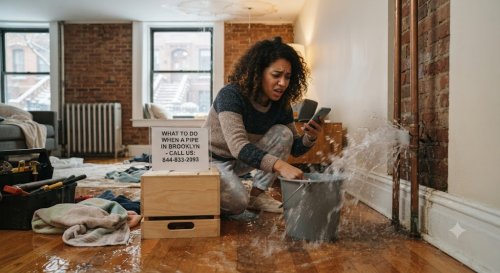
Burst Pipes: When sharehold sees water rushing behind a wall or flooding their unit, a main building supply riser has likely failed. Immediate action is vital; the co-op must shut down the main supply to the affected line. Delayed action leads to catastrophic multi-floor flooding and structural ruin.
Sewage Backup: When sharehold experiences wastewater backing up into a shower or floor drain, the building's main sewer stack is likely blocked. Immediate action is vital; the building must contain the hazardous sewage, and a plumber must hydro-jet or snake the main shared line to prevent further contamination and multi-unit flooding. Delaying this for "business hours" will likely cause the backup to flood common areas or other apartments.
No Running Water (or Hot Water): When shareholder experiences a building-wide lack of water (or hot water), the building's main supply pump, a main valve, or the common-area boiler has failed. Immediate action is vital; residents cannot live without these essential services, and immediate professional attention prevents potential pipe-freeze situations during cold weather.
Overflowing Toilet: In a multi-unit building, a severely overflowing toilet isn’t a small issue. Immediate action is vital; you must contain the flooding immediately, and if shareholder can't stop the overflow with the unit’s shut-off or a plunger, the issue is likely in the shared drain line and requires professional diagnostic work. Water from overflowing toilets can rapidly leak through floor structures and damage units below.
Major Water Leaks & Flooding: (As in burst pipes above) This is a common situation, requiring immediate response.