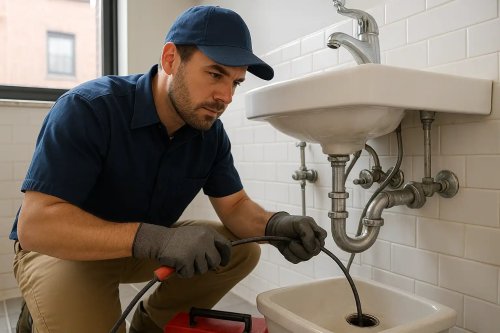
Why Is Your Brooklyn Basement Drain Backing Up? Fixes
Discovered standing water in your Brooklyn basement? Learn why sewer drains back up, early warning signs, safe DIY steps, and when to call a pro.

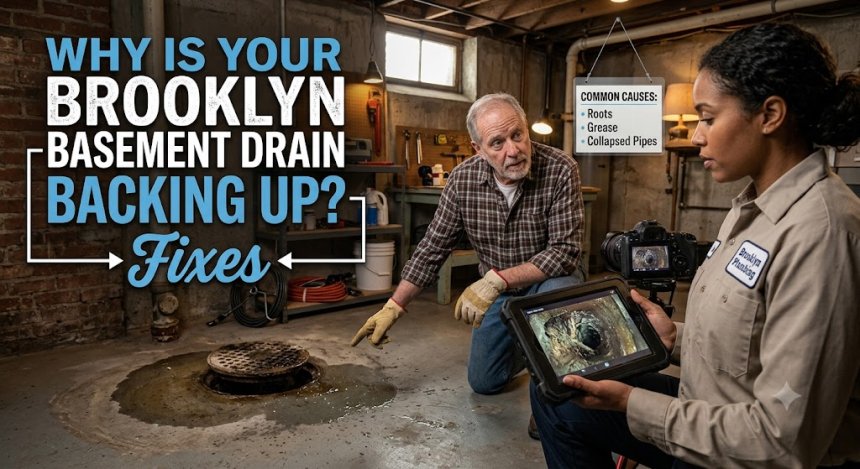
Why Is My Brooklyn Basement Drain Backing Up?
Finding standing, foul-smelling water pooling around your basement floor drain is enough to send any property owner into a panic. Whether you live in a historic Bedford-Stuyvesant brownstone, a multi-family unit in Sunset Park, or run a commercial space in Williamsburg, a backing-up basement drain is a major headache.
This issue frequently strikes Brooklyn properties due to a combination of aging municipal infrastructure, historic architecture, dense living conditions, and unpredictable coastal weather. Understanding what causes these backups, how to catch the warning signs early, and what to do when disaster strikes can save you thousands of dollars in water damage repairs.
+-----------------------------------------------------------------------+
|                       TYPICAL MAIN DRAIN LINE LAYOUT                   |
+-----------------------------------------------------------------------+
|                                                                       |
|   Upper Floors            Basement Level               Street Level   |
|  +------------+        +------------------+         +---------------+ |
|  | Fixtures   |        | Floor Drain      |         | NYC Combined  | |
|  | Sinks/Tubs |        | (Lowest Point)   |         | Main Sewer    | |
|  +-----+------+        +--------+---------+         +-------+-------+ |
|        |                        |                           ^         |
|        |    Waste Water         v                           |         |
|        +-------------------> ( Blockage ) ------------------+         |
|                              Backs up into                            |
|                              lowest drain!                            |
|                                                                       |
+-----------------------------------------------------------------------+
What Is a Basement Drain Backup?
A basement drain backup occurs when wastewater from your sinks, showers, toilets, or the municipal sewer system cannot flow outward through your main sewer lateral pipe. Because your basement floor drain sits at the lowest physical point in your home’s entire plumbing network, gravity forces any trapped water back up through this opening first.
Common Scenarios
-
The Multi-Fixture Backup: You flush a second-floor toilet, and water gurgles up into your basement floor drain.
-
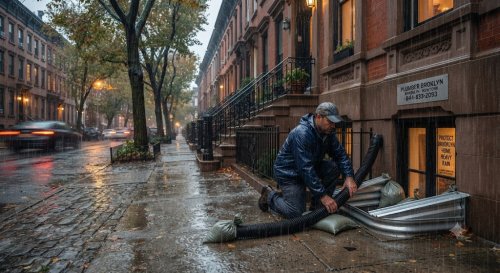
The Rainstorm Surge: A heavy downpour hits Brooklyn, overloading the city's combined sewer system, pushing wastewater backward into residential basements.
-
The Isolated Laundry Spill: Running your washing machine causes greywater to overflow from the floor drain nearby.
Key Symptoms
-
Dark, murky water or raw sewage collecting around the basement floor grate.
-
Persistent, swampy, or rotten-egg odors coming from the floor drain.
-
Sinking or gurgling sounds from lower-level fixtures when upper-floor plumbing is used.
Why Does This Plumbing Problem Happen?
Basement drain backups rarely happen without a reason. The structural realities of Brooklyn properties create specific vulnerabilities:
+-----------------------------------------------------------------------+
|                         PRIMARY CAUSES OF BACKUPS                     |
+-----------------------------------------------------------------------+
|  [ Tree Root Intrusion ] ---> Cracks pipes, catches debris           |
|  [ Grease & FOG Accumulation ] -> Hardens inside cool underground pipes|
|  [ Aging Cast Iron ] -------> Scales interior, reduces pipe diameter  |
|  [ City Sewer Surges ] ------> Overwhelms combined storm/sewer lines  |
|  [ Collapsed Clay Pipes ] ---> Structural failure under heavy loads   |
+-----------------------------------------------------------------------+
Aging Infrastructure and Corroded Pipes
A large percentage of Brooklyn homes feature original cast iron or vitrified clay sewer pipes installed decades ago. Over time, cast iron corrodes internally, creating a rough surface ("tuberculation") that snags toilet paper, hair, and solid waste until a complete blockage forms.
Tree Root Intrusion
The root systems of mature trees lining Brooklyn sidewalks—such as oak, maple, and London plane trees—are constantly searching for moisture. They can infiltrate tiny hairline cracks or loose joints in clay sewer lateral pipes. Once inside, roots grow rapidly, acting like a net that catches incoming waste.
Grease, Oil, and Fat (FOG)
Cooking grease poured down kitchen sinks might seem liquid initially, but as it travels down into underground pipes, it cools and hardens into thick deposits. Over months and years, this grease layer narrows the pipe's internal diameter.
NYC Combined Sewer Overflows (CSO)
Many neighborhoods across Brooklyn rely on combined sewer systems where rainwater runoff and domestic sewage share the same underground main lines. During intense heavy rainstorms, these street mains fill to capacity, causing pressure to build and force water backward into private home lateral lines.
Flushing Non-Flushable Items
Flushing paper towels, baby wipes, feminine hygiene products, or shop rags is a recipe for a main drain line clog. Even products labeled as "flushable" do not break down rapidly enough for aged lateral lines.
Signs You Should Never Ignore
Catching a sewer or drain issue before standing water covers your basement floor can save you stress and money. Watch out for these early warnings:
-
Slow Draining Across Multiple Fixtures: If your kitchen sink, bathroom tub, and basement sink are all draining slowly, the problem isn't localized to a single trap—it's in the main line.
-
Gurgling Toilets and Drains: Strange bubbling or air-gasping sounds coming from the toilet or shower drain indicate trapped air caused by a downstream restriction.
-
Water Rising in Tubs When Flushing: If flushing a toilet causes water to back up into your shower basin or basement floor drain, your main lateral pipe is severely restricted.
-
Unexplained Sewage Odors: Foul smells coming from lower-level drains mean sewer gases are bypassing dry traps or pushing past a blockage.
-
Unusual Dampness Around the Basement Slab: Moisture or efflorescence (white powdery mineral deposits) along basement floor cracks often points to water leaking from a damaged line beneath the slab.
Common Plumbing Problems Related to This Issue
A backing-up basement drain is frequently connected to broader home plumbing systems. Related issues include:
-
Main Sewer Line Clogs: A total blockage in the main lateral line connecting your building to the municipal sewer under the street.
-
Sump Pump Failures: If your basement relies on a sump pump to remove groundwater or laundry discharge, a mechanical failure or dead battery will cause immediate flooding.
-
Backwater Valve Failures: Missing or worn backwater check valves allow municipal sewer surges to flow directly into your property during storms.
-
Foundation Water Intrusion: Subsurface leaks from cracked sewer pipes beneath the slab can weaken soil support, risking structural floor cracking.
Step-by-Step Professional Repair Process
When you call a professional plumber to handle a basement drain backup, here is the standard diagnostic and repair sequence:
+-----------------------------------------------------------------------+
|                      PROFESSIONAL REPAIR PROCESS                      |
+-----------------------------------------------------------------------+
|                                                                       |
|  [Step 1] Emergency Containment & Isolation                            |
|     |                                                                 |
|     v                                                                 |
|  [Step 2] HD Sewer Camera Video Inspection                            |
|     |                                                                 |
|     v                                                                 |
|  [Step 3] Mechanical Snaking / Hydro Jetting Clearing                 |
|     |                                                                 |
|     v                                                                 |
|  [Step 4] Line Verification & Post-Cleaning Camera Check               |
|     |                                                                 |
|     v                                                                 |
|  [Step 5] Permanent Repair / Trenchless Lining (If Damaged)           |
|                                                                       |
+-----------------------------------------------------------------------+
Step 1: Emergency Containment & Inspection Access
The plumber locates the main sewer cleanout fitting—usually situated near the front basement wall where the main pipe exits toward the street.
Step 2: High-Definition Sewer Camera Video Inspection
A waterproof, self-leveling video camera attached to a push-rod is inserted through the cleanout. This reveals the exact cause of the backup (roots, scale, grease, offset pipe joints, or a collapse) and pins down its precise depth and distance from the building.
Step 3: Clearing the Obstruction
-
Mechanical Drain Cable (Snaking): A heavy-duty steel cable equipped with specialized cutting blades cuts through tough root masses or stubborn blockages.
-
Hydro Jetting: For heavy grease, sludge, or severe pipe scale, high-pressure water streams (up to 4,000 PSI) scour the interior walls of the pipe clean.
Step 4: Line Verification
After clearing the blockage, the plumber runs the camera through a second time to ensure the pipe wall is structurally sound and water is flowing freely to the street main.
Step 5: Structural Repair or Replacement (If Necessary)
If the inspection shows broken, collapsed, or heavily belly-shaped (sagging) pipes, the technician will recommend targeted repairs—such as spot repairs, trenchless CIPP (Cured-In-Place Pipe) lining, or full lateral replacement.
Can You Fix It Yourself?
Dealing with raw sewage requires extreme caution due to health risks from bacteria, viruses, and parasites.
Safe Temporary Measures You Can Take
-
Stop All Water Usage: Immediately stop running sinks, dishwashers, washing machines, and toilets upstairs. Adding more water to the system will increase basement flooding.
-
Clear Nearby Belongings: Move boxes, furniture, and valuables away from the affected floor drain area. Wear rubber boots and heavy gloves.
-
Check the Cleanout (Caution Required): If you are comfortable, locate your cleanout cap, but do not force it open if the pipe is under pressure, as wastewater will spill out rapidly.
What You Should NEVER Do
-
Do Not Use Chemical Drain Cleaners: Pouring harsh caustic chemicals into a backed-up main line is ineffective against main-line clogs. It creates a pool of hazardous acid sitting in your pipe, creating an unsafe environment for plumbers who arrive to work on it.
-
Do Not Rent Industrial Snakes Without Experience: High-torque commercial drain machines can kink, whip around violently, and cause severe personal injury or break aged cast iron pipes if operated incorrectly.
Tools Professionals Use
To diagnose and clear main drain line backups accurately, licensed plumbers rely on specialized equipment:
| Equipment | Primary Purpose | Key Benefit |
| Sewer Video Inspection Cameras | Internal visual diagnostic of pipes | Pinpoints exact depth, location, and nature of blockage |
| Heavy-Duty Electric Drain Augers | Mechanical cutting of obstructions | Slices through dense tree roots and solid blockages |
| High-Pressure Hydro Jetters | Scouring pipe walls with water streams | Restores full pipe diameter by removing scale and grease |
| Sewer Pipe Locators | Electromagnetic tracking above ground | Marks exact digging locations on sidewalks or floors |
| In-Line Backwater Valves | One-way check valve installation | Prevents city sewer mains from surging back into the home |
How Long Does the Repair Usually Take?
The duration of a repair depends entirely on the root cause and severity of the main line issue:
-
Simple Cable Snaking / Root Removal: 1 to 2 hours.
-
Hydro Jetting & Video Inspection: 2 to 4 hours.
-
Excavated Spot Repair (Inside Basement or Street): 1 to 2 days (requires permits and digging).
-
Trenchless Pipe Lining (CIPP): 1 day (minimizes digging on driveway or sidewalk).
Cost Factors
Plumbing repair costs vary depending on the severity of the problem, accessibility, materials required, emergency service, property type, and local labor rates. Key elements affecting total cost include:
+-----------------------------------------------------------------------+
|                          PRIMARY COST DRIVERS                         |
+-----------------------------------------------------------------------+
|  [ Diagnostic Camera Fee ] --> Fixed rate for visual verification      |
|  [ Method Used ] ----------> Cable snaking vs. High-PSI Hydro jetting  |
|  [ Time of Call ] ----------> Standard business hours vs. Emergency  |
|  [ Accessibility ] --------> Easily accessible cleanout vs. Tight space|
|  [ Municipal Permits ] -----> NYC DOT/DEP permits if digging in street  |
+-----------------------------------------------------------------------+
-
Diagnostic & Camera Inspection Fees: Standard service calls to locate and inspect the blockage using video equipment.
-
Severity and Depth of Obstruction: Deep main-line blockages requiring specialized high-pressure hydro jetting cost more than basic cable snaking.
-
Emergency vs. Scheduled Service: Nighttime, weekend, or holiday response times carry premium labor rates.
-
Permitting and Excavation Requirements: If the sewer lateral has collapsed beneath a Brooklyn sidewalk, costs will include NYC Department of Transportation (DOT) opening permits, street restoration, and heavy equipment operation.
Hidden Truths Homeowners Should Know
Understanding these common industry realities can help you protect your home and avoid unnecessary expenses:
-
Small Backups Escalate Quickly: A minor trickle around a floor drain today can become a full-scale basement flood by tomorrow morning.
-
Chemical Drain Cleaners Cause Long-Term Damage: Harsh chemicals eat away at old cast iron, accelerating corrosion and leading to leaks under your basement slab.
-
Homeowners Insurance Doesn't Always Cover Sewer Backups: Standard home policies often exclude sewer and drain backups unless you explicitly add a "Sewer & Drain Backup Rider."
-
Tree Roots Always Return: Unless the pipe is physically repaired, lined, or the roots are chemically treated annually, tree roots will grow back into the line within months.
-
DIY Mistakes Cost More in the End: Snaking a pipe incorrectly can drop broken cable heads down your main drain, turning a simple clearing job into an expensive excavation project.
-
Neglecting Backwater Valves Risks City Surges: If your Brooklyn home sits in a low-elevation area, missing a backwater valve leaves you exposed to city main surcharges during heavy rainfall.
15 Common Mistakes Homeowners Make
-
Continuing to run water upstairs after noticing a basement floor backup.
-
Pouring liquid chemical drain openers into standing basement sewage.
-
Flushing "flushable" wipes, paper towels, or heavy paper down toilets.
-
Pouring hot cooking grease or fat down kitchen sinks.
-
Ignoring early warning signs like gurgling toilets or slow tub drains.
-
Hiring unlicensed contractors who lack sewer camera diagnostic tools.
-
Removing cleanout caps while the main sewer pipe is still pressurized.
-
Storing valuable electronics, papers, or clothing directly on the basement floor without pallets.
-
Failing to test or maintain basement sump pumps regularly.
-
Waiting for normal business hours when raw sewage is actively backing up.
-
Planting deep-rooting trees directly above the property's sewer lateral line.
-
Assuming landlord or municipal city insurance will pay for contents damaged by backups.
-
Over-tightening or stripping old plastic/brass cleanout plugs.
-
Using improperly sized drain auger cables that can twist or break inside cast iron.
-
Skipping annual preventive drain maintenance on older pre-war properties.
Preventive Maintenance Tips
Keep your Brooklyn basement dry and your main drain flowing freely with these simple, practical steps:
+-----------------------------------------------------------------------+
|                    SEASONAL DRAIN MAINTENANCE SCHEDULE                |
+-----------------------------------------------------------------------+
|                                                                       |
|   SPRING                   SUMMER                 AUTUMN / WINTER     |
|  +--------------------+   +-------------------+  +------------------+ |
|  | Inspect sump pump  |   | Schedule video    |  | Clear outdoor    | |
|  | check valves ahead |   | inspection before |  | catch basins &   | |
|  | of spring rain     |   | root peak season  |  | area drains      | |
|  +--------------------+   +-------------------+  +------------------+ |
|                                                                       |
+-----------------------------------------------------------------------+
-
Practice Wise Waste Disposal: Never pour fats, oils, or grease down any drain. Scrape plates into the trash bin.
-
Use Mesh Strainers: Install strainers over all shower and sink drains to catch hair and debris before it enters main lines.
-
Perform Monthly Sump Pump Tests: Pour a bucket of water into your sump basin to ensure the float switch activates and pumps water out properly.
-
Flush Floor Traps Regularly: Pour a bucket of clean water down basement floor drains once a month to keep the trap filled, preventing sewer gas leaks.
-
Schedule Annual Camera Inspections: For pre-war or root-prone properties, an annual video camera check catches minor restrictions early.
-
Install an Automatic Sewer Backwater Valve: Protect low-lying basement drains from city main surges by installing an inline check valve.
-
Protect Outdoor Area Drains: Clear leaves, trash, and street debris off basement entrance drains before heavy rainstorms.
When Should You Call an Emergency Plumber?
Some situations demand immediate attention from a licensed plumbing professional:
-
Active Sewage Flooding: Raw, black wastewater is flowing steadily out of your basement floor drain or lower-level fixtures.
-
Multiple Blocked Fixtures: Flushing a toilet causes wastewater to backup into showers, tubs, or sinks simultaneously.
-
Strong Gas or Chemical Odors: Strong sewer gas smells in living spaces pose health risks and require quick ventilation and diagnosis.
-
Backups During Heavy Rain: If rainstorm surges are forcing city sewer water into your basement, shut off power to low outlets if safe and call for emergency response.
People Also Ask
Why is sewage coming up through my basement floor drain?
Sewage backs up into the basement floor drain because it is the lowest point in your home’s plumbing network. When a blockage occurs in the main sewer lateral pipe or the city sewer surges, wastewater takes the path of least resistance back up into your home.
Can I pour Drano or bleach down a backing-up basement drain?
No. Chemical cleaners like Drano are dangerous when applied to major main-line blockages because they sit in the standing water, eating away at older cast-iron pipes without clearing the downstream obstruction.
Will a main drain blockage clear itself?
No. Main drain blockages caused by tree roots, grease buildup, or structural pipe failure worsen over time as more waste gets trapped behind the obstruction.
Voice Search Questions
-
Why is water coming out of my basement drain when I flush the toilet?
-
Who do I call for sewage backed up in my basement in Brooklyn?
-
How do I stop my main drain line from backing up?
-
How much does it cost to clear a main sewer line clog?