Troubleshooting Low Water Pressure in Brooklyn Buildings
Learn common causes of low water pressure in Brooklyn brownstones and multi-family buildings, from galvanized pipe corrosion to pressure regulator issues.
Understanding Low Water Pressure in Brooklyn Properties
Dealing with a weak trickle from your shower or struggling to fill a kitchen pot can be incredibly frustrating. In a bustling borough like Brooklyn, low water pressure is a common complaint among homeowners, tenants, and property managers. Whether you live in a historic brownstone in Park Slope or a multi-family walk-up in Bushwick, experiencing a sudden or gradual drop in water pressure usually points to a specific underlying issue within your private plumbing system or the municipal supply.
Over my years as a local plumber, I have seen how older Brooklyn architecture introduces unique plumbing challenges. Pinpointing the root cause requires a systematic approach, starting from the main water shut-off valve and working your way through the branch lines and fixtures.
Common Causes of Water Pressure Drops
Before jumping to conclusions, it helps to understand why water pressure fluctuates or drops entirely. Some issues are easily resolved, while others require professional pipe repair or valve adjustments.
1. Closed or Partially Closed Main Shut-Off Valves
If you recently had maintenance done, or if someone bumped into the main water valve in your basement, the valve might not be fully open. A partially closed gate valve or ball valve restricts the volume of water entering your home, resulting in low pressure across every fixture.
2. Corroded Galvanized Steel Pipes
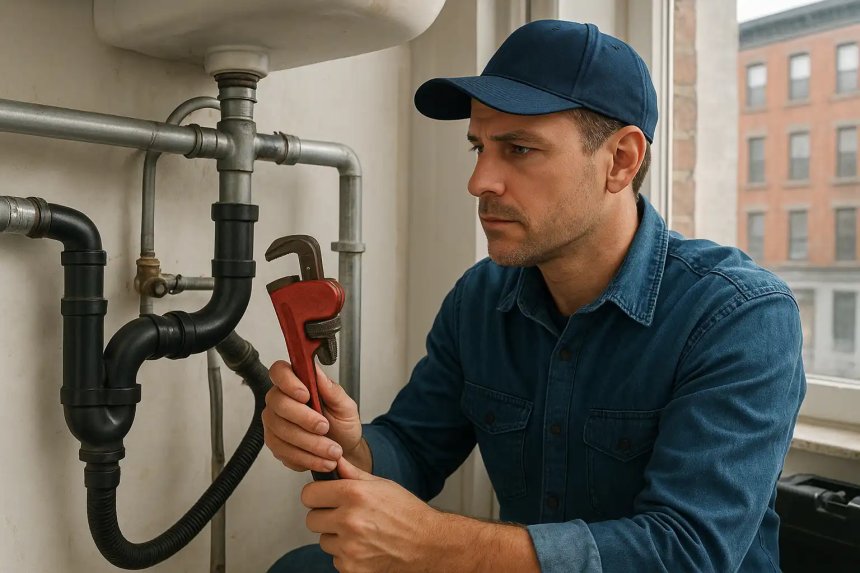
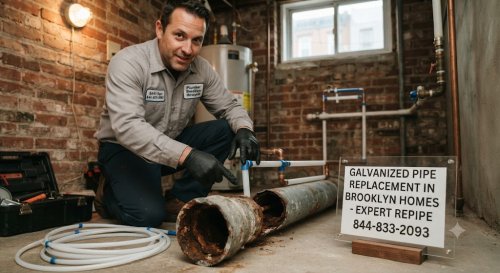
Many older homes and multi-story apartment buildings across Brooklyn still feature aging galvanized steel supply lines. Over decades of use, mineral buildup and internal rust severely narrow the interior diameter of the pipes. When water tries to push through these restricted channels, pressure drops significantly, especially when multiple taps are running at the same time.
3. Faulty Pressure Reducing Valve (PRV)
Municipal water mains often supply water at very high pressures to reach upper floors and multi-story buildings. To protect your indoor fixtures and appliances, a Pressure Reducing Valve is installed where the main line enters the property. When a PRV fails internally, it can become stuck in a restrictive position, choking off the water flow and dropping household pressure drastically.
4. Localized Clogs and Sediment Buildup
Sometimes the issue is isolated to a single room or fixture. Aerators on kitchen and bathroom faucets collect mineral deposits, calcium, and fine sediment over time. Similarly, showerheads can become clogged, blocking water flow and creating the illusion of a whole-house pressure problem.
Practical Troubleshooting Steps for Property Owners
If you notice a drop in water pressure, you can perform a few basic checks before calling a professional:
- Check with neighbors: Ask if nearby properties or apartments in your building are experiencing similar drops. If the municipal supply is affected by local street work or main repairs, the water department is usually responsible.
- Inspect your main valve: Locate your main water shut-off valve—usually found in the basement or utility area—and ensure the handle is turned completely parallel to the pipe, indicating the fully open position.
- Clean fixture aerators: Unscrew the aerator tip from your bathroom or kitchen faucets. Soak it in vinegar to dissolve mineral buildup, rinse it out, and screw it back on to see if flow improves.
- Test multiple fixtures: Turn on a cold water tap in the basement or lowest level, then check a top-floor bathroom. A massive difference between levels often indicates restricted piping or PRV failure.
When to Call a Professional Brooklyn Plumber
While cleaning an aerator is a straightforward DIY task, diagnosing whole-house pressure issues requires professional tools and experience. If your building suffers from chronically low pressure, uneven distribution between floors, or noisy pipes that bang when you open a tap, it is time to consult a licensed plumbing professional.
An experienced plumber can perform a pressure test using a gauge attached to an outdoor hose bib or laundry sink to accurately measure PSI levels. From there, they can determine whether your pressure regulator needs replacement, if your building requires a booster pump system for upper floors, or if outdated galvanized pipes need repiping with modern copper or PEX materials.
Maintaining Consistent Water Flow in Your Brooklyn Home
Proactive plumbing maintenance goes a long way in preventing sudden water pressure loss. Scheduling routine plumbing inspections helps catch mineral accumulation, failing valves, and aging pipe corrosion before they disrupt your daily routine. By keeping an eye on your home's water supply system and addressing minor flow restrictions early, you can protect your fixtures and ensure reliable water pressure throughout your property.