Troubleshooting Low Water Pressure in Older Brooklyn Apartments
Learn what causes low water pressure in older Brooklyn apartments and brownstones, from mineral buildup to aging galvanized pipes, and how a Brooklyn plumber can help.
Dealing with Weak Water Flow in Historic Brooklyn Properties
Residents living in older Brooklyn neighborhoods like Park Slope, Brooklyn Heights, or Bedford-Stuyvesant often experience a common plumbing frustration: weak water pressure. Turning on a shower or kitchen faucet only to be met with a sluggish trickle can turn simple daily routines into a headache. Because many residential buildings across Brooklyn date back several decades or even a century, their original plumbing infrastructure reacts differently to modern water demands than newer constructions do.
As an experienced Brooklyn plumber, I often get calls from property owners and tenants trying to figure out why their water flow dropped overnight or slowly dwindled over the years. Understanding the underlying mechanics of your building's plumbing system can help you determine whether the issue is a simple fixture fix or a sign that you need professional plumbing services in Brooklyn.
Common Culprits Behind Low Water Pressure
Low water pressure rarely happens without a cause. In older multi-family buildings and historic brownstones, several specific issues frequently restrict water flow:
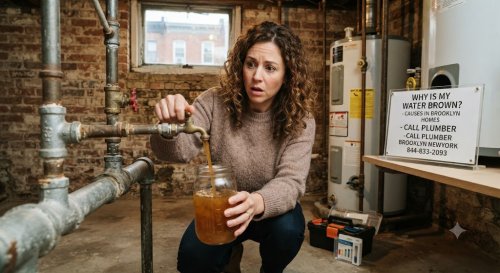
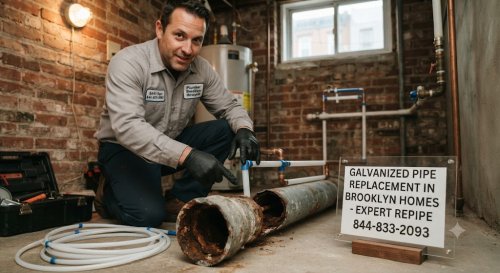
- Galvanized Steel Pipe Corrosion: Many older Brooklyn buildings were originally constructed with galvanized iron pipes. Over decades, mineral deposits and internal rust build up inside these pipes, gradually choking off the interior diameter until very little water can pass through.
- Clogged Aerators and Showerheads: Hard water minerals and sediment can accumulate inside faucet aerators and showerhead nozzles. This is one of the easiest issues to check and resolve before assuming the problem lies deep within the walls.
- Partially Closed Shut-Off Valves: If maintenance work was recently performed in your apartment or basement, a main water valve or individual supply valve might not have been fully reopened.
- Pressure Reducing Valve (PRV) Failure: Many buildings utilize a PRV to keep municipal water pressure at a safe, manageable level. When these valves fail or wear out, they can inadvertently restrict water flow throughout the property.
- Municipal Supply Fluctuations: Sometimes, public infrastructure work or high neighborhood demand during peak morning and evening hours can cause temporary pressure drops across specific blocks.
How to Diagnose the Source of the Problem
Before calling an emergency plumber in Brooklyn, you can perform a few simple diagnostic steps to narrow down the source of the issue:
- Check multiple fixtures: Turn on both the hot and cold water in your kitchen sink, bathroom sink, and shower. If only one faucet has low pressure, the issue is likely isolated to that specific aerator or supply line. If every fixture in the apartment is affected, the problem stems from a main supply line or building-wide issue.
- Inspect neighborhood context: Ask your neighbors if they are experiencing similar pressure drops. If the entire building or block is affected, it may point to a municipal issue or a main building shut-off valve problem.
- Inspect accessible piping: Look at any exposed water lines in your basement or utility room for signs of heavy corrosion, leaks, or moisture.
When to Call a Professional Brooklyn Plumber
While cleaning a faucet aerator is a straightforward DIY task, deeper plumbing problems require professional intervention. If your low water pressure is caused by internal pipe corrosion, failing pressure regulators, or hidden leaks, attempting a temporary fix can lead to a burst pipe or water damage. A licensed professional can safely inspect your system, check for hidden leaks, and recommend the appropriate pipe repair or replacement solutions tailored to your building's layout.
Frequently Asked Questions About Water Pressure in Brooklyn
Why is my water pressure suddenly lower than it was yesterday?
A sudden drop in water pressure usually points to a specific event, such as a partially closed main valve, a sudden pipe leak, or local municipal utility work happening on your street. If it happened instantly, check your apartment valves and ask building management if any repairs are underway.
Are older Brooklyn brownstones more prone to low water pressure?
Yes. Many older brownstones still contain aging galvanized steel supply lines. Over decades, internal rust and mineral scale accumulate inside these pipes, severely restricting the volume and pressure of water reaching upper floors.
Can a plumber increase the water pressure in my apartment?
A plumber can evaluate your pressure reducing valve, clear out localized blockages, or recommend repiping options if old, corroded pipes are restricting flow. However, adjustments must always remain within safe operational limits to protect your plumbing fixtures from excessive wear.