How to Protect Your Pipes During New York City's Winter Season
NYC winter can wreak havoc on your plumbing. Learn how to protect your pipes from freezing, spot warning signs, and prevent costly damage. Call 844 833 2093 for emergency service.
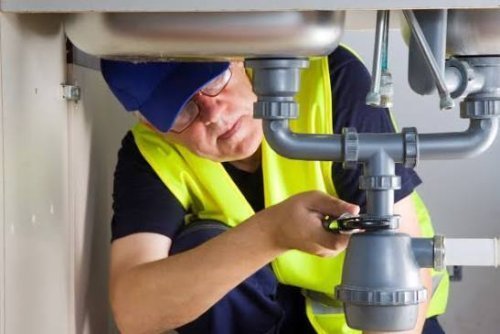
Why NYC Homes Are Especially Vulnerable
Brooklyn homes face unique winter plumbing risks that make pipe protection especially important :
-
Older housing stock: Many NYC homes date back to the early 1900s and feature original galvanized or copper pipes that are more susceptible to freezing .
-
Poor insulation: Most older buildings have inadequate insulation in basements, crawl spaces, and exterior walls .
-
Exposed pipes: Pipes often run along exterior brick walls or through unheated basements and garages .
-
Multi-family buildings: One unheated unit can affect the entire building's plumbing .
The experts at Petri Plumbing note that they receive nearly 30 calls per day when temperatures dip below freezing . Don't let your home become a statistic.
What Happens When Pipes Freeze?
Water expands when it freezes. Inside a confined pipe, this expansion creates immense pressure—enough to crack the pipe . When the ice thaws, water gushes through that crack. A burst pipe can release over 100 gallons of water in just eight hours , leading to:
Before Temperatures Drop: Essential Preparation
1. Insulate Exposed Pipes
Pipes in unheated areas—basements, attics, crawl spaces, garages, and along exterior walls—are the most vulnerable . Insulating them is one of the most effective prevention steps .
-
Use foam pipe sleeves or fiberglass insulation from a hardware store. These are inexpensive and easy to install .
-
Consider UL-approved electric heat tape for pipes that freeze frequently .
-
Ensure insulation fits snugly around the pipe for maximum protection .
2. Disconnect and Drain Outdoor Hoses
This is one of the simplest—and most overlooked—winter prep steps . Even a small amount of water trapped in a hose or spigot can freeze and cause damage to your indoor plumbing.
-
Remove every hose from every spigot before the first freeze .
-
Drain hoses by holding one end higher than the other, then store them indoors .
-
If your home has an interior shut-off valve for outdoor faucets, close it and drain the line .
-
Install inexpensive foam faucet covers for extra freeze protection .
Pro Tip: "Even a hose left connected for one cold night can freeze solid and crack your spigot. Fixing a broken outdoor faucet hidden inside a wall is far more expensive than five minutes of prep" .
3. Seal Cracks and Air Leaks
Cold air sneaks in through gaps around doors, windows, and foundation openings .
4. Locate Your Main Water Shut-Off Valve
In an emergency, shutting off your water quickly can prevent catastrophic damage . Make sure everyone in your household knows where the main valve is and how to operate it .
5. Schedule a Professional Plumbing Inspection
A professional inspection before winter can identify vulnerable pipes, weak insulation, or early signs of trouble . A licensed plumber can:
Winter Pipe Protection: What to Do When It's Cold
1. Let Faucets Drip
On extremely cold nights, allow a small trickle of water to run from faucets connected to exposed or exterior-facing pipes . Moving water is harder to freeze, and the drip relieves pressure if ice does form .
2. Open Cabinet Doors
Open cabinet doors under sinks to allow warm air from your home to circulate around the pipes . If you have children or pets, move cleaning supplies to a safe location first .
3. Maintain Consistent Indoor Temperature
Avoid turning the heat down too low at night or when leaving town . Experts recommend keeping your thermostat at 65°F or above, even when you're away .
4. Keep Garage Doors Closed
Open garage doors allow freezing air to rush in, putting nearby pipes at risk. Keeping them closed maintains warmer temperatures around plumbing .
How to Tell If Your Pipes Are Frozen
Frozen pipes don't always burst immediately. Watch for these warning signs :
-
No water coming from faucets, or only a slow trickle
-
Frost or condensation on exposed pipes
-
Unusual smells coming from drains
-
Pipes feel extremely cold to the touch
If only one fixture is affected, the freeze is likely localized. If multiple fixtures stop working, the issue may be deeper in the plumbing system .
What to Do If Your Pipes Freeze
Act quickly—but carefully. Frozen pipes can turn into burst pipes in hours .
Step 1: Shut Off the Main Water Supply
Before attempting to thaw anything, locate and shut off your main water valve . This prevents flooding if a crack has already formed .
Step 2: Open the Affected Faucet
Turn on the faucet connected to the frozen pipe. This reduces pressure inside the pipe, allows melting water to escape, and lowers the risk of bursting .
Step 3: Safely Thaw the Frozen Pipe
Use safe, controlled heat only :
-
Hair dryer (most common and safe method)
-
Heating pad wrapped around the pipe
-
Warm towels soaked in hot water
-
Portable space heater placed at a safe distance
Start thawing near the faucet and work slowly toward the frozen area .
⚠️ NEVER Use Open Flames
Do not use blowtorches, propane heaters, or grills to thaw pipes. This is not only a fire hazard but could also cause a steam explosion .
Step 4: Check for Leaks After Thawing
Once water flow returns, inspect the pipe closely for cracks, bulging, or dripping . Check nearby walls, ceilings, and floors. Even small cracks can turn into major leaks later. If you notice damage, shut the water back off and call a professional immediately .
What to Do If a Pipe Bursts
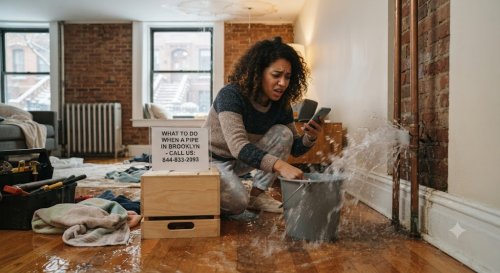
If the worst happens and a pipe bursts :
-
Shut off the main water valve immediately
-
Turn off electricity in affected areas if water is near outlets
-
Open faucets to drain remaining water
-
Call an emergency plumber right away
Who Is Responsible for Frozen Pipes?
Homeowners are responsible for protecting their pipes and water meters from freezing . NYC DEP will repair or replace a frozen meter but will bill the homeowner if it wasn't properly protected . If a service line or pipe freezes and breaks, repairs are entirely the homeowner's responsibility .
Insurance note: Most homeowners' policies cover water damage from a "sudden and accidental" plumbing system burst . However, damage may not be covered if your insurance company determines you neglected your plumbing system .
Frequently Asked Questions
Q1: At what temperature should I let my faucets drip?
Let faucets drip when outdoor temperatures drop below 20°F . Focus on faucets connected to exterior-facing walls or unheated spaces. Moving water is harder to freeze, and the drip relieves pressure if ice forms .
Q2: How cold does it need to be for pipes to freeze?
Pipes can freeze when temperatures drop below 32°F, but the risk increases significantly at 20°F and below. Older homes with poor insulation can see pipes freeze at higher temperatures .
Q3: What's the best way to thaw a frozen pipe?
Use a hair dryer, heating pad, warm towels, or a portable space heater at a safe distance. Start near the faucet and work toward the frozen area. Never use open flames or blowtorches—they're fire hazards and can cause steam explosions .
Q4: Why are NYC homes so vulnerable to frozen pipes?
Most NYC homes are old with poor insulation, pipes often run along exterior walls or through unheated basements, and multi-family buildings mean one unheated unit can affect others . These factors make Brooklyn homes especially susceptible .
Q5: What's the best way to prevent frozen pipes?
Insulate exposed pipes, disconnect and drain outdoor hoses, seal gaps and cracks, keep your thermostat at 65°F or above, let faucets drip on extremely cold nights, and open cabinet doors under sinks .
Q6: Should I turn off my heat when leaving town in winter?
No—keep your thermostat set to at least 65°F, even when you're away . A frozen pipe can burst in just a few hours, and the resulting water damage can cost thousands .
Q7: Will homeowner's insurance cover burst pipes?
Most policies cover water damage from a "sudden and accidental" plumbing burst . However, coverage may be denied if your insurance company determines you neglected your plumbing system, such as by turning off your heat while away .
Q8: How can I tell if my pipes are frozen?
Signs include no water or a slow trickle from faucets, frost or condensation on exposed pipes, unusual smells from drains, and multiple fixtures affected .
Q9: Should I use chemical drain cleaners on frozen pipes?
No—chemical drain cleaners are not designed for frozen pipes and can damage older plumbing. They may also create hazardous fumes in confined spaces. Use safe heat methods or call a plumber .
Q10: How often should I have my pipes inspected?
Schedule a professional plumbing inspection annually, ideally in the fall before winter arrives . This can identify vulnerable pipes, weak insulation, and early signs of trouble before freezing temperatures cause problems .
Get Professional Winter Plumbing Protection in Brooklyn, NYC
At Plumber in Brooklyn New York City, we understand the unique challenges NYC winters present. Our licensed plumbers provide comprehensive winter plumbing services, from pipe insulation and professional inspections to emergency frozen pipe repairs.
Why Choose Us?
-
Licensed & Insured—Fully compliant with NYC codes
-
24/7 Emergency Service—Available around the clock
-
Upfront Pricing—No hidden fees or surprise charges
-
Experienced Team—Decades of experience with Brooklyn's unique housing stock
-
Winter Emergency Experts—We know how to handle frozen pipes quickly and safely