What Should Be in a Brooklyn Plumbing Estimate
Getting a quote for plumbing work in Brooklyn? Learn what key line items, permits, scope details, and legal protection a professional quote must include.
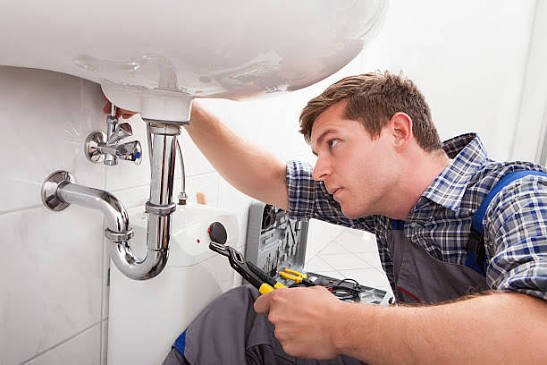
What Should Be Included in a Professional Plumbing Estimate in Brooklyn?
Hiring a plumber in New York City can feel overwhelming, especially when dealing with complex row house layouts, historic pre-war pipe infrastructure, or strict co-op and condo board renovation rules. Whether you are managing an unexpected main sewer line backup in a Bushwick garden apartment, replacing a 20-year-old steam boiler in a Crown Heights brownstone, or remodeling a master bathroom in Brooklyn Heights, the single most important document standing between a smooth project and a costly nightmare is a formal, written estimate.
Unfortunately, many property owners receive vague, single-page quotes with handwritten lump sums like "Fix bathroom pipes - $3,500."
When a quote lacks detail, homeowners risk hidden fees, unexpected change orders, unpermitted work that fails New York City Department of Buildings (DOB) inspections, and substandard materials hidden behind brand-new tile.
To protect your home, your family, and your wallet, you need to understand What Should Be Included in a Professional Plumbing Estimate in Brooklyn? A legitimate, transparent estimate isn't just a price tag—it is a binding scope of work, a proof of compliance with local codes, and a legal agreement that holds your contractor accountable from start to finish.
What Is a Professional Plumbing Estimate in Brooklyn?
A professional plumbing estimate is an itemized, written proposal provided by a Master Plumber that outlines the exact scope of work, material specifications, labor costs, permit requirements, and project timeline before any tools touch your pipes.
In Kings County, where buildings often feature legacy lead supply mains, century-old cast-iron waste stacks, or complex steam radiator heating loops, a professional estimate serves as a technical blueprint. It translates complicated physical diagnostics into clear financial line items.
+-----------------------------------------------------------------------------------+
|                  VAGUE INFORMAL QUOTE vs. PROFESSIONAL BROOKLYN BID               |
+-----------------------------------------------------------------------------------+
|  INFORMAL QUOTE (High Risk)      | PROFESSIONAL ESTIMATE (Protected)              |
|  - Handwritten single total      | - Itemized breakdown (Labor, Materials, Permits) |
|  - No license or DOB info        | - Licensed Master Plumber # & Insurance info    |
|  - Unspecified pipe materials    | - Exact pipe brands & schedule specs (Type L)   |
|  - "Payment upfront" demand      | - Milestone payment schedule tied to testing    |
|  - No warranty terms mentioned   | - Written parts & labor warranty guarantees    |
+-----------------------------------------------------------------------------------+
Whether you are evaluating a simple fixture replacement or a major sewer main overhaul, a professional bid eliminates guesswork and establishes realistic expectations for both parties.
Why Do Unclear Plumbing Estimates and Cost Surprises Happen?
Understanding why disputes occur between property owners and plumbing contractors helps explain why detailed written bids are non-negotiable in Brooklyn.
+-----------------------------------------------------------------------------------+
|               WHY PLUMBING PROJECTS SUFFER COST OVERRUNS IN BROOKLYN              |
+-----------------------------------------------------------------------------------+
|  1. Concealed Building Conditions   | Hidden corroded risers inside plaster walls |
|  2. Omitted NYC DOB Permit Costs    | Failing to include Department of Building fees|
|  3. Vague Material Specifications    | Substituting thin DWV for heavy Schedule 40|
|  4. Undefined Site Restoration Scope | Leaving torn-up concrete or plaster for owner |
|  5. Lack of Upfront Diagnostic Depth | Guessing line issues without camera scopes    |
+-----------------------------------------------------------------------------------+
1. Concealed Building Conditions
Unlike modern suburban builds with open drywall, historic Brooklyn row houses feature thick plaster walls, sub-floor joist notches, and legacy framing. Unscrupulous or inexperienced contractors often issue cheap initial quotes, only to hit the owner with expensive "unexpected discovery" change orders the moment they open a wall and find corroded galvanized steel risers.
2. Omitted NYC Department of Buildings (DOB) Permits
Major plumbing work—such as re-piping, gas line modifications, sewer main replacements, or boiler installations—requires official filings with the NYC DOB. Unlicensed handymen frequently omit permit fees, inspection scheduling costs, and backflow preventer filings from initial bids to appear cheaper, leaving property owners facing steep city violation fines later on.
3. Vague Material Standards
If an estimate simply says "replace drain pipe," the installer might use thin-walled plastic PVC where heavy-duty Schedule 40 PVC or sound-dampening cast iron is required by NYC building codes. Specific pipe gauges, fitting types, and valve brands must be explicitly named.
4. Forgotten Site Restoration
Excavating a basement slab to replace a broken house trap or digging up a front stoop garden for a main line replacement leaves a massive mess. If the written quote doesn't specify who handles concrete pouring, pavers replacement, or plaster patching, the homeowner gets stuck paying secondary contractors thousands more.
The Master Checklist: 10 Essential Elements of a Professional Brooklyn Estimate
When reviewing a bid from a local contractor, use this itemized checklist to verify that every critical protection is clearly written out:
+-----------------------------------------------------------------------------------+
|                    THE 10-POINT BROOKLYN PLUMBING ESTIMATE CHECKLIST              |
+-----------------------------------------------------------------------------------+
|  [ ] 1. Contractor Identification & NYC Master Plumber License Number             |
|  [ ] 2. Detailed Scope of Work & Diagnostic Findings                              |
|  [ ] 3. Itemized Material Specifications (Brands, Pipe Schedules, Valves)        |
|  [ ] 4. Labor Cost Structure & Estimated Project Timelines                        |
|  [ ] 5. NYC DOB Permit Fees, Inspections & Sign-off Details                       |
|  [ ] 6. Site Protection, Concrete Removal & Restoration Responsibilities          |
|  [ ] 7. Clear Payment Milestones (No Heavy Upfront Cash Demands)                 |
|  [ ] 8. Explicit Warranty Terms for Parts and Workmanship                         |
|  [ ] 9. Proof of Insurance (General Liability & Workers' Compensation)            |
|  [ ] 10. Change Order Policy & Unforeseen Circumstance Protocols                 |
+-----------------------------------------------------------------------------------+
1. License & Business Verification
New York City law mandates that major plumbing work be performed or directly supervised by a Licensed Master Plumber (LMP). The estimate must display the company’s physical business address (not a P.O. Box), phone number, and official NYC LMP License Number.
2. Itemized Scope of Work
The proposal should clearly outline every task to be performed. Instead of "Fix sewer," it should state: "Perform HD camera scope, locate fracture under front cellar floor, saw-cut 8 feet of concrete slab, excavate 4 feet deep, remove damaged cast-iron house trap, install 4-inch Schedule 40 PVC trap with dual brass cleanout plugs, tie into existing street lateral, and conduct water flow test."
3. Exact Material Specifications
High-quality estimates spell out exact product lines. Look for specific callouts like:
-
Seamless Type L Copper Pipe for water supply risers (rather than thin Type M).
-
Class 52 Ductile Iron or Type K Copper for main water service lines.
-
1/4-Turn Brass Ball Valves instead of cheap gate valves.
-
Rheem, Burnham, or Navien with specific model numbers for water heaters and boilers.
4. Permitting and DOB Sign-offs
For major jobs, the estimate must clarify who applies for NYC DOB permits, schedules official progress inspections, and secures final sign-off certificates. If a gas line is involved, it should account for NYC DOB pressure testing and utility (Con Edison or National Grid) coordination.
5. Site Protection and Cleanup
Working in compact Brooklyn apartments requires floor protection, dust containment barriers, and trash removal. The estimate should explicitly state that demolition debris will be hauled away and that work areas will be swept clean daily.
Warning Signs and Red Flags in Plumbing Quotes
When comparing proposals from multiple contractors, watch out for these common warning signs:
-
No Written License Number: If a contractor refuses to provide their NYC Master Plumber license number, they cannot legally pull permits for your job.
-
Demanding 50%+ Cash Upfront: Legitimate companies charge reasonable deposit fees (typically 10% to 30% for standard residential work) to cover initial materials, with remaining balance tied to work milestones.
-
Refusal to Include a Camera Scope Video: On main drain jobs, an honest plumber provides video footage of the blockage or pipe collapse alongside their bid.
-
"Verbal Guarantees" Only: If a plumber says "Don't worry, I guarantee this for 5 years" but refuses to put that warranty in writing on the estimate sheet, the guarantee is meaningless.
-
Unusually Low Lump-Sum Bids: A bid that is 50% cheaper than two other estimates usually indicates that the contractor intends to use unlicensed labor, skip city permits, or add surprise change orders later.
Warning Signs That Require an Immediate Plumbing Estimate
Property owners should request a formal diagnostic inspection and estimate at the first sign of these serious system issues:
+-----------------------------------------------------------------------------------+
|                        WARNING SIGNS REQUIRING A FORMAL BID                       |
+-----------------------------------------------------------------------------------+
|  WATER DAMAGE     --> Ceiling rings, damp plaster, bubbling paint along chases    |
|  DRAIN BACKUPS    --> Sewage rising in garden-level showers or cellar floor drains|
|  PRESSURE DROPS   --> Top floor water volume dropping when lower fixtures run     |
|  UTILITY SPIKES   --> Unexplained surges on NYC DEP water meters or heating bills |
+-----------------------------------------------------------------------------------+
-
Sewer Line Surcharges in Cellars: Sewage or foul water backing up into garden-level shower pans or cellar floor drains signals a structural main line issue that requires a sewer scope and replacement estimate.
-
Persistent Upper-Floor Pressure Drops: Weak water flow on upper floors of multi-story brownstones indicates choked, corroded galvanized risers that require a full repiping proposal.
-
Spiking NYC DEP Water Bills: Unexplained increases in quarterly municipal water bills mean water is leaking underground between your main meter and the street line.
-
Repeated Radiator Knocking or Steam Leaks: Sputtering steam vents or banging boiler loops require a heating system audit and diagnostic estimate before winter peak months.
Common Plumbing Problems Related to Poor Initial Estimates
Skipping a detailed estimate often leads to recurring physical plumbing failures:
-
Undersized Supply Line Installations: Replacing main lines without calculating fixture unit requirements leads to poor water pressure across upper-story bathrooms.
-
Mismatched Metal Corrosion (Galvanic Action): Unlicensed work often joins copper supply lines directly to old galvanized iron pipes without dielectric unions, causing rapid corrosion and leaks within 24 months.
-
Improper Drain Pitch (Sewer Bellies): Drain lines installed without a proper 1/4-inch per foot slope develop low spots that collect grease, solids, and paper, causing continuous blockages.
-
Missing Backflow Preventers: Unpermitted boiler or irrigation work missing required backflow preventers allows contaminated water to siphon backward into your home's drinking supply.
Step-by-Step Professional Repair and Estimating Process
A reputable plumbing contractor follows a structured process from initial contact to final job sign-off:
+-----------------------------------------------------------------------------------+
|                THE PROFESSIONAL ESTIMATE & EXECUTION WORKFLOW                     |
+-----------------------------------------------------------------------------------+
|  STEP 1: On-Site Diagnostic Evaluation                                            |
|          Inspect fixtures, run pressure tests, or perform video camera scopes     |
|                                                                                    |
|  STEP 2: Detailed Estimate Generation                                             |
|          Itemize labor, materials, permit filings, and project milestones        |
|                                                                                    |
|  STEP 3: Proposal Review & Contract Signing                                       |
|          Walk the owner through scope terms, payment schedules, and warranties    |
|                                                                                    |
|  STEP 4: Permit Filing & Material Procurement                                     |
|          Submit plans to NYC DOB and order specified, code-compliant supplies    |
|                                                                                    |
|  STEP 5: Project Execution & Quality Testing                                      |
|          Perform repairs, conduct pressure tests, and manage DOB inspections      |
|                                                                                    |
|  STEP 6: Site Cleanup & Final Sign-Off Delivery                                   |
|          Remove debris, provide warranty documentation, and secure final sign-off |
+-----------------------------------------------------------------------------------+
Step 1: On-Site Diagnostic Inspection
The plumber inspects the problem area, performs necessary diagnostic testing (camera scopes, static pressure tests, or electronic leak detection), and identifies root causes rather than superficial symptoms.
Step 2: Itemized Proposal Creation
The plumber drafts a written estimate breaking down labor, specific pipe materials, equipment rentals (like hydro jetters or trenchless pullers), and city permit fees.
Step 3: Review and Authorization
The contractor walks the property owner through the proposal, clarifying scope boundaries, access requirements, and payment milestone terms before signing.
Step 4: Permit Filing & Material Preparation
If permits are required, the Master Plumber files plans with the NYC DOB and secures work authorization before scheduling excavation or wall demolition.
Step 5: Execution, Pressure Testing & Inspections
Work proceeds according to the written scope. Upon completion, lines undergo hydrostatic pressure testing and official city progress inspections where mandated.
Step 6: Cleanup, Warranties & Final Delivery
The site is cleaned, concrete or plaster is restored as specified, final payment is collected, and written warranty certificates and DOB sign-off letters are delivered to the owner.
Can You Fix It Yourself? (DIY vs. Professional Plumbing)
While minor maintenance can be handled by handy property owners, major plumbing repairs inside historic Brooklyn row houses require professional licensing.
Safe DIY Tasks for Property Owners
-
Replacing worn rubber washers, toilet flappers, or showerheads.
-
Clearing simple, localized sink clogs using a hand auger or plunger (avoid harsh chemical cleaners).
-
Insulating exposed cellar water lines before winter freezing snaps.
-
Shimming a surface-mounted steam radiator to improve condensate drainage pitch.
Tasks Requiring a Licensed Master Plumber
-
Modifying Gas Supply Piping: Working on gas lines without NYC Master Plumber authorization and DOB pressure testing is illegal and poses severe safety risks.
-
Replacing Underground Main Sewer or Water Services: Main line work requires street excavation permits, DOT sidewalk closures, heavy machinery, and DEP connections.
-
Installing Water Heaters or Boilers: Gas-fired heating equipment requires proper chimney venting, gas pressure calculations, and backflow preventer installations to comply with NYC building codes.
-
Altering Vertical Building Stacks: Opening main multi-story waste or supply risers in co-op or brownstone properties impacts building-wide drainage and structural framing.
Advanced Diagnostic Equipment Specified in Professional Estimates
Accurate estimates depend on advanced diagnostic tools that pinpoint problems without unnecessary wall demolition:
+-----------------------------------------------------------------------------------+
|                        DIAGNOSTIC EQUIPMENT IN ESTIMATES                          |
+-----------------------------------------------------------------------------------+
|  EQUIPMENT                   FUNCTION & BENEFIT                                   |
+-----------------------------------------------------------------------------------+
|  HD Sewer Camera & Sonde     Visualizes main line collapses; pinpoints exact depth|
|  Acoustic Leak Detector      Locates underground pressure leaks through concrete  |
|  Thermal Imaging Camera      Detects concealed hot water leaks behind historic wall |
|  Digital Pressure Gauge      Measures static/dynamic supply pressure precisely    |
+-----------------------------------------------------------------------------------+
How Long Does It Take to Receive a Professional Estimate?
The timeline for receiving a written estimate depends on project complexity:
-
Standard Service Repairs (1 to 2 Hours): Estimates for fixture installs, water heater swaps, or localized drain clearing are provided immediately after an on-site diagnostic visit.
-
Sewer Line or Main Water Service Replacement (24 Hours): Requires verifying city main locations, DOT street opening permits, and equipment access paths.
-
Full Brownstone Repiping or Multi-Family Renovation (2 to 5 Business Days): Involves detailed material take-offs, blueprint reviews, DOB filing calculations, and co-op/condo board requirement assessments.
Cost Factors Explained
Plumbing repair costs vary depending on the severity of the problem, accessibility, materials required, emergency service needs, property type, and local labor rates. Understanding these factors prevents surprise expenses:
+-----------------------------------------------------------------------------------+
|                        COST INFLUENCE MATRIX FOR BROOKLYN JOBS                    |
+-----------------------------------------------------------------------------------+
|  FACTOR                   IMPACT ON ESTIMATE TOTAL                                |
+-----------------------------------------------------------------------------------+
|  Diagnostic & Scope Fees  Deducted from repair total if proposal is accepted      |
|  Materials Specified      Type L Copper vs. PEX; Cast Iron vs. PVC                |
|  NYC DOB Permit Fees      Standard filing fees, inspection processing, backflow   |
|  Accessibility & Dig Depth Hand excavation around historic foundations vs. open   |
|  Emergency Service Hours  After-hours, weekend, or holiday response rates         |
+-----------------------------------------------------------------------------------+
-
Diagnostic & Camera Inspection Fees: Professional plumbers invest in high-end diagnostic tools. Many charge an upfront fee for detailed camera scoping or leak detection, which is often credited toward the total cost if you accept the repair proposal.
-
Material Grades: High-grade Type L copper and sound-dampening cast-iron pipe cost more upfront than thin plastic lines, but they offer superior durability and meet strict local fire codes.
-
Labor & Access Complexity: Working inside tight cellar spaces, excavating beneath front stoops, or carefully preserving historic plaster moldings requires extra labor hours compared to working in open new construction.
-
Permit & City Administrative Fees: Official NYC DOB filings, Department of Transportation (DOT) street opening permits, and DEP water meter fees are legitimate pass-through costs that protect property titles.
Hidden Truths Homeowners Should Know About Plumbing Estimates
-
The Lowest Estimate Is Often the Most Expensive: Unreasonably low bids frequently leave out necessary permits, site restoration, or quality materials, setting you up for expensive change orders midway through the job.
-
Unpermitted Plumbing Complicates Future Property Sales: When selling a Brooklyn home, title searches and buyer inspections routinely uncover unpermitted plumbing additions, forcing sellers to pay double for retroactive permits and corrections.
-
Written Warranties Exclude Pre-Existing Pipe Failures: A professional warranty covers the specific new pipes and fittings installed—it does not cover adjacent 80-year-old lines that fail later.
-
Co-op and Condo Boards Require Extra Insurance Limits: Renovating in multi-family buildings often requires contractors to carry $2 million to $5 million in general liability umbrella coverage, which should be reflected in the plumber's credential packet.
-
Camera Scopes Save Thousands on Sewer Repairs: Paying for a video scope upfront prevents paying for a full main sewer replacement when only a localized 3-foot section needs repair under the front garden.
-
Chemical Drain Cleaners Void Pipe Warranties: Plumbers will not honor warranties on new drain lines if damage is caused by harsh chemical acid cleaners poured down sinks.
-
"Lump Sum" Bids Hide Inferior Parts: Without an itemized material list, contractors can substitute cheaper thin-walled fittings without your knowledge.
-
Emergency After-Hours Rates Apply to Diagnostic Visits: Calling for an estimate at midnight on a holiday weekend will incur higher diagnostic fees than scheduling during standard business hours.
-
Annual Preventative Inspections Lower Total Ownership Costs: Investing in annual maintenance checks helps you budget for planned upgrades rather than paying premium rates for emergency replacements.
-
A Signed Estimate Is a Legally Binding Contract: Once both parties sign an estimate, terms cannot be changed without a written Change Order signed by both the owner and the plumber.
15 Common Mistakes Homeowners Make When Hiring a Plumber
-
Accepting Verbal Estimates: Relying on spoken promises without written documentation leaves you unprotected if disputes arise over costs or scope.
-
Skipping License Verification: Failing to check a contractor's NYC Master Plumber license on the DOB online portal risks hiring unvetted workers.
-
Comparing Bids Without Checking Material Specs: Choosing a cheaper bid that uses thin PEX plastic lines over a higher bid that uses heavy copper without realizing the difference in material quality.
-
Forgetting to Ask About Site Restoration: Assuming the plumber will repair excavated basement concrete or drywalled access holes without verifying it in the estimate.
-
Paying Full Cost Upfront in Cash: Handing over 100% of the project cost before work begins eliminates your leverage if the contractor delays or abandons the job.
-
Ignoring Co-op/Condo Alteration Agreements: Proceeding with plumbing work without submitting contractor estimates and insurance certificates to your building board for approval.
-
Failing to Verify Workers' Compensation Insurance: Hiring uninsured contractors exposes you to severe financial liability if a worker is injured on your property.
-
Not Requesting a Change Order in Writing: Agreeing to verbal add-ons during a job without establishing written prices first leads to unexpected final bills.
-
Ignoring Missing City Permits: Allowing contractors to skip DOB permits for major work leaves unresolved building violations attached to your property title.
-
Not Asking About Diagnostic Fee Credits: Forgetting to check if your initial inspection fee applies toward the final repair total.
-
Choosing Plumbers Based Solely on Speed: Prioritizing immediate availability over verified credentials and written estimates often leads to poor-quality work.
-
Failing to Keep Final Sign-off Documents: Losing DOB completion certificates, backflow preventer test forms, or written warranty sheets needed for future home sales.
-
Allowing Unlicensed Subcontractors on Site: Not confirming that all technicians working in your home are directly employed or supervised by the licensed Master Plumber.
-
Overlooking Trash Disposal Terms: Assuming the contractor will haul away heavy old cast-iron boilers or water heaters without checking the bid cleanup terms.
-
Waiting Until Total Pipe Collapse: Delaying inspections until an active emergency occurs forces you to accept emergency pricing instead of comparing planned bids.
15 Practical Maintenance Tips to Avoid Emergency Repairs
-
Know Your Main Water Shut-Off Location: Ensure every family member knows where the main cellar water valve is located and test it annually to make sure it turns smoothly.
-
Schedule Annual Sewer Camera Inspections: Scope your main drain line every spring to catch tree root intrusion before complete main line blockages occur.
-
Flush Water Heater Tanks Yearly: Drain accumulated sediment out of tank-style water heaters every 12 months to extend tank life and lower energy bills.
-
Check Water Pressure Regularly: Use a simple gauge to verify static home water pressure stays between 45 and 60 PSI to protect fixture valves.
-
Install Braided Stainless Appliance Lines: Replace rubber washing machine and dishwasher hoses with braided stainless steel lines every 5 years.
-
Service Heating Boilers Every Autumn: Have a licensed plumber inspect burner controls, low-water cutoffs, and relief valves before cold weather arrives.
-
Keep House Trap Cleanout Caps Accessible: Avoid tiling or building framing over cellar house traps so plumbers can access main drains quickly during emergencies.
-
Never Flush Wipes or Grease: Dispose of wipes, paper towels, and cooking grease in the trash to prevent severe main line fatberg blockages.
-
Insulate Pipes in Cold Cellar Draft Areas: Wrap water lines near drafty front cellar walls or under stoops with foam insulation sleeves before winter freezing snaps hit.
-
Inspect Steam Radiator Valves Annually: Look for seeping packing nuts or rusted air vents on steam radiators before turning on the heat each fall.
-
Test Sump Pumps Before Heavy Rain Seasons: Pour a bucket of water into cellar sump pits every autumn to confirm float switches and check valves operate properly.
-
Clean Sink P-Traps Periodically: Remove pop-up stoppers and clear hair and soap scum out of bathroom drain bends every six months.
-
Install Backwater Safety Valves: Protect low-lying cellar drains from street sewer surcharges by installing automatic backwater check valves.
-
Label All Supply Riser Shut-off Valves: Clear tags on individual upper-floor supply risers make it easy to isolate leaks without shutting off water to the entire building.
-
Request Written Estimates for All Planned Upgrades: Get itemized, written proposals for every planned renovation project to keep costs predictable.
When to Call an Emergency Plumber
While planned upgrades give you time to collect and compare estimates, certain emergency situations require immediate intervention to prevent property destruction:
-
Ruptured Main Water Service Lines: Water bursting through cellar floors or front foundation walls demands immediate main valve shut-off and emergency response.
-
Active Sewage Surging into Living Areas: Raw sewage backing up into garden-level apartments or cellar drains poses immediate health hazards and structural contamination.
-
Gas Line Odors Near Appliances: If you smell gas near boilers, water heaters, or stoves, evacuate the building immediately, call 911 or National Grid, and contact an emergency plumber once safe.
-
Complete Loss of Water Pressure Across the Property: A sudden total drop in water pressure usually points to a main street supply break or frozen service pipe.
Frequently Asked Questions
What is the difference between a plumbing estimate and a final bill?
An estimate is an upfront calculation of expected costs based on visible conditions and planned scope. A final bill matches the estimate unless unexpected conditions (such as concealed rotted pipes inside walls) required authorized, written Change Orders during the project.
Should I pay for a plumbing estimate in Brooklyn?
Routine estimates for standard replacements are often free or offered for a nominal dispatch fee. However, detailed diagnostic estimates that require specialized equipment—such as HD sewer camera scopes, electronic leak detection, or wall openings—involve a diagnostic fee, which reputable plumbers usually credit toward the repair cost if you accept the bid.
How do I check if a Brooklyn plumber is legally licensed?
You can verify a plumber's credentials on the official NYC Department of Buildings (DOB) online portal by searching the contractor's business name or Master Plumber License Number.
Are permit fees included in a standard plumbing estimate?
A professional estimate explicitly states whether NYC DOB permit fees, inspection scheduling, and administrative filings are included or listed as separate pass-through costs.
Can a plumber increase the price after providing a written estimate?
A plumber cannot increase the agreed price for the specified scope of work unless they encounter hidden, unforeseen structural issues. Any price adjustment must be documented and signed by the property owner using a formal Change Order before the additional work is performed.
What insurance certificates should a plumber attach to their proposal?
A licensed plumber must provide proof of General Liability Insurance, Disability Insurance, and Workers' Compensation Insurance naming the property owner (and co-op/condo board, if applicable) as additional insured.