Why Do Brooklyn Homes Have Low Water Pressure? Common Causes and Fixes
Struggling with a weak shower or slow-running faucets in your Brooklyn property? Discover the top reasons behind low water pressure in NYC brownstones and older homes—from corroded galvanized pipes and municipal main issues to clogged aerators—along with practical, expert fixes.

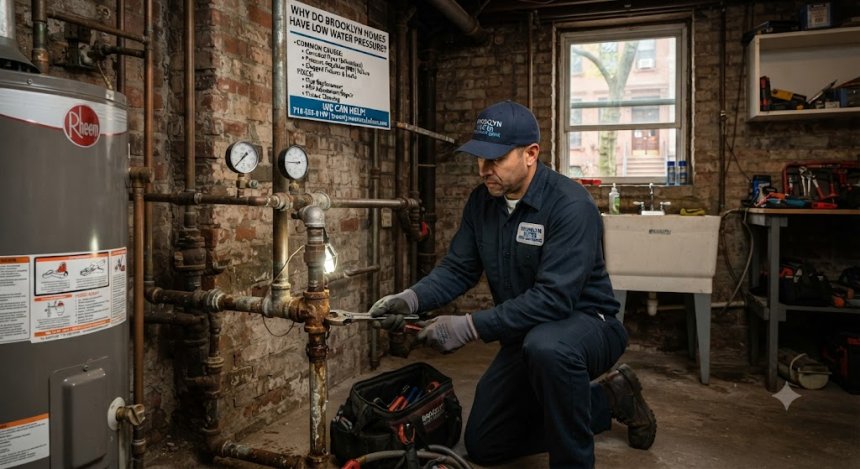
Why Do Brooklyn Homes Have Low Water Pressure? Common Causes and Fixes
Introduction
Nothing is more frustrating than stepping into the shower after a long day in New York City only to be greeted by a weak, dribbling stream of water. For property owners and residents across Brooklyn—from historic brownstones in Park Slope and Brooklyn Heights to modern apartment buildings in Williamsburg, Bushwick, and Flatbush—low water pressure is a surprisingly common headache.
In a densely populated borough with aging municipal infrastructure and diverse residential buildings throughout Kings County, weak water flow can stem from a variety of sources. Understanding why low water pressure happens, recognizing when a minor fixture needs cleaning versus when you are facing a deeper plumbing failure, and knowing what steps to take can protect your home from further damage. When you need expert help in Brooklyn or surrounding New York areas, reaching out to a professional team like Plumber Brooklyn New York at 844-833-2093 ensures your plumbing issues are diagnosed and resolved correctly.
What Is Low Water Pressure?
Low water pressure refers to a noticeable decrease in the force and volume of water flowing from your home’s taps, showerheads, and appliances.
Common Situations and Symptoms
-
Weak shower performance: Taking significantly longer to rinse shampoo out of your hair because the showerhead lacks power.
-
Slow-filling appliances: Washing machines and dishwashers taking twice as long to complete cycles due to restricted water intake.
-
Trickling faucets: Turning on a bathroom or kitchen sink and getting a sluggish stream instead of a steady flow.
Why Does This Plumbing Problem Happen?
Low water pressure rarely occurs without a physical or mechanical trigger. In Brooklyn, it is often caused by a combination of local infrastructure demands and aging private plumbing:
-
Aging and corroded pipes: Many historic Brooklyn brownstones feature decades-old galvanized steel pipes that accumulate internal mineral scaling, severely narrowing the pathway for water.
-
Partially closed main shut-off valves: If the main water valve controlling your home or apartment was left partially shut after maintenance, it restricts water volume.
-
Faulty pressure-reducing valves (PRVs): A failing PRV can become stuck, abruptly dropping the water pressure entering your home.
-
Municipal supply fluctuations: High-demand periods in dense neighborhoods can temporarily reduce municipal pressure supplied by New York City mains.
-
Mineral buildup (Hard water): Calcium and lime scale deposits accumulate inside faucet aerators and showerheads, choking water flow at the outlet.
-
Hidden pipe leaks: A cracked or leaking supply pipe behind walls or underground diverts water away from your fixtures, causing pressure drops.
Signs You Should Never Ignore
Catching pressure issues early prevents minor inconveniences from turning into major structural emergencies. Watch closely for these warning signs:
-
Sudden pressure drops: Going from strong water flow to a trickle overnight usually indicates a major pipe breach or valve failure.
-
Discolored or rusty water: Brown or red water flowing before pressure drops points to heavy internal pipe corrosion.
-
Unexplained high water bills: A steady jump in your utility bill while pressure drops often means water is escaping through a hidden leak.
-
Banging or vibrating pipes: Water hammer noises when turning off faucets can signal trapped air or failing pressure regulators.
-
Damp walls or mold growth: Moisture escaping from a compromised supply line behind drywall or under floors.
Common Plumbing Problems Related to This Issue
Unresolved water pressure problems are frequently linked to or trigger other complex plumbing challenges:
-
Pinholes and sudden bursts in aging, over-pressurized or heavily corroded pipes
-
Premature burnout of water heaters and appliances struggling with restricted water supply
-
Hidden slab and in-wall leaks rotting structural wooden framing
-
Persistent sediment accumulation blocking household valves and fixtures
Step-by-Step Professional Repair Process
When you call Plumber Brooklyn New York at 844-833-2093, our licensed local technicians follow a rigorous, methodical repair workflow:
-
Inspection: Reviewing home plumbing layouts and evaluating water meter activity to check for abnormalities.
-
Diagnosis: Using pressure testing gauges and acoustic equipment to isolate whether the issue is localized or whole-house.
-
Estimate: Providing a clear, upfront cost breakdown and explaining the most effective repair options.
-
Repair: Executing professional fixes, such as replacing faulty PRVs, clearing aerators, or repiping corroded sections.
-
Testing: Pressurizing the plumbing system to confirm optimal water flow is restored.
-
Cleanup: Restoring the work area to its original clean condition.
-
Maintenance Advice: Offering personalized recommendations to protect your plumbing infrastructure moving forward.
Can You Fix It Yourself?
Some minor causes of low water pressure can safely be handled by homeowners:
-
Safe DIY Solutions: Unscrewing and cleaning mineral-clogged faucet aerators or showerheads using vinegar soak solutions. Checking and fully opening the main water supply valve.
-
When DIY Becomes Dangerous: Attempting to adjust high-pressure regulators without gauges, opening up walls to replace corroded galvanized lines, or trying to fix municipal main supply problems on your own creates major safety hazards. Leave complex diagnostic work to licensed professionals.
Tools Professionals Use
Modern plumbing technology allows experts to resolve pressure issues with high precision and minimal destruction:
-
Pressure testing gauges: Attaches to hose bibs to measure exact PSI levels entering and inside the home.
-
Electronic leak detectors: Pinpoints hidden pipe leaks behind walls or underground that cause pressure loss.
-
In-line plumbing inspection cameras: Views the interior condition of water supply and drain lines.
-
Pipe locators: Radio transmitters that trace buried water lines beneath concrete or landscaping.
How Long Does the Repair Usually Take?
Repair timelines vary based on the nature and complexity of the problem:
-
Cleaning fixture aerators or adjusting valves: 30 minutes to 1 hour.
-
Replacing a faulty pressure-reducing valve (PRV): 1 to 2 hours.
-
Locating and repairing an in-wall supply leak: 2 to 5 hours.
-
Whole-house repiping of historic homes: 2 to 4 days, depending on building scale.
Cost Factors
Plumbing repair costs vary depending on the severity of the problem, accessibility, materials required, emergency service, property type, and local labor rates. Key factors include:
-
Diagnostic fees: Covering specialized pressure testing and leak detection.
-
Accessibility: Whether failing pipes are exposed in a basement or hidden behind historic lath-and-plaster walls.
-
Repair method: Simple valve replacement versus extensive repiping.
-
Emergency status: After-hours emergency dispatch requirements.
Hidden Truths Homeowners Should Know
-
Small pressure drops caused by internal corrosion will only worsen over time until pipes fail completely.
-
Cheap temporary fix inserts or liquid scale dissolvers rarely restore full water flow to severely corroded galvanized pipes.
-
Homeowners insurance rarely covers gradual damage caused by long-term, neglected plumbing wear and tear.
-
Delaying pressure regulator replacements can subject your household appliances to damaging pressure spikes.
-
Annual plumbing checkups and pressure checks save thousands of dollars over the lifetime of a Brooklyn property.
15 Common Mistakes Homeowners Make
-
Ignoring gradual pressure drops: Assuming low water flow is just a normal quirk of living in an older building.
-
Using harsh chemical drain cleaners for pressure issues: Mistakenly assuming a clog is causing low flow when scale is to blame.
-
Hiring unlicensed handymen: Risking substandard work and municipal code violations.
-
Skipping regular maintenance: Failing to inspect pressure regulators and main valves annually.
-
Waiting for a total pipe blowout: Ignoring banging pipes until they rupture.
-
Over-tightening plumbing fittings: Straining fragile pipe threads during DIY attempts.
-
Ignoring strange water discoloration: Disregarding rusty water before pressure fades.
-
Concealing damp wall spots: Painting over water damage without checking internal supply lines.
-
Failing to locate the main water shut-off: Wasting critical minutes during an active leak emergency.
-
Using mismatched pipe materials: Creating galvanic corrosion points between copper and iron pipes.
-
Not asking for upfront pricing: Getting surprised by hidden labor fees.
-
Neglecting water heater anode rods: Accelerating mineral scaling and tank corrosion.
-
Ignoring running toilets: Allowing constant water loss to drain household pressure.
-
Skipping permits for major repiping: Creating hurdles during future property sales.
-
Attempting DIY PRV adjustments: Miscalibrating pressure valves and damaging household appliances.
Maintenance Tips
-
Clean faucet aerators and showerheads twice a year to remove mineral scale buildup.
-
Test your home water pressure periodically with a standard screw-on gauge to ensure it stays below 80 PSI.
-
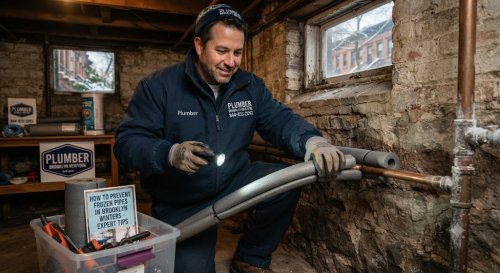
Insulate exposed water pipes in unheated basements and cellars against freezing winter temperatures.
-
Schedule annual plumbing inspections with Plumber Brooklyn New York.
-
Flush your water heater annually to clear out sediment accumulation.
-
Keep harsh chemical drain openers away from your plumbing system.
-
Know the exact location of your main water shut-off valve.
-
Monitor monthly utility bills for unexplained consumption spikes.
-
Address minor dripping faucets and running toilets immediately.
-
Protect outdoor hose bibs against winter freezing.
-
Keep main water valves fully open and unobstructed.
-
Consider installing a whole-house water filtration or softening system if you have hard water.
-
Check basement utility areas regularly for signs of moisture or weeping pipes.
-
Replace flexible braided sink supply lines every 5 to 7 years.
-
Save emergency contact numbers—like Plumber Brooklyn New York at 844-833-2093—in your phone.
When Should You Call an Emergency Plumber?
Call an emergency plumber immediately if you encounter:
-
A sudden, complete loss of water pressure accompanied by the sound of rushing water behind walls.
-
A burst supply pipe actively flooding your home.
-
Major water heater leaks pooling across utility room floors.
-
Sewage backing up into your living spaces alongside pressure drops.