What Plumbing Problems Should You Check Before Buying a Brooklyn Home
Buying a home in Brooklyn? Learn key plumbing red flags to check, from brownstone sewer lines to old lead pipes, before closing the deal.
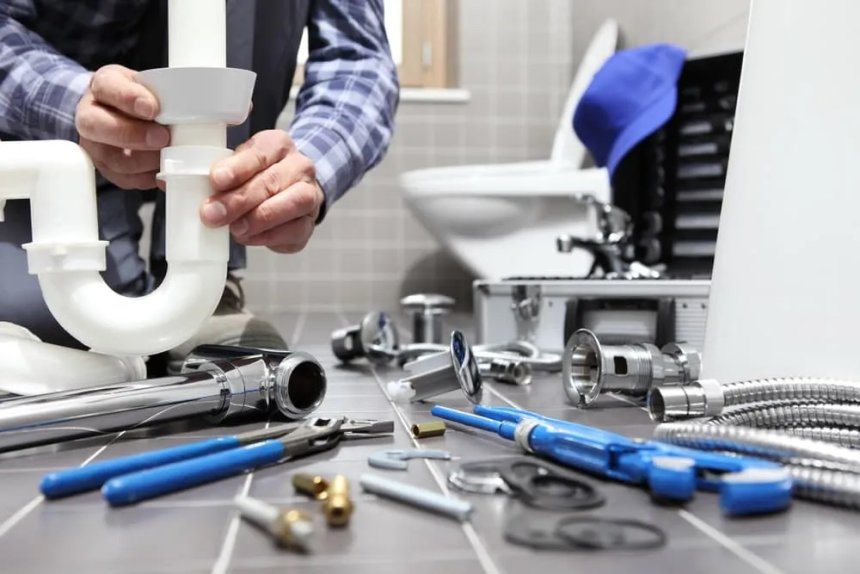
What Plumbing Problems Should You Check Before Buying a Brooklyn Home?
Buying a home in Brooklyn is an exciting milestone, but whether you are eyeing a classic 19th-century brownstone in Park Slope, a pre-war co-op in Brooklyn Heights, or a newly constructed condo in Williamsburg, the borough’s unique real estate landscape comes with a distinct set of plumbing challenges.What Plumbing Problems Should You Check Before Buying a Brooklyn Home
Unlike newer suburban developments, Brooklyn properties often feature multi-generational plumbing systems where century-old cast iron meets modern PVC. Beneath beautiful original hardwood floors and exposed brick walls, hidden plumbing defects can silently escalate into thousands of dollars in emergency repairs after you close.
Before signing a purchase contract or waiving inspection contingencies, knowing exactly what plumbing problems to look for—and when to bring in a licensed local professional—can save you from a costly nightmare.
What Is a Pre-Purchase Plumbing Check?
A pre-purchase plumbing check is a focused inspection of a property’s fresh water supply lines, drainage network, sewer lateral, and water heating systems before closing on a real estate transaction. While a standard home inspector evaluates a house generally, they rarely perform deep-dive plumbing diagnostics like sewer camera inspections or water pressure load testing.
+-----------------------------------------------------------------------+
|                 Key Areas of a Brooklyn Plumbing Check                |
+-----------------------------------------------------------------------+
|  1. Water Supply Lines      ---> Galvanized steel, lead, or copper    |
|  2. Main Sewer Lateral      ---> Cast iron, clay, tree root intrusion |
|  3. Water Heating Systems   ---> Boiler age, expansion tanks, leaks   |
|  4. Drainage & Venting      ---> Slow drains, improper venting, traps |
|  5. Fixtures & Shut-Offs    ---> Valve functionality, water pressure  |
+-----------------------------------------------------------------------+
In Brooklyn, a thorough plumbing evaluation looks beyond cosmetic fixture upgrades. It examines structural integrity, material longevity, compliance with New York City Plumbing Code, and whether the main sewer line running from the property to the municipal sewer beneath the street is still functioning safely.
Why Brooklyn Homes Have Unique Plumbing Issues
To understand Brooklyn plumbing, you must understand its architecture and urban history. Many residential structures in Brooklyn were built between the late 1800s and the mid-1900s. Over decades, these systems have been modified, expanded, and repaired by different owners with varying degrees of expertise.
1. Aging Cast Iron and Clay Pipes
Many historic Brooklyn properties still rely on original cast iron stack pipes inside the home and clay tile sewer pipe segments outside under the yard or sidewalk. Cast iron has a typical lifespan of 75 to 100 years. As it ages, it corrodes internally (tuberculation), building up rough rust scales that catch toilet paper and solid waste, eventually causing severe line collapse.
2. Lead and Galvanized Steel Supply Lines
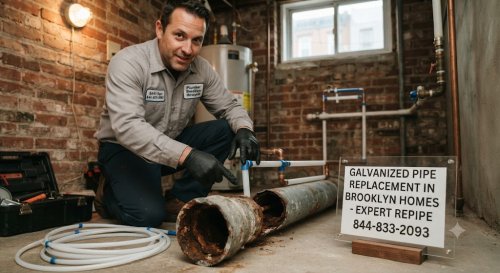
Homes constructed before the mid-20th century frequently used galvanized steel or lead service lines to connect to the NYC municipal water main. Galvanized pipes corrode internally over time, severely choking water flow and restricting pressure. Lead service lines present serious health concerns for prospective buyers and families.
3. Tree Root Intrusion in Tree-Lined Neighborhoods
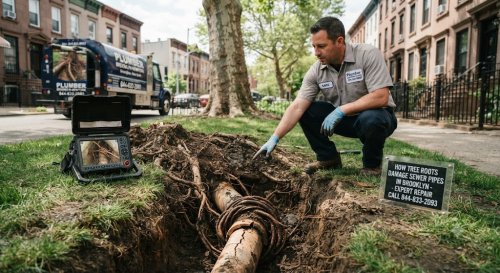
Neighborhoods like Brooklyn Heights, Crown Heights, and Ditmas Park are famous for their mature tree canopies. Tree roots grow relentlessly toward moisture, entering tiny hairline cracks or open joints in older clay sewer pipes. Once inside, roots act like a net, catching debris and snapping lines under street level.
4. Unpermitted "DIY" Modifications in Multi-Family Conversions
Over the past several decades, many single-family Brooklyn brownstones were split into multi-family units and later re-converted. During these quick renovations, unpermitted work often resulted in improper pipe sizing, missing vent stacks, illegal "S-traps" that pull water out of drain traps, and improperly pitched drain lines.
5. High Water Pressure from City Mains
Water pressure from the NYC main line often enters homes at elevated levels. Without a properly functioning Pressure Reducing Valve (PRV), constant pressure exceeding 80 PSI degrades seals, causes water hammer, damages modern appliances, and accelerates pipe fatigue.
Signs You Should Never Ignore During a Walkthrough
When walking through a prospective Brooklyn home, take time to look past fresh paint and modern kitchen staging. Keep an eye out for these visual and physical red flags:
-
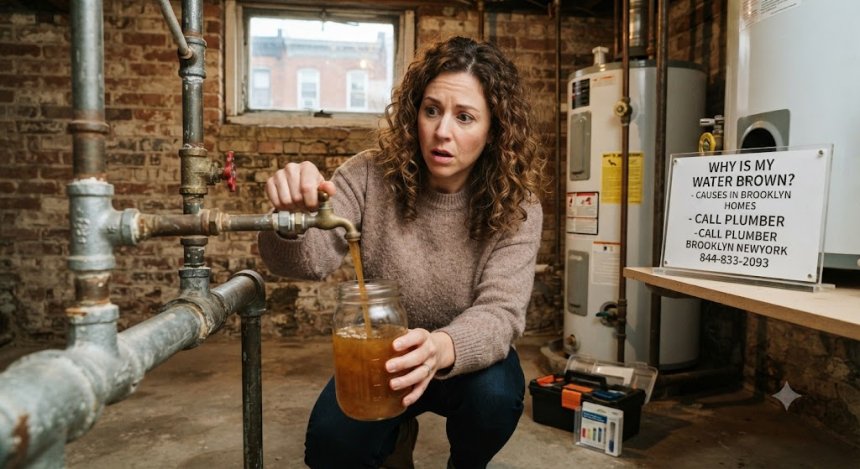
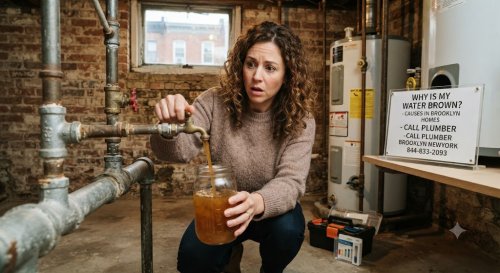
Discolored or Brown Water: Turn on faucets on the upper floors. Rust-colored water indicates deteriorating internal iron pipes or an aging hot water heater tank breaking down inside.
-
Low Water Pressure Across Multiple Fixtures: Turn on the shower and the bathroom sink simultaneously. A drastic drop in flow points to corroded galvanized lines, undersized piping, or severe scale buildup.
-
Musty Odors and Damp Basement Walls: Smells near foundation walls or cellars often signal hidden drain leaks, active seepage, or broken sewer lines under the slab.
-
Slow Drains and Gurgling Toilets: If water takes time to clear from sinks or toilets make a deep "gurgling" sound when draining, the waste stack or main sewer lateral is partially blocked or improperly vented.
-
Water Stains on Ceilings Beneath Bathrooms: Ring-like water stains or fresh drywall patches directly under upper-floor bathrooms suggest historical or active supply and waste line leaks.
-
Corrosion ("Verdigris") on Exposed Copper Pipes: Green, chalky buildup on copper pipe joints indicates slow pinhole leaks caused by aggressive water chemistry or poor soldering.
-
Rattling or Banging Pipes ("Water Hammer"): Sudden loud thuds when turning off a faucet mean the system lacks air chambers or shock arrestors, which places continuous mechanical stress on pipe joints.
Top Plumbing Problems to Check Before Buying in Brooklyn
Before making an offer or removing your inspection contingency, verify the status of these major plumbing components.
+--------------------------------------------------------------------------------+
|                        Major Plumbing Risk Assessment                          |
+--------------------------------------------------------------------------------+
| Problem Area            | Potential Cause                | Risk Level          |
+-------------------------+--------------------------------+---------------------+
| Main Sewer Line         | Tree roots, cast iron decay    | High ($5,000+)      |
| Lead Service Lines      | Historic city hookups          | High (Health/Cost)  |
| Galvanized Water Lines  | Internal mineral scaling       | Moderate to High    |
| Aging Boiler/Water Heater| Wear and tear (>10-15 yrs)    | Moderate            |
| Improper Venting        | Unpermitted DIY renovations    | Moderate            |
+--------------------------------------------------------------------------------+
1. Main Sewer Line Deterioration
In NYC, property owners are entirely responsible for the sewer service pipe that connects their building to the public sewer main in the middle of the street. Replacing a main sewer line under a Brooklyn sidewalk and street requires specialized city permits, DOT street openings, and significant labor. A main line collapse can cost anywhere from $5,000 to over $15,000 depending on depth, utility interference, and distance to the street main.
2. Lead Water Service Lines
Lead service lines pose a direct health hazard and impact property value. NYC offers resources to identify lead pipes, but buyers must verify if the line running from the water meter out to the city main is lead, galvanized steel, or updated copper.
3. Outdated Water Heating and Heating Systems
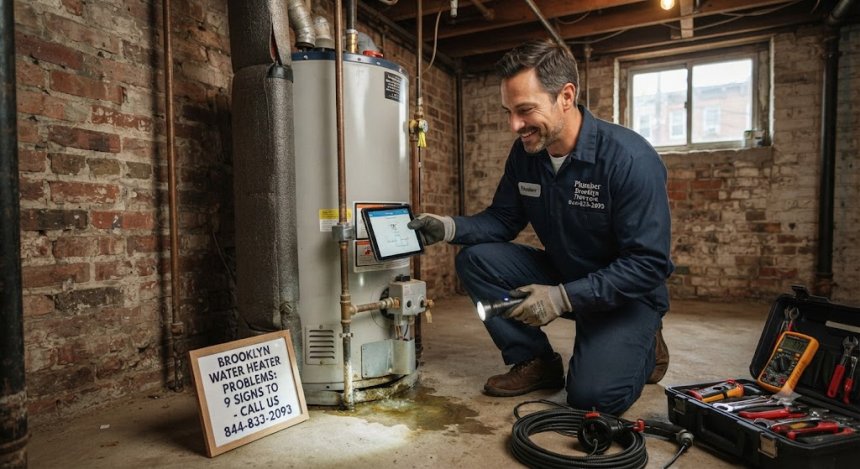
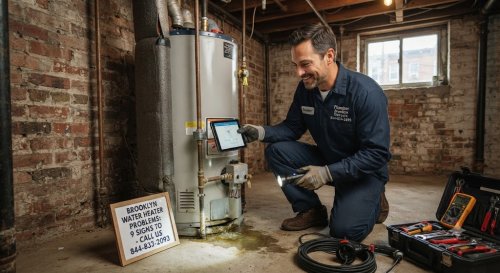
In many Brooklyn brownstones and pre-war buildings, hydronic boiler systems double as hot water providers or work alongside standalone water heaters. Check the age tag on the unit. Standard tank water heaters last 8 to 12 years, while residential boilers last 15 to 20 years with maintenance. A system near the end of its functional life should be factored directly into your negotiations.
4. Illegal S-Traps and Venting Flaws
Modern plumbing code requires every trap to have a vent ("P-trap") that releases sewer gas safely outside through the roof while equalizing air pressure. Unpermitted renovations often utilize improper "S-traps" or air admittance valves in places not allowed by code, allowing dangerous sewer gases to escape into living spaces.
Step-by-Step Professional Repair Process
When an inspection reveals a plumbing defect in a property you wish to buy, hiring a licensed plumber ensures problems are properly diagnosed before you sign contract papers. Here is how a licensed professional manages a comprehensive plumbing diagnostic:
+-------------------------------------------------------------------------+
|                  The Professional Plumbing Diagnostic                   |
+-------------------------------------------------------------------------+
| [Step 1: Visual Inspection] ---> Examine visible pipes, shut-offs, meters|
| [Step 2: Video Camera Scope] -> Run camera through sewer to street main |
| [Step 3: Hydrostatic Test] ----> Verify system pressure and integrity   |
| [Step 4: Diagnostic Estimate] -> Document findings with line-item costs |
| [Step 5: Seller Negotiation] -> Request repair credits or fix pre-closing|
+-------------------------------------------------------------------------+
-
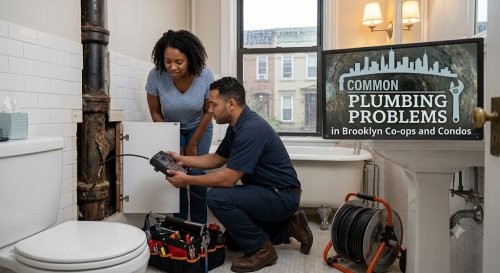
Visual & Mechanical Inspection: The plumber assesses all visible piping, water meters, shut-off valves, water heaters, and fixture connections from the cellar up to top-floor bathrooms.
-
Sewer Main Video Scope: A fiber-optic camera attached to a push-cable is inserted through the main sewer cleanout. The camera travels all the way to the city sewer main, capturing real-time high-definition video of cracks, offset joints, low spots ("bellies"), and root intrusions.
-
Pressure Testing: Using dual pressure gauges, the technician measures static line pressure and checks for pressure drop spikes that point to hidden underground or in-wall leaks.
-
Written Diagnostic Report & Estimate: The plumber documents existing code violations, material deficiencies, and repair or replacement costs.
-
Repair / Replacement Plan: Depending on negotiations, the work is performed either by the seller prior to closing or issued as a closing credit so you can execute repairs with your own trusted team post-closing.
Can You Fix It Yourself?
When touring a home, buyers often wonder if minor plumbing flaws can be tackled with a weekend DIY effort. Understanding the line between minor cosmetic fixes and dangerous DIY work is vital for your safety and budget.
What Homeowners Can Handle (Post-Purchase)
-
Replacing worn faucet aerators or showerheads to improve flow.
-
Swapping out old toilet flappers, fill valves, or cosmetic flush handles.
-
Installing surface-level sink strainers to prevent debris clogs.
-
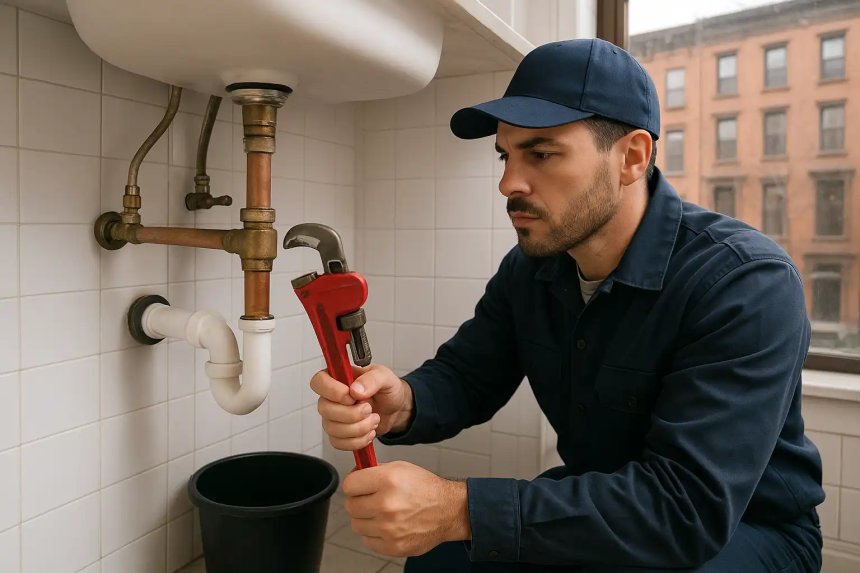
Cleaning out shallow sink P-traps with a bucket and basic hand tools.
What Should Always Be Left to Licensed Plumbers
-
Sewer Line Unclogging or Scoping: Using large commercial drain snakes without proper training can break brittle cast iron or get stuck inside tree root masses.
-
Gas Line or Boiler Adjustments: In NYC, gas work requires specific licensing and strict local utility sign-offs. Working on gas lines without qualifications poses grave safety hazards.
-
Main Water Shut-off Valve Repairs: If the main valve fails while under pressure, it can rapidly flood cellars and basements.
-
Re-piping Waste Stacks or Supply Lines: Improperly pitched drain pipes cause perpetual clogs, and improper soldering on copper lines creates concealed wall leaks.
Advanced Diagnostic Tools Professionals Use
Modern plumbing diagnostics eliminate guesswork. When scheduling a pre-purchase plumbing evaluation in Brooklyn, ensure your plumbing professional uses modern diagnostic tools:
+-------------------------------------------------------------------------+
|                      Professional Diagnostic Tools                      |
+-------------------------------------------------------------------------+
| Tool                        | Function / Primary Use                    |
+-----------------------------+-------------------------------------------+
| HD Sewer Camera             | Visualizes internal pipe conditions       |
| Sonde & Pipe Locator        | Pinpoints subterranean blockages          |
| Acoustic Leak Detectors     | Listens for underground high-pressure leaks|
| Thermal Imaging Cameras     | Detects hidden hot water leaks behind drywall|
| Hydro Jetters               | Clears stubborn roots and heavy grease    |
+-----------------------------+-------------------------------------------+
-
High-Definition Sewer Inspection Cameras: Flexible, self-leveling fiber-optic cameras equipped with digital foot counters show the precise depth and location of sewer line damage.
-
Radio-Sonde Pipe Locators: Transmitters attached to the camera head allow the plumber to mark the exact spot on the driveway, garden, or sidewalk where a sewer line is broken, eliminating unnecessary digging.
-
Acoustic & Ultrasonic Leak Detectors: High-sensitivity ground microphones listen for the specific sound frequencies emitted by pressurized water escaping underground or under concrete slabs.
-
Thermal Imaging Cameras: Infrared technology locates damp areas and hidden hot water leaks behind finished walls without removing drywall.
How Long Do Repairs Take?
Understanding repair timelines helps buyers plan move-in dates and coordinate with contractor schedules.
+-------------------------------------------------------------------------+
|                    Estimated Plumbing Repair Timelines                  |
+-------------------------------------------------------------------------+
| Repair Type                       | Estimated Duration                  |
+-----------------------------------+-------------------------------------+
| Minor Fixture / Valve Replacement | 1 to 3 Hours                        |
| Water Heater Replacement          | 3 to 6 Hours                        |
| Main Sewer Line Hydro Jetting     | 2 to 4 Hours                        |
| Complete Water Service Line Swap  | 1 to 2 Days                         |
| Full Home Repiping (Brownstone)   | 3 to 7 Days                         |
+-----------------------------------+-------------------------------------+
-
Simple Repairs (1–3 Hours): Replacing a main water shut-off valve, swapping a garbage disposal, or fixing a leaking supply angle stop.
-
Moderate Repairs (Half-Day): Replacing a standard water heater, hydro-jetting a main line, or repairing a damaged waste stack section.
-
Major Repairs (1–3 Days): Full water service line replacement from the street main to the house meter, or trenchless sewer line lining.
-
Comprehensive Overhauls (3–7 Days): Complete re-piping of supply and drain systems inside a multi-story Brooklyn brownstone.
Cost Factors for Plumbing Repairs
Plumbing repair costs vary depending on the severity of the problem, accessibility, materials required, emergency service, property type, and local labor rates.
Key cost drivers include:
-
Diagnostic & Equipment Fees: Specialized camera scoping or acoustic leak detection requires specialized equipment and technical training.
-
Accessibility: Pipes hidden behind historic plaster, embedded in basement concrete slabs, or running deep underneath city sidewalks require additional labor to expose and restore.
-
Permitting & City Approvals: Work involving public sidewalk excavation or main water hookups requires street opening permits from the NYC Department of Transportation (DOT) and filings with the Department of Buildings (DOB).
-
Material Selection: Modern L-grade copper and heavy-duty PVC cost more in raw materials than light-duty alternatives, but offer decades of extra service life.
-
Emergency Scheduling: Urgent repairs needed outside normal business hours or during holiday weekends carry higher labor rates.
Hidden Truths Homeowners Should Know
-
Standard Home Inspectors Rarely Check Sewer Lines: A traditional home inspector flushes toilets and runs faucets, but they do not run a camera down the main sewer line to the street.
-
Small Leaks Create Massive Structural Damage: A pinhole leak inside a plaster wall can rot joists, ruin historical ceiling moldings, and breed toxic mold long before water manifests on the surface.
-
Cheap Patch Repairs Fail Quickly: Wrapping a corroded cast iron pipe in rubber sleeves or epoxy putty is only a temporary band-aid that masks a imminent total line collapse.
-
Insurance Excludes Neglect and Normal Wear: Homeowners insurance policies typically cover sudden, accidental pipe bursts—not gradual decay, root intrusion, or pre-existing plumbing defects.
-
Hard Water and Micro-Corrosion Shorten Fixture Life: Mineral deposits steadily erode valve cartridges, reduce water pressure, and destroy tankless water heater heat exchangers prematurely.
-
DIY Mistakes Cause Water Damage: Over-tightening threaded brass or copper fittings fractures internal threads, leading to slow leaks inside walls.
-
Tree Roots Return Unless Pipes Are Sealed: Cable snaking or cutting roots out of an old pipe offers temporary relief; unless the pipe is lined or replaced, roots will re-enter within months.
-
Delaying Shut-Off Valve Upgrades Risks Flooding: Old gate-style main shut-off valves often freeze or fail to close completely during a plumbing emergency.
-
Unvented Drains Drain Slowly Regardless of Cleanliness: If a system lacks roof vents, wastewater moves sluggishly due to vacuum pressure, no matter how clean the pipes are.
-
Annual Preventive Plumbing Maintenance Pays for Itself: Routine camera checks and pressure monitoring catch minor defects before they transform into middle-of-the-night plumbing emergencies.
15 Common Mistakes Homeowners Make
-
Failing to Order a Dedicated Sewer Camera Scope Before Closing: Skipping a video inspection is the single most expensive mistake a Brooklyn homebuyer can make.
-
Relying on Chemical Drain Cleaners: Chemical drain openers rely on harsh caustics that generate heat, which warps PVC pipes and accelerates internal corrosion in old cast iron.
-
Ignoring Small Water Drops Under Sinks: Minor drips deteriorate cabinet bases, rot subfloors, and attract pests over time.
-
Flushing "Flushable" Wipes Down Toilets: Synthetic wipes do not break down like toilet paper. They snag on rough cast iron pipes, creating massive blockages.
-
Pouring Cooking Fats and Grease Down the Kitchen Sink: Liquid fat solidifies as it cools inside cold sewer lines, binding with hair and debris to form rock-hard "fatbergs."
-
Ignoring High Water Pressure Signals: Banging pipes and frequently leaking toilet fill valves signal dangerously high water pressure that stresses every joint in your home.
-
Hiring Unlicensed Contractors for Complex Plumbing: Unlicensed work can lead to code violations, property damage, denied insurance claims, and hazardous installations.
-
Skipping Regular Water Heater Flushing: Sediment accumulates at the bottom of water heater tanks, causing hot spots, noisy operation, reduced efficiency, and premature tank failure.
-
Leaving Hoses Connected During Winter Months: Trapped water inside garden hose bibs freezes, expands, and splits internal pipe walls behind the exterior foundation.
-
Over-Tightening Plumbing Connections: Applying excessive torque when replacing supply lines cracks plastic threads and warps rubber washers, inviting leaks.
-
Covering Up Moldy Drywall Without Fixing the Leak: Painting over water damage conceals active plumbing leaks while allowing rot and mold spores to spread behind walls.
-
Mixing Dissimilar Metals Without Dielectric Unions: Connecting copper directly to galvanized iron triggers galvanic corrosion, which rapidly destroys the steel pipe threads.
-
Waiting Until Total Pipe Failure to Upgrade Plumbing: Replacing pipes during a planned remodel is far less expensive than paying for emergency water extraction and structural repairs.
-
Disconnecting or Tampering With Expansion Tanks: Thermal expansion tanks absorb pressure spikes from heating water; removing them damages valves and heating equipment.
-
Assuming All Plumbers Charge the Same: Quotes that seem unnaturally cheap often reflect lack of licensing, missing insurance coverage, or hidden fees added later.
Practical Plumbing Maintenance Tips for Homeowners
To keep your home's plumbing operating efficiently year-round, follow these essential maintenance guidelines:
General & Preventive Maintenance
-
Test the Main Water Shut-Off Valve: Turn your main valve twice a year to ensure it operates smoothly in an emergency.
-
Install Mesh Drain Strainers: Keep hair, food scraps, and soap scum out of drain lines.
-
Inspect Appliance Hoses Annually: Replace rubber washing machine and dishwasher hoses with braided stainless steel lines every 5 years.
-
Check Toilet Tanks for Silent Leaks: Drop a few drops of food coloring into the toilet tank; if color appears in the bowl after 15 minutes without flushing, replace the flapper valve.
-
Keep Drains Clean with Baking Soda and Vinegar: Pour a cup of baking soda followed by hot vinegar down drains monthly to remove light organic buildup without harsh chemicals.
-
Clean Faucet Aerators: Unscrew and soak aerator screens in white vinegar every six months to clear mineral scale and maintain steady water flow.
-
Keep Cleanout Caps Accessible: Never cover sewer main cleanout access covers with permanent flooring or built-in cabinetry.
-
Monitor Water Meter Reading Changes: Check your meter when no water is running; if the low-flow indicator moves, you have a hidden leak.
-
Service Water Heaters Annually: Drain a bucket of water from the bottom valve annually to flush out accumulated sediment.
-
Insulate Exposed Pipes in Unheated Cellars: Wrap supply lines located in unheated crawlspaces or cellars with foam pipe insulation.
Seasonal Plumbing Maintenance
-
Fall Preparation: Disconnect, drain, and store all outdoor garden hoses before the first freeze. Shut off interior isolation valves leading to hose bibs and open exterior faucets to drain remaining water.
-
Winter Vigilance: Maintain thermostat settings at a minimum of 55°F (13°C), even when away traveling. Keep cabinet doors under exterior-wall sinks open during extreme cold snaps to allow ambient heat to circulate around pipes.
-
Spring Inspection: Inspect exterior hose bibs, gutters, downspouts, and basement sump pumps for winter damage or debris blockages.
-
Summer Load Checks: Check air conditioner condensate drain lines to ensure they discharge water freely without backing up into walls or cellars.
When Should You Call an Emergency Plumber?
Some plumbing situations cannot wait for normal business hours. Contact an emergency plumber immediately if you experience:
+-------------------------------------------------------------------------+
|                       Emergency Plumbing Scenarios                      |
+-------------------------------------------------------------------------+
| Urgent Hazard             | Immediate Action Needed                     |
+---------------------------+---------------------------------------------+
| Burst Main Water Pipe     | Shut off main valve immediately; call plumber|
| Sewage Backup in Drains   | Stop using all water fixtures; call plumber |
| Gas Line Odor (Rotten Egg)| Evacuate building immediately; call 911/utility|
| Major Active Water Leak   | Isolate fixture valve; contain water flow   |
+---------------------------+---------------------------------------------+
-
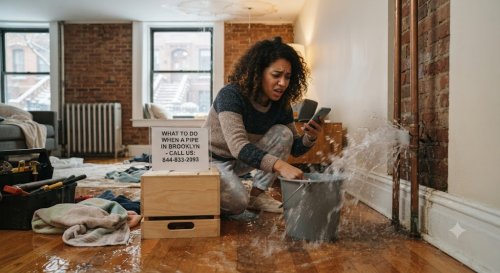
Burst or Ruptured Pipes: Uncontrolled water flow causes catastrophic structural ceiling, wall, and flooring damage within minutes.
-
Raw Sewage Backups: Sewage entering basement floor drains, tubs, or showers presents an immediate health risk that requires professional remediation.
-
Total Loss of Water Pressure or Water Supply: A complete loss of water across your property indicates a municipal break or frozen, collapsed service lines.
-
Active Gas Line Smells: If you detect a rotten-egg odor, evacuate the building immediately, call 911 and your gas utility provider from a safe distance, then contact a licensed gas-certified plumber.
-
Rapidly Overflowing Toilets: When shut-off valves under the toilet fail to operate during an overflow, immediate professional intervention is necessary to prevent structural flooding.
Frequently Asked Questions
Why is my water pressure suddenly low throughout the home?
A sudden drop in water pressure across all fixtures points to a municipal distribution issue, a failing pressure reducing valve (PRV), a partially closed main water shut-off valve, or a sudden burst leak along your water service line.
How much does a sewer camera inspection cost?
A professional sewer line camera inspection typically ranges between $250 and $600, depending on access point availability and pipe complexity. This small investment can prevent thousands of dollars in unexpected repairs post-closing.
Can a clogged drain cause structural pipe damage?
Yes. Severe clogs trap standing water inside pipes, creating elevated static pressure. Organic debris buildup produces corrosive gases that degrade cast iron and solder joints over time, accelerating pipe wall failure.
Is hydro-jetting safe for older Brooklyn cast iron pipes?
Hydro-jetting is safe when performed by an experienced plumber who adjusts the water pressure to match the age and structural condition of the pipe. A video camera inspection should always precede hydro-jetting on historic lines.
How do I know if my main sewer line is broken underground?
Common indications of a broken underground sewer line include recurring drain blockages across multiple fixtures, gurgling toilets, foul sewer gas odors in the cellar, damp patches in the yard, or structural soil sinkholes near the foundation.
How long do residential water heaters usually last?
Standard tank water heaters typically last 8 to 12 years. Tankless water heaters can last 15 to 20 years with annual descaling and preventive maintenance.
Why does my faucet drip even after turning it off tightly?
A continuously dripping faucet is usually caused by a worn internal rubber washer, damaged O-ring, or corroded ceramic disc cartridge inside the valve body.
What causes frozen pipes to burst?
Pipes burst not where the ice freeze occurs, but because expanding ice traps and compresses water against the closed faucet or valve, creating extreme hydraulic pressure that splits the pipe wall open.