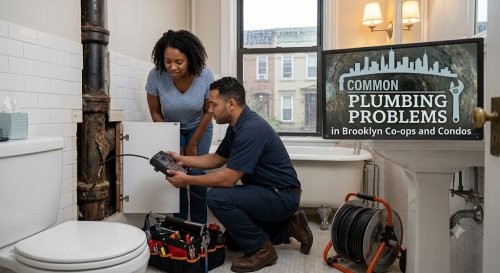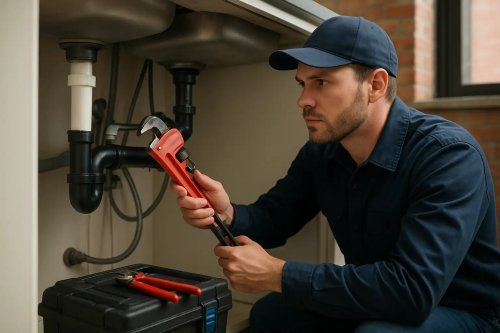
Plumbing Inspection Checklist for Brooklyn Brownstones
Buying a Brooklyn brownstone? Use our ultimate plumbing inspection checklist to spot hidden sewer line, lead pipe, and riser issues before closing
The Ultimate Plumbing Inspection Checklist for Buying a Brooklyn Brownstone
Buying a Brooklyn brownstone is an iconic New York City dream. Whether you are falling in love with 19th-century original woodwork in Park Slope, historic Italianate detail in Bedford-Stuyvesant, or classic row houses in Brooklyn Heights, owning a piece of Kings County history is deeply rewarding.
However, beneath those soaring ceilings, detailed plaster moldings, and ornate fireplaces lies a complex network of plumbing infrastructure that may be 70 to 130 years old.
Unlike modern suburban developments, Brooklyn brownstones feature unique architectural configurations, original cast-iron drain lines, legacy lead service mains, multi-story gravity water systems, and shared party-wall drainage layouts. Standard home inspectors routinely miss hidden sewer belly sags beneath historic front stoops, corroded galvanized steel risers inside multi-floor walls, and improper venting systems installed during unpermitted residential conversions.
A standard general home inspection touches on visible fixtures, but it rarely dives deep into the structural integrity of a brownstone’s hidden pipe network. Before you sign a purchase contract or waive inspection contingencies, going through a comprehensive Plumbing Inspection Checklist for Buying a Brooklyn Brownstone is essential to protect your investment, negotiate realistic repair credits, and prevent catastrophic water damage after closing.
What Is a Brooklyn Brownstone Plumbing Inspection?
A brownstone plumbing inspection is a specialized, multi-system diagnostic evaluation of a historic multi-story row house's supply, drainage, venting, and waste infrastructure.
Because Brooklyn brownstones were built primarily between the 1850s and 1920s, their plumbing systems represent a timeline of American pipe technology. Over a single century, a four-story brownstone may have been built with lead service pipes, updated in the 1940s with galvanized iron risers, partially converted into rental units in the 1970s with unvented PVC lines, and patched in recent years with modern PEX plastic tubing.
+--------------------------------------------------------------------------------+
|                   TYPICAL HISTORIC BROWNSTONE PLUMBING LAYOUT                   |
+--------------------------------------------------------------------------------+
|  ROOF             Roof Drains / Primary Vent Stack                             |
|  FOURTH FLOOR     Original Baths, Low Water Pressure Risers                    |
|  THIRD FLOOR      Secondary Baths / Multi-family Apartment Conversions         |
|  SECOND FLOOR     Parlor Floor / Powder Room Additions                         |
|  GARDEN LEVEL     Kitchen / Main Living Space Drain Connections                |
|  CELLAR/BASEMENT  Cast Iron Main Drain Line, Gas Lines, Water Meter, Water Main |
|  UNDER STOOP      Sewer Exit Line to Street Main / Historic Trap Systems       |
+--------------------------------------------------------------------------------+
A specialized pre-purchase inspection evaluates how these historical layers function together. The process identifies concealed material deterioration, code violations, capacity limits, and immediate failure hazards before ownership transfers.
Why Brooklyn Brownstone Plumbing Systems Fail
Understanding why brownstones experience unique plumbing failures helps buyers recognize early warning signs during open houses and initial walkthroughs.
1. Aging Cast Iron and Galvanized Steel
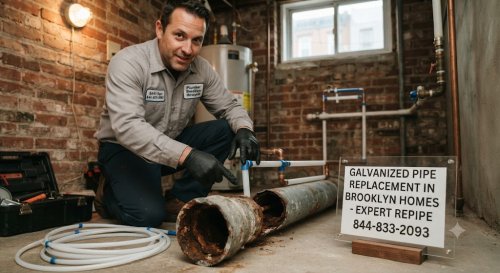
The primary waste stacks in historic Brooklyn homes were constructed using heavy cast iron. While durable, cast iron has an active lifespan of 75 to 100 years. Over time, wastewater wears down the bottom channel of horizontal cast iron pipes (a process called bottom-channel erosion), causing structural cracking and sewer gas leaks inside cellar walls. Galvanized steel pipes, commonly used for vertical water supply risers, corrode internally over decades, building up rust deposits that constrict water flow until water pressure drops to a trickle on upper floors.
2. Historic Lead Water Service Mains
Many Brooklyn homes constructed prior to the 1960s still feature original lead water supply pipes connecting the city main under the street to the interior water meter inside the front cellar. Lead service lines corrode internally, posing severe health hazards and risking sudden collapse under heavy city traffic vibrations along busy Brooklyn avenues.
3. Tree Root Intrusion in Sewer Lines
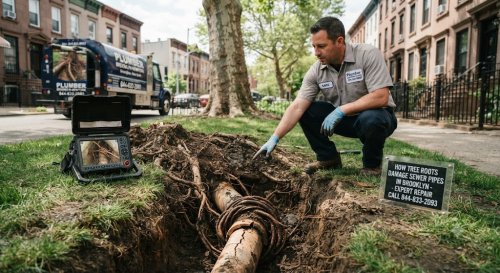
Brooklyn’s tree-lined residential streets are beautiful, but mature oak, maple, and plane tree root systems naturally seek moisture. Clay tile sewer lines running from the front garden wall underneath the brownstone’s stone stoop to the municipal sewer line in the street frequently crack. Tree roots penetrate these clay joints, creating severe line blockages, structural collapses, and recurring sewage backups into garden-level apartments.
4. Unpermitted Conversions and Code Violations
During the mid-to-late 20th century, thousands of single-family Brooklyn brownstones were converted into multi-family SROs (Single Room Occupancies), two-family duplexes, or four-unit rental apartments. Many of these renovations bypassed New York City Department of Buildings (DOB) permitting requirements. Unlicensed contractors routinely tied new fixtures into existing waste lines without installing proper vent stacks, creating atmospheric vacuums that siphon water out of sink traps and allow hazardous sewer gases into living spaces.
5. Shared Sewer Lines and Party-Wall Connections
In certain historic Brooklyn neighborhoods—such as Cobble Hill, Crown Heights, and Greenpoint—adjacent brownstones were occasionally built with shared sewer laterals or party-wall drainage configurations. A sewer backup in your neighbor's cellar can easily back up into your lower level if your main line lacks a working backwater valve or a dedicated trap line.
The Complete Pre-Purchase Plumbing Inspection Checklist
When evaluating a historic Brooklyn brownstone, review every critical area of the plumbing infrastructure using this organized, step-by-step checklist.
+------------------------------------------------------------------------------------+
|                   BROWNSTONE PRE-PURCHASE PLUMBING CHECKLIST                       |
+------------------------------------------------------------------------------------+
|  [ ] Water Service Line       Verify material (lead vs. copper) at meter entrance   |
|  [ ] Main Sewer Line          Run HD video camera scope out to city main connection|
|  [ ] Vertical Risers          Check pipe material (galvanized vs. copper/PEX)      |
|  [ ] Drainage & Venting       Inspect roof stacks, traps, and S-trap violations     |
|  [ ] Parlor & Bath Fixtures   Check upper-floor simultaneous water pressure         |
|  [ ] Water Heating & Gas      Check age, expansion tank, and gas shutoff valves     |
|  [ ] Cellar Foundation Wall   Inspect for water intrusion, salt marks, or seepage   |
+------------------------------------------------------------------------------------+
Area 1: The Main Water Service & Street Connection
-
[ ] Identify Pipe Material: Locate where the main water line enters through the front basement wall. Determine if the pipe material is lead, galvanized iron, or upgraded seamless copper.
-
[ ] Check Water Meter & Main Valve: Ensure the primary main shut-off valve before and after the meter functions properly without binding or leaking around the valve stem.
-
[ ] Test Street Water Pressure: Measure static water pressure at the main basement entrance. Pressure should register between 45 and 65 PSI.
Area 2: Main Sewer Drain & Waste Stack
-
[ ] Perform a Sewer Scope Inspection: Insert an HD push-camera through the main cellar cleanout out to the street main.
-
[ ] Check Cast Iron Stack Condition: Inspect vertical waste stacks running through upper levels for hairline cracking, white mineral crusting along seams, or structural sagging.
-
[ ] Verify House Trap & Fresh Air Inlet: Ensure the main house trap features working brass cleanout plugs and that the fresh air inlet pipe extending through the front brownstone wall is clear of debris or cement blockages.
Area 3: Upper-Floor Water Supply Risers
-
[ ] Test Multi-Fixture Water Flow: Turn on the shower, sink faucet, and flush the toilet simultaneously on the top floor (3rd or 4th story) to test for dramatic pressure drops.
-
[ ] Identify Riser Materials: Check exposed plumbing in utility chases or under sinks to see if vertical risers are constructed of galvanized iron, copper, or modern PEX lines.
-
[ ] Inspect Pipe Supports: Confirm vertical pipe risers are properly anchored to floor joists to prevent "water hammer" bangs when valves snap shut.
Area 4: Heating Systems, Water Heaters & Gas Infrastructure
-
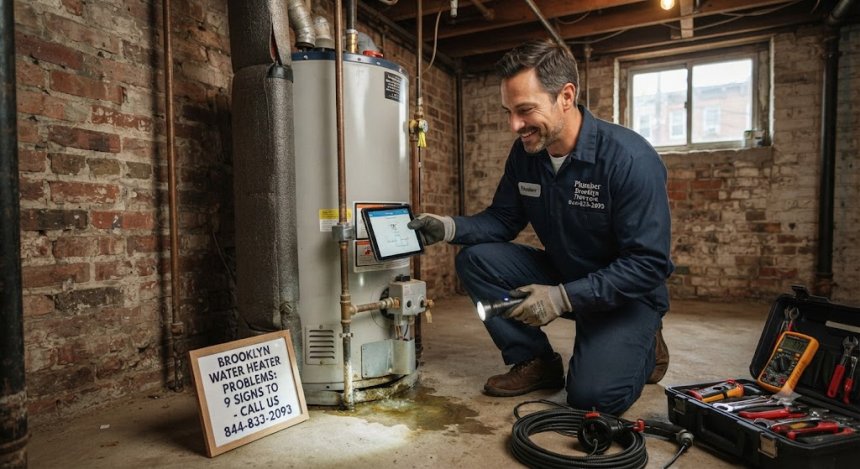
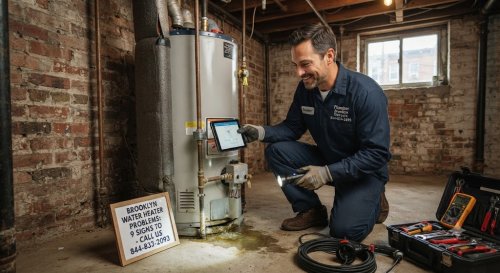
[ ] Check Water Heater Age & Capacity: Verify the manufacture date on the water heater data plate. Tank heaters over 10 years old require immediate replacement planning.
-
[ ] Inspect Steam or Hot Water Boilers: For homes heated by historic cast-iron radiators, inspect the boiler’s automatic water feeder, expansion tank, low-water cutoff safety switch, and pressure relief valve discharge pipe.
-
[ ] Gas Line Leak Check: Perform a visual inspection and electronic gas detector test around gas flex lines feeding the boiler, water heater, and kitchen ranges to identify legacy threaded black iron pipe leaks.
Warning Signs You Should Never Ignore During a Walkthrough
When walking through a prospective Brooklyn brownstone during a property viewing, keep an eye out for these visual red flags:
1. Water Stains on Historic Plaster Ceilings
Historic brownstones feature wood-lath and plaster ceilings. Water stains, bubbling paint, or fresh ceiling patches beneath parlor floor or upper-story bathrooms point to active waste-line leaks, unsealed shower pans, or failing supply connections. Plaster holds moisture for extended periods, accelerating structural timber decay inside floor joists.
2. Weak Water Flow on Upper Floors
If turning on the garden-level kitchen faucet causes top-floor bathroom shower flow to drop to a trickle, the property likely relies on choked, corroded 1/2-inch galvanized steel supply risers. Replacing these risers throughout a four-story home requires opening historic walls or building vertical chase enclosures.
3. Damp Cellar Walls and White Powder (Efflorescence)
Step into the sub-street cellar and inspect the front foundation wall under the stoop. Damp brickwork, flaking mortar, standing water along the floor perimeter, or powdery white mineral deposits (efflorescence) indicate poor exterior drainage, broken brownstone stoop seals, or an active leak along the incoming street water service line.
4. Sewer Gas Odors Near Drains
A persistent sulfur or rotten-egg smell inside the garden level or cellar usually indicates dried-out floor drain traps, cracked cast-iron vent stacks inside living walls, or an open, unsealed cleanout cap on the main sewer line.
+------------------------------------------------------------------------------------+
|                         VISUAL WARNING SIGNS MEMORY AID                            |
+------------------------------------------------------------------------------------+
|  CEILINGS    --> Yellow rings, soft plaster, or fresh paint patches                |
|  FAUCETS     --> Weak water volume on 3rd & 4th floors when lower fixtures run   |
|  CELLAR      --> White powdery salt deposit (efflorescence) on front brickwork   |
|  DRAINS      --> Persistent sewer smells, gurgling sounds, or slow drainage        |
+------------------------------------------------------------------------------------+
Common Plumbing Problems in Historic Brooklyn Properties
Historic brownstones present a specific set of recurring plumbing challenges:
-
Corroded Lead & Galvanized Connections: Dissimilar metals joined together without dielectric unions create rapid galvanic corrosion, deteriorating pipe threads until they fail under standard municipal water pressure.
-
Sagging Horizontal Drain Lines (Sewer Bellies): Over a century of structural settlement, horizontal waste lines beneath cellar floors can lose their downward pitch, sagging into low points ("bellies") where grease, solids, and paper collect and clog continuously.
-
Failed Shower Pan Liners in Upper Baths: Original lead shower pans installed decades ago eventually break down, slowly dripping water into historic parlor floor ceiling plaster and supporting floor timbers.
-
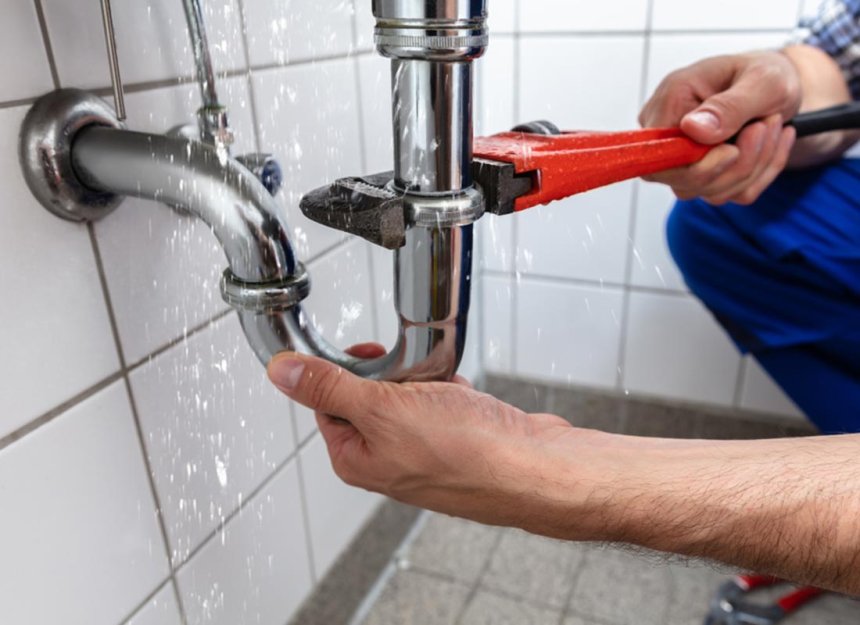
Obsolete S-Traps: Older renovation work often features unvented S-traps beneath sinks rather than modern P-traps. S-traps siphon their own water seals away during discharge, allowing open pathways for sewer gas infiltration into bedrooms and kitchens.
-
Broken Roof Drain Leaders: Brownstone roofs slope toward a central interior roof drain that routes rainwater straight down through an internal cast-iron pipe out to the cellar waste stack. If this internal stack cracks, heavy rainstorms cause mysterious interior wall leaks across multiple floors simultaneously.
Step-by-Step Professional Plumbing Inspection Process
When hiring a licensed Master Plumber to conduct a pre-purchase evaluation on a Brooklyn brownstone, expect a thorough, multi-phase process:
+------------------------------------------------------------------------------------+
|                 PROFESSIONAL PRE-PURCHASE INSPECTION WORKFLOW                      |
+------------------------------------------------------------------------------------+
|  STEP 1: Visual Assessment & Basement Mapping                                      |
|          Examine water entrance, main valves, meter, and visible stacks            |
|                                                                                    |
|  STEP 2: High-Definition Video Sewer Scope Inspection                              |
|          Feed camera through main cleanout to inspect lateral line to city sewer   |
|                                                                                    |
|  STEP 3: Static Pressure & Multi-Story Flow Testing                                |
|          Attach pressure gauges; test simultaneous upper-floor fixture flow        |
|                                                                                    |
|  STEP 4: Thermal Imaging & Leak Detection Scan                                     |
|          Scan historic walls and ceilings for hidden moisture signatures           |
|                                                                                    |
|  STEP 5: Boiler, Gas & Mechanical System Audit                                     |
|          Inspect heating loops, gas pressure, relief valves, and domestic hot water|
|                                                                                    |
|  STEP 6: Written Diagnostic Report & Repair Estimate                               |
|          Deliver itemized findings for seller negotiation and repair budgeting     |
+------------------------------------------------------------------------------------+
Step 1: Visual Assessment & Basement Mapping
The plumber begins in the cellar, identifying where utilities enter the building, mapping exposed water lines, and evaluating the main waste stacks, gas lines, and house trap condition.
Step 2: High-Definition Video Sewer Scope Inspection
Using a self-leveling HD pipe camera with a radio transmitter sonde, the plumber scopes the entire length of the main drain line from the cellar out to the municipal street sewer main. This pinpoints root intrusions, pipe offsets, cracks, or bellies, while locating exact pipe depths beneath the front garden or stoop.
Step 3: Static Pressure & Multi-Story Flow Testing
A water pressure gauge is attached to an accessible hose bib or laundry hookup to measure static building pressure. The plumber then runs fixtures on every floor simultaneously to monitor dynamic pressure drops and confirm drainage velocity.
Step 4: Thermal Imaging Scan
Using infrared thermal cameras, the inspector scans ceiling areas beneath upper-floor bathrooms and plumbing chases. Thermal anomalies highlight cool spots caused by hidden moisture behind historic plaster or wallboard.
Step 5: Mechanical & Gas System Audit
The inspector audits the heating boiler, expansion tanks, gas line connections, domestic hot water heaters, backflow preventers, and pressure-reducing valves for operational safety and local code compliance.
Step 6: Diagnostic Report & Repair Estimates
The plumber delivers an itemized report outlining immediate safety hazards, structural defects, recommended upgrades, and estimated repair costs. This documentation serves as a critical asset during pre-closing price negotiations.
Can You Fix It Yourself? (DIY vs. Licensed Plumber)
It's tempting to handle small maintenance jobs on your own, but working on historic Brooklyn row houses requires knowing where DIY ends and licensed expertise begins.
Safe DIY Tasks for Brownstone Owners
-
Replacing faucet aerators and showerheads to adjust fixture flow.
-
Replacing worn toilet flappers, fill valves, or handle levers inside standard ceramic tanks.
-
Clearing minor sink clogs using a manual hand snake or plunger (avoid harsh chemical drain cleaners).
-
Insulating exposed cellar water pipes during winter months to protect against cold drafts.
Dangerous DIY Tasks Requiring a Licensed Master Plumber
-
Modifying Gas Piping: Working on gas supply lines without NYC Department of Buildings permits and DOB pressure testing is illegal and presents serious safety risks.
-
Replacing Main Water Service Lines: Upgrading lead or steel water mains requires street excavation permits, heavy equipment, and coordination with the NYC Department of Environmental Protection (DEP).
-
Clearing Main Line Blockages with Motorized Augers: Running heavy-duty cable machines through legacy thin-walled cast-iron or clay sewer pipes without camera guidance can easily crack fragile underground pipes.
-
Soldering Supply Risers Inside Historic Framing: Using open flame torches near dry, 100-year-old wood wall studs inside brownstone wall chases creates a severe fire hazard.
Advanced Tools Used by Professional Plumbing Inspectors
Evaluating hidden infrastructure inside a multi-story historic building requires specialized diagnostic technology:
+-----------------------------------------------------------------------------------+
|                        ADVANCED DIAGNOSTIC EQUIPMENT                              |
+-----------------------------------------------------------------------------------+
|  EQUIPMENT                   PRIMARY PURPOSE                                      |
+-----------------------------------------------------------------------------------+
|  HD Sewer Camera & Sonde     Maps main line interior; locates cracks & roots      |
|  Acoustic Leak Detector      Pinpoints underground pressure leaks under concrete  |
|  Thermal Imaging Camera      Detects concealed moisture signatures behind plaster |
|  Combustible Gas Sniffer     Locates low-level gas micro-leaks along pipe joints  |
|  Digital Water Pressure Gauge Measures static and dynamic supply system pressure   |
+-----------------------------------------------------------------------------------+
Inspection Timelines: What to Expect
A thorough pre-purchase plumbing inspection varies based on property layout and accessibility:
-
Standard Single-Family Brownstone Inspection: 2 to 3 hours. Includes full visual walk, static pressure testing, mechanical review, and standard sewer camera scope.
-
Multi-Family / Two-Family Conversion Inspection: 3 to 4 hours. Includes testing separate water heaters, dual gas meters, individual apartment waste lines, and shared vertical stacks.
-
Complex Historic Restoration Inspection: 4+ hours. Involves thermal imaging of all ceiling planes, detailed utility mapping, and multi-point sewer scope analysis.
Cost Factors Influencing Brownstone Plumbing Repairs
When budgeting for repairs or calculating credit requests during contract negotiations, key factors influence total costs:
+-----------------------------------------------------------------------------------+
|                      COST INFLUENCE MATRIX FOR REPAIRS                            |
+-----------------------------------------------------------------------------------+
|  REPAIR TYPE              KEY COST DRIVERS                                        |
+-----------------------------------------------------------------------------------+
|  Sewer Line Replacement   Street depth, DOT sidewalk permits, stoop proximity     |
|  Riser Replacement        Number of floors, wall access, plaster historic trim    |
|  Lead Main Upgrade        Distance to city main, roadway opening, DEP inspections |
|  Boiler Replacement       BTU size, cast iron weight, basement stairwell access   |
+-----------------------------------------------------------------------------------+
Plumbing repair costs vary depending on problem severity, pipe accessibility, materials required, emergency service needs, property type, and local labor rates.
Hidden Truths Homeowners Should Know About Brownstone Plumbing
-
Small Cellar Leaks Quickly Create Structural Damage: A slow drip from a parlor floor waste line can quietly rot heavy timber floor joists over several years, leading to structural sagging and expensive framing repairs.
-
Chemical Drain Cleaners Destroy Historic Pipes: Pouring harsh acid or lye-based chemical drain cleaners down slow brownstone drains eats through thin, aged cast-iron pipe bottoms, turning minor clogs into full stack replacements.
-
Standard Home Insurance Excludes Sewer Backups: Most standard homeowners insurance policies do not cover subterranean sewer backups or main service line failures unless you add specific sewer/drain backup endorsements to your policy.
-
Tree Roots Return Until Pipes Are Replaced: Chemical root treatments and hydro jetting provide temporary relief. If tree roots have invaded clay sewer joints beneath your front yard, complete pipe replacement or trenchless pipe lining is the only permanent solution.
-
Hard Water Accelerates Boiler Scale: Municipal water minerals build up inside boiler heating coils, lowering heating efficiency and causing premature boiler heat exchanger failure if not flushed annually.
-
Unvented Conversions Cause Odor Problems: If an upper apartment bath smells like sewer gas, the issue is often a missing roof vent stack from an unpermitted past renovation rather than a simple dried trap.
-
Delaying Lead Line Replacement Risks Exposure: Intact lead service lines can leach harmful heavy metals into drinking water during main line pressure fluctuations or street construction work nearby.
-
Hidden Leaks Spike Water Bills: A running toilet on the top floor or a leaking underground service line can add hundreds of dollars to your quarterly NYC Department of Environmental Protection (DEP) water bill.
-
Mold Grows Fast Behind Historic Plaster: Wet plaster and horsehair insulation hold moisture for weeks, creating ideal conditions for mold growth behind finished walls long before water drops show up on paint surfaces.
-
Annual Preventative Maintenance Protects Your Investment: Spending a small amount each year on camera inspections, boiler flushes, and drain maintenance prevents unexpected multi-thousand-dollar emergency replacements later on.
15 Common Plumbing Mistakes Homeowners Make
-
Ignoring Minor Drips: A steadily dripping faucet wastes over 3,000 gallons of water per year and erodes metal valve seats.
-
Flushing "Flushable" Wipes: Wipes do not dissolve like toilet paper. They snag on rough cast-iron pipe interiors, triggering main sewer line blockages.
-
Pouring Cooking Oils Down the Sink: Cooking grease cools inside cellar waste lines, congealing into solid fatberg blockages that trap food debris.
-
Ignoring Fluctuating Water Pressure: Spikes in street water pressure stress aged copper connections, causing sudden pipe ruptures.
-
Hiring Unlicensed Handymen for Pipe Work: Unlicensed plumbing work risks safety hazards, violates NYC building codes, and can complicate future home sales.
-
Skipping Boiler Maintenance: Neglecting annual boiler inspections leads to heat outages during freeze waves and risks dangerous carbon monoxide leaks.
-
Waiting for Total Pipe Failure: Replacing fragile, leaking pipes proactively is much less expensive than dealing with emergency flood cleanups.
-
Mixing Galvanized and Copper Pipe Directly: Joining steel and copper directly accelerates galvanic corrosion. Dielectric unions or brass isolation fittings must always be used.
-
Over-Tightening Valve Connections: Cranking down excessively on supply line nuts strips threads and cracks brass valve bodies.
-
Hanging Items from Exposed Basement Pipes: Using cellar gas or water pipes to store laundry or hang storage items stresses soldered joints, causing leaks over time.
-
Leaving Garden Hoses Attached in Winter: Frozen water inside attached outdoor hoses expands back into exterior sillcock valves, bursting indoor pipes during cold snaps.
-
Covering Cleanout Access Covers: Tiling over cellar drain cleanout caps during basement finish work prevents emergency camera access during backups.
-
Ignoring Gurgling Drains: A gurgling toilet or sink drain is an early sign of a blocked vent stack or a developing main sewer obstruction.
-
Using Too Much Plumber’s Putty on Plastic Fixtures: Petroleum-based plumber's putty degrades certain plastic sink strainers and rubber gaskets.
-
Forgetting to Test Main Shutoff Valves: Finding out your main water shutoff valve is frozen open during an active pipe burst causes unnecessary water damage.
Essential Maintenance Tips for Brooklyn Brownstone Owners
-
Schedule Annual Main Line Camera Scopes: Run a video scope through your main sewer line every spring to catch root intrusion early.
-
Flush the Water Heater Tank Annually: Drain accumulated sediment out of the water heater base to maintain heating efficiency and extend tank life.
-
Check High-Pressure Water Lines: Install a water pressure regulator if incoming city pressure exceeds 65 PSI to protect historic fixtures and appliances.
-
Inspect Roof Drains and Gutters Bi-Annually: Keep roof drain grates clear of leaves, debris, and plastic bags before severe storm seasons hit.
-
Service Steam Boilers Monthly During Winter: Check water level sight glasses weekly, blow down low-water cutoffs monthly, and schedule annual burner tune-ups.
-
Install Backwater Safety Valves: Have a licensed plumber install an automatic backwater valve on cellar drain outlets to protect against street sewer surcharges.
-
Inspect Washing Machine Flex Hoses: Replace standard rubber washer hoses with braided stainless steel lines every 5 years.
-
Keep House Trap Cleanout Caps Accessible: Ensure main cellar cleanout caps are clearly exposed, lubricated, and easy to open in an emergency.
-
Insulate Exposed Stoop Pipes: Add thick foam insulation sleeves to water pipes running near cold front cellar walls or underneath front entry stoops.
-
Monitor Water Meter Usage: Check your water meter while all home fixtures are off. If the meter dial is moving, you have an active hidden leak.
-
Clean Sink Trap Bends Periodically: Remove pop-up stoppers and clear hair, soap scum, and buildup out of bathroom P-traps every six months.
-
Test Sump Pumps Every Fall: Pour a bucket of water into cellar sump pits to verify float switches and check valves operate properly before heavy rain seasons.
-
Replace Old Angle Stop Valves: Replace old multi-turn water valves beneath sinks and toilets with reliable 1/4-turn ball valves.
-
Know Every Water & Gas Shutoff Location: Label main water, boiler, gas, and individual riser shut-off valves clearly so family members can act fast in an emergency.
-
Maintain Stoop Masonry Seals: Keep stone joints along your front stoop and garden wall caulked to prevent rainwater from leaking onto cellar main water lines below.
When to Call an Emergency Plumber
Some plumbing issues require immediate professional intervention to prevent severe property damage:
-
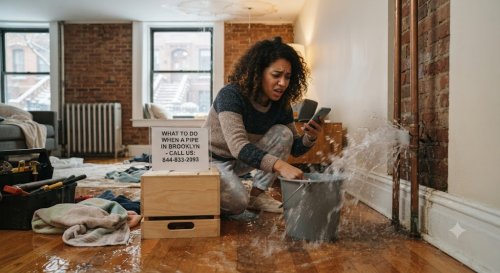
Burst Supply Lines or Risers: Water spraying from ceiling chases or wall cavities demands immediate main line shut-off and emergency service.
-
Active Sewage Backing Up into Cellars: Wastewater coming out of cellar floor drains or garden-level toilets creates health hazards and structural contamination.
-
Complete Water Loss Throughout Building: A sudden drop to zero water pressure often points to a ruptured service main under the street or a frozen supply entry.
-
Gas Smells Near Mechanicals: If you detect a strong gas odor near your boiler or water heater, evacuate immediately, call National Grid or 911, and contact an emergency plumber once safe.
-
Sump Pump Failures During Heavy Storms: Cellars at risk of flooding require immediate pump repair or backup installation when active rainwater enters.
Frequently Asked Questions
Why is my water pressure low on the top floor of my Brooklyn brownstone?
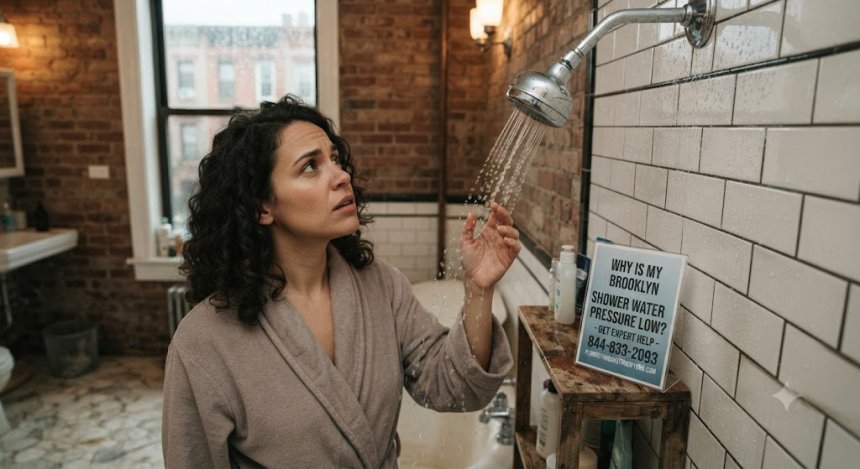
Low water pressure on upper floors usually results from corroded 1/2-inch galvanized iron risers that have narrowed over time due to interior rust build-up. Replacing old risers with modern 3/4-inch copper or PEX tubing restores full water volume to top-floor bathrooms.
How much does a pre-purchase sewer camera scope cost in Brooklyn?
A professional pre-purchase sewer camera scope inspection generally costs between $250 and $600, depending on cleanout accessibility and inspection scope. This investment can save you thousands of dollars by spotting hidden underground pipe collapses before closing.
Can a clogged drain line damage historic brownstone plaster?
Yes. Wastewater backing up from blocked upper-floor drain lines can pool inside floor cavities, soaking through subfloors and permanently damaging historic plaster ceilings, decorative crown moldings, and joists below.
Is hydro jetting safe for older cast-iron sewer pipes?
Hydro jetting is safe for heavy cast-iron pipes, provided a preliminary video camera inspection confirms the pipe wall is structurally sound. If the scope shows heavy bottom-channel erosion or large structural cracks, mechanical augering or pipe replacement is recommended instead.
How do I know if my brownstone has a lead water service line?
Check where the main pipe enters your basement floor or front wall before the meter. Lead pipes are soft, dark gray, easy to scratch with a key (revealing shiny silver metal underneath), and do not attract a magnet. A licensed plumber can confirm the material quickly during an inspection.
How long do brownstone steam heating boilers typically last?
Cast-iron residential steam boilers generally last between 15 and 25 years with regular water chemical balancing, monthly blowdowns, and annual burner maintenance.
Why do I smell sewer gas in my garden-level apartment?
Sewer gas smells usually point to a dried-out floor drain trap, an unsealed house trap plug in the cellar, or a cracked cast-iron vent stack inside wall cavities.
What causes brownstone pipes to burst in winter?
Pipes freeze and burst when unheated air infiltrates drafty front cellar spaces, uninsulated stoop vaults, or exterior walls holding uninsulated supply lines during prolonged sub-freezing temperatures.
Will standard home insurance cover my brownstone sewer line replacement?
No. Standard policies usually exclude underground service lines outside the home's footprint. Coverage requires adding a specific Water Service Line / Sewer Back-up Rider to your insurance policy.
When should I replace my plumbing stack instead of repairing it?
If your cast-iron waste stack shows vertical hairline cracking, extensive rust scaling, or multiple previous leak patches, full replacement with modern cast-iron or PVC line is necessary to prevent major flooding.