Protect Brooklyn Home From Rain Water Damage
Learn how to protect your Brooklyn home from heavy rain water damage with expert plumbing tips, prevention strategies, and local emergency support.Keywords: protect brooklyn home from rain, heavy rain water damage brooklyn, basement waterproofing brooklyn, sump pump installation nyc,
How to Protect Your Brooklyn Home From Water Damage During Heavy Rain
Heavy downpours can turn a peaceful afternoon in Brooklyn into a stressful scramble for homeowners. From historic brownstones in Park Slope to detached houses in Marine Park, local properties face unique challenges when intense storms hit our area. Aging municipal infrastructure, saturated soil, and sudden cloudbursts routinely overwhelm residential drainage systems.
When water finds its way into your basement or starts pooling near your foundation, the physical and financial toll can escalate rapidly. Understanding how heavy rain impacts your plumbing and property is the first step toward safeguarding your most valuable investment.
What Is Heavy Rain Water Damage?
Heavy rain water damage refers to the physical destruction and structural decay caused by excessive stormwater infiltrating a residential or commercial property. In Brooklyn, this commonly manifests as flooded basements, overflowing window wells, sewer backups, and compromised foundation walls.
Common Situations
-
Water pooling against exterior foundation walls due to improper grading.
-
Sump pumps failing during peak power outages or mechanical wear.
-
Municipal sewer lines becoming overloaded, forcing wastewater backward into home floor drains.
-
Gutters and downspouts discharging water directly next to the house instead of safely away.
Why Does This Plumbing Problem Happen?
Storm-related water intrusion rarely happens by accident. It is typically the result of a combination of weather extremes and structural vulnerabilities.
-
Aging Infrastructure and Combined Sewers: Many Brooklyn neighborhoods rely on older combined sewer systems that struggle to handle high-volume rainfall, increasing the risk of backups.
-
Saturated Soil: Prolonged rain turns the earth around your foundation into mud, exerting hydrostatic pressure against basement walls and seeking out tiny cracks.
-
Clogged Gutters and Downspouts: Leaves, debris, and shingle grit block rainwater channels, spilling hundreds of gallons of water straight down toward your basement windows and footings.
-
Malfunctioning Sump Pumps: A worn-out pump, stuck float switch, or lack of battery backup renders your primary defense useless right when you need it most.
-
Faulty Exterior Grading: Landscaping that slopes toward the house acts as a natural funnel, guiding rainwater directly against your foundation.
Signs You Should Never Ignore
Catching early warning signs before a major storm hits can save you thousands of dollars in restoration costs. Watch out for these red flags:
-
Musty Odors in the Basement: A persistent damp smell indicates hidden mold growth and ongoing moisture accumulation behind walls or beneath flooring.
-
Efflorescence on Foundation Walls: White, chalky mineral deposits on concrete or brick walls show that water is slowly seeping through the masonry.
-
Pooling Water Near the Foundation: Puddles that linger hours after a storm stop indicate poor drainage and grading issues.
-
Slow-Draining Fixtures During Rain: If your sinks or toilets gurgle or drain slowly when it rains, storm runoff is likely entering your sewer lateral.
-
Peeling Paint or Stained Drywall: Water stains near the base of ground-floor walls point to capillary action drawing moisture up from the ground.
Common Plumbing Problems Related to Heavy Rain
Heavy storms put maximum stress on your entire home ecosystem. The most frequent issues include:
-
Sewer Line Backups: Excess municipal water forces raw sewage up through basement floor drains and toilets.
-
Basement Flooding: Water breaches window wells, cracks, and thresholds, inundating living spaces.
-
Sump Pump Failures: Continuous running burns out motors or power surges shut down electrical circuits.
-
Burst or Leaking Foundation Pipes: Ground shifting caused by heavy saturation can snap underground water lines or stress older joints.
Step-by-Step Professional Repair Process
When you bring in a licensed professional from Plumber Brooklyn Newyork to assess or repair storm-related vulnerabilities, you can expect a systematic, thorough approach:
-
Comprehensive Inspection: The plumber evaluates exterior grading, interior foundation walls, existing sump pump systems, and sewer lines.
-
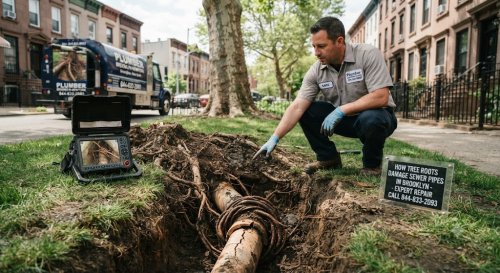
Diagnostic Assessment: Using specialized cameras, they check sewer laterals for cracks, root intrusion, or municipal line connections.
-
Detailed Estimate: You receive a clear, upfront breakdown of recommended corrective measures, materials, and labor costs.
-
Targeted Repair or Installation: Technicians install check valves, upgrade sump systems, seal foundation cracks, or clear blocked exterior drains.
-
System Testing: Pumps are tested with actual water volumes, and check valves are verified to ensure zero backflow.
-
Jobsite Cleanup: Work areas are sanitized, leaving your home as clean as it was before the service call.
-
Maintenance Advice: The plumber provides customized tips on how to prep your plumbing system for the next heavy storm.
Can You Fix It Yourself?
While major waterproofing requires professional expertise, homeowners can safely handle several proactive steps:
-
Safe DIY Solutions: Clearing debris out of gutters and downspouts, extending downspout splash blocks at least four to six feet away from the foundation, and testing your sump pump by pouring a bucket of water into the pit.
-
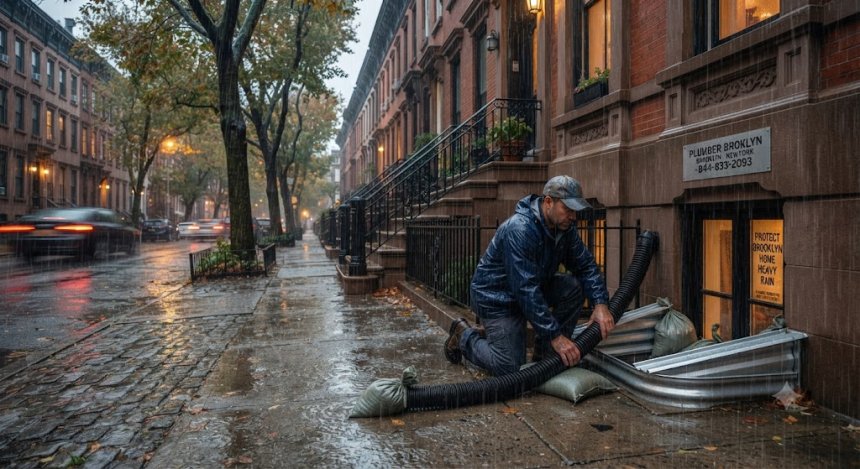
Temporary Fixes: Using sandbags to divert surface water away from low-lying basement windows or doors during an active storm.
-
When DIY Becomes Dangerous: Attempting to clear main sewer lines yourself, working near exposed electrical wiring in a flooded basement, or trying to patch actively gushing foundation cracks.
-
When Professional Plumbing is Necessary: Whenever you experience recurring sewage backups, electrical sump pump failures, or major structural water infiltration.
Tools Professionals Use
Professional plumbers utilize advanced diagnostic and repair equipment to solve storm-proofing challenges accurately:
-
Drain Inspection Cameras: High-definition fiber-optic cameras travel deep into sewer lines to pinpoint structural damage or root blocks.
-
Hydro Jetting Equipment: High-pressure water streams scour grease, silt, and tree roots from drain lines completely.
-
Electronic Leak Detectors: Acoustic and thermal sensors locate hidden moisture pockets behind walls and beneath concrete slabs.
-
Heavy-Duty Submersible Pumps: Rapidly clear standing water from flooded basements to allow for safe physical inspection and repair work.
How Long Does General Storm-Proofing Take?
Repair and installation timelines vary based on the scope of work required:
-
Minor Fixes (e.g., clearing downspouts or adjusting grading): 1 to 2 hours.
-
Moderate Repairs (e.g., replacing a sump pump or installing a backwater valve): 2 to 4 hours.
-
Major Projects (e.g., comprehensive interior French drain or exterior waterproofing updates): 1 to 3 days.
-
Emergency Interventions (e.g., emergency pumping and clearing backed-up sewer lines): 2 to 4 hours depending on severity.
Cost Factors for Storm Water Management
Plumbing and waterproofing costs depend on several variables. Estimates are tailored to your specific property:
-
Severity and depth of the water intrusion problem.
-
Accessibility of damaged pipes or drainage systems.
-
Materials required (e.g., cast iron vs. heavy-duty PVC, battery backup systems).
-
Emergency service dispatch timing (after-hours, weekends, or holidays).
-
Local municipal permit fees for major plumbing modifications.
-
Property type (brownstone, multi-family building, or detached single-family home).
Hidden Truths Homeowners Should Know
-
Small basement trickles quickly escalate into thousands of dollars in structural and mold remediation costs.
-
Standard homeowner insurance policies typically do not cover flood damage or sewer backups unless you carry a specific rider.
-
Pouring chemical drain cleaners into slow drains during heavy rain is ineffective and dangerous if pipes are backing up.
-
Annual pre-storm maintenance saves property owners thousands in emergency repair bills.
-
Ignoring minor dampness allows mold to colonize porous drywall and framing within 24 to 48 hours.
15 Common Mistakes Homeowners Make
-
Ignoring minor basement dampness until it becomes a flood.
-
Directing downspouts right next to the home's foundation.
-
Failing to test the sump pump before storm season arrives.
-
Not installing a battery backup for the sump pump during power outages.
-
Relying on cheap chemical drain treatments for sewer line issues.
-
Flushing wipes or paper towels that exacerbate municipal sewer backups.
-
Hiring unlicensed handymen for complex drainage and backflow projects.
-
Skipping annual professional plumbing and sewer inspections.
-
Grading flower beds so they slope toward exterior basement walls.
-
Neglecting to clear outdoor window well drains of leaves and dirt.
-
Waiting until water is actively pouring into the home to call an expert.
-
Using incorrect pipe sizes or materials for DIY drainage extensions.
-
Over-tightening PVC plumbing fittings, causing hairline cracks.
-
Forgetting to check local neighborhood flood zone maps.
-
Assuming a dry basement during a light shower means protection during a hurricane.
Maintenance Tips to Protect Your Property
-
Clean your roof gutters and downspouts at least twice a year—once in spring and once in late autumn.
-
Test your sump pump monthly by pouring five gallons of water into the basin to ensure the switch engages smoothly.
-
Install a battery-powered or secondary water-powered backup sump pump.
-
Keep basement window wells clear of debris and consider installing clear plastic window well covers.
-
Inspect your foundation walls annually for new hairline cracks and seal them immediately with hydraulic cement.
-
Ask a licensed plumber about installing a sewer backwater valve to prevent municipal water from reversing into your home.
-
Ensure your exterior landscaping slopes away from your foundation on all sides.
-
Schedule an annual sewer camera inspection to catch root intrusion early.
-
Keep storm drain grates around your driveway clear of grass clippings and trash.
-
Store valuable items off the basement floor in heavy-duty plastic storage bins.
-
Know the location of your main water shut-off valve so you can act fast in an emergency.
-
Monitor your water bill for unexplained spikes that indicate hidden underground leaks caused by soil shifting.
-
Ensure your window well drains lead to functional dry wells rather than clogged soil pockets.
-
Trim trees with aggressive root systems away from your underground sewer lateral paths.
-
Review your homeowner insurance policy to verify whether you have water backup coverage.
When Should You Call an Emergency Plumber?
Do not wait for standard business hours if you encounter any of the following critical situations:
-
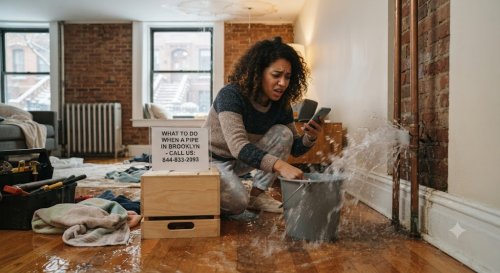
Active Basement Flooding: Water is rising rapidly and threatening electrical outlets or appliances.
-
Severe Sewer Backups: Raw sewage is coming up through floor drains or toilets.
-
Sump Pump Failure During a Storm: The pit is overflowing and water cannot escape.
-
Burst Foundation Pipes: Heavy water is gushing from broken supply or drain lines.
-
Total Loss of Drainage: Multiple fixtures in the house are completely backed up while it is raining.
Immediate professional intervention prevents catastrophic property loss and health hazards.