Emergency Plumbing in Brooklyn: Critical Issues
Discover critical emergency plumbing problems in Brooklyn that should never wait. Learn warning signs, causes, and when to call local experts.
Emergency Plumbing in Brooklyn: Problems That Should Never Wait
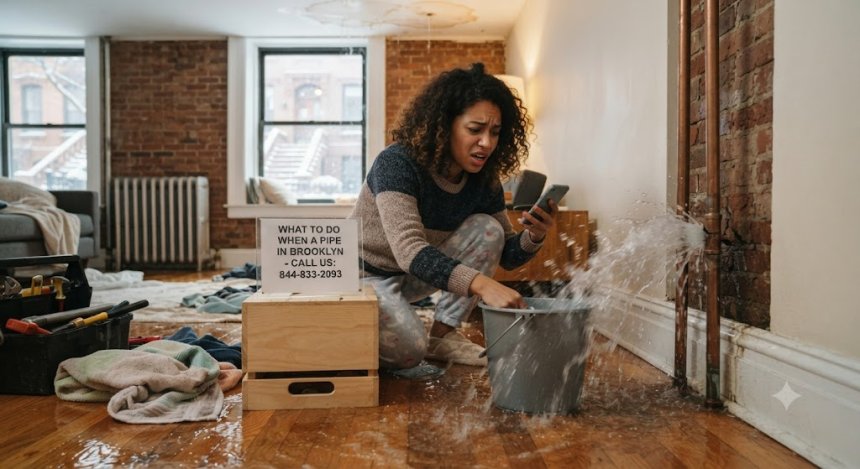
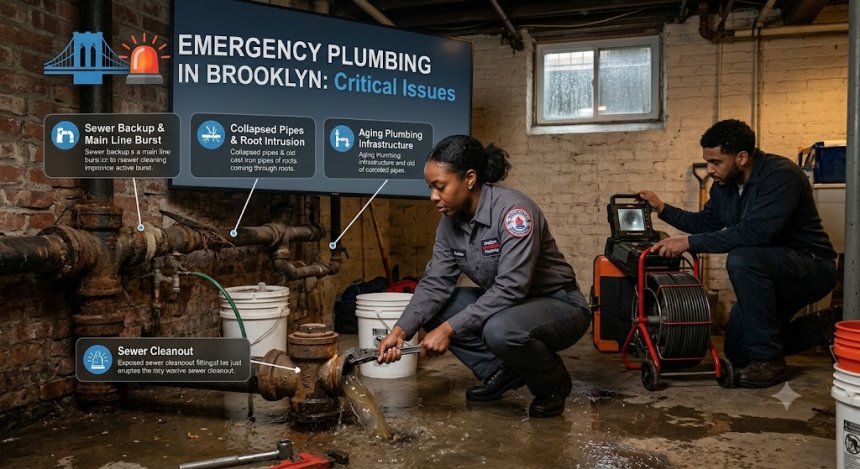
Living in Brooklyn means enjoying a vibrant mix of historic brownstones, classic pre-war apartment buildings, and modern residential developments. However, these diverse architectural styles also mean aging infrastructure that can fail without warning. When a sudden plumbing disaster strikes—such as a pipe bursting in the middle of the night or raw sewage backing up into your basement—waiting until normal business hours is simply not an option.
For property owners across Brooklyn, Kings County, and nearby neighborhoods like Park Slope, Williamsburg, and Bay Ridge, recognizing what constitutes a true plumbing emergency can prevent catastrophic property damage. Understanding why these failures happen and knowing when to call an urgent professional can save you thousands of dollars in restoration costs.
What Is Emergency Plumbing?
Emergency plumbing refers to urgent, unexpected plumbing failures that pose an immediate threat to human health, safety, or the structural integrity of a building. Unlike a dripping faucet or a slowly draining sink, an emergency requires immediate intervention to stop active damage.
Common Situations
-
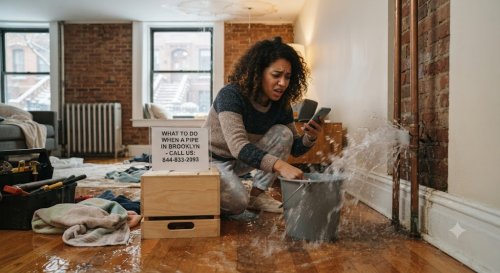
A main water supply line snapping or leaking uncontrollably, cutting off safe water access or flooding living spaces.
-
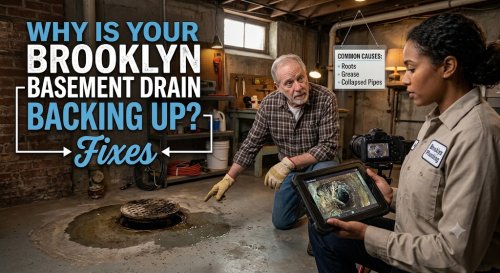
Total sewer line blockages forcing raw municipal waste backward into home fixtures.
-
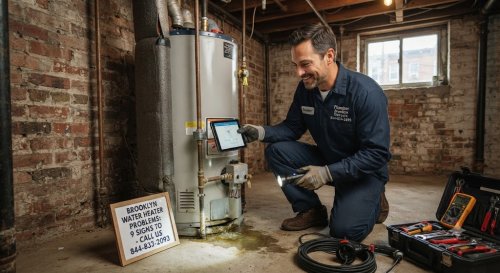
Water heaters failing catastrophically and spilling dozens of gallons of scalding water across floors.
-
Gas line leaks or related emergency hazards requiring immediate licensed shutdown and isolation.
Why Does This Plumbing Problem Happen?
Emergency plumbing issues rarely materialize out of nowhere; they are usually the climax of progressive wear, environmental stress, or systemic neglect.
-
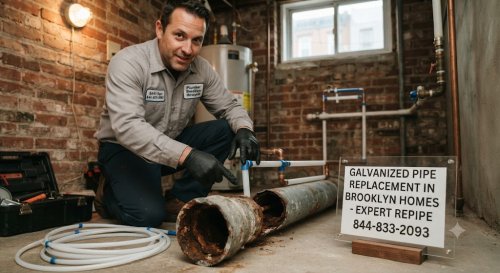
Aging Pipes and Materials: Many Brooklyn homes still rely on vintage galvanized steel or cast-iron pipes that corrode internally over decades until they crack or burst.
-
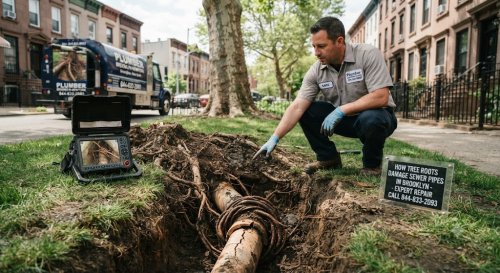
Tree Root Intrusion: Aggressive tree roots in neighborhoods with mature street trees infiltrate tiny cracks in underground clay or cast-iron sewer laterals, causing total blockages.
-
Extreme Seasonal Weather: Sub-freezing winter temperatures cause standing water inside uninsulated pipes to freeze, expand, and shatter the conduit.
-
High Municipal Water Pressure: Excessive city water pressure places continuous strain on residential fixtures, supply lines, and water heater tanks until fittings rupture.
-
Improper Disposal Habits: Flushing non-flushable wipes, feminine products, or pouring grease down kitchen sinks builds severe blockages that escalate into emergency backups.
Signs You Should Never Ignore
Ignoring minor anomalies is the leading cause of major plumbing emergencies. Keep a close eye and ear out for these warning signals:
-
Sudden Drops in Water Pressure: A sharp decline across multiple faucets usually indicates a major hidden supply line break or a failing pressure regulator.
-
Gurgling Drains: If your toilet gurgles when you run the sink, air is trapped by an upstream blockage or a venting issue, often preceding a sewer backup.
-
Unexplained Water Stains or Damp Walls: Moisture patches appearing on ceilings or walls point to active, hidden pipe leaks behind drywall.
-
Musty Odors and Mold Growth: Persistent damp smells indicate slow, continuous water leaks feeding mold colonies out of sight.
-
Foul Sewage Smells: Gas or sewage odors inside the home mean your drain traps have gone dry or your main sewer vent is blocked or cracked.
Common Plumbing Problems Related to This Issue
Emergency situations often trigger a cascade of secondary property damages that compound the crisis:
-
Burst Supply Pipes: Flood walls, warp hardwood floors, and ruin electrical systems within minutes.
-
Sewer Line Collapses: Cause unsanitary wastewater to flood basements, destroying personal property and creating biological health hazards.
-
Water Heater Tank Ruptures: Release boiling water and sediment, destroying utility rooms and causing severe personal injury risks.
-
Slab Leaks: Undermine the concrete foundation of a home, leading to shifting walls and unlevel flooring.
Step-by-Step Professional Repair Process
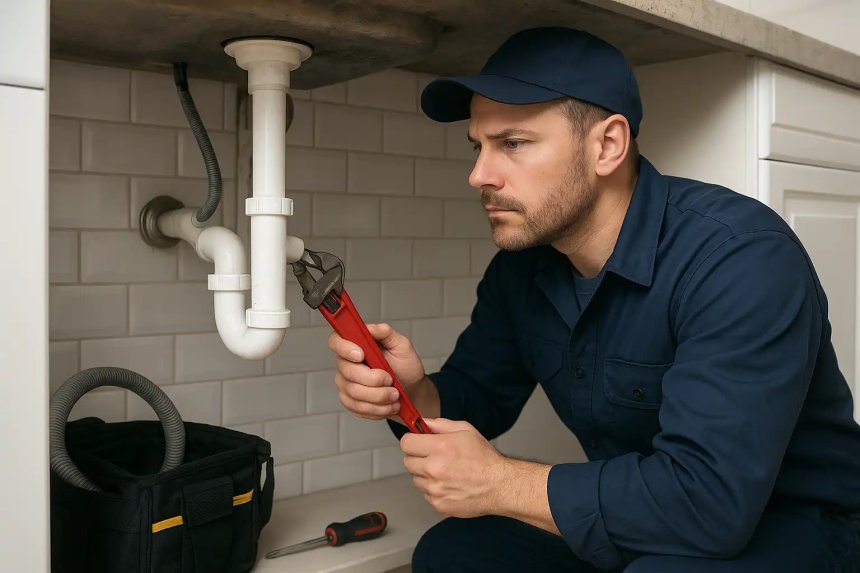
When you contact Plumber Brooklyn Newyork for an urgent dispatch, our licensed technicians follow a structured, efficient process to resolve the emergency safely:
-
Immediate Hazard Control: The plumber locates and shuts off the main water or gas supply to stop active damage instantly.
-
Rapid Diagnosis: Technicians inspect the affected area, utilizing specialized acoustic or camera equipment to identify the exact point of failure.
-
Transparent Estimate: You receive a clear, upfront explanation of the necessary emergency repair steps and associated pricing before work commences.
-
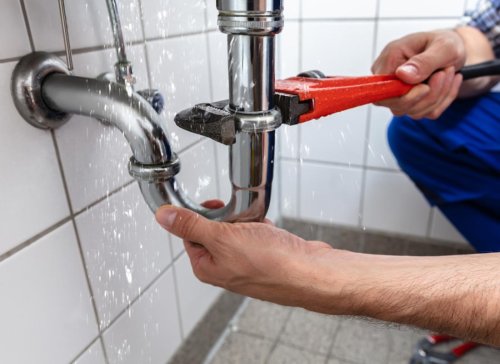
Targeted Repair or Replacement: Professionals perform precision welding, pipe replacement, valve swaps, or heavy-duty snaking.
-
Rigorous System Testing: The repaired system is pressurized and monitored to guarantee zero leaks and restored functionality.
-
Site Sanitation and Cleanup: Work areas are cleaned and sanitized to ensure a safe, healthy environment for your family.
-
Post-Repair Consultation: The plumber offers tailored advice on preventing future emergencies and scheduling routine follow-ups.
Can You Fix It Yourself?
During a plumbing emergency, panic can lead to dangerous DIY mistakes. Knowing your limits is crucial.
-
Safe DIY Solutions: Safely shutting off your home’s main water shut-off valve, turning off the circuit breaker to an electric water heater, or using a bucket to catch slow drips under a sink.
-
Temporary Fixes: Applying rubber repair tape or a temporary pipe clamp to a minor pinhole leak while waiting for a professional arrival.
-
When DIY Becomes Dangerous: Attempting to repair gas lines, working near exposed electrical panels in a flooded room, or trying to clear main sewer lines with consumer chemicals.
-
When Professional Plumbing is Necessary: Whenever you face active flooding, sewage overflows, burst main pipes, or gas-related concerns.
Tools Professionals Use
Emergency plumbing requires advanced diagnostic and repair technology to solve complex problems under high-pressure conditions:
-
High-Resolution Drain Cameras: Fiber-optic scopes that reveal the interior condition of underground or behind-the-wall pipes instantly.
-
Electronic Leak Detectors: Acoustic listening devices and thermal cameras that pinpoint hidden water leaks beneath concrete or inside walls without destructive tearing.
-
Hydro Jetting Systems: High-pressure water blasters that completely clear stubborn grease, scale, and root blockages from sewer mains.
-
Heavy-Duty Extraction Pumps: Rapidly clear standing water from flooded basements to prepare the workspace for plumbing repairs.
How Long Does the Repair Usually Take?
Emergency repair timelines vary based on the nature and severity of the plumbing failure:
-
Simple Emergency Fixes (e.g., shutting off a broken valve or replacing a supply connector): 30 to 60 minutes.
-
Moderate Repairs (e.g., clearing a severe main line blockage or replacing a burst section of pipe): 1 to 3 hours.
-
Major Emergencies (e.g., extensive sewer line excavation or complete water heater replacement): 3 to 6 hours or up to a full day.
-
Factors Affecting Time: Pipe accessibility, age of existing infrastructure, permit requirements, and the need for specialized parts ordering.
Cost Factors for Emergency Plumbing
Emergency plumbing costs depend on several variables. Estimates are tailored to your specific situation:
-
Severity and structural scope of the plumbing failure.
-
Accessibility of the damaged pipes or fixtures (e.g., inside finished walls or underground slabs).
-
Specialized parts, materials, or heavy equipment required.
-
After-hours, weekend, or holiday emergency dispatch timing.
-
Property type (historic brownstone, multi-family apartment, or commercial building).
-
Local labor rates and municipal permit fees if structural work is required.
Hidden Truths Homeowners Should Know
-
Small, ignored pinhole leaks in supply lines can waste thousands of gallons of water and cause thousands of dollars in hidden structural rot.
-
Pouring chemical drain cleaners down an emergency backup line rarely works and poses severe chemical burn hazards to technicians if manual clearing is required later.
-
Standard homeowner insurance policies frequently deny claims if water damage is proven to stem from long-term, neglected maintenance issues.
-
Tree roots will continuously invade sewer lines until the damaged pipe section is fully replaced or lined.
-
Hard water scaling accelerates the corrosion of internal pipe walls, dramatically shortening the lifespan of your plumbing system.
15 Common Mistakes Homeowners Make
-
Not knowing the location of the main water shut-off valve.
-
Ignoring slow drains until they turn into total overflows.
-
Using aggressive chemical drain openers on old or blocked pipes.
-
Flushing wet wipes, paper towels, or hygiene products down the toilet.
-
Pouring cooking grease and oils down kitchen sink drains.
-
Hiring unlicensed, uninspected handymen for complex plumbing work.
-
Skipping annual maintenance and professional plumbing inspections.
-
Waiting until the middle of a disaster to search for a trusted plumber.
-
Using mismatched pipe materials during quick DIY repairs.
-
Over-tightening plumbing fittings and causing hairline cracks in PVC or brass.
-
Failing to insulate outdoor spigots and exposed basement pipes before winter.
-
Ignoring strange gurgling sounds coming from plumbing fixtures.
-
Overlooking high water bills as a normal utility fluctuation.
-
Trying to fix active gas line issues without professional certification.
-
Turning a water heater back on before refilling the tank, burning out the heating elements.
Maintenance Tips to Protect Your Property
-
Locate and label your main water shut-off valve so every adult in the household can access it instantly in an emergency.
-
Inspect visible pipes under sinks and in the basement twice a year for signs of corrosion, dampness, or mineral buildup.
-
Never pour cooking grease, coffee grounds, or starchy foods down your kitchen drain.
-
Place strainers over all shower, tub, and sink drains to catch hair and debris before they cause clogs.
-
Test your water pressure regularly; if it exceeds 80 psi, have a licensed plumber install a pressure-reducing valve.
-
Insulate exposed water pipes in unheated areas like basements, crawlspaces, and garages before winter temperatures drop.
-
Flush your water heater tank annually to remove sediment buildup and extend unit lifespan.
-
Schedule an annual professional sewer camera inspection to catch root intrusion and pipe sagging early.
-
Keep your sump pump clean and test it monthly by pouring water into the basin.
-
Avoid using chemical drain cleaners; instead, rely on mechanical snaking or professional hydro jetting.
-
Know the age of your plumbing system and plan for proactive replacement of aging galvanized or polybutylene pipes.
-
Keep tree roots trimmed away from your front yard sewer lateral paths.
-
Check your water meter periodically when all taps are off to check for hidden underground leaks.
-
Never flush anything other than human waste and toilet paper down toilets.
-
Keep emergency contact numbers for a trusted local plumber saved in your phone.
When Should You Call an Emergency Plumber?
Certain situations require immediate professional dispatch, day or night:
-
Burst or Gushing Pipes: Water is spraying or pouring uncontrollably into your living space.
-
Severe Sewage Backups: Raw waste is rising into tubs, showers, or floor drains.
-
Total Loss of Water Supply: Your home has no running water, and municipal lines are verified as active.
-
Overflowing Toilets That Won't Stop: The water level keeps rising despite shutting off the fixture valve.
-
Major Water Heater Leaks: The tank has ruptured and is actively flooding utility areas.
-
Gas Odors or Suspected Leaks: Evacuate immediately and contact emergency services and a licensed professional.