The Ultimate Plumbing Maintenance Checklist for New York City Homeowners
Protect your NYC home with this complete plumbing maintenance checklist. Seasonal tips, DIY tasks, and when to call a pro. Call 844 833 2093 for expert service.
Why NYC Homes Need Special Plumbing Care
New York City's plumbing systems face challenges that most other cities don't. Understanding these factors is the first step in creating an effective maintenance plan.
Aging Infrastructure
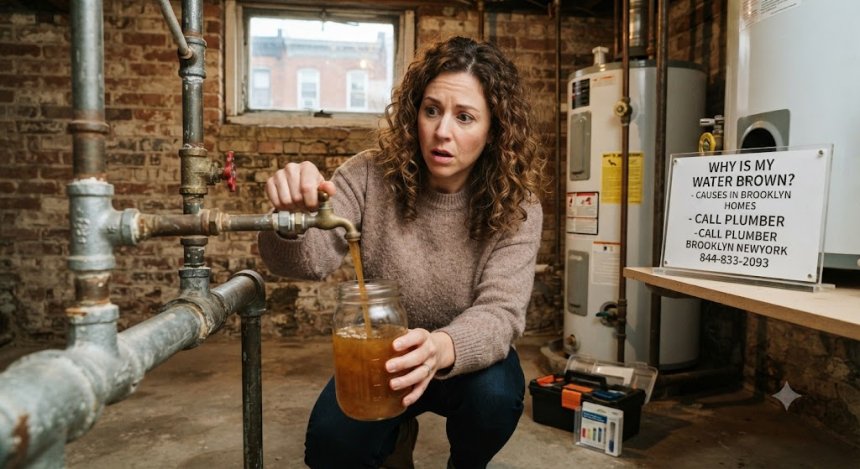
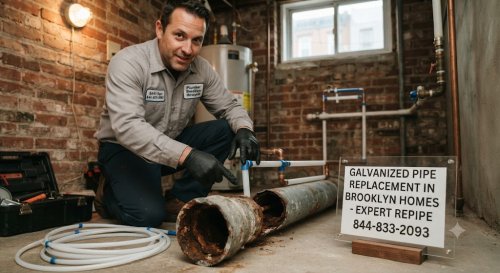
Many NYC homes still have original plumbing from the early 1900s—cast iron, galvanized steel, and clay pipes that were never designed for modern usage patterns . Cast iron sewer pipes have a 50-year service life, so if your home was built before 1980 and your pipes haven't been inspected, they're at significant risk .
Freeze-Thaw Cycles
Brooklyn winters are notoriously tough on plumbing. When temperatures drop below freezing, water expands inside pipes, creating enough pressure to burst them . Even without heavy snowfall, fluctuating winter temperatures weaken pipes, leading to leaks and cracks that become apparent in spring .
The Tree Root Problem
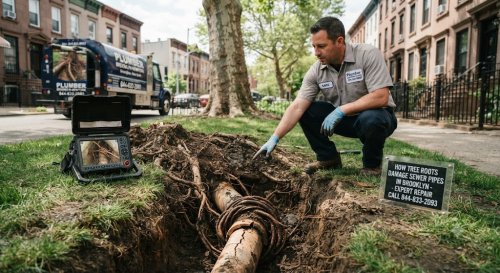
NYC is one of the most tree-dense urban areas in the country. Tree roots are naturally drawn to the moisture and nutrients in sewer lines, and even tiny cracks or loose joints are enough for roots to enter .
Code Compliance
Buildings with six or more residential units, commercial spaces, or certain boiler types require annual inspections by a Licensed Master Plumber as mandated by the NYC Department of Buildings . Missing these deadlines can result in fines starting at $50 per month and reaching $1,000 per violation .
Annual Plumbing Maintenance Requirements
Boiler Inspection
Required if: Your building has six or more residential units, is an SRO, mixed-use/commercial, or has H-stamp hot water heaters over 350,000 BTUs .
Frequency: Annually
Deadline: January 1st to December 31st, with reports due within 14 days of inspection .
Smart Timing: Schedule between March and October to avoid the year-end rush when plumbers are in high demand .
What's Inspected: Pressure relief valves, piping compliance, efficiency standards, and safety controls .
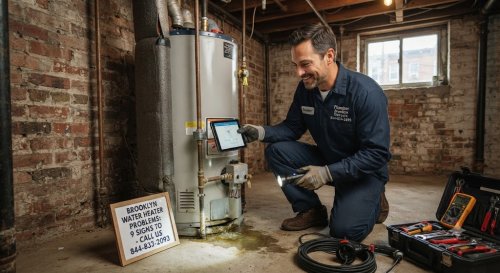
Water Heater Maintenance
Frequency: Annually
Cost: $150-$300 for professional maintenance .
Why It Matters: NYC's mineral-rich water creates sediment buildup that can reduce efficiency by 20% and cut your heater's lifespan in half . A professional service includes flushing sediment, checking the pressure relief valve, inspecting the anode rod, and testing temperature settings .
Pro Tip: Schedule in late spring or early fall, before the extreme demands of summer and winter .
Seasonal Plumbing Maintenance Checklist
Spring Checklist (March-May)
As the ground thaws and spring rains arrive, your plumbing system is put to the test . Here's what to check:
1. Check for Hidden Winter Damage
-
Inspect exposed pipes (especially in basements or near exterior walls) for leaks
-
Look for water stains on ceilings or walls—a sign of hidden pipe damage
-
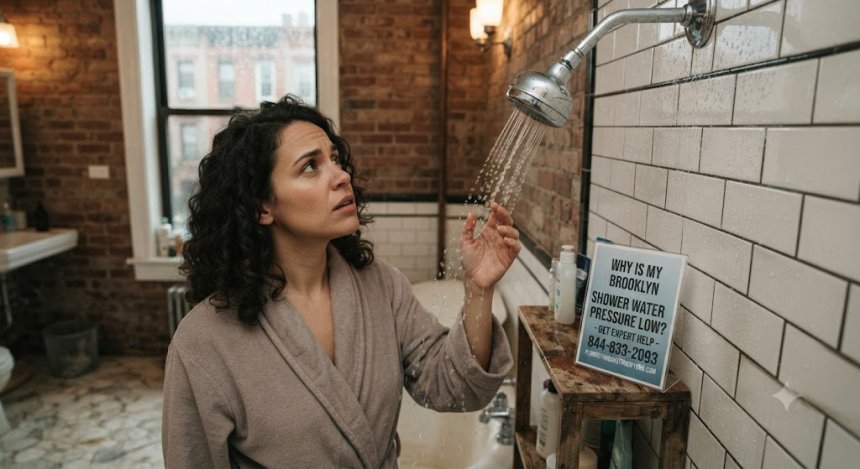
Check for low water pressure, which could mean small leaks or pipe corrosion
2. Test Outdoor Faucets and Hose Connections
-
Turn on outdoor faucets and check for drips or weak water flow
-
Inspect hose bibs for cracks—frozen water can cause damage
3. Flush Drains and Prevent Clogs
-
After winter, drains may be clogged with grease, debris, and soap scum
-
Run hot water mixed with baking soda down sinks and showers
-
Avoid chemical drain cleaners—they can damage pipes over time
4. Watch for Sewer Line Issues
-
Spring is prime time for tree roots to invade aging NYC sewer lines
-
Listen for gurgling toilets or multiple drains backing up
-
Check for unpleasant odors from drains or overly green grass in your yard—signs of sewer line issues
5. Inspect Your Water Meter and Shut-Off Valve
-
Make sure the shut-off valve turns easily
-
Check your water meter before and after a period of no water use—if it moves, you might have a hidden leak
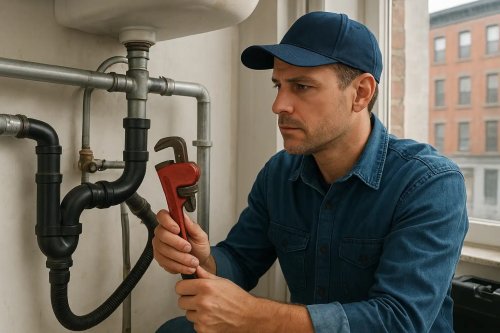
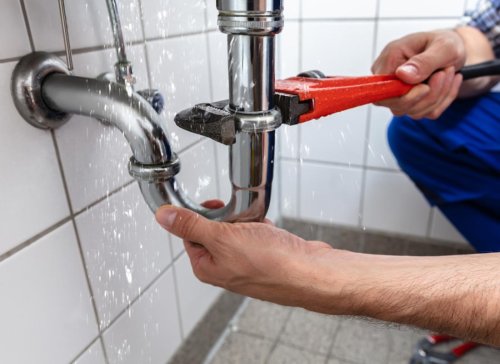
6. Under-Sink Inspection
7. Test Your Sump Pump
-
Pour water into the sump pit to ensure the pump activates and removes water efficiently
Summer Checklist (June-August)
Summer brings peak water usage and stress on aging systems .
1. Check Outdoor Plumbing
-
Ensure sprinklers and irrigation systems are functioning properly
-
Check for leaks in outdoor faucets and hoses
2. Garbage Disposal Care
-
Run cold water when using the disposal
-
Avoid putting bones, fruit pits, or fibrous materials down the disposal
3. Monitor Water Pressure
4. Drain Maintenance
-
Summer often means more guests and increased water usage
-
Consider professional drain cleaning if you notice slow drains
Fall Checklist (September-November)
Fall is the critical time to prepare your plumbing for the harsh winter months. Proper fall maintenance can save you from costly repairs and keep your home running smoothly .
1. Protect Exposed Pipes
-
Insulate pipes in basements, attics, crawl spaces, and garages with foam pipe sleeves or fiberglass insulation
-
Seal gaps with caulk or spray foam around windows, floors, and foundations that let cold air in
2. Disconnect and Drain Outdoor Hoses
-
Remove every hose from every spigot before the first freeze
-
Drain hoses by holding one end higher than the other
-
Store hoses indoors
Pro Tip from the Pros: "Even a hose left connected for one cold night can freeze solid and crack your spigot. Fixing a broken outdoor faucet hidden inside a wall is far more expensive than five minutes of prep" .
3. Schedule Boiler Maintenance
-
Ensure your heating system is winter-ready
-
A yearly tune-up prevents breakdowns on the coldest nights
4. Flush Your Water Heater
-
Sediment buildup reduces efficiency and leads to strange noises or rusty water
-
Flush the tank to remove sediment
-
Test the pressure relief valve to ensure it works
5. Check for Small Leaks
-
Inspect under sinks, around toilets, near washing machine hoses, and around your water heater and boiler
6. Clear Gutters and Downspouts
-
Remove leaves, twigs, and debris
-
Clogged gutters can cause water to back up, potentially leading to leaks in your roof or foundation
7. Inspect and Service Your Sewer Line
Winter Checklist (December-February)
Once winter arrives, your focus shifts to prevention and monitoring.
1. Know Your Water Shut-Off Valve
-
Show everyone in the house where it is
-
Practice turning it off and back on
2. Let Faucets Drip on Extremely Cold Nights
-
Moving water is harder to freeze
-
Open cabinet doors to allow warm air to circulate around pipes under sinks
3. Monitor for Freezing Pipes
-
If water pressure drops or stops completely, you may have a frozen pipe
-
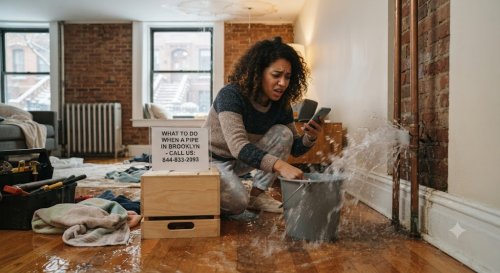
If you suspect a frozen pipe, call a plumber immediately
4. Keep the Heat On
Quarterly Checks (Every 3 Months)
Every three months, spend 15 minutes walking through your home looking for early warning signs :
-
Check for water stains on ceilings or walls
-
Test water pressure at different fixtures and times of day
-
Look under sinks, around toilets, and near your water heater for moisture or mineral deposits
-
Listen for unusual sounds from your plumbing
DIY Maintenance Tasks Homeowners Can Do
✅ Drain Care
-
Use strainers in sinks to catch food particles, hair, and debris
-
Never pour fats, oils, or grease down the kitchen sink—they solidify and cause blockages
-
Run hot water for 30 seconds after each garbage disposal use
-
Use enzyme-based cleaners instead of harsh chemicals
✅ Toilet Maintenance
-
Perform the dye test: add food coloring to the tank, wait 10-15 minutes, and check the bowl
-
Check the flapper for cracks—a faulty flapper is the most common cause of running toilets
✅ Faucet Care
-
Clean aerators regularly to remove mineral deposits
-
Address dripping faucets promptly—one dripping faucet can waste about 3,000 gallons of water per year
✅ Water Heater
When to Call a Professional
Certain tasks require a licensed plumber's expertise. Call a professional for:
Annual Inspections
-
Boiler inspection (required for many buildings)
-
Water heater maintenance (flushing and anode rod inspection)
-
Sewer line inspection (recommended every 2-3 years for older buildings)
Issues Requiring Professional Equipment
-
Video camera inspections to diagnose recurring clogs
-
Hydro jetting for tough blockages
-
Pipe repairs and replacements
-
Gas line work
Emergency Situations
-
Sewage backup into your home
-
Complete loss of hot water
-
Burst pipe or major leak
-
Gas odor or suspected gas leak
Smart Homeowner Habits
Know Your Building - Understand the age and type of pipes in your home. Cast iron sewer pipes have about a 50-year life span .
Monitor Your Water Usage - Sign up for NYC DEP's My DEP Account, which sends alerts when water use suddenly spikes—a common sign of a leak.
Keep Records - Document plumbing inspections, repairs, and replacements. This is valuable during renovations, insurance claims, or property sales .
Build a Relationship with a Local Plumber - In NYC's interconnected buildings, your plumbing decisions affect your neighbors. Having a trusted professional who knows your building can save you time and money .
Frequently Asked Questions
Q1: How often should I have my plumbing inspected in NYC?
Annual inspections are required for boilers in buildings with six or more units, SROs, mixed-use properties, or buildings with H-stamp hot water heaters over 350,000 BTUs . For all other homes, we recommend an annual maintenance inspection to catch small issues early .
Q2: What's the best way to prevent frozen pipes in winter?
Insulate exposed pipes in basements, attics, and crawl spaces; disconnect and drain outdoor hoses; seal any gaps that let cold air in; let faucets drip on extremely cold nights; and open cabinet doors to let warm air circulate around pipes under sinks .
Q3: Why is my water heater making rumbling noises?
Rumbling or popping sounds indicate sediment buildup at the bottom of the tank. The trapped water bubbles up through the sediment layer, creating the noise. A professional flush can remove the sediment and restore efficiency .
Q4: How much does annual boiler maintenance cost?
Annual boiler inspection and maintenance typically costs $200-$300 for a basic service. This includes checking pressure relief valves, piping compliance, efficiency standards, and safety controls. Emergency repairs are significantly more expensive, making regular maintenance a wise investment .
Q5: When should I replace my water heater?
Most traditional tank water heaters last 8-12 years. If yours is approaching or past this age and requires frequent repairs, replacement is usually more cost-effective. Signs you need replacement include rusty water, leaks at the base, and persistent sediment buildup .
Q6: Why do my drains gurgle when I flush the toilet?
Gurgling sounds indicate trapped air behind a blockage in your plumbing system. This often signals a main line clog, especially if multiple drains are affected. It's a sign you need professional attention .
Q7: Can chemical drain cleaners damage my pipes?
Yes. Chemical drain cleaners can damage aging cast iron and galvanized pipes significantly. They create hazardous fumes, don't remove root intrusion or mineral scale, and often make problems worse. Professional snaking or hydro jetting is safer and more effective .
Q8: What should I do if a pipe bursts?
Shut off the main water supply immediately. Then, call an emergency plumber. Show everyone in your household where the shut-off valve is before an emergency occurs .
Get Professional Plumbing Maintenance in Brooklyn, NYC
At Plumber in Brooklyn New York City, we understand the unique challenges of NYC homes. Our licensed plumbers provide comprehensive maintenance services, from annual boiler inspections to water heater maintenance and sewer line assessments.
Why Choose Us?
-
Licensed & Insured—Fully compliant with NYC codes
-
24/7 Emergency Service—Available around the clock
-
Upfront Pricing—No hidden fees or surprise charges
-
Experienced Team—Decades of experience with Brooklyn's unique housing stock
-
NYC Code Expertise—We know the local requirements inside and out