Why Is My Water Heater Not Heating? A New York City Homeowner's Guide
Is your water heater not heating? Discover common causes, DIY fixes, and when to call a licensed plumber in Brooklyn, NYC. Get expert tips & 24/7 emergency service.

Understanding Your NYC Water Heater
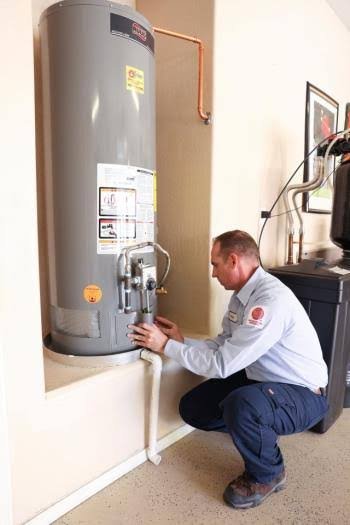
Before we dive into troubleshooting, it helps to understand what you're working with. Most homes in New York City rely on one of two types of water heaters:
1. Traditional Tank Water Heaters: These are the most common. They consist of an insulated tank that stores 30 to 80 gallons of hot water, ready for use. They are powered by either gas (with a burner at the bottom) or electricity (with heating elements inside the tank).
2. Tankless Water Heaters (On-Demand): Becoming increasingly popular in renovated NYC apartments, these units heat water directly without a storage tank. When you turn on a hot water tap, cold water travels through a heat exchanger where a gas burner or electric element heats it instantly. They save space (they can be wall-mounted) and are more energy-efficient, but they require different maintenance and repair approaches .
Additionally, many buildings in NYC rely on steam or hot water boiler systems that provide both heat and hot water. If your radiators are also cold, your issue may be with the boiler itself rather than a dedicated water heater .
Common Reasons Your Water Heater Isn't Heating
If your morning shower has turned cold, one of these common culprits is likely the cause. The issues can vary depending on whether you have a gas or electric unit.
Gas Water Heater Issues
-
Pilot Light is Out: This is one of the most frequent problems. The pilot light is a small flame that ignites the main burner. If it goes out, the water won't heat. Common reasons include a draft, a dirty pilot tube, or a faulty thermocouple—a safety device that shuts off the gas if the pilot goes out .
-
Faulty Thermocouple: If the thermocouple is defective, it will cut the gas supply even if the pilot light is burning correctly. This requires replacement.
-
Gas Supply Issues: Sometimes, the issue isn't with the heater but the fuel source. If your gas valve is shut off or there's a problem with your supply line, the burner won't ignite.
-
Sediment Buildup: While NYC's water is relatively soft compared to other regions, sediment can still settle at the bottom of the tank . This layer of minerals acts as an insulator, preventing the burner from efficiently heating the water. It can also cause rumbling or popping noises as the water bubbles through the sediment .
Electric Water Heater Issues
-
Tripped Circuit Breaker: A power surge or a faulty element can trip the breaker. Check your electrical panel and reset the breaker for the water heater. If it trips again immediately, you may have a short circuit.
-
Faulty Heating Elements: Electric water heaters typically have two heating elements—one at the top and one at the bottom. If one burns out, you might get lukewarm water instead of hot water. A plumber can test the elements with a multimeter and replace the faulty one .
-
Faulty Thermostat: The thermostat controls the temperature of the water. If it's defective, the heating elements may not activate, or they may heat the water too much.
Universal Issues (Both Gas and Electric)
-
Thermostat Issues: Whether gas or electric, a malfunctioning thermostat can cause temperature fluctuations. It may be set too low or have a faulty sensor .
-
Sediment Buildup: As mentioned, sediment can reduce efficiency in both gas and electric units. In electric units, it can coat the heating elements, causing them to overheat and burn out .
-
Leaking Tank or Valves: A small leak might seem insignificant, but it can indicate a major problem. Leaks from the pressure relief valve or drain valve might be repairable, but a leak from the tank itself typically means the unit is corroding and needs replacement .
-
Anode Rod Depletion: The anode rod is a sacrificial metal rod inside the tank that attracts corrosive elements to protect the tank liner. In NYC's water conditions, the anode rod wears out over time. Once it's gone, the tank interior begins to rust and corrode, leading to failure .
Troubleshooting: What You Can Do Safely
Before you call a professional, there are a few safe steps you can take to diagnose the problem. Always prioritize safety. If you smell gas, leave the area immediately and call 911 and your gas company. Never attempt to fix gas lines or electrical issues if you are not qualified.
Step 1: Check the Power Source
-
For Electric: Go to your electrical panel and locate the breaker for the water heater. Is it in the "off" or "tripped" position? If so, reset it.
-
For Gas: Check the gas valve and ensure it is in the "on" position.
Step 2: Check the Thermostat Setting
-
Look at the temperature dial on the unit. Is it set to 120°F? This is the recommended setting for energy efficiency and to prevent scalding . If it's set lower, turn it up. If it's set correctly, the issue is likely elsewhere.
Step 3: Check the Pilot Light (Gas Only)
-
Remove the access panel and look for a small blue flame. If it's out, follow the manufacturer's instructions to relight it. If you have to relight it often, you likely need a new thermocouple.
Step 4: Inspect for Leaks
-
Look around the base of the tank and at the connections. Water pooling around the base is a serious sign that the tank is failing .
If these basic steps don't restore your hot water, it's time to call a licensed professional. In New York City, repairs to gas lines and water heater components often require a licensed plumber to ensure compliance with local codes and safety standards .
Repair vs. Replacement: Making the Right Call
One of the most common questions we get from Brooklyn homeowners is whether to repair a faulty water heater or invest in a new one. Here’s a breakdown to help you decide.
Signs You Should Opt for a Repair
-
The Unit is Relatively New: If your heater is under 8 years old and has been well-maintained, a repair for a specific component (like a thermostat, heating element, or thermocouple) is usually the best path forward .
-
Small, Repairable Leaks: A leak from the pressure relief valve or drain valve can often be fixed by simply replacing the valve.
-
Sediment Build-up: If you hear rumbling noises but the tank itself is in good condition, a professional flush to remove sediment can restore efficiency and extend its life .
Signs You Should Replace Your Water Heater
-
Age: The average lifespan of a traditional tank-style water heater is 8 to 12 years . If your unit is approaching or past this age, it's more cost-effective to replace it before it fails catastrophically.
-
Tank Leak: If you see water pooling around the base of the heater, it's almost always a sign of a cracked or corroded tank. This is not repairable and requires a full replacement .
-
Rusty or Discolored Water: If the hot water coming from your taps is brown, yellow, or has a metallic taste, it indicates internal corrosion. This means the tank is rusting from the inside out and its lifespan is ending .
-
Frequent Repairs: If you are calling a plumber for water heater issues more than once a year, the money you're spending on repairs could be better invested in a new, more reliable unit that comes with a warranty .
-
Inefficiency: An older unit works harder to heat water, driving up your energy bills. A new, Energy Star-rated unit—especially a tankless model—can significantly reduce your monthly costs.
A Homeowner’s Checklist: Maintaining Your Water Heater
Prevention is always better than a cold shower. In NYC, the transition from warm to cold weather puts extra stress on water heaters . Following a simple maintenance checklist can prevent breakdowns and extend the life of your system.
-
Flush the Tank Annually: Sediment accumulation reduces efficiency and causes corrosion. A plumber can perform a "tank flush" to remove this sediment .
-
Check the Anode Rod: Have a professional inspect the anode rod during annual maintenance. Replacing a $20 rod can save you from replacing a $1,000 tank .
-
Test the Temperature and Pressure Relief (T&P) Valve: This critical safety valve releases pressure if it gets too high. Test it annually by lifting the lever on the valve. It should snap back and stop water from flowing. If it continues to drip, it needs replacement .
-
Insulate Pipes: In cold NYC basements and utility closets, insulating exposed hot water pipes can prevent heat loss and improve the efficiency of your system .
-
Know When to Call a Pro: If you spot any signs of rust, small leaks, or unusual noises, don't wait for a full breakdown. A licensed plumber can catch small issues before they become expensive emergencies.
FAQs: Your Water Heater Questions Answered
We've compiled some of the most common questions we hear from homeowners in Brooklyn and New York City.
Q1: How long should a water heater last in NYC?
Most traditional tank water heaters have a life expectancy of 8 to 12 years . Tankless water heaters can last longer, sometimes 15 to 20 years, if properly maintained. Factors like water quality and maintenance habits can impact this lifespan.
Q2: Is my cold shower a plumbing emergency?
A sudden and complete loss of hot water, especially during the winter, is considered a plumbing emergency. It can disrupt your daily life and, in some cases, indicate a safety hazard like a gas leak. Call an emergency plumber immediately to assess the situation. Our team is available 24/7.
Q3: Should I repair or replace my water heater?
The golden rule is to consider the unit's age. If it's over 10 years old, replacement is often the more cost-effective solution . If it's newer and the repair is simple (like replacing a thermostat), a repair is usually the best route. We always provide honest advice on whether repair or replacement makes sense for your specific situation.
Q4: Why is my hot water only lukewarm?
If your water is not hot enough, it could be due to:
-
A thermostat set too low.
-
A faulty dip tube (gas), which sends cold water to the bottom of the tank.
Q5: Why is my water heater making popping or rumbling noises?
Those noises are typically caused by sediment buildup. The trapped water bubbles up through the sediment layer, creating the noise . A professional can flush the tank to remove the sediment and silence the noise.
Q6: Can I fix my water heater myself?
We strongly advise against DIY repairs on water heaters, especially gas models. Gas work is dangerous and requires a licensed professional to ensure safety and code compliance . Electrical work can also be hazardous. It's always safer and more reliable to call a licensed plumber.
Q7: Is a tankless water heater right for my NYC apartment?
Tankless water heaters are a great option for many NYC apartments because they are space-saving, energy-efficient, and provide endless hot water . However, they require a higher upfront investment and specific venting and gas line requirements. A professional plumber can assess your space to see if a tankless unit is feasible for your building.
Get Professional Help in Brooklyn, NYC
Don't let a cold shower ruin your day. Water heater issues can be stressful, but you don't have to face them alone. The team at Plumber in Brooklyn New York City is here to help. With years of experience serving homeowners across Brooklyn and the entire NYC area, we provide expert, reliable, and honest plumbing services.
We handle all water heater issues, from emergency repairs to full installations of modern, energy-efficient units. We understand the unique challenges of NYC plumbing and ensure all work is completed to the highest standards and in compliance with local regulations.