5 Signs It's Time to Replace Your Water Heater in New York City, NY
Is your water heater failing? Learn 5 clear signs it's time for replacement in NYC. Expert tips on costs, lifespan, and when to repair vs replace. Call 844 833 2093.
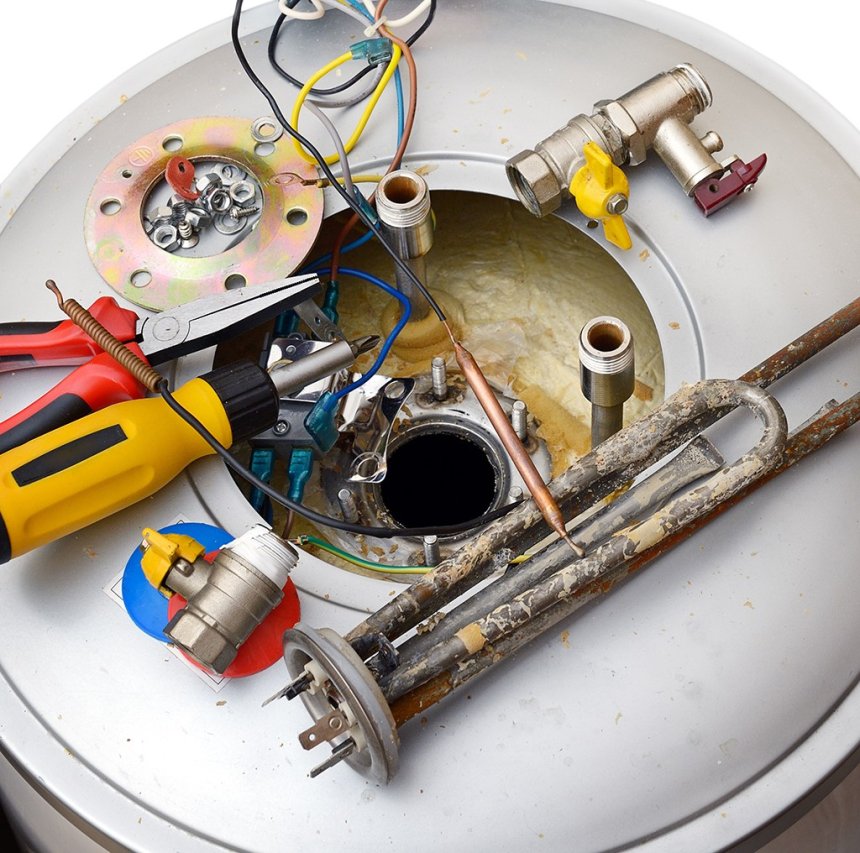
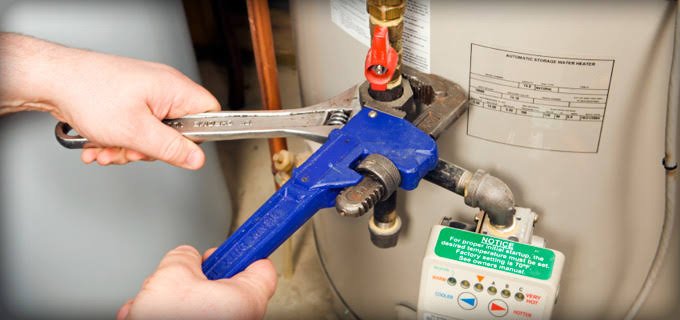
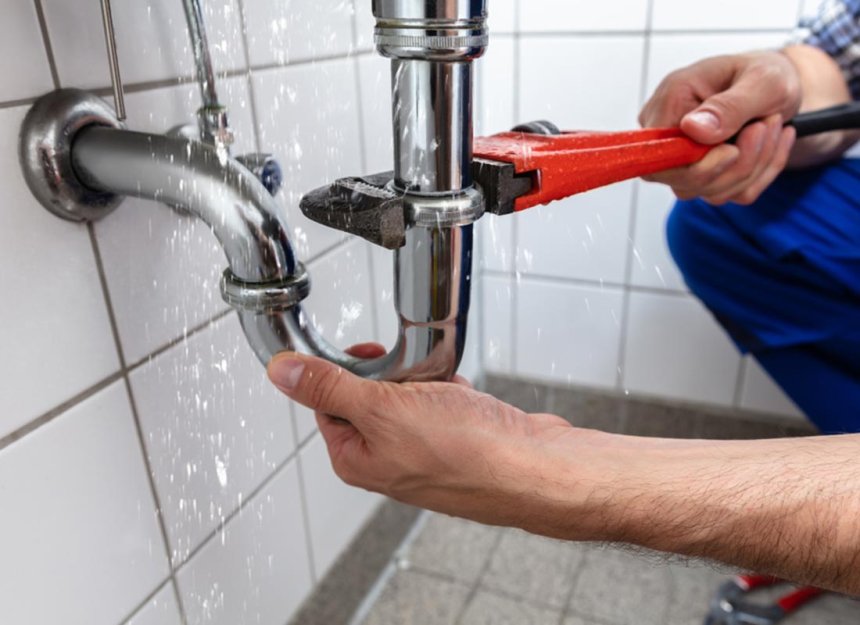
How Long Should a Water Heater Last in NYC?
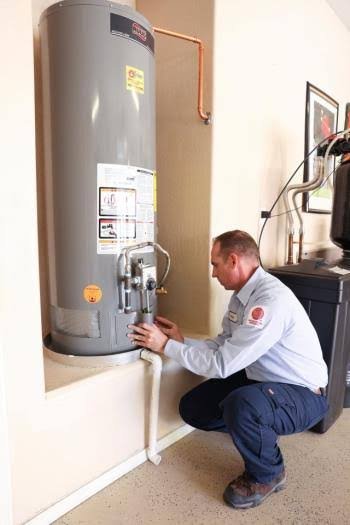
Before identifying warning signs, it helps to understand typical lifespans. Most tank-style water heaters in NYC last between 8 and 12 years. Tankless units typically run 15 to 20 years with proper maintenance.
However, lifespan depends on several factors:
-
Installation quality — proper setup extends life
-
Maintenance history — annual flushing makes a significant difference
-
Usage patterns — heavy usage accelerates wear
If your unit is approaching or past these windows and showing signs of trouble, replacement is usually the smarter choice than another repair.
Sign #1: Your Water Heater Is Over 10 Years Old
Age alone isn't always a death sentence, but it's the most reliable predictor of failure. According to industry data, 74% of water heaters in NYC buildings are 20 or more years old. While some units push past 12 years with excellent maintenance, most start experiencing problems after the decade mark.
Why age matters:
-
Internal corrosion accumulates over time
-
Sediment buildup becomes harder to flush completely
-
Efficiency declines significantly
-
The risk of catastrophic failure increases yearly
The rule of thumb: If your water heater is over 10 years old and needs a repair costing more than 50% of replacement cost, replacement is more cost-effective. For example, if a repair costs $600 and a new unit costs $1,200, replacement makes financial sense.
What to do: Check the manufacturer's label on your unit for the serial number—it usually contains the manufacture date. If you're unsure, have a licensed plumber inspect it.
Sign #2: Rust-Colored or Discolored Water
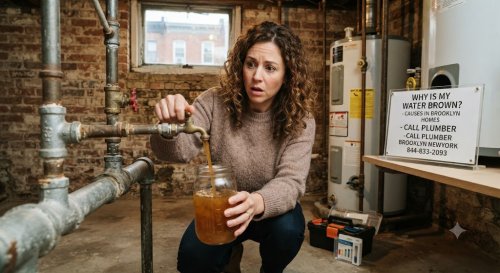
When rust-colored, brown, or yellowish water comes from your hot tap, it's often a sign of internal tank corrosion. This isn't something that can be "fixed"—once corrosion begins inside the tank, the damage is progressive.
What it means:
-
The glass lining inside the tank has failed
-
Water is directly contacting the steel tank
-
Rust particles are entering your water supply
-
Complete tank failure is imminent
NYC-specific consideration: NYC has soft water, which is easier on water heaters than hard water elsewhere. However, soft, slightly acidic water can corrode the anode rod faster, so regular anode rod inspection is critical every 2-3 years.
What to do: If you see discolored water, stop using the unit immediately and call a plumber. This is typically a replacement situation, not a repair.
Sign #3: Water Pooling Around the Base
Water around your water heater—even a small puddle—is almost always a sign that the tank is leaking. A leaking tank cannot be repaired because the structural integrity of the tank is compromised.
Why this is urgent:
-
A leaking tank can fail catastrophically at any time
-
A burst tank can release 40+ gallons of water quickly
-
Water damage to floors, walls, and lower levels can cost thousands
-
Mold and structural damage may result
Not all leaks are tank leaks: Sometimes, water pooling is from a faulty pressure relief valve or drain valve. These are repairable. However, if the leak is from the tank itself, replacement is the only option.
What to do: Call a licensed plumber immediately to determine the source. If it's the tank, don't delay—arrange for replacement as soon as possible.
Sign #4: Rumbling or Popping Noises
A rumbling, popping, or banging noise when your water heater runs isn't just annoying—it's a warning sign.
What causes the noise:
-
Sediment (minerals from water) settles at the bottom of the tank
-
Water trapped under the sediment bubbles up through it
Is it repairable? In a newer unit with minimal sediment, a professional flush may restore efficiency and silence the noise. However, in an older unit approaching 8+ years, significant sediment buildup often signals the tank is nearing the end of its useful life.
What to do: If your unit is under 8 years old, schedule a professional flush. If it's older and making these sounds, start planning for replacement—the sediment may have already damaged the tank lining.
Sign #5: Frequent Repairs or Inconsistent Hot Water
If you're calling a plumber for water heater issues more than once a year, the cumulative repair costs are likely exceeding replacement value.
Repairable issues in newer units:
-
Faulty thermostat
-
Broken heating element (electric)
-
Pilot light issues or thermocouple (gas)
Signs it's time to replace:
-
Inconsistent temperatures — water fluctuates between hot and cold
-
Insufficient hot water — your unit can't keep up with demand
-
Long recovery times — takes significantly longer to reheat after use
-
Frequent breakdowns — multiple service calls in a short period
The 50% Rule: If repair costs approach 50% of replacement cost, replacement is the financially smarter choice. For an aging unit, continued repairs are just postponing the inevitable.
Tankless Water Heaters: A Different Lifespan
Tankless water heaters typically last 18 to 22 years—significantly longer than traditional tanks. They don't store water, so there's no tank to corrode.
Considerations for NYC:
-
Proper maintenance remains essential
If you're replacing an aging tank unit, consider whether a tankless system fits your home's needs and budget.
Water Heater Replacement Costs in NYC
Replacing a water heater in New York City costs more than the national average due to higher labor costs—the cost of living in NYC is 75% higher than the national average.
Additional costs to consider:
Who Is Responsible for Water Heater Replacement?
If you own your home: You're responsible for water heater replacement and repairs. This includes permitting and hiring a licensed plumber.
If you rent: Your landlord is typically responsible for providing hot water under the warranty of habitability. Notify your landlord or building management immediately if your water heater fails.
Insurance note: Most homeowners' policies cover water damage from a "sudden and accidental" plumbing failure. However, damage may not be covered if the failure results from neglect or lack of maintenance.
Frequently Asked Questions
Q1: How long does a water heater last in NYC?
Most tank-style water heaters in NYC last 8 to 12 years. Tankless units typically last 15 to 20 years with proper maintenance. The actual lifespan depends on installation quality, maintenance, water quality, and usage patterns.
Q2: What are the signs my water heater needs replacing?
The five key signs are: age over 10 years, rust-colored water, water pooling around the base, rumbling noises, and frequent repairs or inconsistent hot water.
Q3: Should I repair or replace my water heater?
Repair if: the unit is under 8 years old and the issue is minor (thermostat, heating element, thermocouple). Replace if: the unit is over 10 years old, leaking, rusting, or requiring frequent repairs. Use the 50% rule—if repair costs approach half of replacement cost, replacement is smarter.
Q4: How much does water heater replacement cost in NYC?
Replacement costs range from $1,250 to $3,725 for a standard tank water heater. Tankless units cost $3,250 to $9,300. Costs include labor, permit fees, and sales tax. NYC's higher cost of living drives labor costs above the national average.
Q5: What causes a water heater to fail early?
Common causes include lack of maintenance (no flushing), sediment buildup, faulty anode rod, high water pressure, and poor installation. NYC's soft water is gentler on tanks but may corrode anode rods faster.
Q6: Why is my water heater making rumbling noises?
Rumbling or popping noises are caused by sediment buildup at the bottom of the tank. Water trapped under the sediment bubbles up through it, creating noise. In an older unit, this often signals the tank is nearing the end of its life. A flush may help if caught early.
Q7: What should I do if my water heater is leaking?
If water is pooling around the base, call a licensed plumber immediately. A leaking tank cannot be repaired—replacement is the only option. Turn off the water supply to the unit if possible to prevent further damage.
Q8: Is a tankless water heater worth the extra cost?
Tankless heaters offer longer lifespans (18-22 years), endless hot water, and space savings. However, they cost significantly more to install and may require gas line upgrades in older NYC buildings. They're worth it if you plan to stay in your home long-term.
Q9: Can I replace my water heater myself?
No—NYC requires a building permit and licensed plumber for water heater replacement. Improper installation can lead to gas leaks, fire hazards, water damage, and code violations. Always hire a licensed, insured professional.
Q10: Do I need a permit to replace a water heater in NYC?
Yes—replacing a water heater in NYC requires a permit from the NYC Department of Buildings. The flat fee is $130. Your plumber should handle the permit application as part of the installation service.
Get Professional Water Heater Service in Brooklyn, NYC
At Plumber in Brooklyn New York City, we specialize in water heater installation and replacement for homeowners throughout the five boroughs. Our licensed plumbers can help you decide whether to repair or replace, and we handle the entire process—from permit application to final installation.
Why Choose Us?
-
Licensed & Insured — Fully compliant with NYC codes
-
24/7 Emergency Service — Available around the clock
-
Upfront Pricing — No hidden fees or surprise charges
-
Expert Guidance — Honest advice on repair vs. replacement
-
Code-Compliant Work — All permits handled for you