How to Compare Plumbing Quotes From Brooklyn Plumbers
: Learn how to compare plumbing quotes in Brooklyn. Understand line items, permits, hidden fees, scope, and labor rates to pick the right plumber.
How to Compare Plumbing Quotes From Different Brooklyn Plumbers
Getting a plumbing estimate in Brooklyn can feel overwhelming. You might call three different plumbing contractors for the same job—say, replacing a leaking main water line under a historic brownstone or repiping a pre-war apartment bathroom—and receive three completely different prices. One plumber quotes $1,200, another says $3,500, and a third bids $7,800.
Why is there such a massive gap? Are you paying extra for a fancy truck, or is the cheapest plumber cutting dangerous corners on NYC Department of Buildings (DOB) permits and licensing?
Understanding How to Compare Plumbing Quotes From Different Brooklyn Plumbers is essential for protecting both your home and your wallet. Brooklyn presents unique plumbing challenges: century-old cast iron stacks, complex multi-family layouts, historic preservation codes, tight cellar accesses, and strict municipal permitting rules. A cheap, vague estimate often turns into expensive change orders, unpermitted work, and structural water damage later on.
This comprehensive guide breaks down how to evaluate estimates, spot hidden red flags, understand cost factors, and make a confident, educated decision when hiring a Brooklyn plumbing contractor.
Introduction
Plumbing issues in Brooklyn rarely happen at a convenient time. Whether it’s a sudden sewage backup in a Park Slope cellar, a burst pipe behind a Crown Heights plaster wall, or a failing water heater in Williamsburg, property owners often find themselves scrambling to collect quotes under pressure.
Most homeowners search for quote comparison advice because they want to avoid getting ripped off. However, comparing plumbing bids isn't just about finding the lowest dollar amount. It’s about evaluating scope of work, material quality, licensing compliance, warranty terms, and labor allocations.
Immediate attention to plumbing quotes is crucial because accepting an incomplete or improperly scoped quote can lead to:
-
Unforeseen project delays while waiting for NYC DOB inspections.
-
Unexpected "add-on" charges halfway through the job.
-
Substandard materials that fail within months.
-
Unlicensed work that invalidates your property insurance policy.
What Is How to Compare Plumbing Quotes From Different Brooklyn Plumbers?
Learning How to Compare Plumbing Quotes From Different Brooklyn Plumbers means evaluating competing service estimates on an apples-to-apples basis. It involves reading beyond the total price tag to analyze what is included, how the work will be executed, and who will be doing the physical installation.
+-----------------------------------------------------------------------+
|                THE ANATOMY OF A COMPLETE PLUMBING QUOTE                |
+-----------------------------------------------------------------------+
| 1. Itemized Scope of Work  --> Clear step-by-step execution plan      |
| 2. Specific Material Specs --> Commercial brass vs. builder grade     |
| 3. DOB Permit & Filing     --> Included fees vs. "owner responsibility"|
| 4. Site Protection & Clean  --> Plaster/tile repair vs. bare pipe only|
| 5. License & Insurance     --> Master Plumber license # displayed     |
| 6. Written Warranty Terms  --> Labor vs. manufacturer parts warranty   |
+-----------------------------------------------------------------------+
Definition & Key Components
A professional plumbing quote is a legally binding or formal written document detailing the contractor’s proposed scope, materials, schedule, and financial terms. A legitimate bid in New York City must clearly display the contractor’s NYC Master Plumber License Number.
Common Situations
You will need to compare quotes during:
-
Major bathroom or kitchen remodeling projects.
-
Whole-house repiping (transitioning from old galvanized steel/lead to copper or PEX).
-
Sewer line replacements or trenchless lining under Brooklyn sidewalks.
-
Commercial plumbing retrofits in retail spaces or restaurants.
-
Replacing heavy infrastructure like boilers, commercial water heaters, or backflow preventers.
Examples of Quote Discrepancies
-
Plumber A ($1,500): Hands you a handwritten note saying "Replace sewer pipe." Doesn't mention permits, sidewalk restoration, or soil backfilling.
-
Plumber B ($4,200): Provides an itemized digital breakdown detailing video camera diagnostics, NYC DOB permit filings, DOT street opening permits, heavy-gauge SCH 40 PVC/cast iron piping, structural backfill, concrete sidewalk patching, and a 5-year written warranty.
Plumber A's quote looks cheaper initially, but it will easily balloon past Plumber B's price once unmentioned requirements—like sidewalk repaving and permit fees—are tacked on later.
Why Does This Plumbing Problem Happen? (Why Estimates Vary So Widely)
Understanding why quotes differ requires looking at the operational realities of licensed plumbing contractors in Brooklyn:
+-------------------------------------------------------------------+
|               PRIMARY FACTORS DRIVING ESTIMATE VARIANCES          |
+-------------------------------------------------------------------+
|  1. NYC DOB Permitting & Filings (Master Plumber required)        |
|  2. Material Quality (L-Type Copper vs. Thin-wall tubing)          |
|  3. Overhead & Insurance (General Liability + Workers' Comp)      |
|  4. Diagnostic Depth (Camera inspection vs. blind guessing)       |
|  5. Labor Skill (Licensed Journeyworkers vs. uncertified labor)    |
|  6. Restoration Scope (Concrete/drywall repair included or not)   |
+-------------------------------------------------------------------+
1. Unlicensed Labor vs. NYC Licensed Master Plumbers
In New York City, it is illegal for anyone other than a Licensed Master Plumber (or employees working under their direct supervision) to perform major plumbing work or pull permits. Unlicensed handymen quote low prices because they don't carry required insurance or pay NYC licensing fees, but their work cannot pass municipal inspection.
2. Differing Material Specifications
The type and gauge of piping dramatically affect material costs. For example, Type L rigid copper (thick-walled, durable) costs significantly more than Type M copper (thin-walled, builder-grade). Similarly, heavy-duty extra-heavy cast iron sewer pipe outlasts cheap thin-walled PVC, but requires specialized labor to install.
3. Inclusion (or Omission) of Municipal Permits
Properly filing work with the NYC Department of Buildings (DOB) and obtaining Department of Transportation (DOT) sidewalk permits adds administrative costs and city filing fees. Low-ball contractors often skip permits entirely, leaving property owners exposed to stop-work orders and steep municipal fines.
4. Comprehensive vs. Surface Diagnostics
A cheap estimate might be based on a quick visual glance. A thorough quote incorporates high-definition video sewer camera inspections, hydrostatic pressure tests, or leak detection to identify underlying structural failures before digging or cutting into walls.
5. Insurance & Safety Coverage
Plumbing in multi-story brick and timber buildings involves significant risk. Fully insured companies carry high-limit General Liability and Workers' Compensation policies that protect your property if a torch starts a fire or a pipe breaks. Uninsured operators pass their risk onto you.
Signs You Should Never Ignore (Red Flags in Plumbing Quotes)
When reviewing plumbing estimates, watch out for these critical warning signs:
1. Vague, One-Line Descriptions
Beware of quotes that read simply "Fix plumbing - $2,500." A reputable bid specifies exact locations, pipe footage, fixture brands, and steps taken.
2. Verbal-Only Quotes
"I'll take care of it for $800 cash, no paperwork needed." Never accept a verbal quote for complex plumbing repairs. If a dispute arises over scope or damage, you have zero legal protection.
3. Unusually High Upfront Deposits
While a reasonable deposit (typically 10% to 30% for custom materials or large jobs) is standard, a contractor demanding 50% or more upfront in cash before delivering materials to the site is a red flag.
4. Missing License and Insurance Details
If a company refuses to provide their NYC Master Plumber license number or an active Certificate of Insurance (COI) naming you as an additional insured, walk away immediately.
5. Refusal to File DOB Permits
If a plumber tells you "We don't need permits for this, it just slows things down," they are asking you to violate city building codes. Unpermitted work can complicate future property sales and void insurance claims.
+-------------------------------------------------------------------+
|                    QUOTE COMPARISON CHECKLIST                     |
+-------------------------------------------------------------------+
|  [ ] NYC Master Plumber License Number visible?                   |
|  [ ] Active Certificate of Insurance (Liability & Workers' Comp)?|
|  [ ] Clear breakdown of Materials vs. Labor?                     |
|  [ ] Explicit statement on DOB/DOT permits (included or extra)?   |
|  [ ] Site protection and post-job cleanup specified?             |
|  [ ] Written warranty duration and coverage limits detailed?     |
|  [ ] Payment milestone schedule tied to project progress?        |
+-------------------------------------------------------------------+
Common Plumbing Problems Related to Quote Comparison
Comparing quotes carefully helps you avoid hidden costs on major plumbing projects, including:
-
Sub-Surface Sewer Line Repairs: Sidewalk excavation requires DOT street opening permits, utility mark-outs, trench shoring, backfilling, and concrete restoration. Cheap quotes often omit sidewalk repaving.
-
Main Water Service Upgrades: Upgrading old lead or galvanized water mains to modern K-type copper involves tapping the city main under the street.
-
Brownstone Bathroom Remodels: Moving gas lines, soil stacks, or supply risers in 100-year-old structures requires precise coordination and historic preservation awareness.
-
Boiler & Water Heater Replacements: High-efficiency heating units require proper flue venting, gas line sizing, and expansion tank integration that budget bids frequently overlook.
Step-by-Step Professional Repair & Quote Process
Here is how a professional, transparent plumbing company handles the bidding and project execution workflow:
[ STEP 1: Comprehensive Site Onsite Diagnostic ]
   │
[ STEP 2: Itemized Line-Item Estimate Generation ]
   │
[ STEP 3: Permit Filing & Material Procurement ]
   │
[ STEP 4: Site Protection (Floor drop-cloths, dust barriers) ]
   │
[ STEP 5: Professional Execution & Code-Compliant Installation ]
   │
[ STEP 6: Hydrostatic Pressure Testing & DOB Inspection ]
   │
[ STEP 7: Site Cleanup & Written Warranty Delivery ]
Step 1: On-Site Diagnostic Inspection
A qualified technician physically inspects the property, assesses access paths, runs diagnostics (camera/pressure tests), and evaluates existing building infrastructure.
Step 2: Itemized Estimate Generation
The contractor provides a written, line-item quote breaking down labor, materials, permit fees, equipment rentals, and projected timelines.
Step 3: Approval, Contract Signing & Filing
Upon contract acceptance, the plumber files necessary paperwork with the NYC DOB or local utilities, secures permits, and orders code-compliant materials.
Step 4: Site Protection & Work Execution
Technicians lay down protective coverings over floors and stairs, set up dust containment, execute repairs according to municipal plumbing codes, and maintain a safe workspace.
Step 5: Testing & Inspection
The installed lines undergo hydrostatic pressure testing. A DOB inspector or Master Plumber validates that the work meets NYC administrative codes.
Step 6: Site Cleanup & Warranty Sign-off
The workspace is cleaned, debris is hauled away, and the customer receives written warranty documentation along with maintenance advice.
Can You Fix It Yourself? (Safe DIY vs. Professional Necessity)
Safe DIY Tasks
While structural plumbing requires a licensed expert, homeowners can safely handle minor tasks:
-
Replacing faucet aerators or showerheads using plumber's tape.
-
Swapping out worn toilet flappers or fill valves.
-
Unclogging simple fixture traps with a manual sink snake or plunger.
Temporary Emergency Measures
-
Main Shut-off Control: Knowing how to turn off your main water valve stops active flooding while you collect emergency repair quotes.
-
Pipe Wrap Tape: Applying silicone leak-repair tape buys time during a minor pipe drip until a plumber arrives.
When DIY Becomes Dangerous
Attempting DIY fixes on gas lines, main drain stacks, or supply mains can lead to structural water damage, sewer gas leaks, mold growth, or code violations. Major work always requires a licensed professional.
Tools Professionals Use
High-quality plumbing quotes reflect the advanced diagnostic equipment and heavy-duty tools required to perform precision repairs:
-
HD Video Pipe Inspection Cameras: Locates blockages, cracks, and root intrusions inside underground sewer pipes without digging up floors.
-
Ultrasonic Leak Detectors: Pinpoints hidden supply line leaks inside plaster walls or under basement slabs.
-
Hydro Jetting Systems: Clears heavy grease, scale, and root blockages using high-pressure water streams (3,000+ PSI).
-
Digital Manometers & Pressure Gauges: Measures gas line pressure and static water pressure to ensure code compliance.
-
Trenchless Pipe Bursting & Lining Gear: Replaces damaged sewer pipes underground with minimal disruption to landscaping or sidewalks.
+-----------------------------------------------------------------+
|             ADVANCED PLUMBING EQUIPMENT UTILIZATION             |
+-----------------------------------------------------------------+
| Tool                     | Purpose                             |
+--------------------------+-------------------------------------+
| HD Camera Inspection     | Visual internal pipe diagnostics    |
| Hydro Jetter             | High-pressure line scouring          |
| Ultrasonic Leak Detector | Non-destructive leak location       |
| Trenchless Lining Rig    | No-dig pipe restoration             |
| Digital Manometer        | Precision gas/water pressure checks |
+-----------------------------------------------------------------+
How Long Does the Repair Usually Take?
Timelines vary depending on job complexity and required approvals:
-
Simple Repairs (1–3 Hours): Replacing a water heater, fixing an exposed leak, or clearing a minor branch line clog.
-
Moderate Projects (1–2 Days): Repiping a multi-bathroom layout, installing backflow preventers, or repairing accessible drain stacks.
-
Major Overhauls (3–7+ Days): Main sewer replacements, whole-building repiping, or full gas line installations requiring NYC DOB inspections and utility shut-offs.
Factors like building accessibility, plaster wall demolition, historic preservation guidelines, and city inspection schedules directly impact overall turnaround time.
Cost Factors Explained
When comparing plumbing quotes, remember that prices depend on several core operational variables:
-
Diagnostic Fees: Standard charges to send a licensed technician to evaluate complex, hidden issues.
-
Materials & Components: Commercial-grade brass valves and thick-walled copper cost more than standard plastic fittings.
-
Labor & Technical Skill: Experienced journeyworkers command higher hourly rates than apprentice labor, ensuring higher quality work.
-
Emergency Service Premiums: After-hours, weekend, or holiday dispatch costs more due to overtime labor.
-
Permits & City Filings: DOB filing fees, DOT street opening permits, and administrative expediting costs.
-
Site Accessibility: Tight brownstone cellars, deep crawl spaces, or high-rise logistics require extra labor and safety setup.
Plumbing repair costs vary depending on the severity of the problem, accessibility, materials required, emergency service, property type, and local labor rates.
Hidden Truths Homeowners Should Know
-
The Lowest Quote Is Often the Most Expensive: Cheap bids frequently rely on unitemized contracts that lead to sudden change orders mid-project.
-
Cheap Temporary Fixes Often Fail: Quick patches usually mask larger underlying issues like high water pressure or system-wide corrosion.
-
Unpermitted Plumbing Voids Property Insurance: Insurance companies can deny claims for water damage caused by unpermitted work.
-
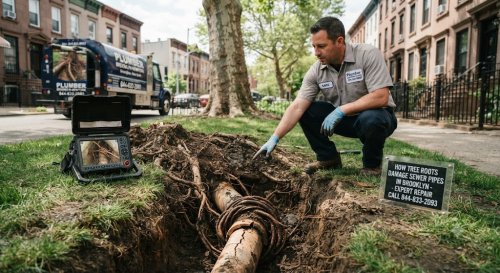
Tree Roots Can Repeatedly Damage Sewer Lines: Simple snaking only cuts a path through roots; long-term resolution requires pipe relining or replacement.
-
Hard Water Shortens Fixture Lifespan: Mineral buildup erodes internal valve seals, leading to recurring drips.
-
DIY Mistakes Increase Overall Costs: Stripped threads or over-tightened fittings can transform a simple repair into a major wall-tearout job.
-
Delaying Repairs Causes Structural Damage: Micro-leaks rot wooden floor joists and compromise historic plaster over time.
-
Hidden Leaks Drive Up Utility Bills: A continuously running toilet or sub-slab drip can waste thousands of gallons of water per month.
-
Mold Grows Quickly: Toxic mold can take root in damp wall cavities within 24 to 48 hours of an unaddressed leak.
-
Annual Maintenance Saves Money: Preventive plumbing inspections catch worn hoses, failing regulators, and early corrosion before emergencies strike.
15 Common Mistakes Homeowners Make
+---------------------------------------------------------------------+
|                 15 PLUMBING & ESTIMATE MISTAKES                     |
+---------------------------------------------------------------------+
|  1. Selecting a plumber based solely on the lowest price tag.      |
|  2. Failing to verify active NYC Master Plumber licenses.           |
|  3. Accepting vague, unwritten verbal estimates.                    |
|  4. Pouring corrosive chemical drain cleaners down clogged pipes.   |
|  5. Flushing "flushable" wipes down toilets.                        |
|  6. Pouring cooking grease and fats down kitchen sinks.             |
|  7. Ignoring high water pressure spikes above 80 PSI.              |
|  8. Allowing unlicensed contractors to pull work permits.           |
|  9. Skipping annual boiler and backflow inspections.                |
| 10. Waiting until a complete pipe burst to build a plumber contact list.|
| 11. Using mismatched pipe metals (e.g., copper directly to steel).  |
| 12. Over-tightening plumbing connections and valve packings.         |
| 13. Neglecting to replace aging washing machine rubber hoses.       |
| 14. Forgetting to confirm warranty terms in writing.                |
| 15. Ignoring minor water stains on ceilings or baseboards.          |
+---------------------------------------------------------------------+
-
Choosing Solely on Price: Picking the lowest estimate without comparing scope, warranty, or license status.
-
Not Verifying License Credentials: Trusting a verbal claim without double-checking the NYC DOB online database.
-
Accepting Verbal Quotes: Proceeding with major work without a signed, line-item contract.
-
Using Corrosive Chemical Drain Cleaners: Chemical cleaners eat away at aging cast iron and copper lines.
-
Flushing Wipes: Flushing non-dispersible wipes causes severe main drain blockages.
-
Pouring Fats Down Sinks: Liquid grease cools and hardens inside cold sewer lines, attracting debris.
-
Ignoring High Water Pressure: Unregulated water pressure over 80 PSI damages appliances and bursts pipe joints.
-
Skipping DOB Permits: Letting a contractor skip municipal filing to save a few dollars upfront.
-
Skipping Preventive Tune-Ups: Ignoring minor maintenance until a catastrophic pipe failure occurs.
-
Waiting Until an Emergency: Searching for quotes in the middle of a flood leaves you with little room to negotiate.
-
Connecting Mismatched Metals: Joining copper directly to galvanized steel without a dielectric union accelerates galvanic corrosion.
-
Over-Tightening Fittings: Cracking plastic or brass threads by applying excessive wrench torque.
-
Leaving Old Rubber Appliance Hoses: Leaving unbraided rubber washing machine hoses vulnerable to pressure bursts.
-
Overlooking Warranty Exclusions: Assuming all parts and labor are covered without reading fine-print terms.
-
Ignoring Water Stains: Ignoring minor ceiling discoloration until structural plaster collapses.
Maintenance Tips for Homeowners
Keep your plumbing system running smoothly with these practical preventive steps:
-
Know Your Main Shut-off Valve Location: Label your main water shut-off valve so every family member can find it during an emergency.
-
Inspect Supply Hoses Annually: Swap out rubber washing machine and toilet lines for stainless steel braided flex hoses.
-
Check Water Pressure Regularly: Install an inexpensive pressure gauge on an exterior hose bib to confirm house pressure remains between 40 and 60 PSI.
-
Install Drain Strainers: Catch hair, soap scum, and food particles before they enter your waste lines.
-
Test Sump Pumps Before Rainy Seasons: Pour a bucket of water into your sump pit each spring to confirm the float switch and pump operate smoothly.
-
Flush Water Heaters Yearly: Drain sediment from the tank bottom to preserve heating efficiency and extend tank life.
-
Insulate Exposed Pipes in Winter: Wrap cellar and exterior wall water lines with foam insulation to prevent winter pipe freezes.
-
Avoid Hanging Items on Exposed Pipes: Never use exposed basement supply lines as drying racks or storage supports.
-
Keep Fats, Oils, and Grease Out of Drains: Scrape cooking grease into disposable containers instead of washing it down the drain.
-
Clean Faucet Aerators: Unscrew and rinse aerator screens bi-annually to remove dislodged mineral scale.
-
Check Toilets for Silent Leaks: Drop a few drops of food coloring into the toilet tank; if color appears in the bowl without flushing, replace the flapper.
-
Schedule Annual Professional Inspections: Have a licensed Master Plumber examine visible piping, gas connections, and backflow devices once a year.
When Should You Call an Emergency Plumber?
                  EMERGENCY PLUMBING EVALUATION

       Is water actively flooding or is raw sewage backing up?
                    │                        │
                 [ YES ]                  [ NO ]
                    │                        │
                    ▼                        ▼
          CALL EMERGENCY PLUMBER     Are there minor leaks,
          Shut off main supply       slow drains, or quotes
          valve immediately!         needed?
                                         │          │
                                      [ YES ]    [ NO ]
                                         │          │
                                         ▼          ▼
                             Schedule Standard   Perform Routine
                             Service Visit       Maintenance
Certain urgent situations require immediate professional intervention rather than spending days collecting quotes:
-
Active Pipe Bursts or Flooding: Water spraying uncontrollably from supply lines can cause structural damage within minutes.
-
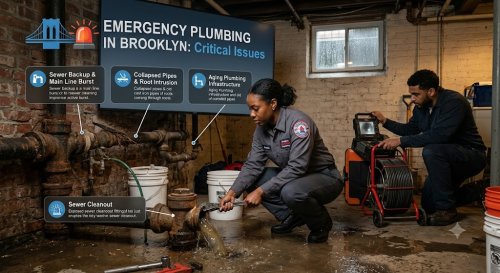
Raw Sewage Backing Up: Sewage bubbling up through basement floor drains, showers, or toilets poses immediate health hazards.
-
Total Loss of Water Supply: Having no running water across the property indicates a main line rupture or frozen main service.
-
Gas Leaks or Strong Gas Odors: If you smell gas, evacuate the building immediately and call 911 or your gas utility before contacting a licensed plumber.
-
Uncontrollable Water Heater Leaks: A ruptured water heater tank can flood surrounding spaces if not isolated and drained quickly.
Frequently Asked Questions
Why do plumbing quotes vary so much between companies in Brooklyn?
Quotes vary because contractors operate with different overhead costs, diagnostic approaches, labor skill levels, material grades, and inclusion of NYC DOB permits and insurance coverage.
Should I always pick the lowest plumbing estimate?
No. Unusually low estimates often omit required city permits, rely on unlicensed labor, use lower-grade materials, or leave out site restoration costs that show up as extra charges later.
How do I check if a Brooklyn plumber is legally licensed?
You can verify a license by checking the NYC Department of Buildings (DOB) online licensing portal. A legitimate company will proudly display their NYC Master Plumber License number on estimates, trucks, and websites.
What is the difference between an estimate and a formal quote?
An estimate is an educated guess that can change as work progresses. A formal quote (or proposal) is a fixed price contract detailing specific scope, materials, and terms that cannot be changed without an agreed change order.
Do plumbers charge a fee just to come out and give an estimate?
Many companies charge a small diagnostic or service call fee to cover travel, time, and advanced diagnostic testing (like camera inspections). This fee is frequently applied toward the total job cost if you proceed with the work.
Are NYC Department of Buildings (DOB) permits required for all plumbing work?
Permits are required for major installations, structural piping changes, sewer line replacements, and gas work. Minor repairs like swapping faucets or clearing standard drain clogs generally do not require permits.
Can a clogged drain cause pipes to burst?
While standard drain clogs rarely burst supply lines, complete sewage blockages combined with standing water can strain pipe joints, cause heavy backups, and accelerate pipe corrosion over time.