How to Choose a Reliable Plumber for Your Brooklyn Flat
Learn how to choose a reliable plumber for your Brooklyn apartment. Discover expert tips on licensing, old building codes, and fair repair costs.

How to Choose a Reliable Plumber for Your Brooklyn Apartment
Finding a trustworthy professional to handle your home's pipes in NYC can feel daunting. Between navigating historic brownstone infrastructure, strict co-op and condo board requirements, and aging city main connections, urban plumbing brings unique challenges. Knowing How to Choose a Reliable Plumber for Your Brooklyn Apartment can save you thousands of dollars, protect your property from catastrophic water damage, and ensure your building stays fully compliant with local NYC codes.
What Is How to Choose a Reliable Plumber for Your Brooklyn Apartment?
Choosing a plumber for a Brooklyn apartment isn't as simple as picking the first name that pops up online. In a dense urban environment, plumbing systems are interconnected. A leak in a 3rd-floor unit on Montague Street can ruin the ceiling, original plaster, and hardwood floors of the apartment right below it.
Selecting a reliable plumber means hiring a licensed, insured professional who understands multi-family dwellings, pre-war building layouts, high-rise risers, and the strict rules imposed by Brooklyn property managers and co-op boards.
Common Brooklyn Apartment Plumbing Scenarios
-
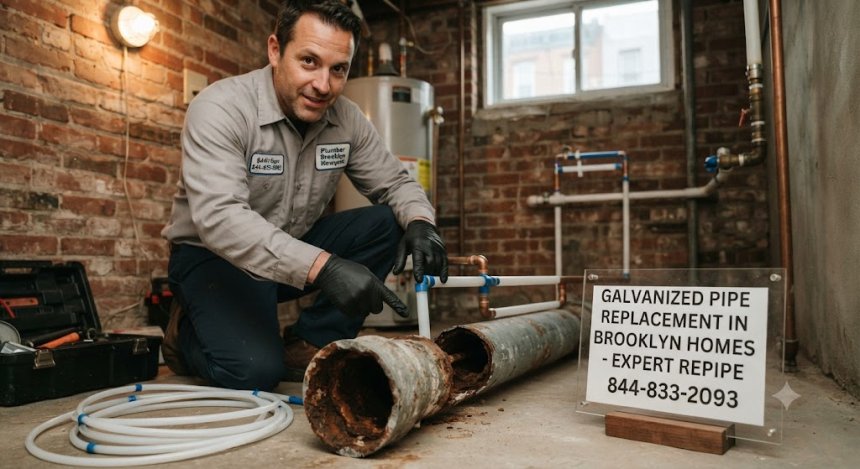
Pre-War Plumbing Upgrades: Working on buildings constructed before 1940 with galvanized iron or lead risers.
-
Co-Op & Condo Work: Navigating strict alteration agreements, limited work hours, and high insurance certificate requirements ($1M–$5M umbrella policies).
-
High-Density Living: Dealing with shared waste stacks where a clog down the line backs up into your kitchen sink.
-
Historic District Alterations: Completing renovations inside landmarked Brooklyn neighborhoods without violating municipal rules.
Why Does This Plumbing Problem Happen?
Navigating apartment plumbing issues in Brooklyn is notoriously complex. Understanding why these problems occur helps you select a plumber with the right expertise.
+-----------------------------------------------------------------------+
|                 COMMON BROOKLYN APARTMENT PLUMBING CAUSES             |
+------------------------------------+----------------------------------+
| Aging Building Infrastructure      | 75-100+ year-old risers & drains |
+------------------------------------+----------------------------------+
| Corroded Galvanized Iron Pipes     | Mineral build-up & narrow lines  |
+------------------------------------+----------------------------------+
| Shared Main Stacks                 | Neighbors' waste impacting you   |
+------------------------------------+----------------------------------+
| High/Unregulated Water Pressure    | Stresses valves & appliance lines|
+------------------------------------+----------------------------------+
| Improper Past DIY Alterations      | Unlicensed handymen work         |
+------------------------------------+----------------------------------+
-
Aging Building Infrastructure: A huge portion of Brooklyn's housing stock consists of pre-war apartment buildings and historic brownstones. Many still rely on aging cast iron waste lines and galvanized steel water pipes that are well past their intended lifespan.
-
Corroded Pipes and Mineral Accumulation: Over decades, mineral deposits constrict water flow, while internal pipe corrosion thins out metal walls, leading to sudden leaks inside shared chase walls.
-
Shared Waste Stacks: In multi-story buildings, multiple units share vertical drainage pipes (stacks). When a tenant three floors above flushes improper items, the blockage often manifests in lower-floor apartments.
-
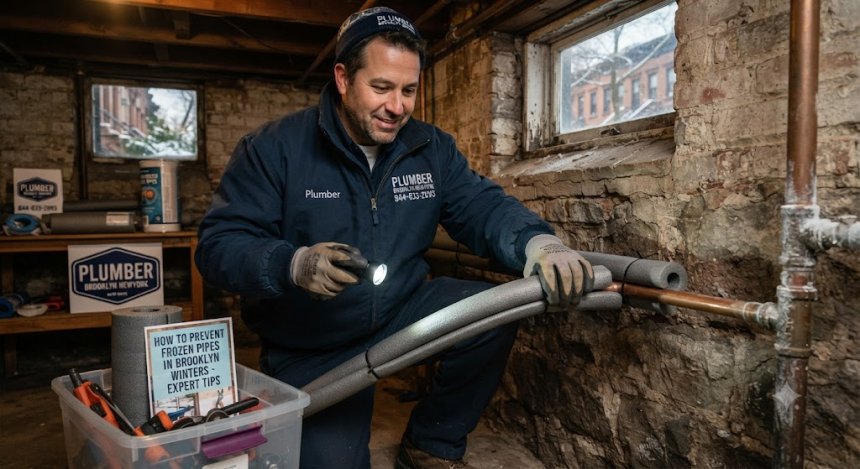
Extreme Seasonal Temperatures: Cold NYC winters frequently cause supply lines running along uninsulated exterior walls or drafty basements to freeze and burst.
-
Unlicensed Past Work: Quick-fix repairs by previous tenants or uncertified handymen using mismatched materials (like coupling copper directly to galvanized steel without a dielectric union) lead to accelerated galvanic corrosion.
Signs You Should Never Ignore
Plumbing issues in a Brooklyn apartment rarely fix themselves. Pay close attention to these early warning signs before a minor drip becomes an emergency:
-
Slow Draining Across Multiple Fixtures: If your tub, bathroom sink, and kitchen sink all drain slowly at the same time, the issue isn't just a hair clog—it's in the main vertical stack or vent pipe.
-
Water Stains on Ceilings or Walls: Discoloration on your ceiling or drywall indicates an active leak from a neighboring unit's bathroom, a leaking riser, or a burst branch line.
-
Fluctuating Water Pressure or Discolored Water: A sudden drop in pressure or brownish water when you turn on the tap points to severe pipe corrosion, broken main valves, or municipal supply line issues.
-
Surgings or Gurgling Noises in the Toilet: Hearing your toilet bubble when the shower runs or when a neighbor flushes means air is trapped in the drain system due to a severe blockage or blocked vent stack.
-
Musty Smells and Mold Growth: Persistent damp odors behind cabinets or under sinks often point to hidden slow leaks inside wall cavities.
-
Unusually High Water Bills: If your building meters water individually and your bill spikes without an increase in usage, water is escaping somewhere in your unit.
Common Plumbing Problems Related to This Issue
When searching for a qualified plumber, verify they have direct experience handling these frequent apartment plumbing failures:
-
Branch Line Leaks: Leaks in the horizontal pipes connecting your fixtures to the building’s main vertical riser.
-
Corroded Galvanized Water Lines: Restricted flow and rusty water caused by deteriorating vintage pipes.
-
Radiator and Steam Heat Leaks: Vintage steam heating systems kicking off water or banging loudly during Brooklyn winters.
-
Sewer Backups in Garden Apartments: Ground-floor and basement units experiencing waste backup during heavy rains or main line clogs.
-
Failed Shut-Off Valves: Old, frozen main shut-off valves under the sink or behind the toilet that fail during an emergency.
-
Fixtures Out of Code: Unvented S-traps under sinks or illegal plumbing connections made by non-licensed workers.
Step-by-Step Professional Repair Process
When you hire a licensed NYC plumbing contractor, they follow a methodical process to protect your apartment and the surrounding building:
[1. Inspection & Camera Line Trace] ──► [2. Diagnosis & Co-Op/Condo Review]
                                                     │
[4. Precision Repair / Repiping]   ◄── [3. Upfront Itemized Estimate]
         │
         ▼
[5. Pressure Testing & Verification] ──► [6. Site Cleanup & Sign-Off]
Step 1: Inspection & Camera Line Trace
The plumber inspects the problem area using high-resolution drain cameras and electronic leak detection equipment to locate the exact source of the leak or obstruction without unnecessarily tearing into historic plaster or tile.
Step 2: Diagnosis & Building Protocol Review
For apartment units, the plumber verifies whether the failing pipe is the owner's responsibility (branch lines) or the building's responsibility (main risers/stacks). They review building management requirements before starting major work.
Step 3: Detailed Upfront Estimate
You receive a comprehensive written estimate detailing labor, parts, permit fees (if NYC Department of Buildings filings are needed), and the scope of work.
Step 4: Precision Repair or Replacement
Using heavy drop cloths and wall protection, the plumber carries out the repair—whether that involves snaking a main drain, replacing a brass valve, or soldering new copper supply lines.
Step 5: System Testing and Pressure Checks
After repairs, the plumber tests supply lines under pressure and runs water through drains for extended periods to confirm there are zero leaks behind sealed walls.
Step 6: Site Cleanup and Documentation
The work area is thoroughly sanitized. You receive a final invoice and, if required, a certificate of completion for your co-op board or landlord.
Can You Fix It Yourself?
While fixing a minor issue yourself is tempting, DIY plumbing in a Brooklyn apartment carries significant financial and legal risks.
Safe DIY Tasks
-
Replacing a showerhead or adding a water filter using Teflon tape.
-
Clearing a shallow sink clog using a simple hand plunger (avoid harsh chemical cleaners).
-
Changing a worn toilet flapper inside the tank.
When DIY Becomes Dangerous
-
Never Touch Shut-off Valves Connected to Building Risers: Old gate valves easily snap off when forced, sending pressurized water flooding into lower apartments.
-
Never Open Drain Cleanouts Without Board Approval: Opening a main line cleanout plug in a multi-story building can unleash high-pressure sewage directly into your living room if the stack is clogged above your floor.
-
Never Attempt In-Wall Soldering: Using a torch near vintage wood framing or horsehair insulation in pre-war structures poses a severe fire hazard.
Tools Professionals Use
A modern, licensed plumber uses advanced equipment engineered for urban plumbing challenges:
-
Micro Drain Inspection Cameras: Waterproof fiber-optic cameras that navigate tight 1.5-inch and 2-inch apartment drain lines to pinpoint blockages.
-
Acoustic and Thermal Leak Detectors: Non-invasive sensors that trace water leaks behind thick plaster, tile, or concrete slabs without wall demolition.
-
Hydro Jetting Systems: High-pressure water equipment used to scrub decades of grease and scale off cast-iron waste lines.
-
Electric Drain Snakes (Augers): Heavy-duty machines designed to clear tough blockages deep inside main building stacks.
-
Press Fitting Tools (ProPress): Flame-free pipe joining tools that eliminate open torches inside residential apartment units.
How Long Does the Repair Usually Take?
+-----------------------------------+-----------------------------------+
| REPAIR TYPE                       | ESTIMATED TIMELINE                |
+-----------------------------------+-----------------------------------+
| Simple Drain Clearing / Faucet    | 1 – 2 Hours                       |
| Toilet or Sink Valve Replacement  | 2 – 3 Hours                       |
| Branch Line Leak Repair in Wall   | 4 – 8 Hours                       |
| Full Bathroom/Kitchen Rough-In    | 2 – 5 Days (Plus DOB Inspection)  |
+-----------------------------------+-----------------------------------+
Factors Affecting Timeline
-
Building Access: Waiting for super access to shut down main building water risers.
-
Permit Requirements: Filings required by the NYC Department of Buildings (DOB) for structural or gas line modifications.
-
Material Sourcing: Sourcing specialty vintage fittings or custom brass fixtures common in high-end historic renovations.
Cost Factors
Understanding how plumbing work is priced helps you evaluate quotes fairly. Plumbing costs vary based on issue severity, accessibility, materials, emergency fees, property type, and local labor rates.
-
Diagnostic and Service Call Fees: Covers the plumber's trip, evaluation, and initial camera or tool setup.
-
Labor Rates: NYC licensed master plumbers carry high insurance coverage, municipal licensing fees, and specialized training, reflecting local market rates.
-
Scope and Accessibility: Opening up tiled walls or floorboards increases labor hours compared to fixing accessible under-sink pipes.
-
Co-Op/Condo Insurance Requirements: Work requiring custom Insurance Certificates (COIs) with specialized endorsement clauses can impact administrative fees.
-
Permits and Inspections: Major alterations require NYC DOB filing fees and official sign-offs.
Hidden Truths Homeowners Should Know
-
Unlicensed Handymen Can Void Your Homeowners Insurance: If an unlicensed worker causes a flood, your building's insurance and your personal HO-6 policy may deny coverage.
-
Chemical Drain Cleaners Destroy Vintage Pipes: Harsh liquid drain openers eat through old cast iron and copper pipes, leading to pinhole leaks inside your walls.
-
Small Slow Leaks Cause Fast Mold Growth: In tight apartment spaces, a hidden 2-drop-per-minute leak can grow toxic black mold within 24 to 48 hours.
-
Cheap Fixes Often Cost Double: Patching an old galvanized pipe with rubber sleeves is a temporary band-aid that often fails under normal pressure spikes.
-
Building Risers Belong to the Building, Branch Lines Belong to You: Knowing where the building's maintenance responsibility ends and yours begins prevents costly legal disputes with your board or landlord.
15 Common Mistakes Homeowners Make
-
Hiring an Unlicensed Plumber: Failing to verify NYC Master Plumber License status on the DOB portal.
-
Using Chemical Drain Openers: Pouring acidic chemicals into slow-draining kitchen lines.
-
Flushing "Flushable" Wipes: Wipes do not break down and are a primary cause of main stack backups in apartment complexes.
-
Ignoring Low Water Pressure: Assuming low flow is normal rather than a warning sign of corroded pipes or main valve failure.
-
Forcing Old Shut-off Valves: Turning seized oval handles with pliers instead of having a pro replace them with modern ball valves.
-
Not Requesting a COI First: Hiring a contractor before confirming their insurance meets your building management’s criteria.
-
Over-Tightening Plumbing Connections: Cracking plastic or brass fittings by applying excessive force during DIY faucet installs.
-
Pouring Cooking Grease Down the Kitchen Sink: Fat builds up inside horizontal waste lines, hardening into solid blockages.
-
Waiting Until an Issue Becomes an Emergency: Delaying repairs on a dripping valve until it fully ruptures over the weekend.
-
Hanging Heavy Items on Exposed Pipes: Using exposed basement or closet plumbing pipes as storage hangers.
-
Not Knowing Where Main Shut-Off Valves Are: Failing to locate individual fixture shut-offs before a pipe fails.
-
Skipping Steam Radiator Maintenance: Neglecting air valves on vintage radiators, leading to water leaks and inefficient heating.
-
Ignoring Small Water Stains: Assuming a small ceiling ring will dry up without investigating the source.
-
Installing Unvented Fixtures: Adding new sinks or washing machines without proper vent lines, causing sewer gases to enter the home.
-
Choosing a Plumber Based Solely on the Lowest Quote: Sacrificing licensing, insurance, and quality materials for a bargain price.
Maintenance Tips for Brooklyn Apartment Owners
Protect your investment and avoid sudden plumbing emergencies with these practical steps:
-
Install Strainers in All Drains: Catch hair and food scraps before they enter narrow branch lines.
-
Test Shut-Off Valves Bi-Annually: Gently turn valves under sinks and toilets twice a year to keep them from seizing.
-
Replace Rubber Supply Lines: Upgrade washing machine and ice maker hoses to braided stainless steel flex lines.
-
Never Flush Garbage: Limit toilet use exclusively to human waste and toilet paper.
-
Collect Kitchen Frying Oil: Store cooking oil in a glass jar or can; never pour it down the drain.
-
Insulate Pipes Near Windows/Drafts: Wrap exposed water lines near drafty windows or outer walls during winter.
-
Keep Radiator Valves Fully Open or Fully Closed: Leaving single-pipe steam radiator valves partially open causes water hammer and leaks.
-
Clean Faucet Aerators: Unscrew and rinse aerators every six months to remove mineral buildup.
-
Inspect Under-Sink Cabinet Closets: Check storage areas regularly for dampness or slow-drip stains.
-
Know Your Super’s Contact Information: Store emergency contacts for your building super and main office in your phone.
-
Fix Dripping Faucets Immediately: Prevent ruined valve seats and wasted water.
-
Run Water in Unused Guest Bathrooms: Refill P-traps monthly to prevent sewer gas from escaping into your home.
-
Check Toilet Tanks for Leaks: Put a few drops of food coloring in the tank; if color appears in the bowl without flushing, replace the flapper.
-
Keep Drain Cleanouts Accessible: Avoid blocking plumbing access panels inside closets or behind built-in cabinetry.
-
Schedule Annual Professional Inspections: Have a licensed plumber evaluate your fixtures, valves, and exposed lines once a year.
When Should You Call an Emergency Plumber?
Call an emergency plumber immediately if you experience:
-
Uncontrolled Water Flow: A burst pipe or broken valve that cannot be isolated with an individual fixture shut-off.
-
Sewage Backing Up into Tubs or Sinks: Waste entering your home from shared main stacks.
-
Complete Loss of Water Service: Sudden loss of running water across your entire apartment.
-
Active Ceiling Leaks from Above: Water actively dripping or pouring through drywall or plaster overhead.
-
Gas Odors Near Appliances: Smell of natural gas near your water heater or stove (evacuate immediately and call your gas utility first).
Frequently Asked Questions
How do I check if a plumber is licensed in NYC?
You can verify a license directly on the NYC Department of Buildings (DOB) public online portal by searching the contractor's name or Master Plumber License number.
What is a COI, and why does my Brooklyn co-op board require it?
A Certificate of Insurance (COI) proves the plumber carries general liability, workers' compensation, and umbrella coverage. Co-ops require it to protect the building from financial liability if an accident or flood occurs during work.
Can a plumber work in my apartment without building approval?
Minor repairs like replacing a faucet washer typically don't require approval, but any work involving main supply lines, in-wall piping, or DOB permits requires management sign-off.
Who pays for plumbing repairs in a rented or co-op Brooklyn apartment?
Generally, the building or landlord covers main vertical risers and shared stacks, while the unit owner or tenant is responsible for branch lines and individual fixtures inside the apartment walls.
Why does my kitchen sink back up when my neighbor runs their dishwasher?
This indicates a restriction or clog in the shared vertical waste stack below your floor level, forcing wastewater up into the lowest available drain.
Are chemical drain cleaners safe for pre-war apartment pipes?
No. Chemical drain cleaners generate heat and contain harsh acids that corrode vintage cast iron, lead joints, and copper lines, causing structural pipe failure over time.
What should I do if my main shut-off valve is stuck?
Do not force a stuck valve with tools. Contact a licensed plumber who can coordinate with your building super to isolate the local branch or riser safely.
How do I prevent pipes from freezing during a NYC cold snap?
Keep heat at a minimum of 68°F, open cabinet doors under exterior-facing sinks to let warm air circulate, and let faucets drip slightly during extreme freezes.