Why Do Pipes Make Banging Sounds in Brooklyn Homes
Banging or knocking pipes in your Brooklyn apartment? Learn what causes water hammer, steam radiator thumping, and how to fix noisy plumbing

Why Do Pipes Make Banging or Knocking Sounds in Brooklyn Apartments?
Few things disrupt a quiet night in a Brooklyn apartment quite like a loud, sudden CLANG from behind the drywall or a rhythmic thumping from under the floorboards. Whether you live in a pre-war brownstone in Park Slope, a loft in Williamsburg, or a modern high-rise in Downtown Brooklyn, noisy plumbing is one of the most common complaints among renters and property owners alike.
When residents notice these startling noises, their immediate question is simple: Why Do Pipes Make Banging or Knocking Sounds in Brooklyn Apartments?
While a knocking pipe might feel like a minor annoyance, it is rarely just a cosmetic noise. In many cases, these sounds are a warning sign that your plumbing system is experiencing sudden pressure shocks, thermal expansion stresses, or loose physical supports. Left unaddressed, the violent vibrations that cause these sounds can loosen pipe joints, weaken soldered fittings, and eventually lead to catastrophic water leaks inside historic plaster walls or finished ceilings.
Understanding what causes these noises—and knowing when a simple adjustment will work versus when you need a professional licensed plumber—can save you thousands of dollars in unexpected water damage repairs.
What Is the Problem Behind Banging or Knocking Pipes?
When residents ask, Why Do Pipes Make Banging or Knocking Sounds in Brooklyn Apartments?, they are usually dealing with one of two major plumbing dynamics: hydraulic shock (commonly known as water hammer) or thermal expansion and contraction within steam and hot water heating loops.
+-----------------------------------------------------------------------------------+
|                        NOISY PIPE TYPES IN BROOKLYN APARTMENTS                    |
+-----------------------------------------------------------------------------------+
|  WATER HAMMER            --> Violent shockwave when fast-closing valves slam shut |
|  STEAM RADIATOR KNOCKING --> Trapped condensed water hitting steam in steam loops |
|  THERMAL EXPANSION       --> Copper or PEX pipes rubbing against wooden studs     |
|  LOOSE PIPE STRAPS       --> Unanchored lines rattling against brick or drywall   |
+-----------------------------------------------------------------------------------+
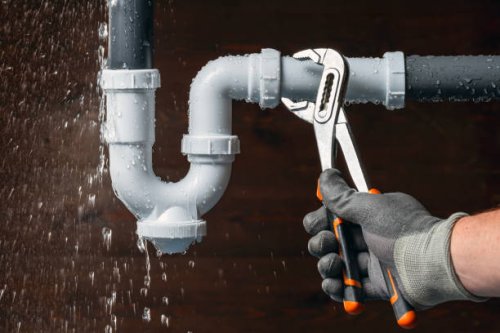
In simple terms, water has mass and momentum. When you turn on a faucet or run a washing machine, gallons of water flow through your copper or galvanized pipes at high speeds. If a valve closes instantly, that moving column of water crashes into a dead end. The kinetic energy has nowhere to go, sending a shockwave bouncing backward through the plumbing line. That shockwave violently shakes the pipe against structural wall studs, floor joists, or adjacent masonry, creating a distinct banging sound.
In Brooklyn’s extensive inventory of historic pre-war buildings, these noises are equally common in steam radiator systems. When steam travels through supply pipes and encounters cold condensate water trapped in a sagging line, the steam rapidly collapses, creating a vacuum pocket that slams water against the pipe walls like a hammer hitting iron.
Why Does This Plumbing Problem Happen in Brooklyn Buildings?
Plumbing infrastructure in Kings County spans over a century of installation standards, building codes, and material evolutions. Several key factors contribute to noisy pipes in local apartments:
+-----------------------------------------------------------------------------------+
|                      PRIMARY CAUSES OF BANGING PIPE NOISES                        |
+-----------------------------------------------------------------------------------+
|  1. Water Hammer Shockwaves     | Fast-closing solenoid valves (washers, dishwashers)
|  2. Excessive City Pressure     | Municipal water pressure exceeding 60-80 PSI     |
|  3. Water Logged Air Chambers   | Old air cushion pipes filled with water over time |
|  4. Loose Pipe Anchor Straps    | Broken or missing clamps inside plaster walls   |
|  5. Steam Condensate Buildup    | Radiator units improperly tilted or pitched     |
|  6. Thermal Pipe Expansion      | Hot water lines expanding against timber joists |
+-----------------------------------------------------------------------------------+
1. High Municipal Water Pressure
New York City’s water distribution system operates under high pressure to push water across miles of underground mains and up into multi-story residential buildings. If your building lacks a properly calibrated Pressure Reducing Valve (PRV), static water pressure in your apartment can easily exceed 80 PSI. High pressure drastically intensifies the force of water hammer shockwaves.
2. Fast-Closing Modern Valves
Older faucets took several full turns to shut off, gradually slowing water flow. Modern quarter-turn ball valves, single-handle kitchen faucets, washing machines, and dishwashers use solenoid valves that snap shut in milliseconds. This instantaneous shutoff triggers severe shockwaves in un-cushioned supply lines.
3. Water-Logged Air Chambers
Pre-war Brooklyn buildings were often constructed with vertical, capped pipe tees installed behind walls near fixtures. These "air chambers" trapped a pocket of air to act as a shock absorber. Over decades, water absorbs this trapped air pocket, filling the chamber completely with water. Without air to cushion the pressure spike, the shockwave hits the metal pipe directly.
4. Loose or Missing Pipe Clamps
Pipes inside walls and beneath floorboards are secured with copper straps or plastic clamps. Over years of building settlement, subtle vibration, or past renovations, these straps can loosen, snap, or detach. Once unanchored, even a mild pressure wave causes long stretches of pipe to knock against wood studs or brick party walls.
5. Trapped Condensate in Steam Radiators
In buildings heated by classic single-pipe steam systems, steam must travel up to the radiator while condensed water drains back down the exact same pipe. If a radiator is not pitched correctly back toward the supply valve, water pools at the base. High-velocity steam pushing past this trapped water creates loud, metallic knocking sounds throughout winter months.
6. Thermal Expansion in Hot Water Risers
Hot water supply pipes expand when hot water runs through them and contract as they cool. If a copper or PEX pipe passes tightly through holes drilled in wooden floor joists without protective plastic grommets or sleeves, the expanding pipe rubs against the wood, producing a repetitive ticking, popping, or knocking sound.
Signs You Should Never Ignore
A banging pipe is rarely an isolated symptom. Pay close attention to these accompanying warning signs:
-
Sudden Water Stains on Ceilings: If a banging noise is followed by yellowing plaster or bubbling paint on ceilings, the vibrations may have cracked a joint or loosened a threaded pipe fitting.
-
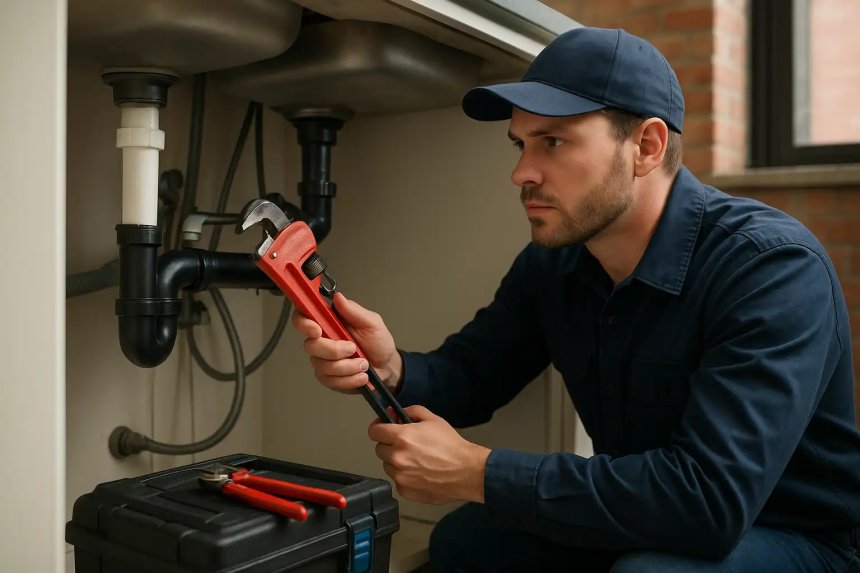
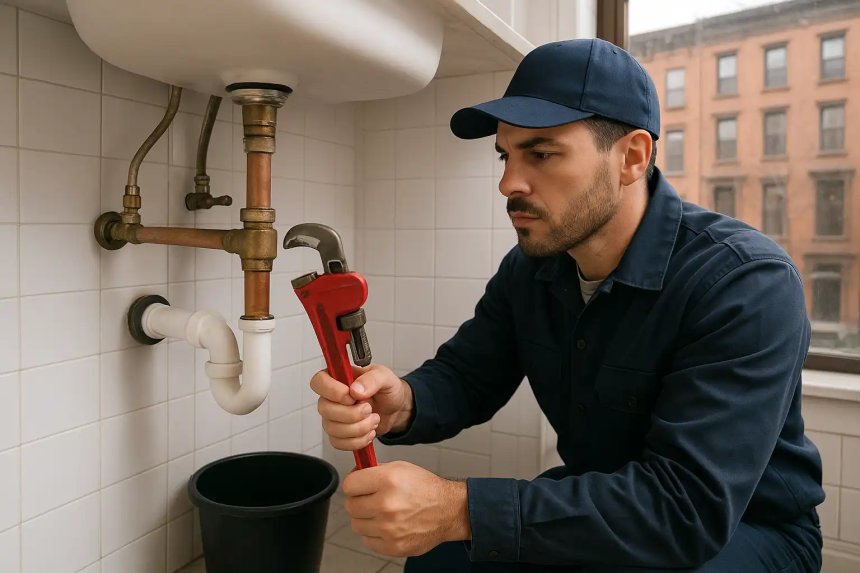
Visible Pipe Shaking: Open the cabinet under your bathroom or kitchen sink and shut the faucet quickly. If you see the supply lines visibly jump or whip around, your system is suffering from unmitigated water hammer.
-
Fluctuating Water Pressure: If water spurts aggressively or pressure drops suddenly when multiple fixtures run, your building’s pressure regulator may be failing.
-
Damp Walls or Musty Odors: Concealed micro-leaks caused by pipe vibration trap moisture behind drywall, creating ideal conditions for rapid mold growth.
-
Metallic Clicking or Ticking Behind Baseboards: Repetitive ticking when the heating or hot water turns on points to thermal expansion binding, which can stress soldered fittings over time.
Common Plumbing Problems Related to Noisy Pipes
Ignoring persistent pipe vibrations often leads to secondary plumbing failures throughout an apartment:
+-----------------------------------------------------------------------------------+
|                        SECONDARY FAILURES FROM PIPE VIBRATION                     |
+-----------------------------------------------------------------------------------+
|  COUPLE & ELBOW FAILS   --> Soldered copper joints fatigue, crack, and leak       |
|  APPLIANCE DAMAGE       --> Solenoid valves inside washers and dishwashers rupture|
|  FIXTURE LEAKS          --> Ceramic cartridges and faucet washers wear out fast    |
|  RADIATOR VALVE LEAKS   --> Constant knocking degrades radiator angle valve seals  |
+-----------------------------------------------------------------------------------+
-
Failing Soldered Copper Joints: Repeated mechanical shockwaves weaken soldered elbows and couplings, transforming a noisy pipe into an active wall leak.
-
Appliance Solenoid Ruptures: Severe water hammer stresses the internal valves of expensive washing machines and dishwashers, leading to sudden appliance floods.
-
Dripping Faucets and Leaking Toilet Valves: Continuous pressure spikes accelerate wear on delicate rubber washers, ceramic cartridges, and fill valve seals.
-
Radiator Valve Seepage: Constant knocking inside steam systems degrades the packing material inside heavy radiator shutoff valves, causing steam and water leaks onto hardwood floors.
Step-by-Step Professional Repair Process
When a licensed Master Plumber evaluates noisy pipes in a Brooklyn apartment, they follow a systematic diagnostic and repair process:
+-----------------------------------------------------------------------------------+
|                  PROFESSIONAL DIAGNOSTIC & REPAIR WORKFLOW                        |
+-----------------------------------------------------------------------------------+
|  STEP 1: Pressure & Source Audit                                                  |
|          Test static/dynamic PSI at main connections and isolate fixture noises   |
|                                                                                    |
|  STEP 2: System Draining & Air Chamber Bleed                                       |
|          Drain main lines to recharge trapped air pockets in legacy systems       |
|                                                                                    |
|  STEP 3: Mechanical Arrestor Installation                                         |
|          Install engineered mechanical water hammer arrestors at problem valves    |
|                                                                                    |
|  STEP 4: Pressure Regulator Calibration                                           |
|          Adjust or replace primary PRV valves to keep building pressure < 60 PSI  |
|                                                                                    |
|  STEP 5: Physical Pipe Anchoring & Cushioning                                     |
|          Secure loose lines behind access points using isolation straps & sleeves  |
|                                                                                    |
|  STEP 6: Radiator Pitch & Steam Loop Correction                                   |
|          Adjust radiator angles and replace failing air vents for quiet heating   |
+-----------------------------------------------------------------------------------+
Step 1: Pressure & Noise Source Audit
The plumber attaches a calibrated digital pressure gauge to an accessible hose bib or sink supply to measure static and dynamic water pressure. They then systematically operate faucets, toilets, and appliances to isolate the exact origin of the sound.
Step 2: System Draining & Air Pocket Recharge
If the apartment features legacy vertical air chambers, the plumber shuts off the main water supply, opens all faucets from the top floor down to drain the supply stack completely, and then reintroduces water. This drains trapped water out of the air chambers, restoring their air cushions.
Step 3: Installing Mechanical Water Hammer Arrestors
Because air chambers eventually become water-logged again, plumbers install modern engineered mechanical water hammer arrestors. These units feature a sealed stainless steel or brass cylinder containing a sliding piston and a permanent gas charge that absorbs shockwaves indefinitely without absorbing water.
+-----------------------------------------------------------------------------------+
|                 MECHANICAL WATER HAMMER ARRESTOR FUNCTION                         |
+-----------------------------------------------------------------------------------+
|  [Incoming Water Shockwave] ===> [Sliding Internal Piston] ===> [Sealed Gas Pocket] |
|  Result: Kinetic energy is safely absorbed by compressed gas instead of walls.    |
+-----------------------------------------------------------------------------------+
Step 4: Calibrating or Replacing Pressure Reducing Valves (PRVs)
If incoming city pressure exceeds 60–65 PSI, the plumber adjusts or replaces the building or unit PRV to stabilize system pressure within safe operating limits.
Step 5: Anchoring Loose Pipes & Cushioning Penetrations
Using small access panels or open wall sections, the plumber installs heavy-duty pipe clamps with rubber isolation sleeves. Where pipes pass through wooden floor joists, low-expansion foam or plastic suspension clips are added to prevent friction during thermal movement.
Step 6: Steam Radiator Leveling & Vent Replacement
For knocking steam systems, the plumber places wooden shims under radiator feet to ensure a continuous downward pitch toward the steam supply valve. They also inspect and replace clogged air vents or worn angle valves to allow condensate to drain freely.
Can You Fix It Yourself? (Safe DIY vs. Professional Plumbing)
Handling noisy pipes depends on whether you own the property, your access to main valves, and the underlying cause of the sound.
Safe DIY Steps Homeowners & Renters Can Try
-
Recharge Legacy Air Chambers: Shut off your apartment's main water valve, open every faucet to drain the lines completely, close the faucets, and turn the main valve back on slowly.
-
Pitch Your Steam Radiator: Place heat-resistant wooden shims under the feet on the side opposite the supply valve. Ensure the radiator tilts slightly toward the valve so condensed water drains back into the riser.
-
Install Screw-On Appliance Arrestors: You can attach screw-on water hammer arrestors directly between your washing machine bibs and supply hoses using basic pliers.
-
Insulate Exposed Pipes: Wrap accessible copper or PEX supply lines in basement spaces or under sinks with foam pipe insulation to dampen vibrations against adjacent surfaces.
When DIY Becomes Dangerous (Call a Licensed Plumber)
-
Opening Drywall or Plaster Walls: Cutting into historic plaster walls without knowing pipe locations risks puncturing high-pressure lines or disturbing legacy lead or asbestos insulation.
-
Adjusting Building-Wide Main Valves: Attempting to adjust main pressure regulators in multi-family buildings without permission can affect water delivery across multiple units or violate NYC housing codes.
-
Soldering Near Wood Studs: Using a propane torch to add clamps or arrestors inside narrow wall cavities poses a severe fire hazard in pre-war timber structures.
Tools Professionals Use to Diagnose Noisy Pipes
Diagnosing concealed pipe issues inside thick Brooklyn walls requires specialized diagnostic equipment:
-
Digital Water Pressure Gauges: High-precision gauges track static baseline pressure and record peak pressure spikes when valves close quickly.
-
Acoustic Leak & Vibration Detectors: Ground microphones and acoustic sensors pinpoint pipe movement and friction points behind plaster or concrete walls.
-
Thermal Imaging Cameras: Infrared cameras track hot water pipe paths through walls, identifying binding points where thermal expansion causes knocking.
-
In-Line Pipe Inspection Cameras: Miniaturized cameras scope steam return lines or drain pipes to find interior blockages, scale buildup, or trapped standing water.
How Long Does the Repair Usually Take?
Repair timelines vary based on the root cause and pipe accessibility:
-
Simple Repairs (1 to 2 Hours): Draining supply stacks, adjusting steam radiator pitch, or installing screw-on washing machine arrestors.
-
Moderate Repairs (2 to 4 Hours): Installing inline mechanical water hammer arrestors behind sinks, replacing failing pressure-reducing valves, or securing exposed basement pipe lines.
-
Major Repairs (1 to 2 Days): Opening wall chases to secure loose internal risers, replacing damaged section elbows, or re-routing thermal expansion loops across multi-story apartments.
Cost Factors Explained
Plumbing repair costs vary depending on the severity of the problem, accessibility, materials required, emergency service needs, property type, and local labor rates. Key drivers include:
+-----------------------------------------------------------------------------------+
|                        COST DRIVERS FOR NOISY PIPE REPAIRS                        |
+-----------------------------------------------------------------------------------+
|  DIAGNOSTIC SCOPE   --> Time required to locate concealed shock points            |
|  ACCESSIBILITY      --> Unfinished basement vs. historic plaster wall access       |
|  PARTS REQUIRED     --> Commercial PRV valves vs. residential arrestor kits         |
|  PROPERTY TYPE      --> Single-family brownstone vs. multi-unit co-op or condo    |
+-----------------------------------------------------------------------------------+
-
Diagnostic & Inspection Fees: The time needed to evaluate pressure spikes and trace hidden pipe vibrations throughout the building.
-
Parts & Materials: Mechanical water hammer arrestors, commercial-grade PRV valves, rubber-isolated pipe clamps, or heavy-duty radiator angle valves.
-
Labor & Wall Access: Simple repairs under sinks take less time than opening, repairing, and patching historic plaster or tile walls.
-
Co-op / Condo Permits & Regulations: Multi-family buildings often require master plumber insurance certificates, formal work proposals, and specific work-hour windows.
Hidden Truths Homeowners Should Know About Noisy Pipes
-
Small Shockwaves Cause Expensive Wall Leaks: A minor water hammer shockwave repeated hundreds of times a week gradually fatigues soldered copper elbows, leading to slow, hidden leaks inside walls.
-
Cheap Rubber Washers Don't Solve Water Hammer: Replacing a faucet washer won't stop water hammer if your static water pressure exceeds 70 PSI.
-
Building Managers May Be Responsible for PRVs: In many Brooklyn co-ops and condos, main pressure-reducing valves are building-wide assets maintained by the board or management company, not individual unit owners.
-
Hard Water Scale Exacerbates Steam Knocking: Mineral scale buildup inside steam return pipes narrows water passages, worsening condensate trapping and causing louder radiator knocking.
-
Over-Tightening Pipe Straps Causes Noise: Clamping a metal pipe too tightly against a wood stud without a rubber isolation sleeve prevents natural thermal expansion, causing loud popping sounds every time hot water runs.
-
Ignoring Radiator Pitch Ruins Hardwood Floors: A knocking steam radiator will eventually force water out through its air vent, ruining surrounding hardwood flooring and ceiling plaster below.
-
DIY Mistakes Increase Repair Costs: Prying on old radiator valves with improper wrenches can snap brittle cast-iron connections, turning a simple alignment job into an emergency repiping project.
-
High Pressure Voids Appliance Warranties: Many modern dishwasher and washing machine manufacturers void warranties if home water pressure exceeds 80 PSI.
-
Annual Pressure Checks Save Money: Checking your water pressure twice a year with an inexpensive gauge lets you catch failing PRVs before pressure spikes damage your plumbing.
-
Plaster Walls Amplify Pipe Sounds: Historic plaster and lath walls act like sounding boards, making minor pipe vibrations sound like loud sledgehammer thumps throughout the apartment.
15 Common Plumbing Mistakes Homeowners Make
-
Ignoring Early Knocking Sounds: Treating banging pipes as an harmless quirk allows shockwaves to continuously stress soldered joints.
-
Crank-Closing Faucets Forcefully: Snapping single-handle faucets shut aggressively amplifies shockwaves along supply lines.
-
Placing Heavy Items Against Radiators: Blocking radiators or tilting them backward prevents condensate from draining, triggering loud steam knocks.
-
Using Chemical Drain Cleaners on Steam Traps: Chemical cleaners damage internal valve mechanisms and accelerate pipe corrosion.
-
Bleeding Steam Radiators Incorrectly: Opening steam air vents while the boiler is actively firing can spray scalding water and trap air in the loop.
-
Hiring Unlicensed Handymen for Pressure Issues: Adjusting main PRVs without proper pressure testing equipment can burst weak fixtures across the building.
-
Installing Wrong Pipe Clamp Materials: Securing copper pipes with steel straps creates galvanic corrosion that eats through pipe walls.
-
Skipping Pipe Isolation Sleeves: Running bare copper lines directly through wooden studs guarantees thermal expansion noises.
-
Over-Tightening Compression Fittings: Cranking down excessively on supply line nuts damages brass ferrules and causes sudden bursts.
-
Removing Steam Radiator Shims During Cleaning: Knocking out wooden shims placed under radiator feet ruins the drain pitch.
-
Ignoring Water Pressure Surges at Night: Municipal pressure often rises late at night when citywide demand drops, increasing stress on home plumbing.
-
Forgetting to Drain Hose Bibs in Fall: Frozen water expanding in outdoor lines sends shockwaves backward into interior supply loops.
-
Painting Over Radiator Air Vents: Clogging tiny vent air holes with paint traps air inside radiators, causing uneven heating and loud banging.
-
Waiting for Active Wall Leaks Before Calling a Plumber: Calling a professional at the first sign of severe water hammer prevents major water damage.
-
Using Rigid Pipe Connections on Mobile Appliances: Using rigid copper instead of flexible braided stainless lines on washing machines amplifies operational vibrations.
15 Practical Maintenance Tips for Quiet Brooklyn Plumbing
-
Test Water Pressure Bi-Annually: Ensure static home water pressure stays between 45 and 60 PSI using a simple screw-on gauge.
-
Recharge Air Chambers Annually: Drain your apartment’s supply stack once a year to keep legacy air cushions functional.
-
Inspect Steam Radiator Pitch Every Autumn: Before heating season starts, verify all radiators tilt slightly toward their supply valves.
-
Replace Plastic Appliance Hoses: Upgrade washing machine supply lines to braided stainless steel hoses with built-in mini arrestors.
-
Check Radiator Air Vents Annually: Replace sputtering, rusted, or paint-covered air vents to keep steam loops operating smoothly.
-
Close Faucets Smoothly: Train family members to close single-handle faucets gradually rather than snapping them shut.
-
Install Rubber-Lined Pipe Straps: When opening walls for renovations, always use cushioned pipe clamps to mount water lines.
-
Insulate Hot Water Supply Lines: Wrap hot water copper pipes in foam sleeves to reduce thermal loss and quiet thermal expansion pops.
-
Verify Boiler Water Levels: In brownstones with private boilers, check sight glasses weekly during winter to ensure proper water levels.
-
Keep Valve Stems Clean: Turn main isolation valves under sinks off and on twice a year to prevent mineral scale from seizing the stems.
-
Add Felt Padding Near Stud Penetrations: Place thin felt strips between exposed basement pipes and structural framing to absorb contact chatter.
-
Maintain Clear Radiator Surroundings: Leave at least two inches of space around steam radiators so valves and vents operate without restriction.
-
Upgrade to Mechanical Water Hammer Arrestors: Have a plumber install sealed mechanical arrestors at dishwashers, washing machines, and ice makers.
-
Monitor Building PRV Performance: Ask your co-op board or landlord when the building’s main pressure-reducing valve was last serviced.
-
Schedule Pre-Winter Plumbing Inspections: Have a licensed plumber inspect heating connections, valve packings, and pressure regulators every autumn.
When to Call an Emergency Plumber
While a mild pipe click can be evaluated during regular business hours, certain situations demand immediate emergency plumbing intervention:
-
Violent Loud Banging Accompanied by Active Water Leaks: If a loud metallic bang is immediately followed by water dripping or pouring through ceilings, turn off the main shutoff valve and call a plumber right away.
-
Continuous Rapid Thumping When No Water Is Running: Loud thumping when all fixtures are turned off points to a ruptured main line, a failing check valve, or severe pressure regulator collapse.
-
Scalding Water or Steam Escaping Radiator Valves: If a knocking radiator begins blowing live steam or boiling water into your room, evacuate the space and call for emergency assistance immediately.
-
Complete Loss of Water Pressure After a Loud Knock: A sudden total loss of pressure following a pipe bang suggests a major structural pipe break in your supply stack or cellar main.
Frequently Asked Questions
Why do my pipes bang specifically when the washing machine turns off?
Washing machines use electric solenoid valves that snap shut in milliseconds. This instant shutoff stops fast-moving water instantly, triggering a severe shockwave (water hammer) through your supply lines. Installing screw-on water hammer arrestors at the machine valves solves this problem.
Can high water pressure damage my apartment's plumbing?
Yes. Water pressure above 80 PSI stresses soldered pipe joints, wears out internal faucet cartridges, damages appliance solenoids, and drastically increases the risk of sudden pipe bursts.
Why does my steam radiator make loud knocking sounds every morning?
Radiators knock when steam encounters cold condensed water trapped in the bottom of the unit or supply pipe. If the radiator is not pitched properly toward the supply valve, water pools and slams against incoming steam. Shimming the radiator to tilt toward the valve usually stops the noise.
What is the difference between water hammer and thermal expansion?
Water hammer occurs instantly when a water valve shuts, producing a sharp, loud CLANG. Thermal expansion happens gradually as hot water pipes heat up or cool down, producing a slower ticking, popping, or creaking sound as pipes expand against wooden studs.
How much does it cost to fix water hammer in Brooklyn?
Plumbing repair costs vary depending on the severity of the problem, accessibility, materials required, emergency service needs, property type, and local labor rates. Simple arrestor installations under a sink cost much less than replacing main building pressure valves or opening walls.
Will draining my apartment's pipes fix knocking noises permanently?
Draining pipes recharges legacy vertical air chambers by filling them with air again. However, because water absorbs trapped air over time, this fix is temporary. Installing mechanical water hammer arrestors provides a permanent solution.
Is knocking in steam pipes dangerous?
Persistent steam knocking creates violent mechanical shocks that can break radiator valve packings, crack cast-iron radiator sections, or loosen threaded pipe connections, leading to steam leaks and floor damage.
Can I install water hammer arrestors myself?
Homeowners can easily screw mini water hammer arrestors onto washing machine bibs or laundry hookups. However, installing inline arrestors inside walls or behind kitchen sinks requires cutting and soldering pipe, which should be handled by a licensed Master Plumber.
Why do pipes knock when I turn on the hot water in the shower?
This is usually caused by thermal expansion. As hot water flows through a cold copper line, the metal expands and rubs against wooden wall framing or floor joists, producing a knocking or popping sound until the pipe reaches a stable temperature.
How do I know if my building's pressure-reducing valve is failing?
Signs of a failing PRV include noisy water hammer across multiple fixtures, banging sounds when neighbors use water, high water pressure at faucets, or erratic pressure surges throughout the day.